
Leave Your Message




0102030405
Heavy Duty Tool Cabinet Load Capacity Calculation: From Structural Design to Material Selection
2025-12-10
Heavy Duty Tool Cabinet Load Capacity Calculation: From Structural Design to Material Selection
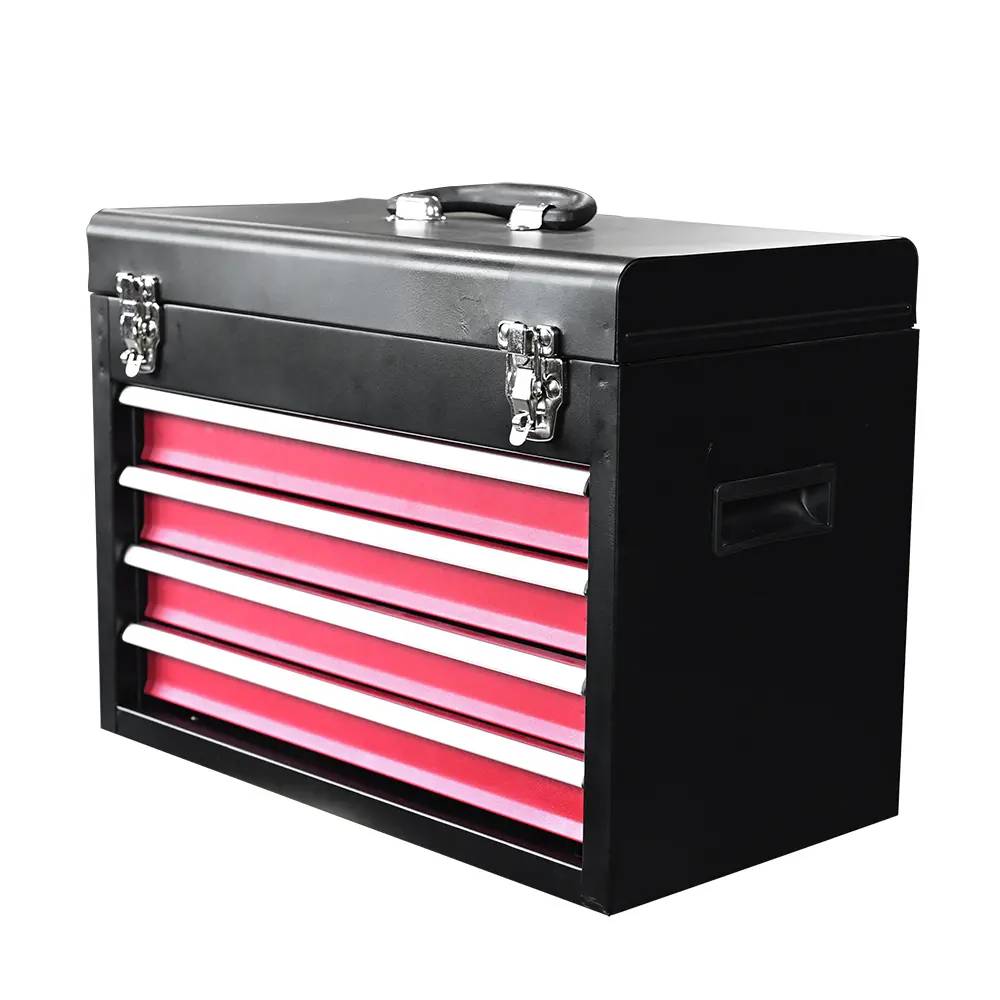
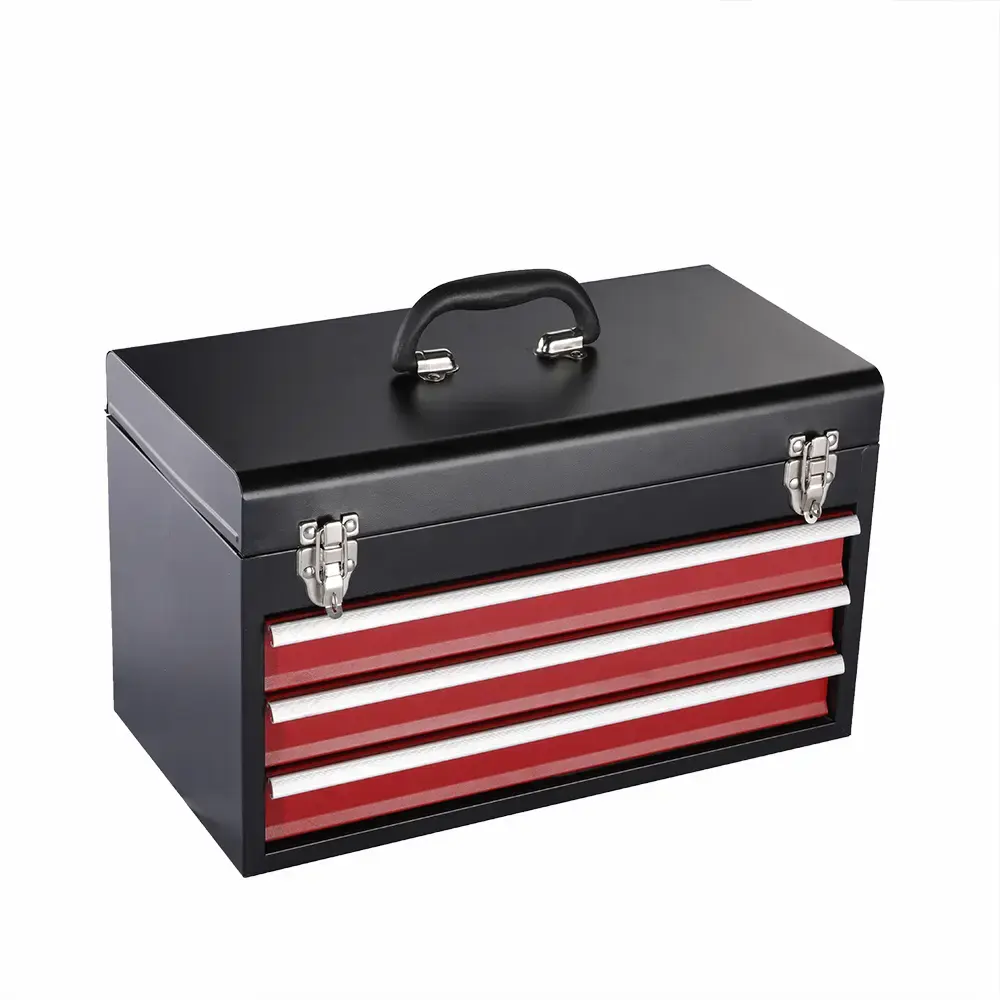
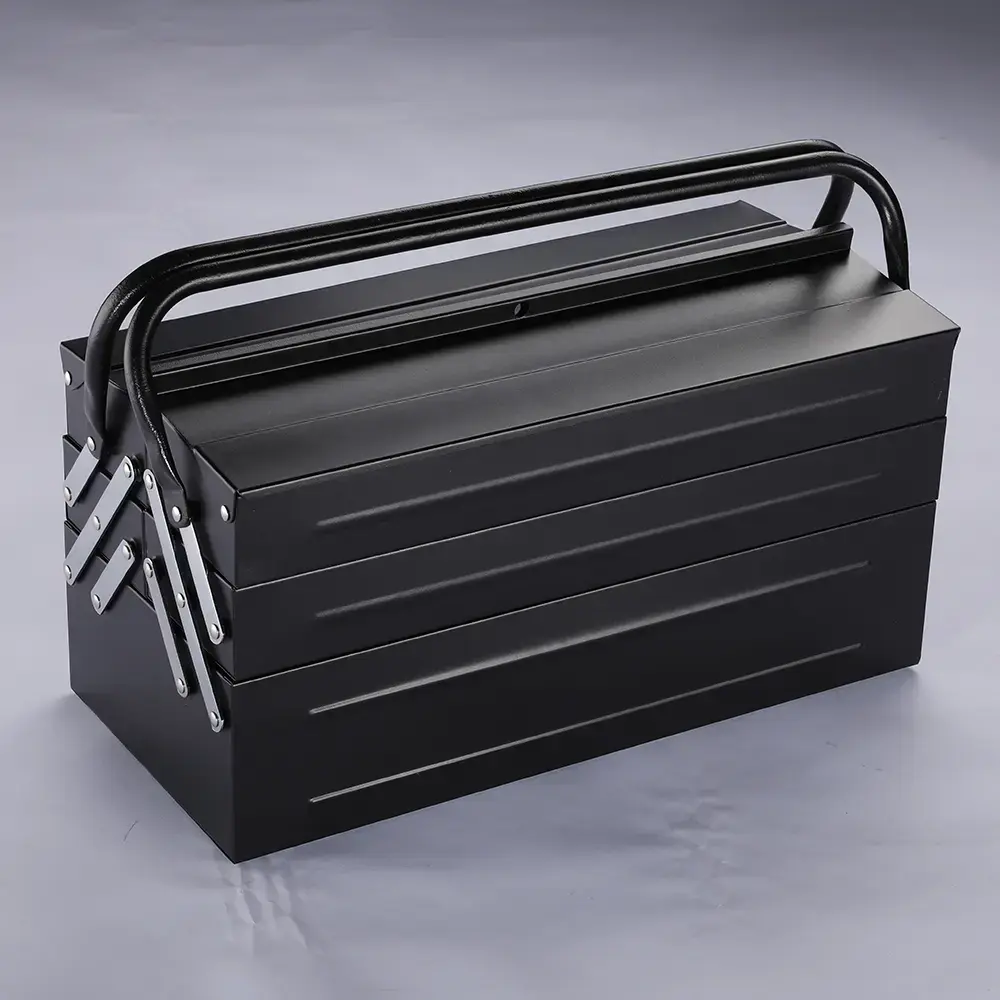
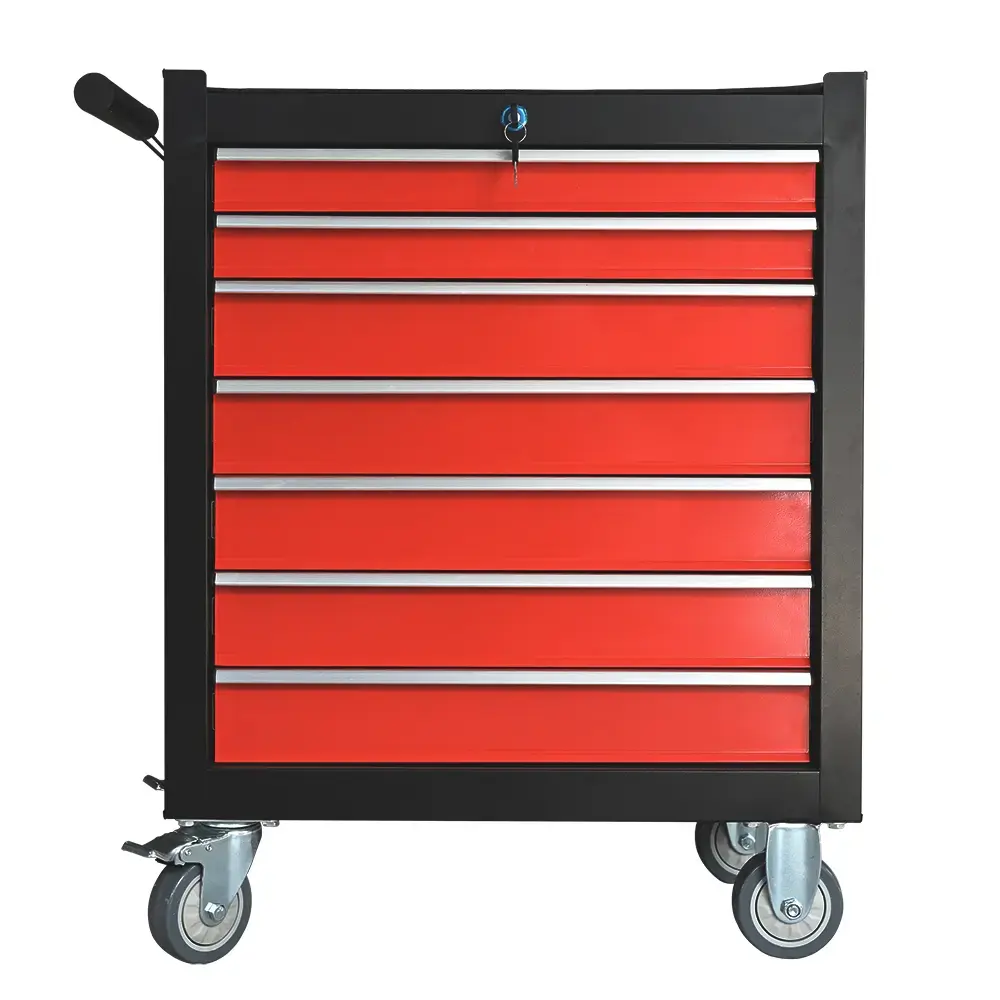
When outfitting workshops or industrial facilities, the load-bearing capacity of heavy duty Tool Cabinets is a non-negotiable factor for safety and long-term use. Many buyers focus on size and storage capacity but overlook the core issue of load capacity calculation—an oversight that can lead to equipment damage, workplace hazards, or frequent replacements. For workshop managers, facility supervisors, and procurement teams, mastering the right calculation methods, which closely tie to structural design and material selection, is key to choosing cost-effective and reliable storage solutions. Below, we break down the essential knowledge step by step.
Structural Design: The Core Foundation of Load Bearing
The load-bearing capacity of a heavy duty tool cabinet is first determined by its structural design. A scientifically sound structure can evenly distribute weight, avoiding local stress concentrations that cause deformation or breakage. Here are the key structural elements to focus on:
1. Cabinet Frame Structure
The frame is the "backbone" of the tool cabinet, and its design directly dictates the overall load bearing capacity. For heavy-duty models, a reinforced frame structure—such as a square tube frame or integrated welded frame—is far superior to a simple sheet metal folded frame. Square tube frames with a diameter of 20mm or more, for example, can significantly enhance vertical and horizontal load resistance. Additionally, adding cross-bracing at the top, bottom, and sides of the frame helps improve stability, especially when the cabinet is fully loaded or placed in uneven environments. When calculating load capacity, the frame’s cross-sectional area, connection method (welding vs. bolting), and reinforcement points must be taken into account.
2. Drawer Guide Rail Design
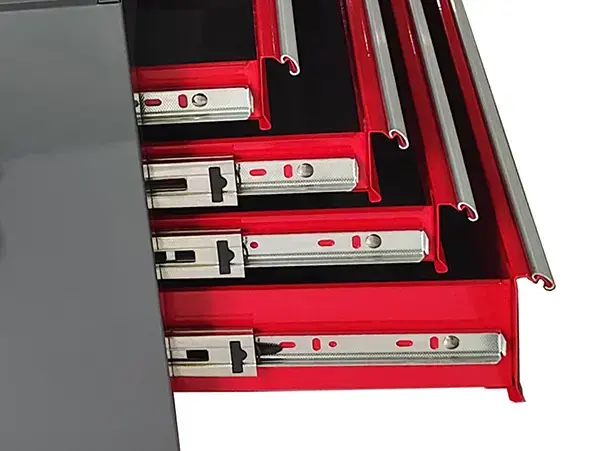
Drawers are the most frequently used part of tool cabinets, and their load capacity largely depends on the drawer slide load capacity. For heavy-duty applications, full-extension ball bearing slides are preferred over ordinary roller slides. High-quality ball bearing slides typically have a single-drawer load rating of 50-150kg, while some industrial-grade slides can handle up to 200kg. When calculating, note that the load capacity of the slide is not the same as the actual load the drawer can bear—factors like the drawer’s length, the distance from the slide to the drawer edge, and the number of slides (usually 2 per drawer) all affect the final load-bearing effect. For example, a 100kg-rated slide may only safely carry 80kg when installed on a long drawer due to torque effects.
3. Bottom Support Structure
The bottom of the cabinet bears the total weight of all internal tools, so its support design is crucial. Heavy duty tool cabinets often use double-layer bottom panels or add support beams at the bottom to prevent sagging. The spacing of the support beams also matters—smaller spacing (e.g., 30-40cm) can better distribute weight, especially for cabinets with a width of over 100cm. When calculating the bottom load capacity, the thickness of the bottom panel (usually 1.2-2.0mm for heavy-duty models) and the material’s tensile strength must be considered.
Material Selection: The Key to Load Bearing Durability
Even the best structural design will fail if paired with inferior materials. The choice of material directly affects the cabinet’s load-bearing limit and service life. Here are the key material factors for load capacity calculation:
1. Metal Sheet Thickness
Sheet thickness is the most intuitive factor affecting load capacity. For heavy duty tool cabinets, the frame sheet thickness is usually 1.5-2.5mm, the drawer panel thickness is 1.2-1.8mm, and the door panel thickness is 1.0-1.5mm. Thicker sheets have higher bending resistance and load-bearing capacity, but they also increase the cabinet’s overall weight and cost. When calculating, refer to the material’s stress-strain curve—for example, cold-rolled steel with a thickness of 2.0mm can bear a maximum bending load of about 300kg per meter without deformation.
2. Material Type
Cold-rolled steel is the preferred material for heavy duty tool cabinets due to its high tensile strength (345-510MPa) and good formability. Hot-rolled steel, while cheaper, has lower tensile strength and is more prone to deformation under heavy loads. Stainless steel is used in corrosive environments, but its load-bearing capacity is similar to cold-rolled steel of the same thickness. When calculating load capacity, use the material’s standard tensile strength value to avoid overestimating the load limit.
3. Fastener Quality
Fasteners (welds, rivets, bolts) are the "connections" of the cabinet structure, and their quality directly affects the overall load-bearing stability. Welded connections are stronger than bolted ones for heavy-duty applications, as they form a single structure with better load distribution. High-quality welding should have no gaps, porosity, or cracks—these defects can reduce the weld’s load-bearing capacity by 30-50%. Rivets and bolts should be made of high-strength steel (e.g., 8.8-grade bolts) to avoid shearing under heavy loads.

Practical Load Capacity Calculation Tips
For daily procurement and use, you don’t need complex professional formulas—here’s a simple and practical calculation method:
1. Determine the maximum load per component: Check the manufacturer’s specifications for the frame’s maximum load, drawer slide load rating, and bottom panel load capacity.
2. Calculate the total load capacity: The cabinet’s total load capacity is the minimum value among the frame’s maximum load, the sum of all drawers’ load capacities, and the bottom panel’s maximum load. For example, if the frame can bear 500kg, 4 drawers each can bear 80kg (total 320kg), and the bottom panel can bear 450kg, the cabinet’s actual maximum load capacity is 320kg (the minimum of the three).
3. Reserve a safety margin: To avoid overloading and extend service life, it’s recommended to use only 70-80% of the calculated maximum load capacity. For example, a cabinet with a calculated maximum load of 320kg should be used with a maximum load of 224-256kg.
Conclusion
Calculating the load capacity of heavy duty tool cabinets is not a one-dimensional task—it requires integrating structural design and material selection factors. For workshop and facility managers, mastering these methods can help you accurately assess product quality, avoid unnecessary risks, and select the most suitable storage solutions for your needs. Remember, a reliable heavy duty tool cabinet is not just about storage space, but also about stable and safe load-bearing performance.