
Leave Your Message




How Do Mobile Tool Cabinets Reduce Space Waste in Factories?
How Do Mobile Tool Cabinets Reduce Space Waste in Factories?
Mobile tool cabinets are a key solution to tackling space wastage in factories. Industry research reveals that 45% of older factory buildings operate at less than 55% space utilization. Improper Tool Storage accounts for over 30% of this waste—causing aisle congestion and idle areas—resulting in substantial annual losses for businesses in both rent and efficiency. This article dissects the core logic and practical methods of how mobile tool cabinets reduce space wastage through real factory case studies, helping you precisely avoid common space utilization pitfalls. We will analyze this from three core dimensions: layout, storage, and adaptability.
I. Flexible Layout: How Do Mobile Tool Cabinets Revitalize Idle Aisle Space?
Once fixed tool cabinets are installed, they permanently occupy designated areas, squeezing workshop aisles or leaving them unnecessarily wide. The core advantage of mobile tool cabinets lies in their “dynamic adjustability”—they can be flexibly relocated according to production rhythms, enabling full reuse of aisle space.
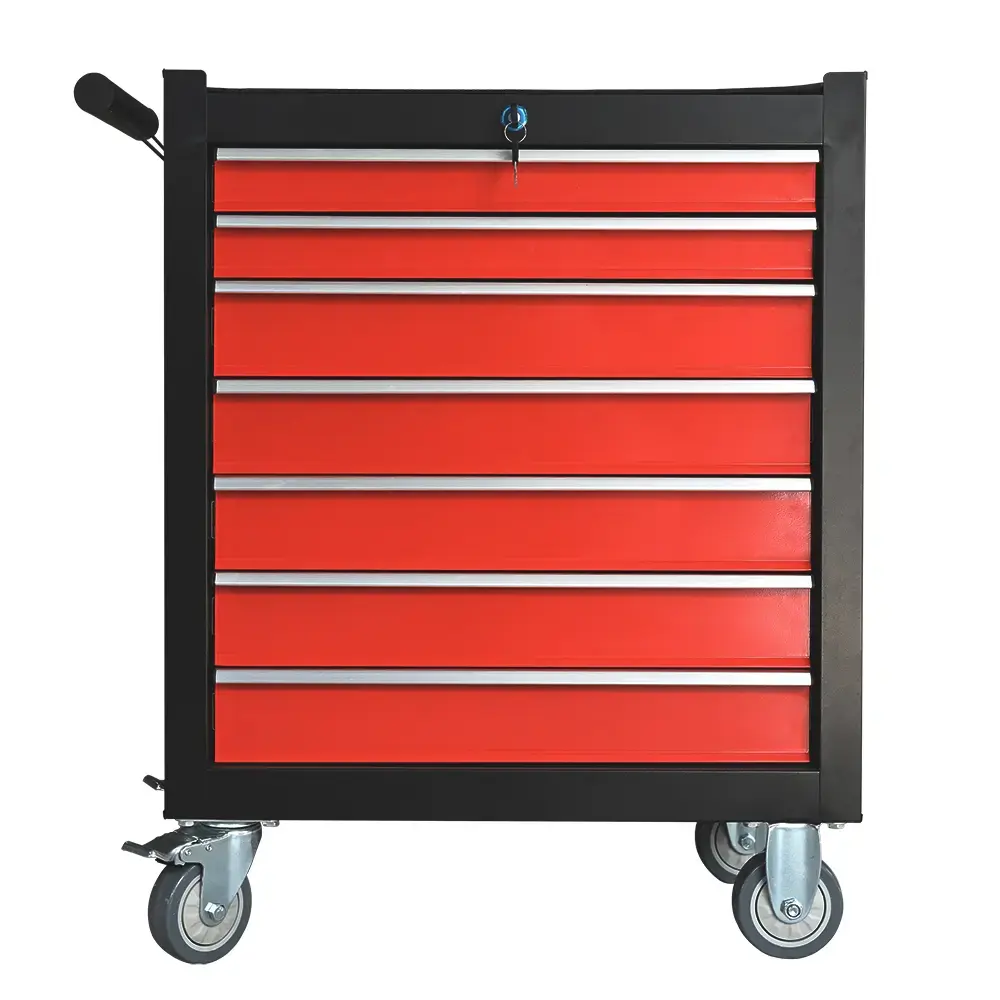
A Dongguan electronics factory once faced this dilemma: Fixed tool cabinets in the SMT workshop occupied both sides of the aisle, hindering AGV robot movement. This forced them to widen the aisle, directly compressing the work area and reducing space utilization to just 58%. The factory later switched to industrial mobile tool cabinets. These cabinets can be repositioned anytime based on production line changeover needs. During non-working hours, the cabinets are grouped together, freeing up aisle space.
After the upgrade, workshop aisle width returned to the standard 1.2 meters, AGV passage efficiency increased by 40%, and the operational area expanded by 15 square meters, boosting space utilization to 72%. Many buyers ask: Does frequent movement affect the stability of mobile tool cabinets? In fact, selecting models with weighted bases and silent swivel casters—capable of bearing over 500 jin (250 kg)—fully meets high-frequency workshop mobility needs without causing wobbling.
II. Vertical Storage: How do mobile tool cabinets boost storage capacity per unit area?
Another major pain point in factory space utilization is “horizontal space is ample, but vertical space is insufficient.” Conventional tool cabinets often feature poorly designed layered compartments, forcing small tools and parts to be stacked haphazardly—wasting space and making retrieval cumbersome. Mobile tool cabinets overcome this through scientific vertical zoning, increasing storage capacity per square meter by over 30%.
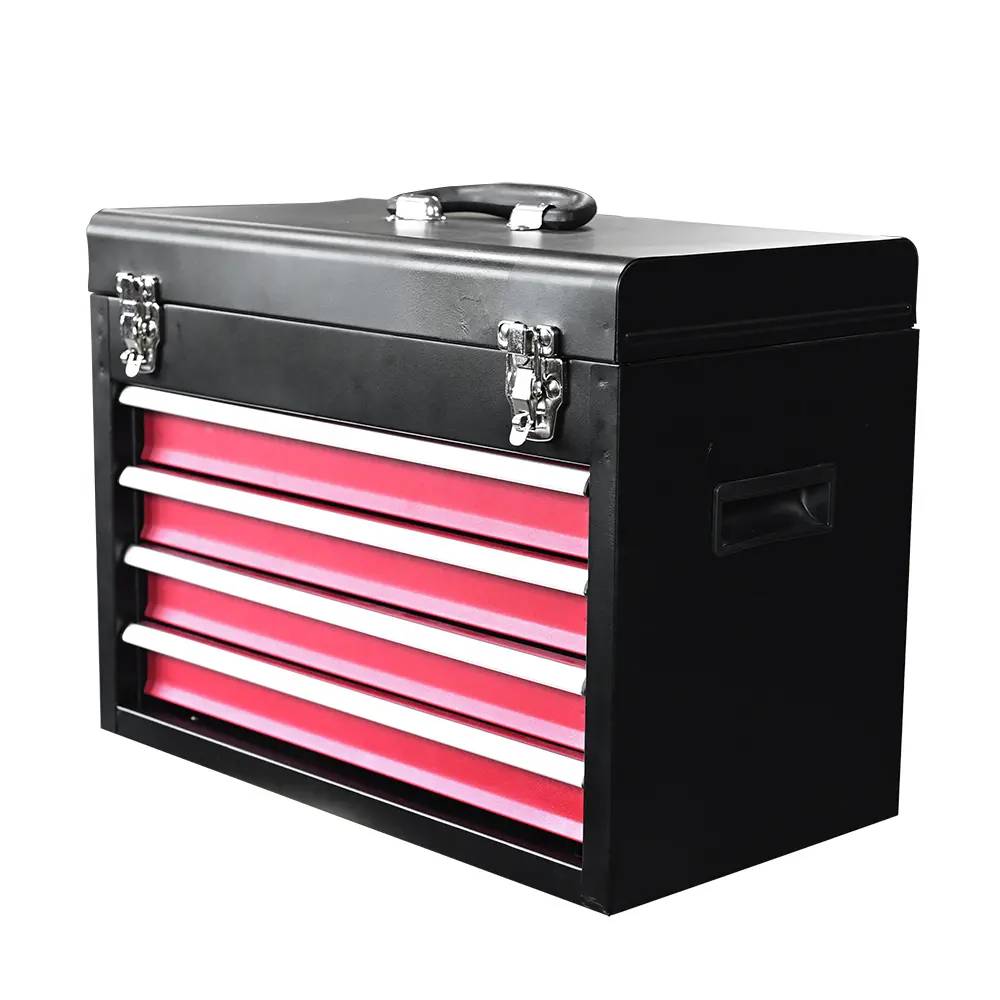
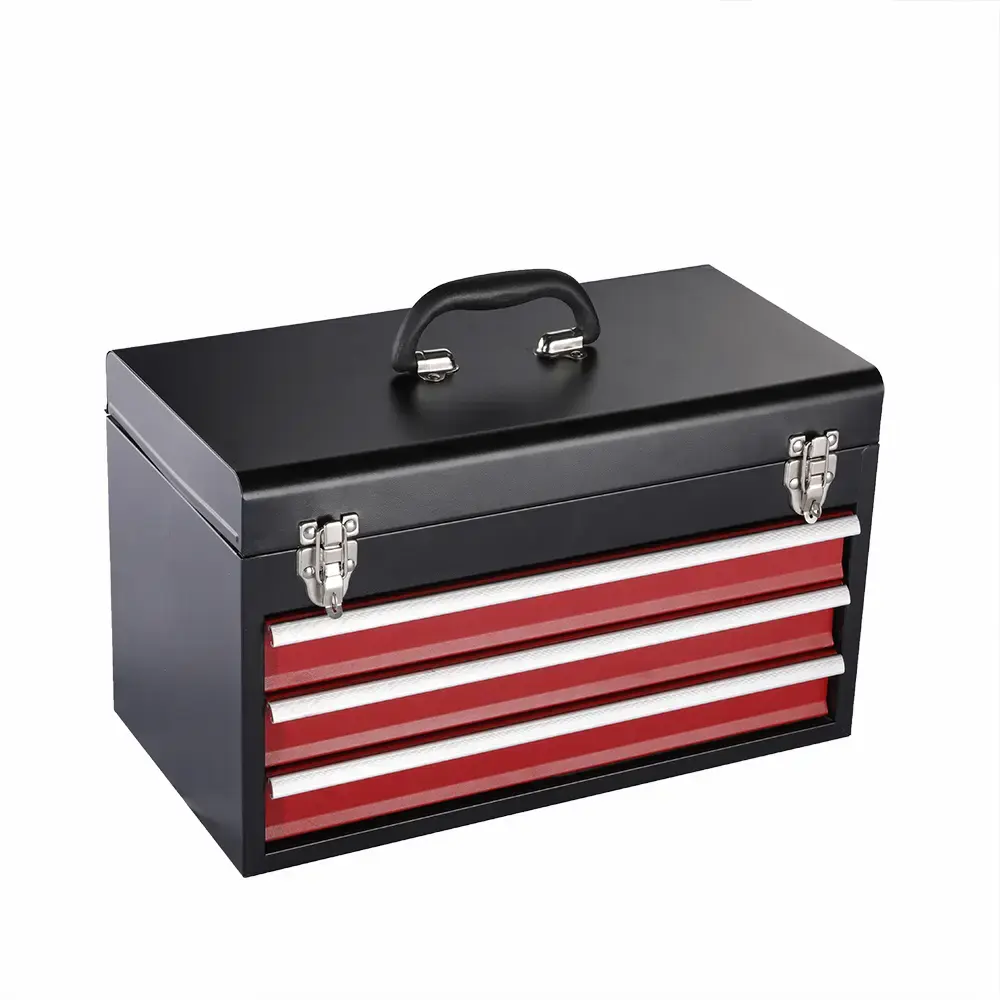
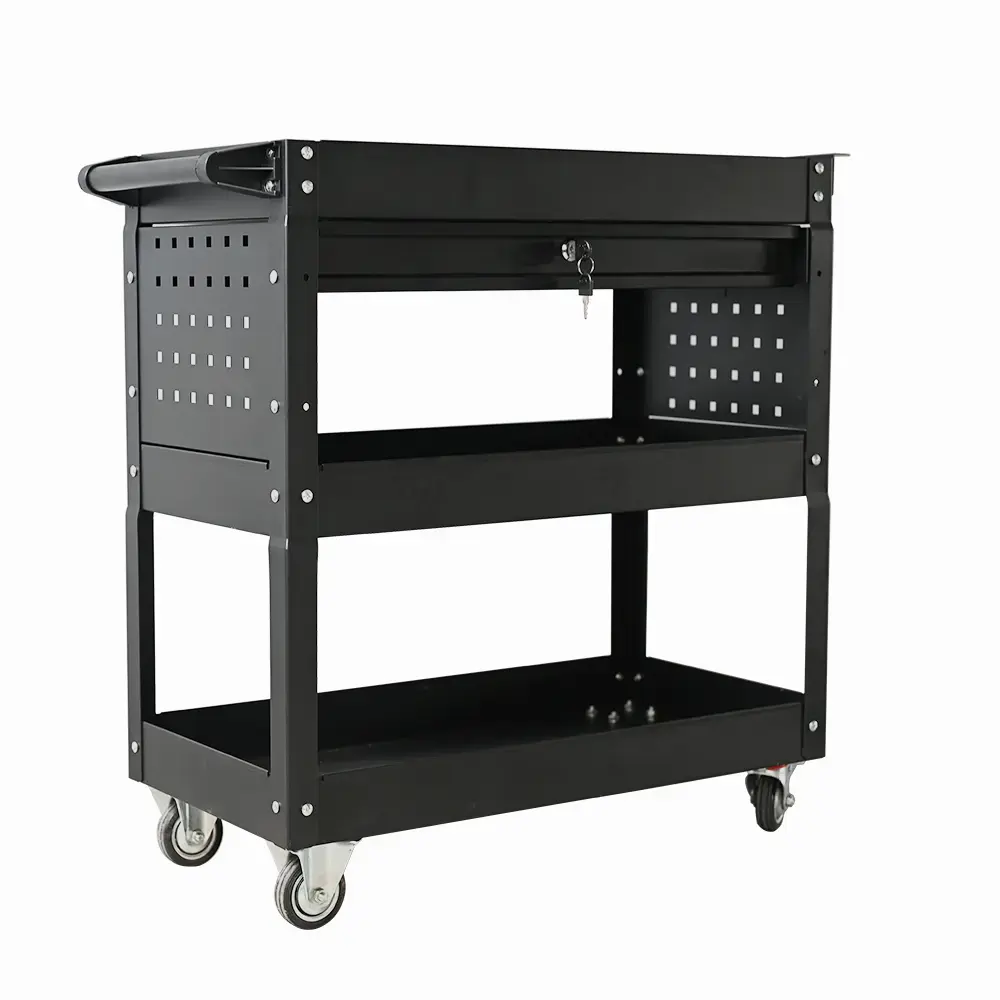
A Wenzhou machining factory previously stored precision tools like wrenches and taps in standard metal cabinets. Within a 10㎡ area, only 800 tools could be stored, and retrieval was time-consuming. After introducing mobile tool cabinets with multi-tier drawers and adjustable hanging panels, they adopted a vertical storage model: “hanging frequently used tools on upper tiers, categorizing precision parts in middle drawers, and storing large tools on lower tiers.”
Within the same 10-square-meter area, tool storage capacity increased to 1,200 items, while retrieval time dropped from an average of 10 minutes to just 2 minutes. A key reminder: when purchasing, don't focus solely on capacity. Pay attention to the smoothness of drawer slides and their load-bearing capacity. Cabinets made of cold-rolled steel plates undergo acid washing and phosphating treatment, offering rust resistance and wear resistance, making them more suitable for humid workshop environments. Some buyers worry vertical storage complicates access, but well-designed shelf heights and transparent drawer fronts easily resolve this.

III. Flexible Adaptability: How Do Mobile Tool Cabinets Support Multi-scenario Space Reuse?
With increasingly fragmented factory orders and frequent production line adjustments, fixed tool cabinets fail to meet flexible manufacturing demands. This often leads to scenarios where “tool cabinets in one area sit idle while another area lacks sufficient storage.” The flexible adaptability of mobile tool cabinets allows a single cabinet to be reused across different production lines and processes, fundamentally reducing idle space.
A new energy vehicle parts manufacturer experienced this challenge: Different vehicle models required distinct tooling, leading to fixed cabinets for each line. After line changes, some cabinets remained idle for extended periods, occupying nearly 20 square meters of production space. After switching to customizable mobile tool cabinets featuring side hooks and expandable shelves, internal layouts could be swiftly reconfigured for different process requirements.
During line changes, workers simply rolled cabinets tailored to new processes to corresponding workstations, while idle cabinets were consolidated in temporary storage areas, preserving only essential operational space. Post-renovation, idle cabinet space decreased by 80%, while production area flexibility improved by 60%. Many B2B clients ask: Is the customization lead time for mobile tool cabinets long? In reality, established manufacturers typically deliver within 7-15 days and offer OEM services, fully aligning with factory production adjustment schedules.
IV. FAQ: 3 Essential Questions When Purchasing Mobile Tool Cabinets
1. How should material selection vary for mobile tool cabinets across different workshop environments?
For humid workshops (e.g., electroplating), prioritize 304 stainless steel for superior rust resistance. Machining workshops may opt for acid-washed and phosphated cold-rolled steel plates, offering wear and impact resistance. Electronics workshops should choose models with anti-static coatings to prevent tool static damage to precision components.
2. Are maintenance costs high for mobile tool cabinets? How should they be maintained daily?
Maintenance costs are minimal. Under normal use, inspect the casters and rails only 1-2 times per year. Daily care involves: avoiding collisions with hard objects, keeping drawer rails clean, and periodically wiping cabinet surfaces with a dry cloth in humid environments to prevent rust. High-quality cabinets last 5-8 years, offering excellent value.
3. What compliance issues should be considered when cross-border purchasing mobile tool cabinets?
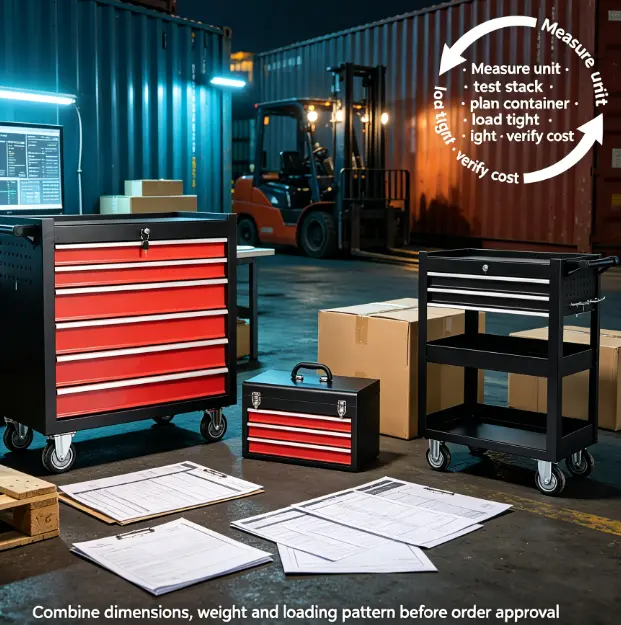
First, confirm the product meets target market certification standards, such as EU CE certification or US UL certification. Second, ensure cabinet dimensions and weight comply with container shipping requirements to minimize transport costs. Finally, select manufacturers offering at least a 3-year warranty and overseas after-sales service to avoid future repair complications.
Optimizing mobile tool cabinet usage not only reduces factory space wastage but also enhances tool management efficiency and production flexibility. Practical case studies show that selecting the right mobile tool cabinet solution can boost factory space utilization by 15%-25% on average, yielding annual cost savings exceeding ¥100,000. Mobile tool cabinets have become essential equipment for modern factories seeking cost reduction and efficiency gains—choosing the right product is key to unlocking their full space optimization value.

Meta Description
Mobile tool cabinets are the core solution for addressing factory space wastage. 45% of older factory buildings suffer from suboptimal space utilization below 55% due to improper tool storage. This article deconstructs practical methods—including flexible layouts, vertical storage, and adaptable configurations—to reduce space wastage through real-world case studies. Selecting high-quality mobile tool cabinets can boost space utilization by 15%-25%, saving over ¥100,000 annually. Explore our selection guide now to precisely solve workshop space challenges.
Keywords
Mobile tool cabinets, industrial mobile tool cabinets, workshop mobile tool cabinet layout, factory space optimization tools, cross-border mobile tool cabinet procurement