
Leave Your Message
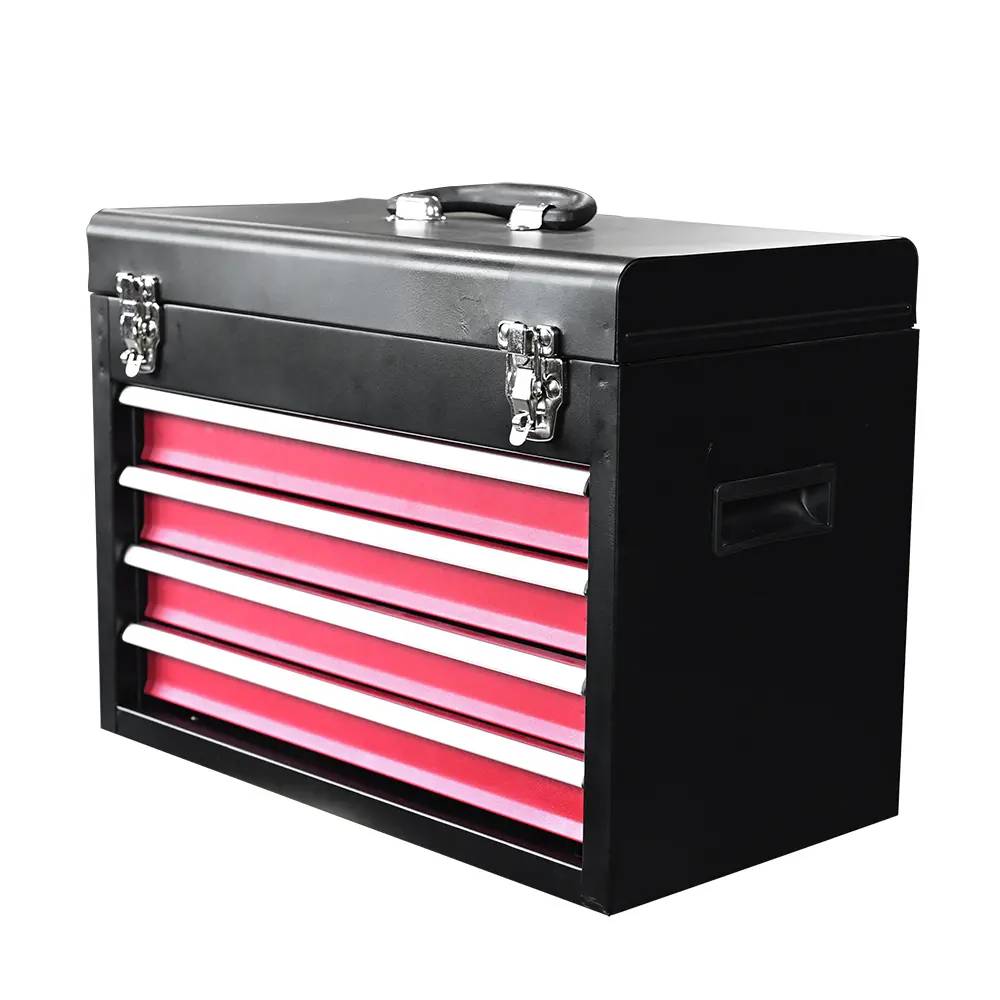
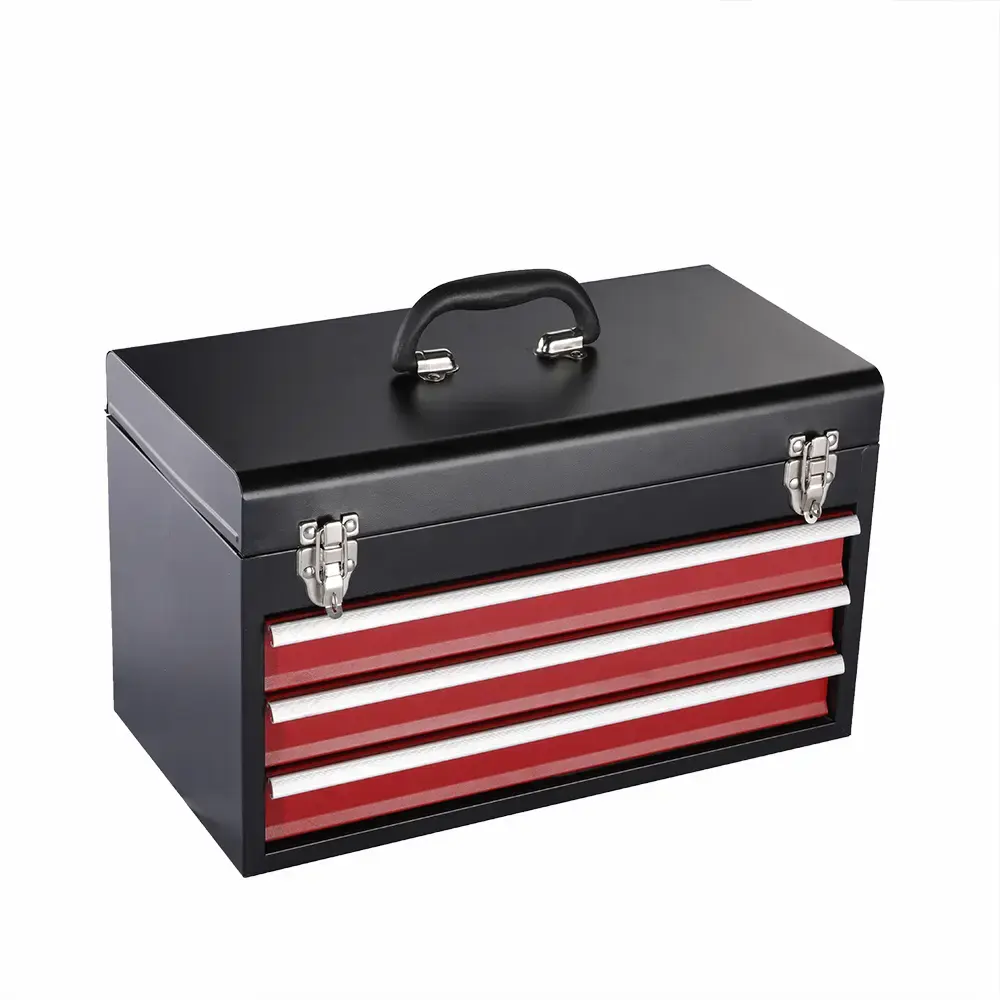

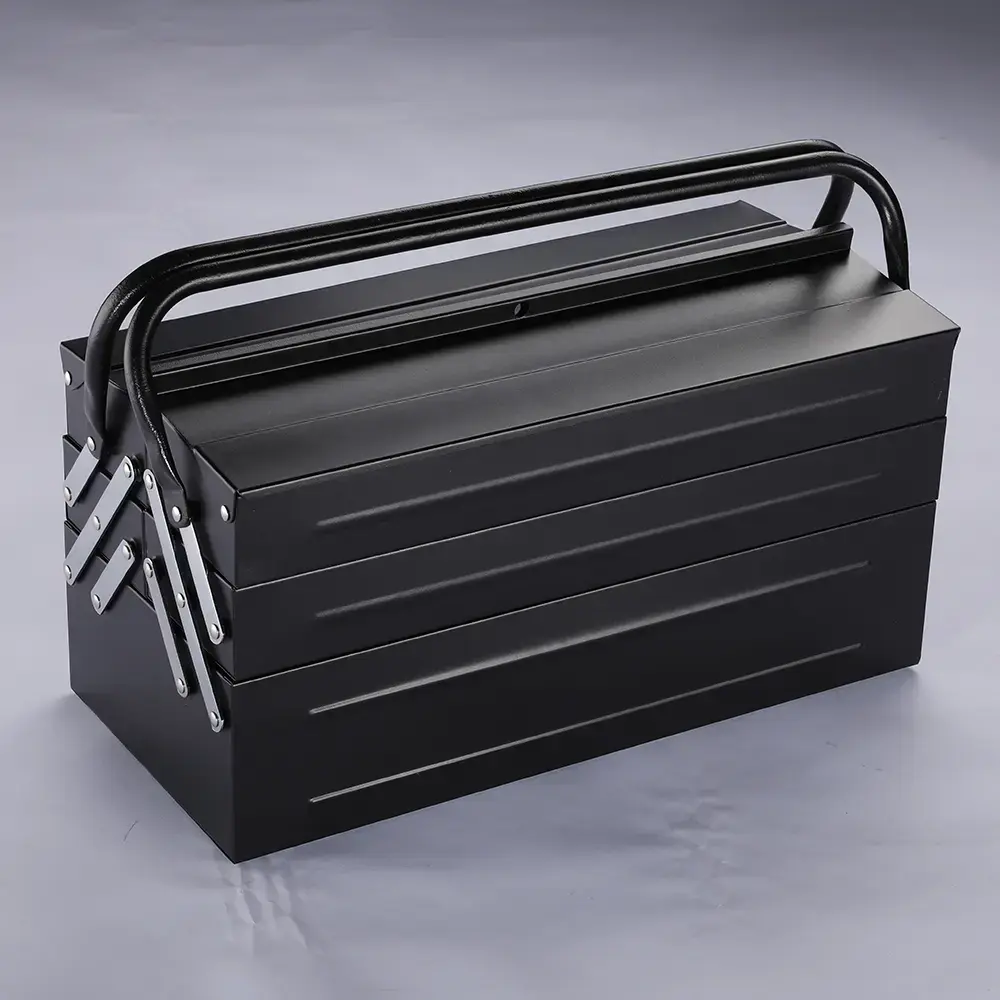
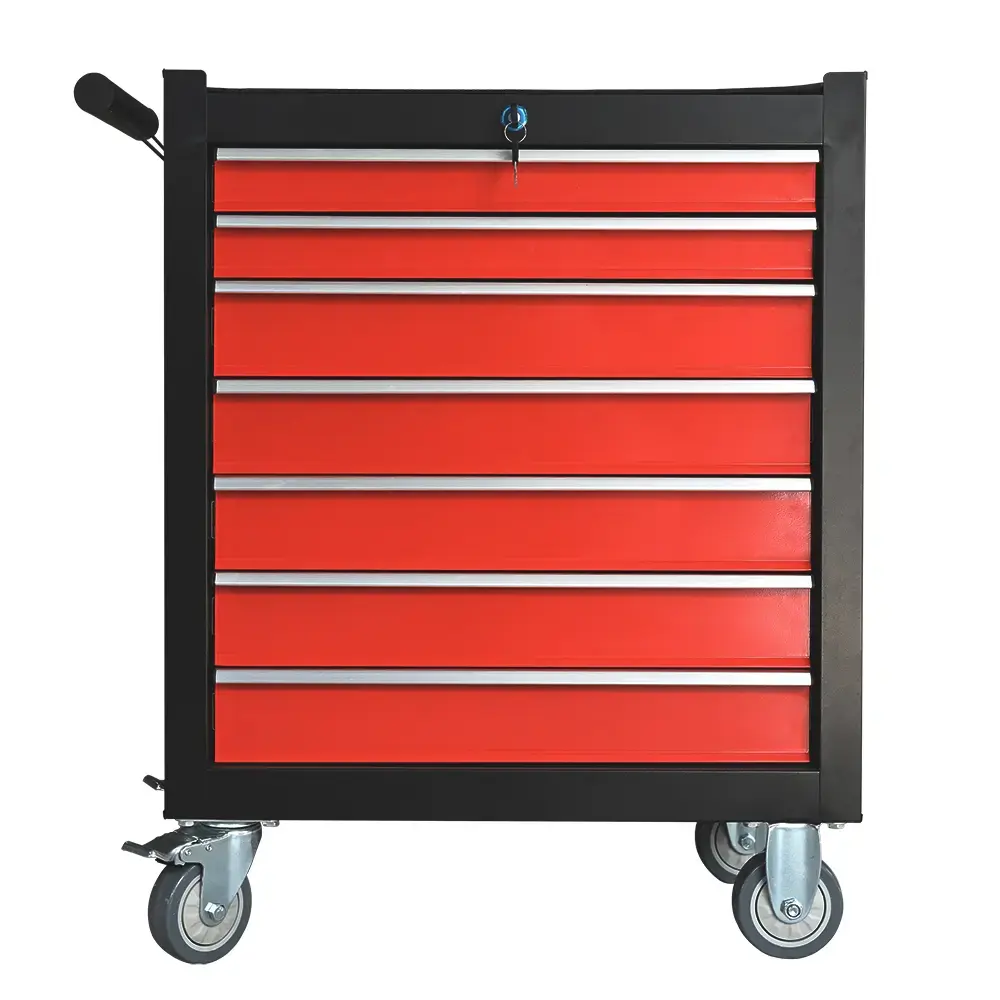


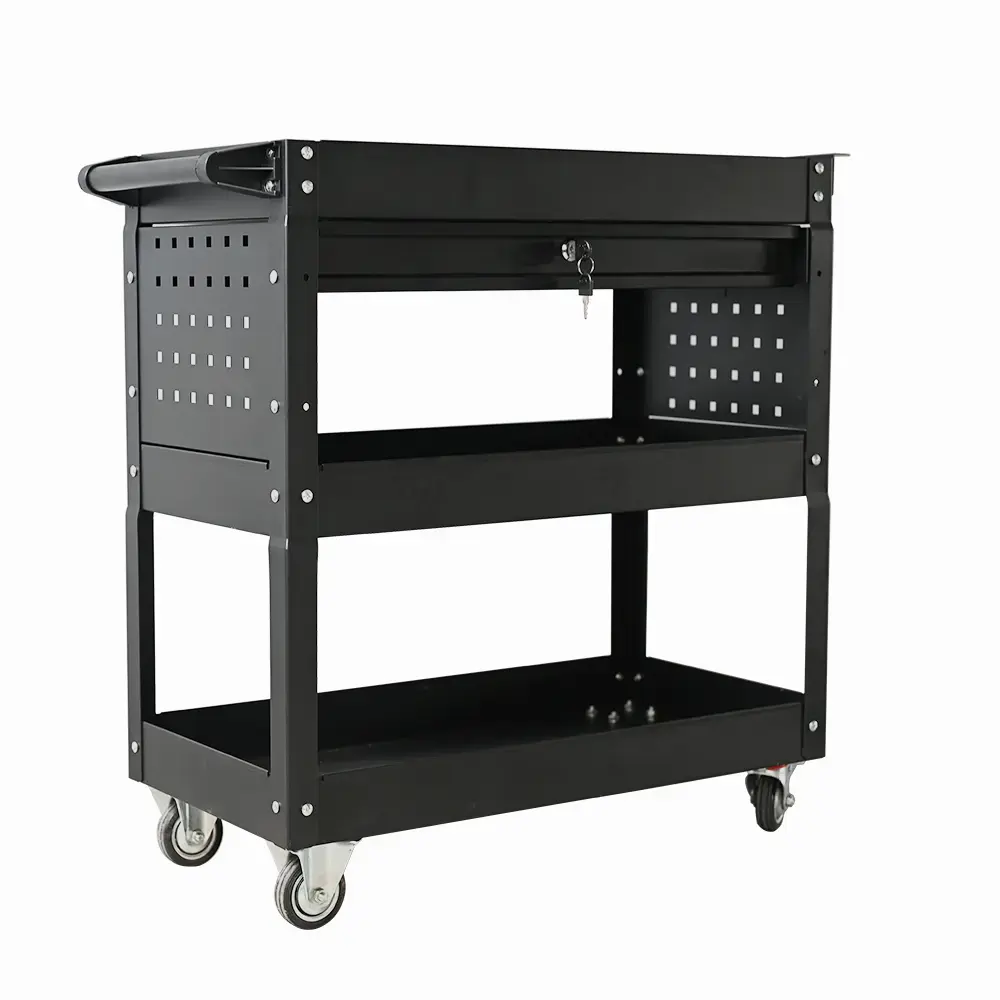

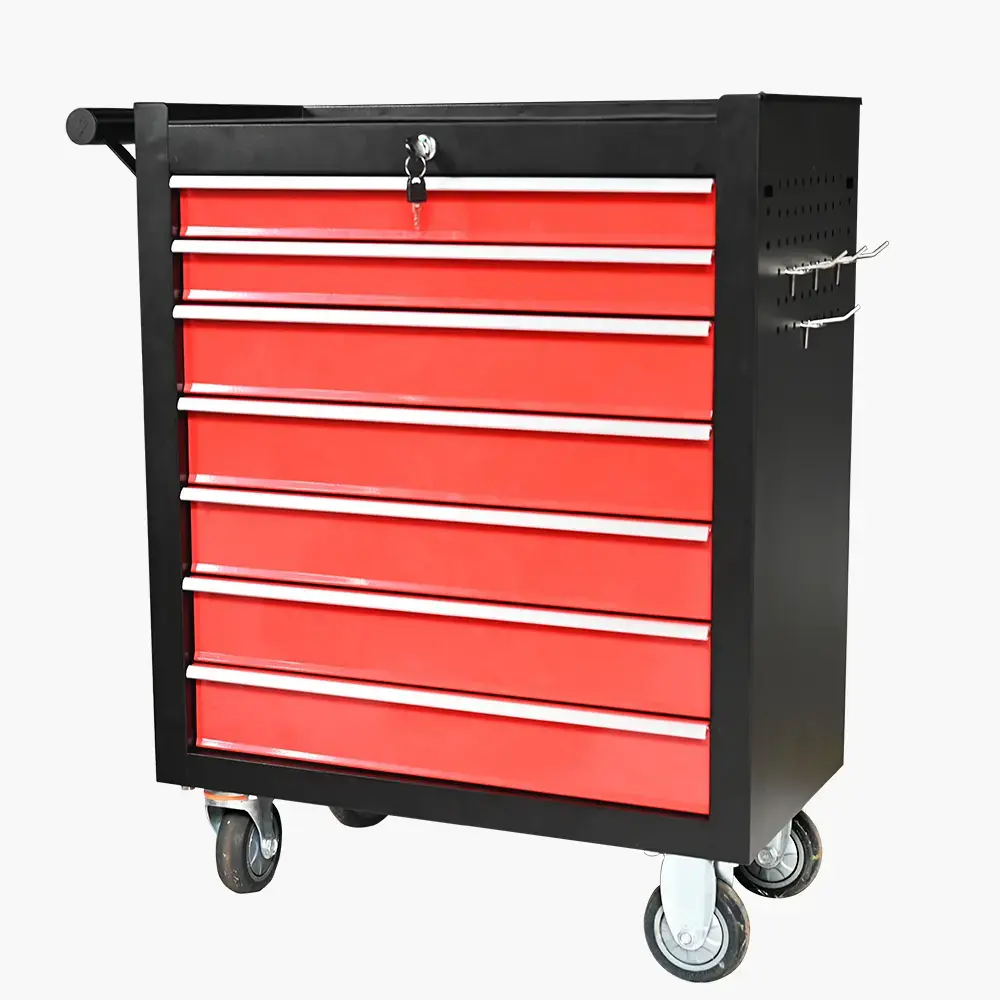
How Has Demand for Tool Cabinets Exploded in Developing Countries' Infrastructure Construction?
How Has Demand for Tool Cabinets Exploded in Developing Countries' Infrastructure Construction?
Have you ever faced this dilemma? Tools scattered and lost in warehouses, delaying construction schedules; chaotic on-site material management leading to cost overruns. In rapidly developing nations, infrastructure project efficiency directly determines success or failure. This article delves into how the infrastructure boom in emerging markets is driving the urgent need for professional tool cabinets. We also provide practical selection guidelines to help you make precise purchases, reduce costs, and boost efficiency. Let's dissect the underlying business logic together.
Why Has Tool Management Become a Bottleneck Amid Infrastructure Expansion?
Developing nations are aggressively advancing infrastructure projects. Railways, power plants, and ports are springing up everywhere. Yet project management capabilities often lag behind construction speeds.
Chaotic tool management is a widespread pain point. Screwdrivers and wrenches lie scattered haphazardly. Precision instruments lack proper protection. This not only slows down schedules but also drives up loss costs.
Consider a national highway expansion project in Southeast Asia. Initially, lax tool management caused monthly losses exceeding 15% of the budget. After implementing a modular tool cabinet system, the loss rate dropped below 5%, and the project timeline shortened by 8%.
You might wonder: Do small-scale projects also need professional tool cabinets? The answer is a resounding yes. Systematic management, when implemented at any project scale, delivers immediate efficiency gains.
How do professional tool cabinets meet diverse scenario demands?
Infrastructure scenarios are complex and varied. Open-air construction sites, temporary warehouses, and precision installation workshops each have distinct requirements.
Construction sites demand rust-proof, impact-resistant cabinets. Storage centers prioritize high capacity and categorized management. Maintenance workshops require cabinets that balance tool access with workbench functionality.
For a solar power plant project in the Middle East, sealed dustproof tool cabinets were selected to combat sandy conditions. This effectively protected precision testing instruments and reduced equipment failure rates.
Customers often ask: Can one cabinet serve all needs? We recommend prioritizing requirements. Core, high-frequency tools should be housed in primary cabinets. Specialized or low-frequency tools can be added via modular extensions as needed. Flexible configuration is key.

Essential reading for buyers: How to evaluate a tool cabinet's long-term value?
Procurement decisions shouldn't focus solely on initial cost. Durability, expandability, and maintenance expenses are the core of long-term value.
Cabinet steel thickness and coating technology determine weather resistance. Internal structural design impacts space utilization and access efficiency. Lock and hardware quality affect long-term reliability.
A mining company in Africa once purchased low-cost cabinets to save money. Within just one year, the cabinets rusted and the casters broke, with replacement costs far exceeding the initial savings. This “lesson” proved costly.
Focus on total cost of ownership. High-quality tool cabinets can last over 10 years. Their average annual cost is significantly lower than that of low-quality products requiring frequent replacement. This is an asset worth investing in.
Localization Adaptation: Why Are Climate and Cultural Factors Critical?
High temperatures, humidity, dust, salt—developing nations face diverse climates. Tool cabinets must be locally adapted.
Coastal areas require focus on salt spray corrosion resistance. Tropical rainforests demand solutions for humidity and mold. Industrial zones need chemical contamination protection.
For a humid port project in South America, we customized cabinets with internal moisture-absorbing modules. This successfully prevented precision measuring tools from rusting due to dampness, ensuring measurement accuracy.
We're often asked: Are international brands always suitable? Not necessarily. Choosing suppliers with deep local environmental expertise and customized solutions is often more practical.

Digital Trends: How Do Tool Cabinets Integrate into Smart Construction Sites?
Tool management is also going digital. QR codes and RFID technology are becoming widespread. This enables digital tool tracking, inventory alerts, and digitalized borrowing/return processes.
Smart tool cabinets log every access. Data integrates with project management systems to analyze tool utilization rates and trigger maintenance cycle alerts.
At a large Eastern European campus construction project, an RFID-based smart tool management system reduced tool loss by 90% and boosted scheduling efficiency by 40%.
Does this imply high costs? Initial investment does increase. However, considering reduced losses and enhanced efficiency, the return on investment typically occurs within 12-18 months.
Future Outlook: What New Demands Will Infrastructure Upgrades Bring?
As infrastructure standards rise, tool management requirements will also evolve. The rise of green construction sites and prefabricated modular buildings is driving tool cabinet demand toward greater specialization and precision.
Lightweight, foldable designs suit mobile construction units. Higher load capacities and seismic resistance meet heavy equipment maintenance needs. These trends are already in planning.
Forward-thinking buyers are already focusing on product iteration compatibility. Choosing scalable, upgradeable systems allows room for future demand changes.
Frequently Asked Questions (FAQ)
Q1: When budgets are limited, which tool cabinet features should be prioritized?
Prioritize core requirements: sufficient load capacity, basic corrosion resistance, and reasonable space division. Lock security is also critical. Address the most pressing management pain points first, then gradually expand the system later.
Q2: How can I determine the reliability of a tool cabinet's steel and coating quality?
Conduct on-site inspections or request samples. Check if the steel cross-section is uniform and listen for a solid, dull sound when tapped. Test coating adhesion by lightly scratching with a hard object. Additionally, require suppliers to provide material reports and coating thickness test data.
Q3: Our project sites are dispersed, requiring frequent tool cabinet relocation. What recommendations do you have?
Opt for modular designs that facilitate easy disassembly and reassembly. Consider heavy-duty casters (preferably with brakes) and ensure structural stability during movement. Some models feature lifting points for efficient forklift or crane handling.
Meta Description: Explore how infrastructure development in emerging economies is driving robust demand for professional tool cabinets. This article analyzes real management pain points in construction projects, offering a comprehensive procurement guide—from scenario adaptation and value assessment to smart upgrades—empowering B2B clients to make informed decisions while boosting project efficiency and cost control. Read now for industry insights.
Keywords: tool cabinet demand, infrastructure tool management, industrial tool cabinet procurement, rust-proof tool cabinets, smart Tool Storage