Leave Your Message




0102030405
In-Depth Analysis of Tool Cart Bulk Purchase Pricing & Cost Control Strategies
2026-05-06
In the deployment, installation, and after-sales maintenance network of smart homes, tool carts play an indispensable role. They are not just mobile storage spaces, but also the cornerstone of on-site engineers’ efficiency, professional image, and on-site management. For smart home solution providers, system integrators, and service operators targeting the B2B market, bulk purchasing tool carts for teams is a strategic decision that directly impacts operational efficiency, brand image, and long-term profitability.
However, the decision to bulk purchase tool carts goes far beyond comparing "unit prices". True cost control is a systematic management process that runs through the entire lifecycle from procurement, use, maintenance to disposal. This article provides you with a detailed procurement and cost control strategy framework, helping you go beyond simple price negotiations and make the most sensible investment decisions from the perspective of Total Cost of Ownership (TCO).
Step 1: Decode Tool Cart Quotes – Understand the Five Core Elements of Price Composition
When you receive quotes from different suppliers, the apparent numerical differences reflect the combination of materials, craftsmanship, and design. Understanding these components is the first step in negotiating and controlling costs.
Material Costs: Quality and Thickness of Steel
Main Material: Mainstream options include cold-rolled steel, hot-rolled steel, and aluminum alloy. Cold-rolled steel, with its smooth surface and precise dimensions, is a common choice for high-quality Tool Cabinets; hot-rolled steel is slightly lower in cost but may require additional surface treatment; aluminum alloy is lightweight and corrosion-resistant but the most expensive. The thickness of the steel (usually marked in "GA" or millimeters) directly determines the impact resistance and load-bearing capacity of the cart body. During procurement, specify the exact thickness of key parts (such as the bottom plate, drawer panel, and side panels).
Coating Process: Powder coating is the industry standard, and its quality depends on pre-treatment (such as phosphating), powder quality, and curing process. Excellent coating provides superior corrosion and scratch resistance, significantly extending the service life of tool carts in various installation environments (such as dust in newly decorated houses and moisture in basements).

Structure and Craftsmanship Costs: Value Hidden in Details
Load-Bearing Structure: The load-bearing level of drawer slides (e.g., 45kg, 100kg) and the overall static/dynamic load-bearing capacity of the cabinet are price dividing lines. Heavy-duty full-extension slides cost much more than ordinary slides.
Manufacturing Process: Is the cabinet formed by one-piece bending or multi-component welding? Do the drawers adopt a fully enclosed anti-falling design? These processes affect structural strength, safety (preventing tools from falling), and smoothness during long-term use.
Safety and Locking System: Is it an independent lock for each drawer, or a more efficient main lock linking all drawers to lock? The material and anti-theft level of the lock also affect the cost.
Function and Accessory Costs: Paying for Efficiency
Standard Functions: Such as adjustable shelves, rubber top plates, power cord management holes, and safety drawer stops.
Upgrade Options: Tool hanging panels, parts dividers, mobile device brackets, LED work lights, etc. During bulk purchase, consider which are the "efficiency multipliers" necessary for the team and which can be added as optional accessories later as needed.
Operational and Compliance Costs: Indirect but Critical
Certification and Testing: Has the product passed relevant safety and load-bearing standard tests (such as ANSI/BIFMA, or GS mark in Europe)? This is not only a safety guarantee but also reduces potential accident risks and liability costs.
Minimum Order Quantity (MOQ) and Customization: The MOQ for standard models is usually low with the best price. If customization of color, logo, or special layout is required, it will increase the costs of mold opening, sampling, and batch production, and the MOQ will also increase accordingly.
Logistics and Supply Chain Costs: Unignorable Variables
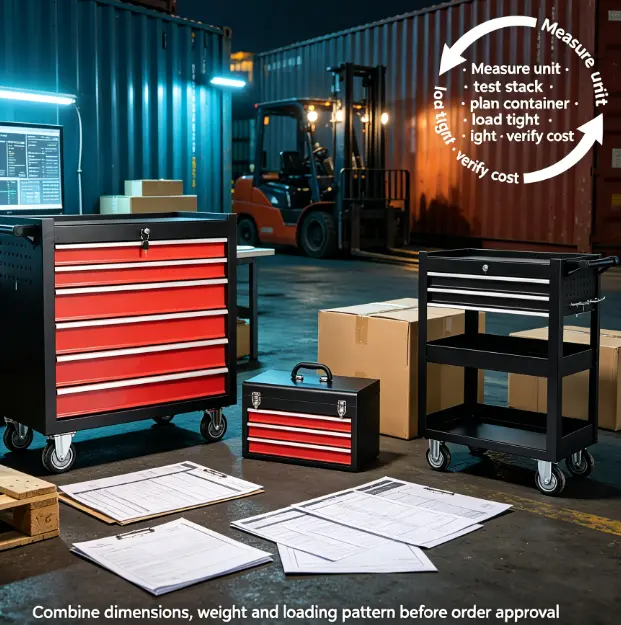
Packaging: Cost of moisture-proof and anti-collision packaging suitable for sea transportation.
Delivery Time: A stable supply chain and reasonable delivery time help you plan inventory and avoid on-site operation stagnation due to stockouts, which is an invisible "stockout cost".

Step 2: Beyond Unit Price – Calculate the "Total Cost of Ownership" of Tool Carts
A sensible procurement decision should be based on Total Cost of Ownership (TCO), not just the purchase price. TCO includes:
Procurement Costs
Product unit price, taxes, import duties, and logistics fees.
Usage and Maintenance Costs
Repair Rate: Low-quality tool carts have slides that are prone to damage, locks that are prone to failure, and wheels that are prone to wear, leading to frequent repairs or premature scrapping, resulting in additional parts and labor costs.
Usage Efficiency: A reasonably designed tool cart can reduce the time engineers spend looking for tools. Saving 15 minutes a day, for a team of 100 people, the accumulated working hours saved in a year are considerable.
Brand Image: A professional and tidy tool cart can enhance the customer’s first impression of the service team, indirectly supporting brand premium and customer trust.
Lifecycle and Residual Value
The service life of a high-quality tool cart may be 2-3 times that of ordinary products. Financially, its annual depreciation cost may be lower. At the end of its service life, the sturdy metal frame may still have recycling value.

Step 3: Selection Strategy for Smart Home Scenarios – Match Needs and Eliminate Waste
Your specific application scenario is the fundamental basis for selection, avoiding paying for unused functions.
New Installation Deployment Teams
Needs: Need to carry electric drills, impact drills, conduit cutters, various measuring instruments, and a large number of consumables (screws, cable clips, terminals). Tools are heavy, and the on-site environment is complex (dust, debris).
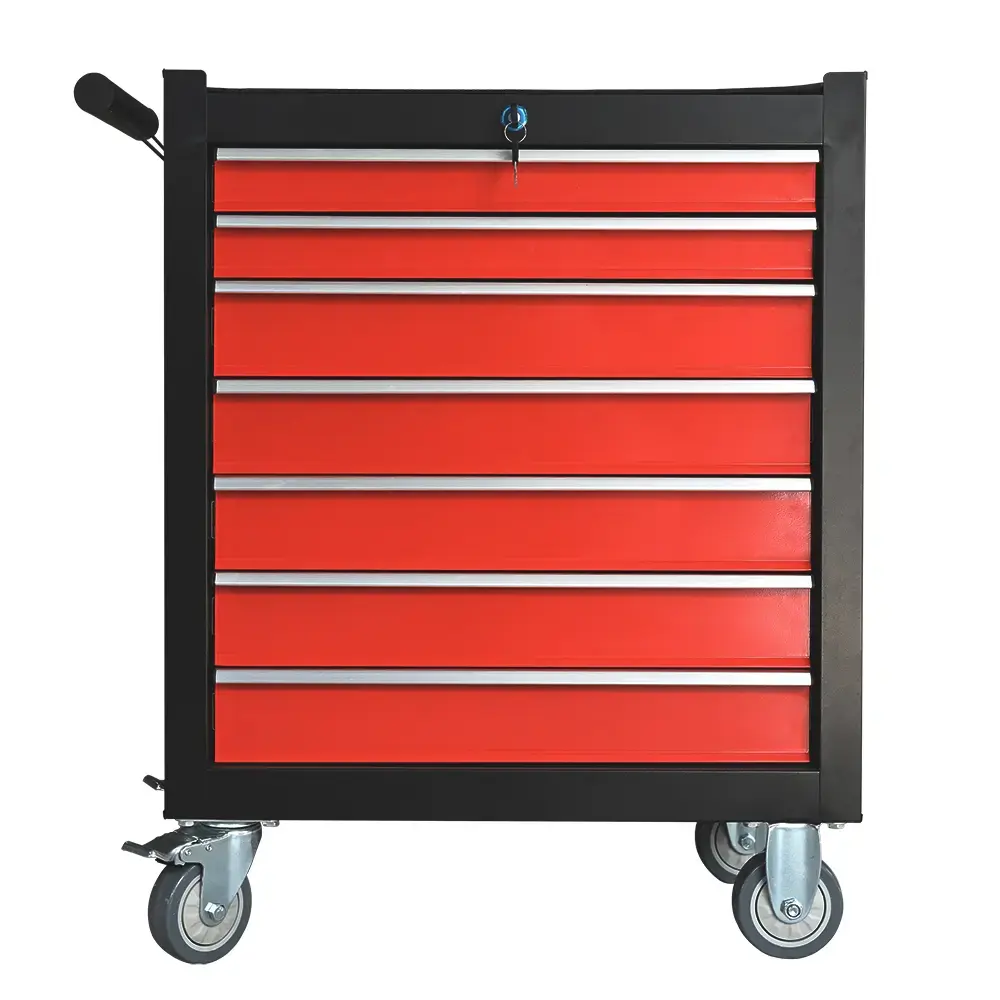
Selection Focus: Heavy-duty tool carts with high-load-bearing drawers and overall structure, large-diameter wear-resistant swivel wheels (at least two with brakes), and excellent dust-proof sealing design. Emphasize load-bearing capacity and durability.
Configuration and Commissioning Teams
Needs: Carry precision commissioning equipment (such as network analyzers, smart central control debugging terminals), various screwdriver sets, label printers, optical fiber fusion splicers, etc. Tools are precision and require shockproof and orderly storage.
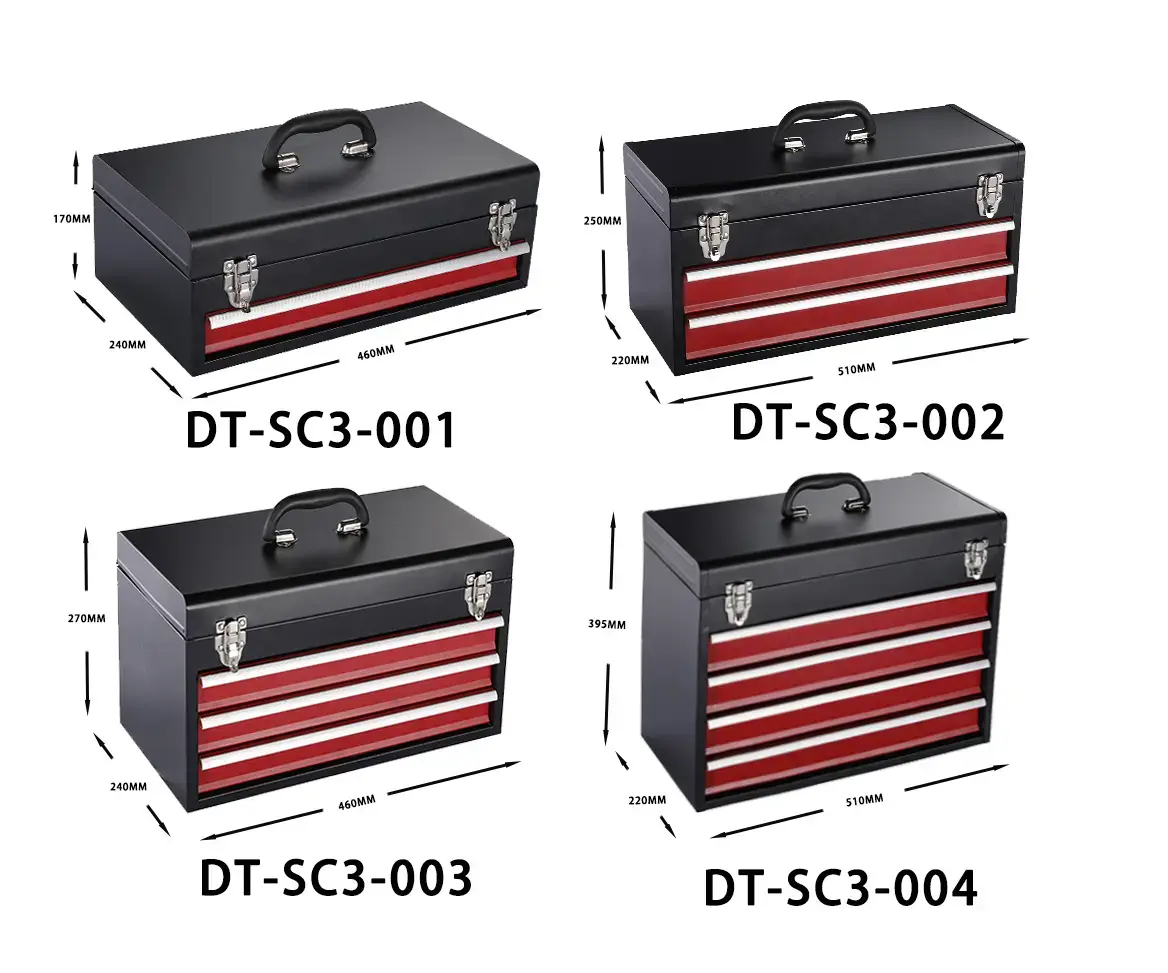
Selection Focus: Medium-sized multi-functional tool carts equipped with drawers with soft liners, dedicated equipment compartments, good cable management functions, and integrated power extension strips. Emphasize fine storage and equipment protection.
After-Sales Maintenance Teams
Needs: Quick response, carrying common spare parts (smart lock motors, sensors, gateway modules), basic Hand Tools, and diagnostic equipment. Frequent movement requires quick access.
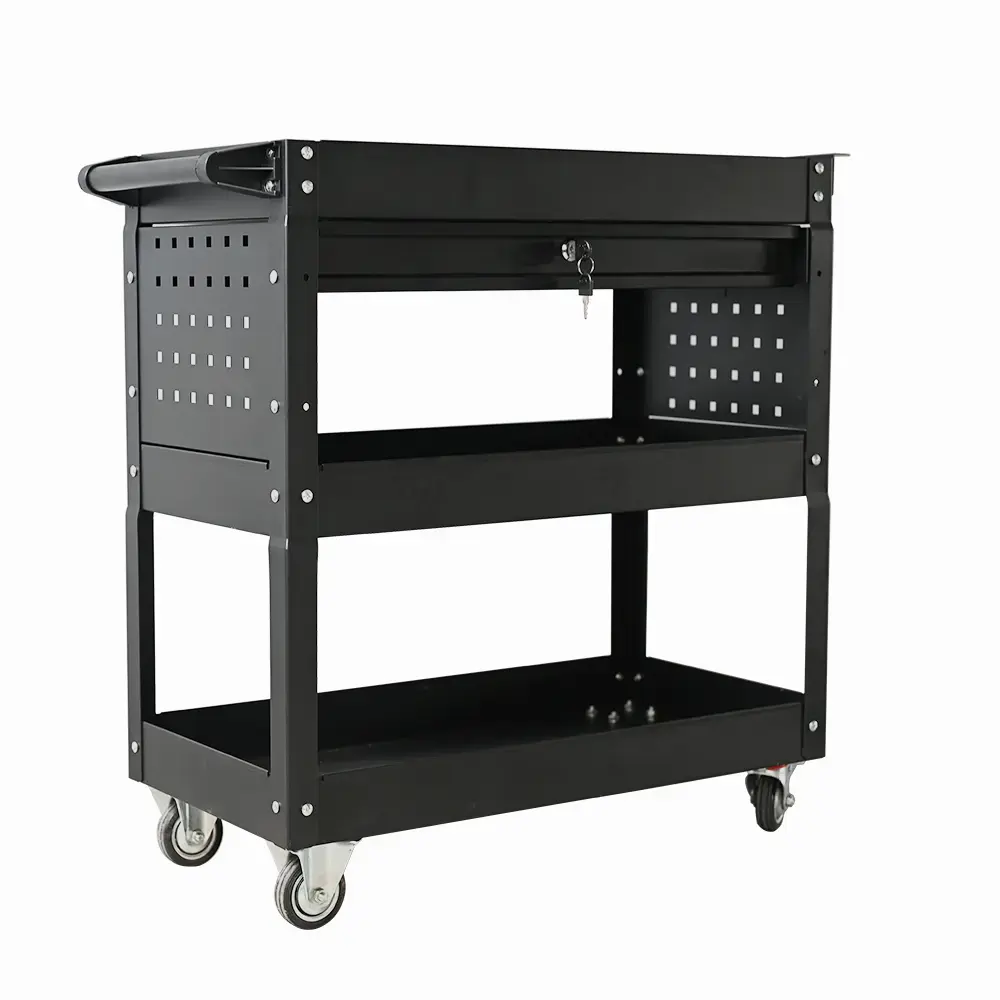
Selection Focus: Compact service trolleys with an open tray on the upper layer for common parts and locked drawers on the lower layer. Emphasize portability, flexibility, and quick access.
Step 4: Practical Skills for Bulk Purchase Negotiation and Cost Control
Needs Integration and Standardization: Promote 1-2 standard models within the company to significantly increase the single purchase volume and enhance bargaining power. Select the most suitable standard models for different teams (deployment, commissioning, maintenance).
Long-Term Framework Agreement: Sign an annual procurement agreement with a reliable supplier to lock in competitive prices and delivery priorities, in exchange for the supplier’s better production planning and inventory support.
Value Engineering Analysis: Cooperate with the supplier’s engineers to review whether there is room to reduce costs through material or design optimization without affecting core functions and safety. For example, using a slightly thinner specification for non-load-bearing side panels.
Phased Procurement and Inventory Management: Establish safety stock for core standard tool carts, and adopt a "Just-in-Time" model to purchase project-specific or customized models to reduce inventory capital occupation.
Evaluate Supplier Comprehensive Capabilities: Choose a supplier capable of providing unified brand logo spraying and flexible customized drawer layouts. Although this may increase the unit cost, the professional value brought by a unified brand image far exceeds the expenditure.
Conclusion
Bulk purchasing tool carts for your smart home service team is essentially an investment in their productivity, professionalism, and job satisfaction. The "cheapest" option is often the most costly in the long run.
By deeply deconstructing the price composition, evaluating from the perspective of Total Cost of Ownership, and making precise selection closely combined with your specific operation scenarios, you will be able to make the most cost-effective procurement decisions. Establishing a strategic cooperative relationship with a tool cart manufacturer that understands the needs of the smart home industry, has stable quality control, and flexible service capabilities will lay a solid hardware foundation for you to build an efficient, reliable, and highly professional on-site service network. This investment will be rewarded with higher customer satisfaction, lower operational losses, and stronger brand equity.