
Leave Your Message



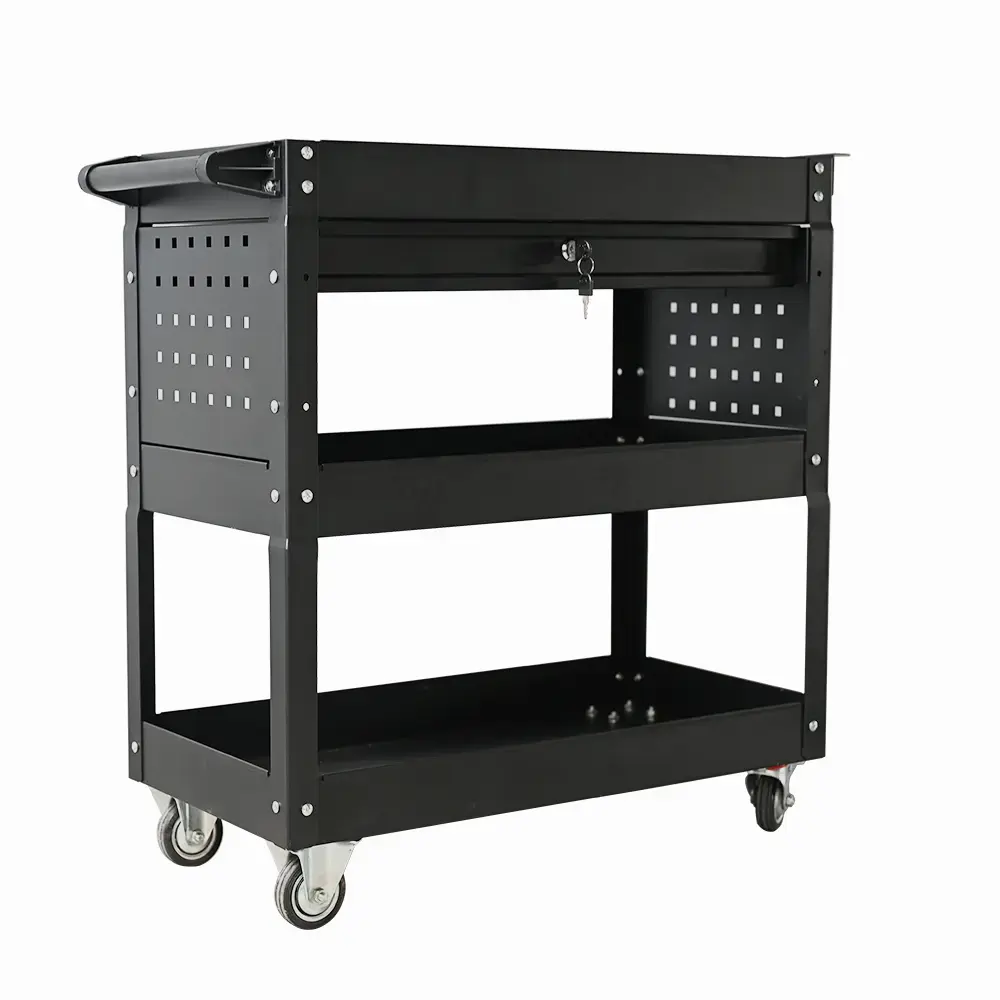

0102030405
Lightweight Mobile Tool Cabinets: Easy for Women to Move & Boost Workshop Productivity — A Buyer’s Guide
2026-03-19
Lightweight Mobile Tool Cabinets: Easy for Women to Move & Boost Workshop Productivity — A Buyer’s Guide
In the daily operation of workshops or warehouses, does moving tools and materials always require a lot of physical effort? Many senior buyers and factory managers may default that moving heavy Tool Cabinets is inherently "physical work", usually undertaken by male employees. But with the growing global emphasis on ergonomics and workforce diversity in the manufacturing industry, a new demand is emerging: is there a tool storage solution that is both sturdy and durable, and allows all employees — regardless of gender — to rearrange the workspace easily and safely?
This is not just about "reducing weight", but about improving tool mobility, optimizing workflows, and creating a more inclusive and efficient modern working environment. The design concept of lightweight mobile tool cabinets is precisely to solve this core pain point. By adopting new high-strength but lighter materials and structural designs, these cabinets significantly lower the threshold for movement while maintaining load-bearing capacity.
Understanding the operating habits and physical limitations of different employees is crucial for optimizing workplace logistics. A small push may mean the convenience of rearranging production lines or clearing aisles. Exploring these lightweight designs can actually help you discover new ways to enhance the overall productivity of your team.
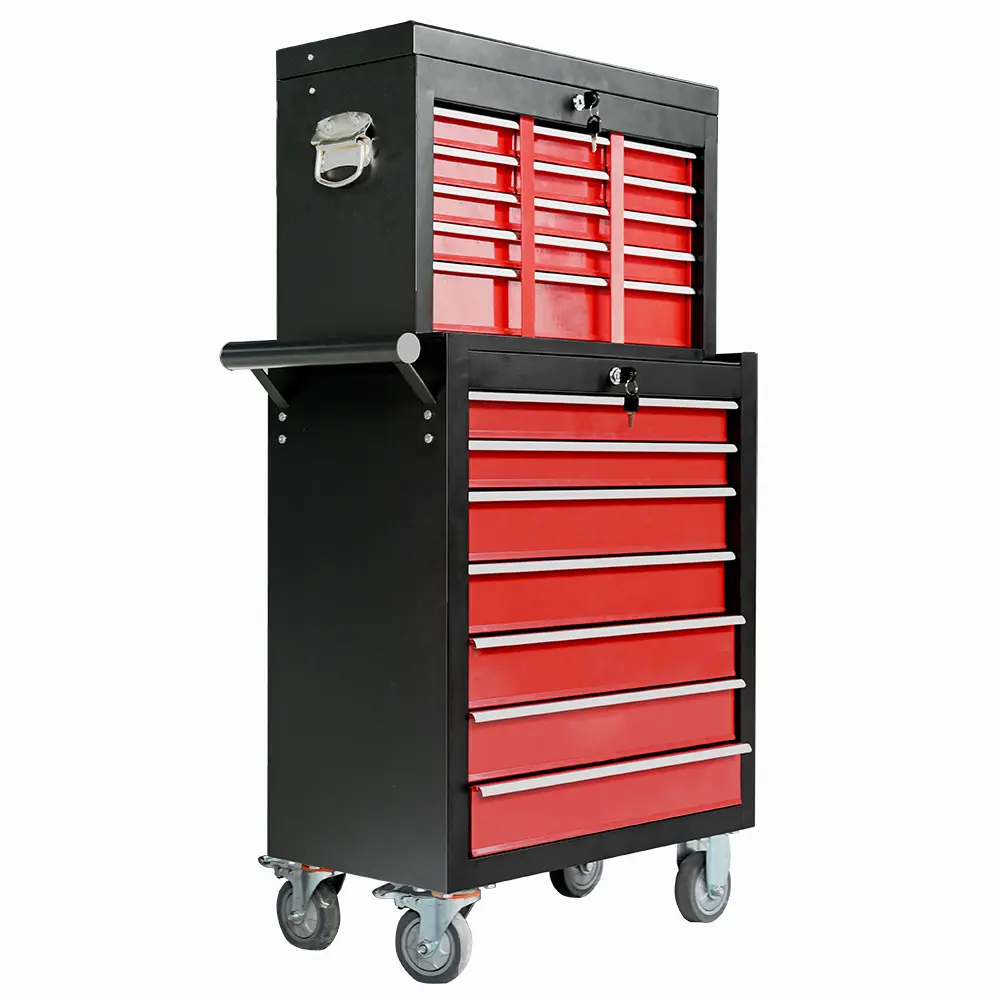
Understanding the Core of Lightweight Tool Cabinet Design
Understanding the core of lightweight tool cabinet design is the foundation for realizing its handling advantages. It is not a simple "cutting corners", but a comprehensive optimization involving materials science, structural mechanics, and ergonomics. First, the application of new materials such as high-strength steel or aluminum alloy composite panels can greatly reduce self-weight while ensuring the rigidity of the cabinet body.
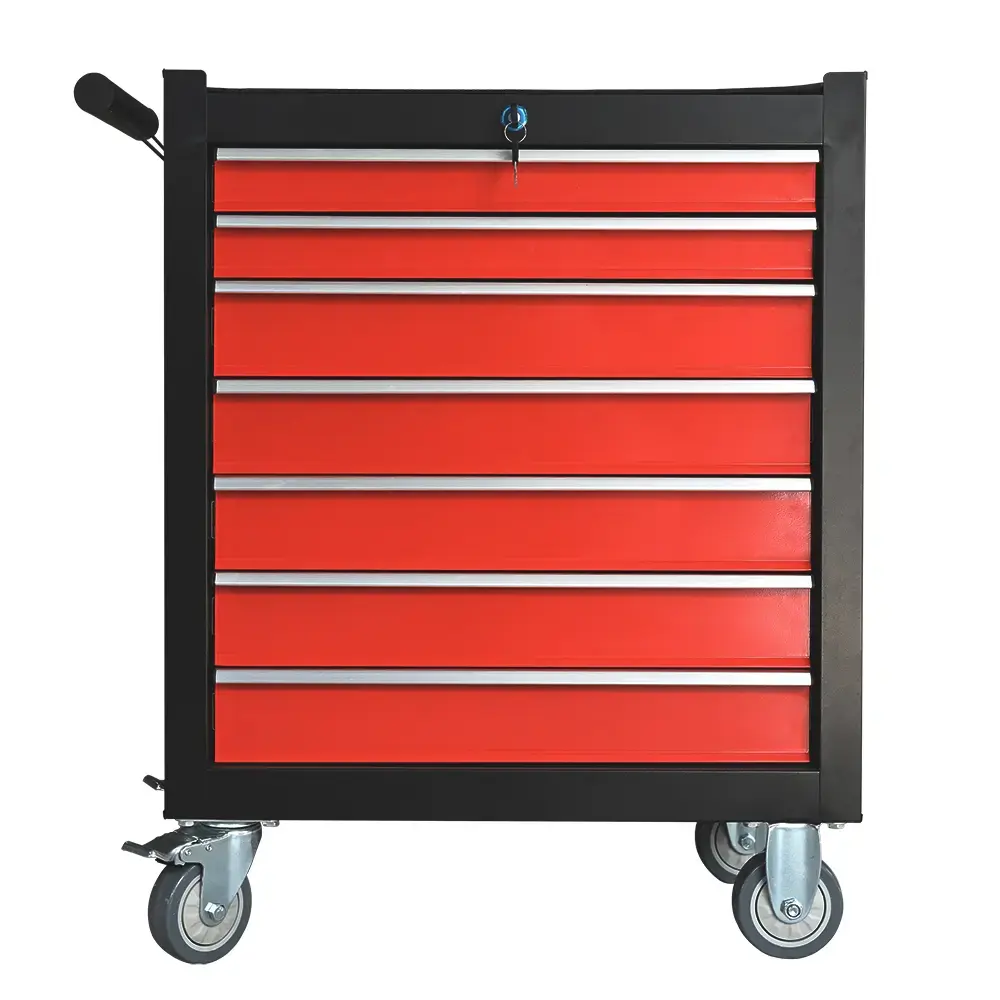
Second, the key moving components — industrial casters — play a decisive role. High-load casters specially designed for lightweight applications are usually equipped with precision ball bearings and low-resistance rubber or polyurethane tires, making the starting thrust and rolling resistance extremely small even when the cabinet is fully loaded.
When evaluating aportable tool cabinet, be sure to pay attention to the load-bearing capacity and smoothness of its drawer slides. Full-extension slides allow internal tools to be seen at a glance, reducing search time. At the same time, the anti-slip rubber mat on the top or the integrated workbench surface design also considers the convenience of operation. Remember, these details together form the complete experience of "easy movement". Do not hesitate to personally test the pushing feeling under different loads, because even small differences in resistance will be amplified during frequent daily movements.
Exploring Mobility Convenience in Different Work Scenarios
When exploring the applicability of lightweight mobile tool cabinets in different work scenarios, it is crucial to understand how they specifically improve operational efficiency. In auto repair workshops, technicians need to frequently take special tools between different workstations. A traditional bulky cabinet may become an obstacle, while the lightweight design combined with flexible swivel casters allows any technician, including female technicians, to pull it to the required position with one hand. This instant responsiveness directly translates into faster service turnover time.
Another typical scenario is cleanrooms or electronic assembly lines. These areas have strict requirements on floor pressure and are usually staffed by employees of different genders. Due to their lighter self-weight, lightweight tool cabinets exert less pressure on the floor, reducing floor wear. At the same time, their easy-to-maneuver characteristics allow employees to accurately position them in narrow aisles, avoiding the potential risk of colliding with precision equipment due to strenuous pushing and pulling. Ease of operation here is not only about comfort, but also about safety and precision.
Choosing the right mobile solution requires balancing load-bearing capacity and movement smoothness. The following is a simple comparison table for your reference when selecting products:
| Tool Cabinet Type | Typical Empty Weight | Approximate Full-Load Moving Thrust | Best Applicable Scenarios | Ergonomic Advantages |
|---|---|---|---|---|
| Traditional Heavy-Duty Tool Cabinet | 80-120 kg | Requires great force (> 20 kg) | Fixed workstations, rarely moved | Low, usually requires multi-person collaboration |
| Standard Mobile Tool Cabinet | 50-80 kg | Medium force (10-20 kg) | Occasional short-distance movement in the workshop | Average, operable by most employees |
| Lightweight Mobile Tool Cabinet | 30-50 kg | Easy to push (< 10 kg) | Shared multi-workstations, frequent movement required | Excellent, easy to operate by almost everyone |
The Decisive Impact of the Mobile System on Operational Experience
The mobile system of the tool cabinet, namely the design of casters and handles, plays a decisive role in the final "easy movement" experience. The value of a well-designed industrial caster is often underestimated. It not only has to bear huge vertical loads but also cope with complex stresses generated during starting, steering, and braking. For the goal of "easy to move even for women", the starting resistance of the casters is a key indicator.
Heavy-duty casters with a double ball disc track design can ensure flexible and light steering even under high loads. At the same time, the material of the casters is also crucial. Polyurethane wheel surfaces can not only provide good elasticity to absorb vibration and protect the floor but also have excellent wear resistance, adapting to various complex workshop environments. When purchasing tool cabinets for your team, try pushing a fully loaded sample yourself to feel the smoothness of starting and steering.
In addition, the engineering design of the handle cannot be ignored. An ergonomic handle should have a height and shape that can adapt to operators of different heights, allowing more natural force application. Some high-end models even come with ergonomic inclined handles, which can effectively reduce wrist bending during pushing and pulling, thereby reducing the risk of musculoskeletal strain. These detailed designs together form a more user-friendly interface for female employees and all employees.
Material Innovation: The Perfect Balance Between Lightweight and High Strength
The core of achieving lightweight tool cabinets without sacrificing durability lies in the innovative application of materials science. Traditional tool cabinets mostly use cold-rolled steel sheets, which are strong enough but have a large self-weight. Modern lightweight designs have begun to introduce high-strength steel, aluminum-magnesium alloys, and even engineering plastic composites.
For example, using steel with higher yield strength can directly reduce the weight of the cabinet body by using thinner sheets while ensuring the same or even higher structural strength. Some brands try to use aviation-grade aluminum alloys or reinforced composites on non-main load-bearing components such as drawer panels or side panels to further reduce weight. This requires manufacturers to have advanced sheet metal processing technology and structural optimization capabilities to ensure that weight reduction does not reduce quality.
Improving Workplace Diversity and Inclusion
In modern enterprise management, creating an inclusive and diverse working environment has become a consensus, and the ease of use of tools and equipment is an easily overlooked part. Introducing lightweight tool cabinets that are easy for women to move is not only providing a useful tool but also a kind of respect and support for employees with different abilities in the team.
This support will directly translate into employees’ sense of belonging and work enthusiasm. When female employees or employees with relatively weak physical strength no longer need to ask others for help when moving heavy objects, their work autonomy and efficiency will naturally be improved. From a more macro perspective, this helps enterprises break the physical barriers of certain positions, allowing talent allocation to be more based on skills rather than physical strength, thereby building a more dynamic and competitive team. For international buyers who pay attention to Corporate Social Responsibility (CSR), this is undoubtedly a plus worth considering.

Maintenance and Long-Term Value of Lightweight Tool Cabinets
The long-term value of any industrial equipment is inseparable from the convenience of its maintenance. Lightweight mobile tool cabinets are usually designed with this in mind. For example, high-quality industrial casters usually adopt a modular design. When the wheels are worn to the limit, the wheels or bearings can be easily replaced individually without discarding the entire caster. This not only reduces maintenance costs but also reduces equipment downtime.
Similarly, as high-frequency use components, the durability of drawer slides is crucial. Choosing high-quality slides with self-resetting function or damping buffer can significantly improve the user experience and extend the service life. In daily maintenance, simply clean the foreign objects on the slides and casters regularly, and add lubricant in a timely manner to ensure that they maintain the excellent performance of "easy movement" for a long time.
Selection Guide: Key Parameters and Procurement Considerations
For professional buyers, selecting the right lightweight tool cabinets for the team requires focusing on a series of technical parameters and certifications, not just the appearance. Here are several key considerations:
- Single Drawer Rated Load Capacity: This determines how heavy tools and parts the tool cabinet can store. Usually, it is required to be above 50kg.
- Cabinet Overall Rated Load Capacity: The total weight when all drawers are fully loaded, which is the core indicator of structural strength.
- Caster Performance Parameters: Including caster material (polyurethane, rubber, etc.), single caster load-bearing, bearing type (ball bearings are better than ordinary bearings), and whether it has brakes.
- Surface Treatment Process: High-quality electrostatic powder coating process can provide stronger rust and corrosion resistance, adapting to harsh workshop environments.
- Safety Certifications: Compliance with EU CE certification or US UL standards is an important basis for measuring product safety.
When evaluating suppliers, in addition to requesting product catalogs and specifications, it is recommended to ask for samples for on-site testing. Let employees of different body types personally experience the feeling of moving, steering, and braking when fully loaded. This is the most direct and effective way to verify the commitment of "easy to move even for women". Be sure to carefully check the product warranty terms. Regular manufacturers usually provide a 5-10 year warranty for the cabinet body and a 1-3 year warranty for moving parts such as slides and casters.
Conclusion
Centering on the theme of "Handling Advantages of Lightweight Tool Cabinets: Design Easy for Women to Move", we have explored its underlying design philosophy, technical core, and profound value for modern workplaces. From understanding the material and structural innovations of lightweight design, to analyzing the decisive impact of industrial casters and handles on operational experience, and then examining their role in improving workplace inclusiveness and maintenance convenience, we can clearly see that such products are far more than just a storage unit.
It represents an advanced productivity tool that is people-oriented and pursues efficiency and equality. By optimizing the movement experience, it helps various enterprises break physical limitations, empower every employee, and ultimately achieve the flexibility of work processes and the leap of overall productivity. For international buyers who are looking for the next generation of workshop logistics solutions, taking "mobility" and "ergonomics" as core procurement standards is undoubtedly a wise and foresighted choice.

#lightweight tool cabinet #mobile tool cabinet #portable tool cabinet #industrial casters #tool cart #workshop storage #ergonomic design #women-friendly tools #mobile storage solutions #high-load casters