
Leave Your Message




Maintenance and care of tool storage cabinets: Practical tips for extending their service life
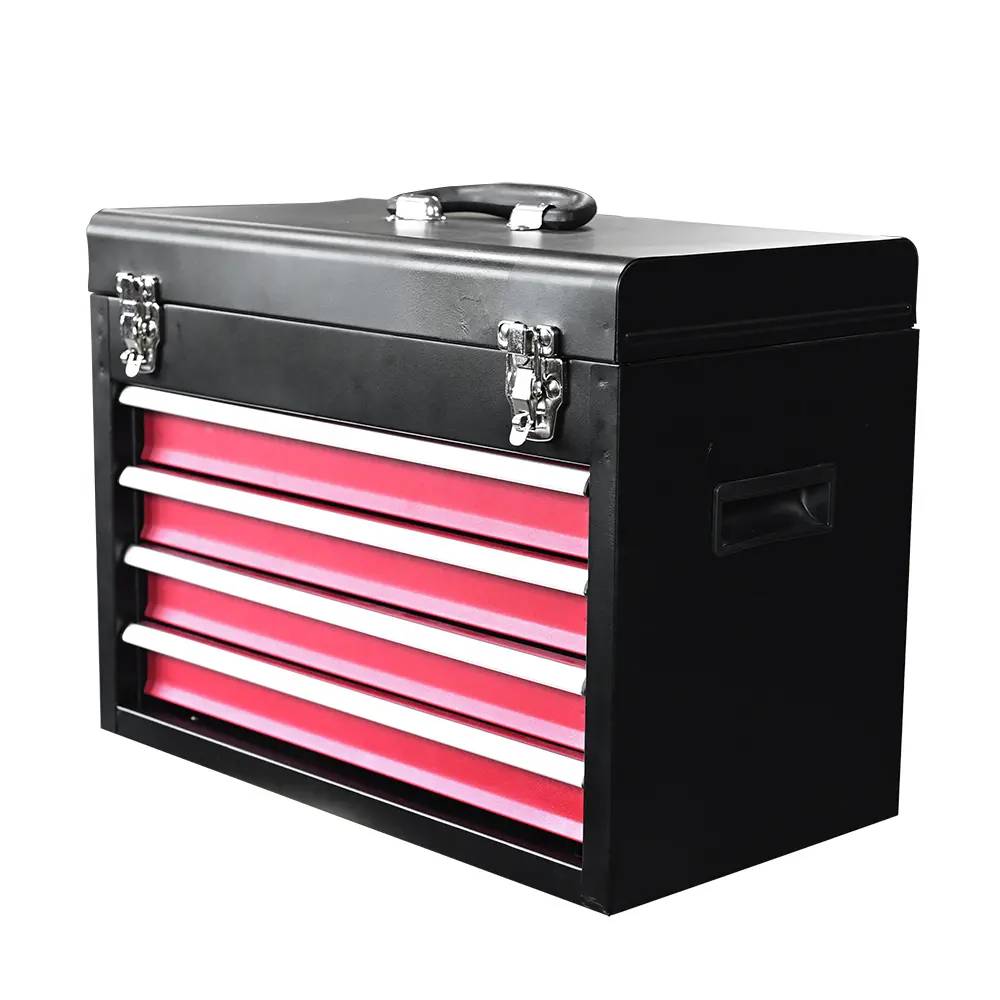
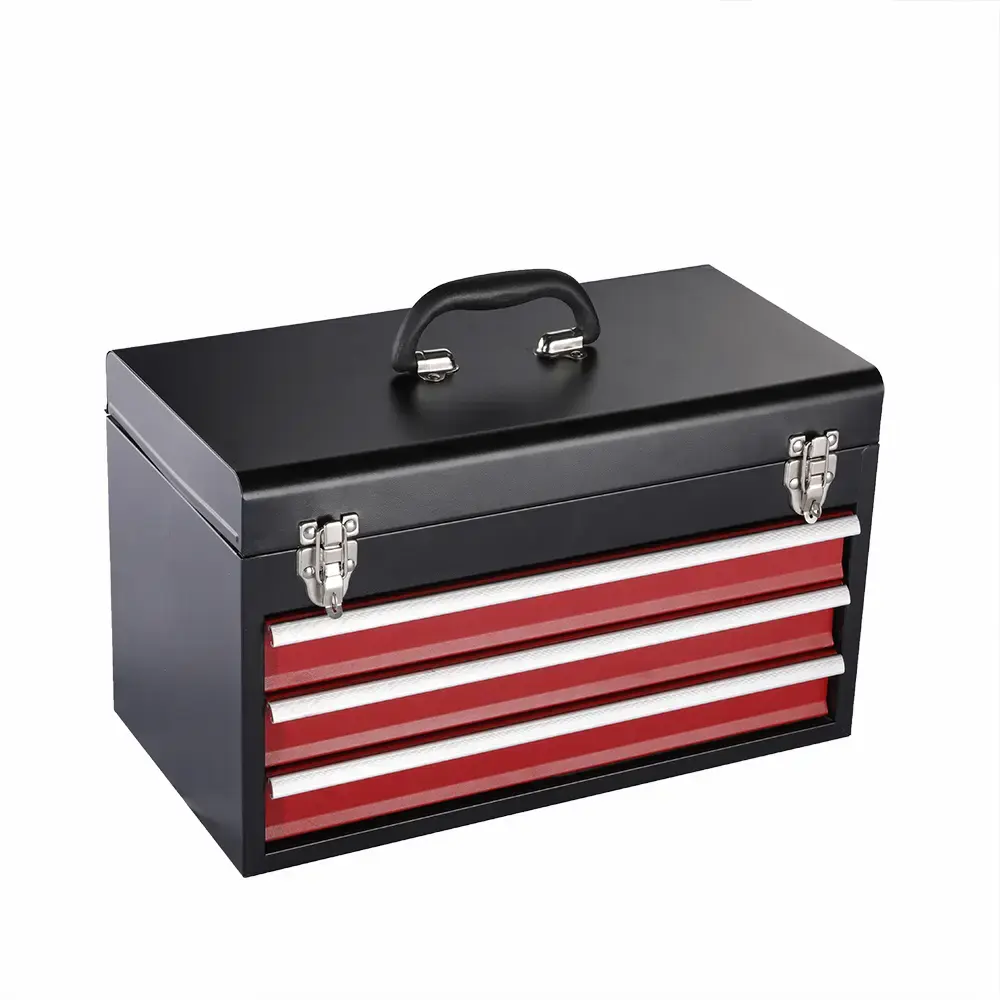
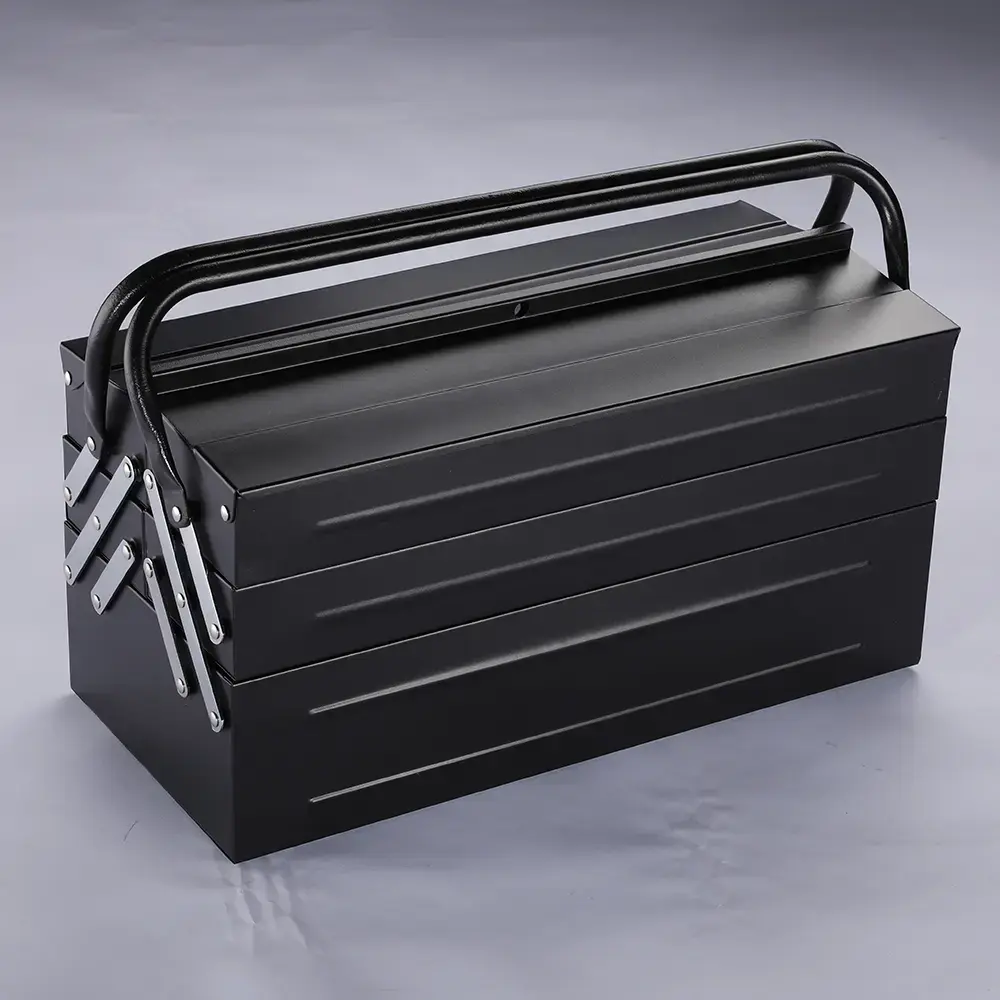
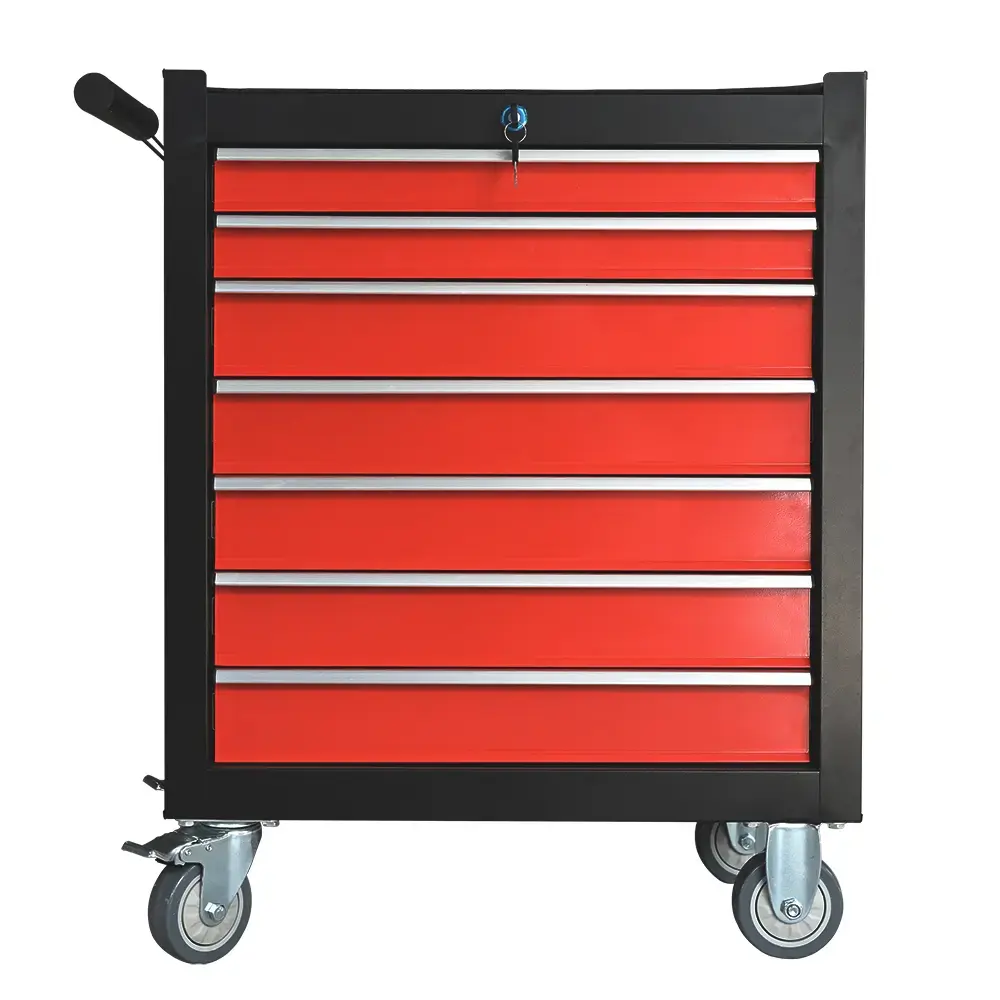
In industrial production, maintenance workshops and various engineering operations, Tool Storage Cabinets are key equipment to ensure the orderly storage and efficient access of tools. However, if there is a lack of proper maintenance and care, even high-quality storage cabinets will be affected in terms of usage efficiency due to premature aging and damage. For international wholesale purchasers, mastering the maintenance methods of tool storage cabinets can not only help customers extend the service life of the equipment, but also enhance their own service value with professional advice. The following provides you with practical maintenance tips from aspects such as cleaning, rust prevention, and daily maintenance.
First, deep cleaning: The foundation for keeping the cabinet clean
Daily cleaning is the first step to maintain the performance of the tool storage cabinet. As storage cabinets are in long-term contact with tools, parts and various oil stains, if not cleaned in time, the stains will not only affect the appearance of the cabinet, but also may seep into the gaps and cause wear and tear of the components.
When cleaning, first use a soft dry cloth or a feather duster to remove the surface dust to avoid dust particles scratching the cabinet's paint surface during the wiping process. For stubborn stains such as oil stains and glue marks, you can dilute a neutral cleaner and gently wipe it with a soft cloth. Do not use rough tools like steel wool balls or sandpaper to avoid damaging the protective layer on the surface of the cabinet. After cleaning is completed, use a clean damp cloth to wipe off the remaining detergent, and then dry it thoroughly with a dry cloth to prevent rust caused by residual moisture.
For the interior of storage cabinets, it is particularly important to regularly empty the tools and carry out cleaning. Precision components such as drawer tracks and locks are prone to accumulate debris. They can be cleaned with a small vacuum cleaner or air gun to ensure smooth opening and closing and normal operation of the locks. For multi-layer storage cabinets, the gaps between the shelves also need to be carefully cleaned to prevent the accumulation of debris, which may breed bacteria or corrode the cabinet body.
Second, rust prevention treatment: The key to resisting environmental erosion
Tool storage cabinets are mostly made of metal. They are prone to rust in complex environments such as dampness, acidity and alkalinity. Rust not only weakens the structural strength of the cabinet but may also contaminate the stored tools. Rust prevention treatment is the core link to extend the service life of storage cabinets.
First of all, it is necessary to avoid direct contact of the storage cabinet with moisture. If the humidity of the working environment is high, desiccants can be placed in the cabinet and replaced regularly. At the same time, make sure the tools are dry before storing them in the cabinet. Especially for tools that have water stains or sweat after use, they should be wiped dry in time to prevent moisture from accumulating inside the cabinet.
For the surface of the cabinet, anti-rust oil or anti-rust wax can be applied regularly for protection. Before applying, ensure that the surface is clean and dry. Evenly apply the anti-rust product to the surface of the cabinet, with a focus on covering areas prone to rust such as seams, screw holes, and corners. In addition, some storage cabinets are equipped with anti-rust coatings such as galvanization and powder coating. If any damage to the coating is found, it should be repaired in time with the same color paint to prevent the metal from being directly exposed to the air.

Third, daily maintenance: The core to ensuring the stability of functions
Daily maintenance involves every functional component of the storage cabinet, from the cabinet door, drawers to locks and hinges. Proper care of each detail can enhance the durability of the equipment.
The opening and closing system of cabinet doors and drawers is the part with the highest usage frequency. Regular inspection of hinges and slides is of vital importance. Every month, an appropriate amount of lubricating oil can be drips onto the hinges and slides to reduce frictional resistance and prevent component deformation or damage caused by jamming. When operating, it is necessary to pay attention to controlling the amount of lubricating oil to avoid oil stains adhering to the tools or the surface of the cabinet. At the same time, regularly check the closing status of the cabinet doors and drawers. If it is found that they do not close tightly or are shaking, the hinge screws should be adjusted in time or the damaged parts replaced.
Locks, as the key to ensuring the safety of tools, also require meticulous maintenance. Avoid using brute force to unlock or close the lock to prevent damage to the internal parts of the lock core. If the key cannot be inserted or removed smoothly, you can gently apply pencil lead powder or special lock lubricant to the surface of the key. Do not use oily substances such as cooking oil, as they may attract dust and clog the lock. In addition, regularly check the battery power and system functions of the combination lock and electronic lock to ensure that the security protection performance is always on point.
Fourth, response to special scenarios: Flexible maintenance strategies
The maintenance requirements for tool storage cabinets vary in different usage scenarios. In outdoor working environments, in addition to the conventional anti-rust measures, rain covers should also be installed on the storage cabinets to prevent direct sunlight and rain erosion. If the storage cabinet is used to store chemical reagents or corrosive tools, corrosion-resistant gaskets should be laid inside the cabinet, and the cleaning frequency should be increased to prevent the leakage of chemical substances from corroding the cabinet body.
For storage cabinets that have been idle for a long time, they should be thoroughly cleaned and dried before storage. Moisture-proof and insect-proof agents can be placed inside the cabinets and covered with dust-proof cloths to reduce dust accumulation and environmental erosion. When reactivated, a comprehensive inspection of all functional components is required to ensure normal performance before putting it into use.
The maintenance and upkeep of tool storage cabinets is not a complex technical task, but rather requires persistent care and standardized operation. Through scientific cleaning, effective rust prevention, regular maintenance and flexible response to special scenarios, not only can the service life of storage cabinets be significantly prolonged, but also the safety of tool storage and the convenience of access can be guaranteed. For international wholesale purchasers, passing on these practical tips to customers not only demonstrates professional services but also creates higher equipment usage value for them, earning long-term trust in the market competition.
