Leave Your Message
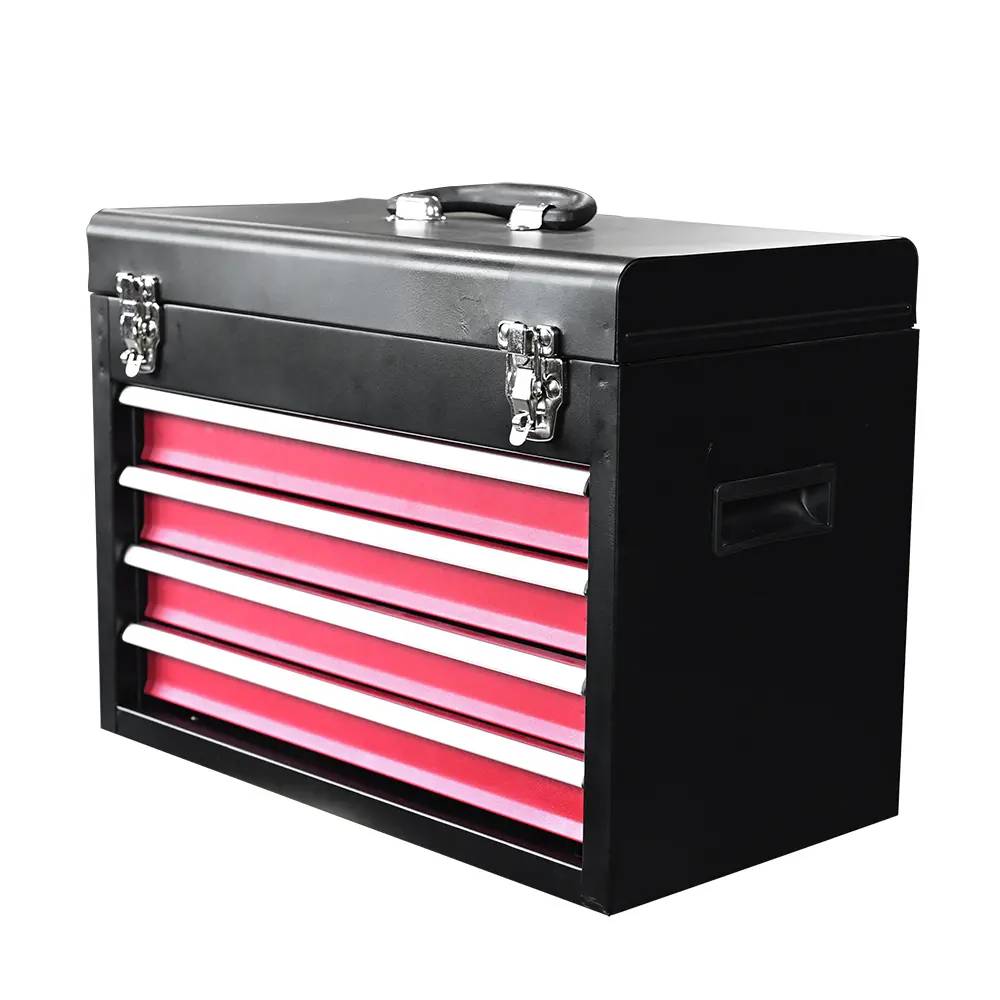
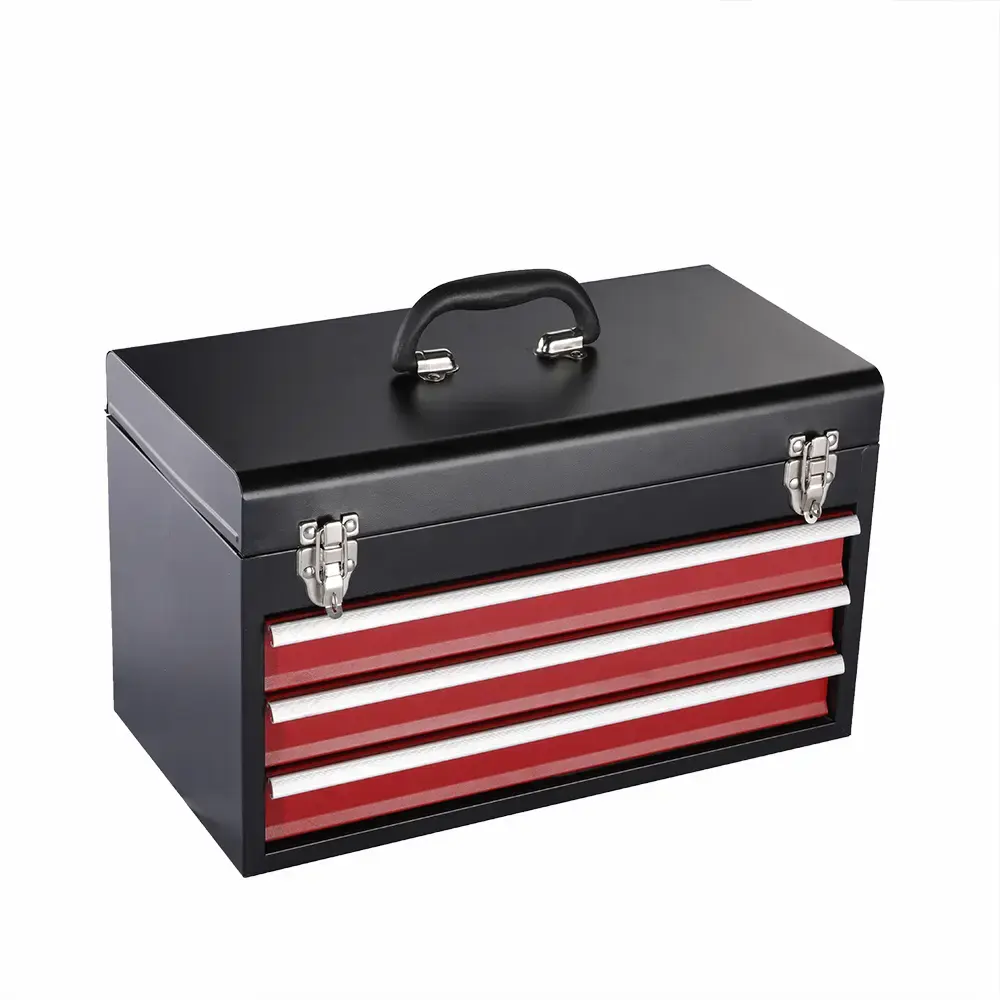

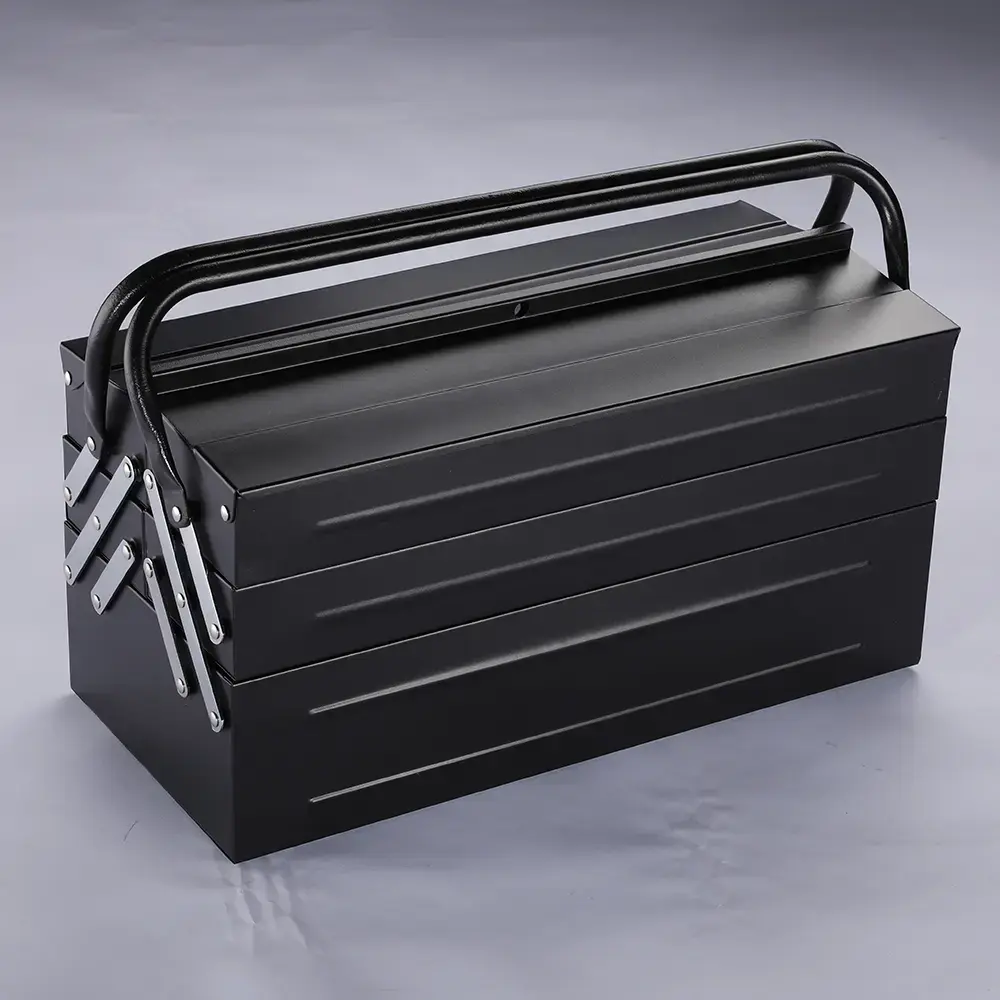



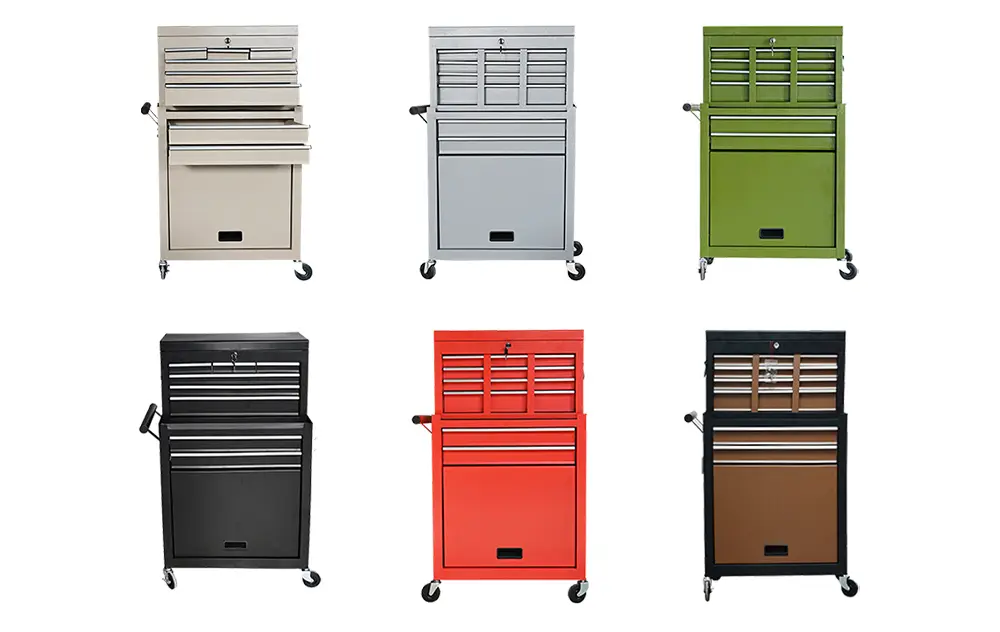
Market segmentation trends and purchasing strategies for commercial and household tool cabinets
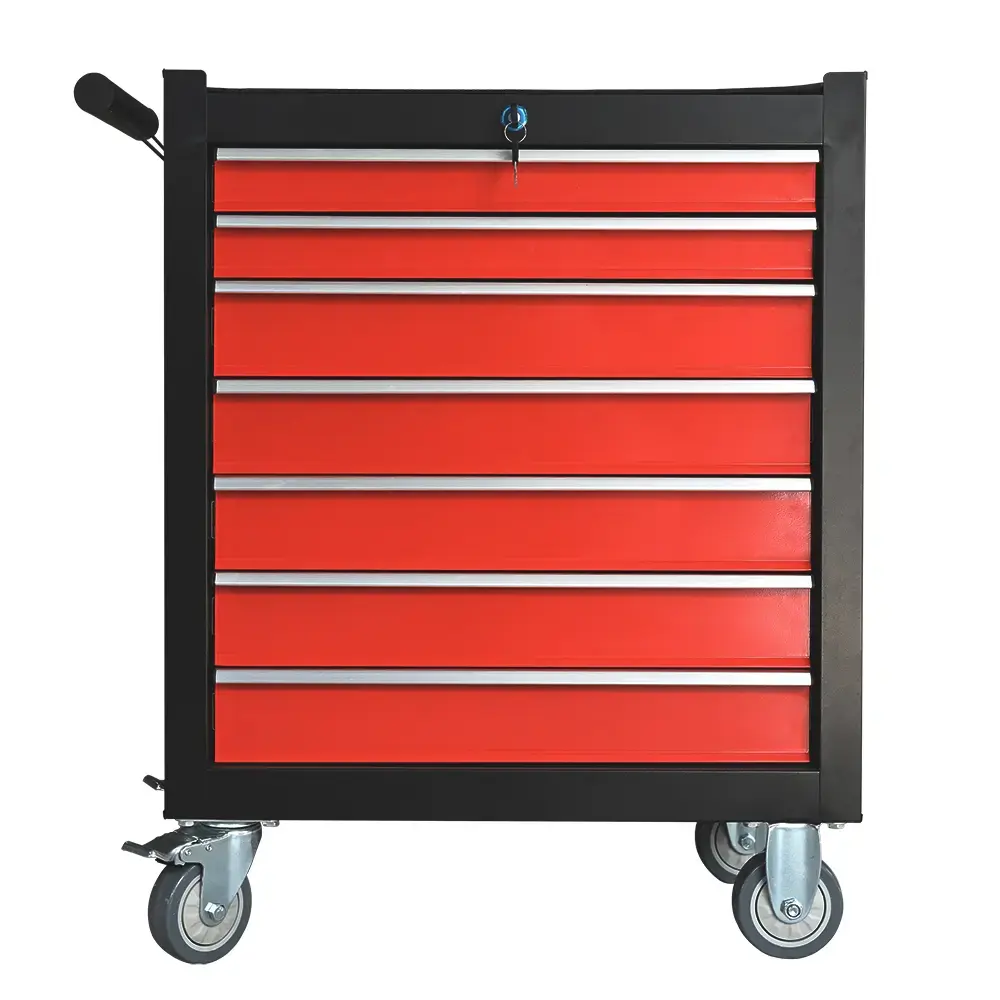
The owner of an auto repair shop in Detroit recently discovered that technicians spend more than forty minutes a day looking for tools. This detail made him start to rethink the logic of tool storage - Tool Cabinets are no longer simple tin boxes, but infrastructure that directly affects operational efficiency. This cognitive shift is reshaping the supply and demand relationship in the tool cabinet market on a global scale.
Commercial scenarios: From general to vertical segmentation
The demand for tool cabinets in the manufacturing industry shows obvious scenario-based characteristics. Heavy machinery workshops in North America tend to choose modular systems with distinct load-bearing layers, where each layer of the slab can withstand an impact load of over 300 kilograms. In contrast, the electronic assembly lines in Southeast Asia focus on anti-static coatings and micron-level sealing performance. The storage environment for precision instruments needs to be controlled within a specific temperature and humidity range.
The automotive aftermarket is giving rise to new subcategories. Column-type tool cabinets are gradually becoming popular in high-end auto repair shops in Germany. This design enables technicians to move flexibly around the vehicle while maintaining the integrity of tool classification. What is more notable is that some farm machinery repair stations in Australia have begun to use tool cabinets made of anti-corrosion materials. The high saline-alkali environment in inland areas poses a severe challenge to traditional carbon steel products.
The procurement standards for medical institutions and the education system are completely different. The equipment department of a hospital requires tool cabinets to be compatible with ultraviolet disinfection, while laboratories in engineering colleges value the function of protecting against chemical spills. These vertical demands drive suppliers to have a deep understanding of the specific operating environment rather than providing standardized product catalogs.
Household market: Blurring of functional boundaries
Household tool cabinets are breaking through the physical space limitations of garages. In the high-end apartments of less than 50 square meters in the center of Tokyo, embedded tool storage systems have become a new trend. The sliding door design integrates tool storage and home decoration functions. Users hope that after closing the cabinet door, it looks like an ordinary storage furniture.
The home-based maker group that has emerged from remote working has demands for tool cabinets that are more similar to those of small studios. What they need is not capacity, but the rapid visual management of tools - functions such as transparent drawer panels, magnetic back plates, and integrated charging modules, which are used in commercial scenarios, are now being extended to home product lines. Sales data of a certain British tool cabinet brand in 2024 shows that the sales of household models with USB power supply interfaces have increased by 140% year-on-year.
Weight reconstruction of the evaluation dimension
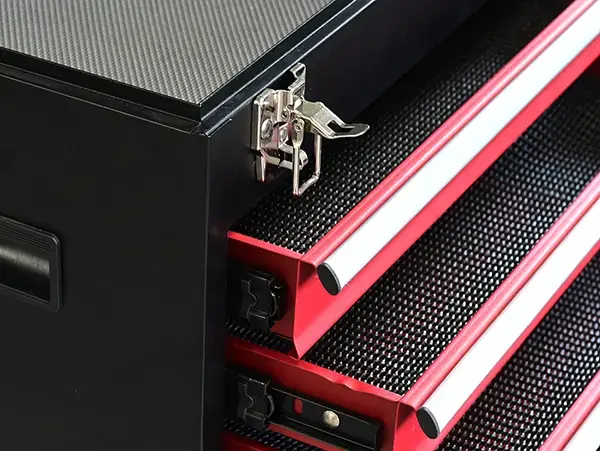
The core of procurement decisions has shifted from price sensitivity to full life-cycle cost considerations. The experience shared by a German purchasing manager is worth noting: The cheap tool cabinets they bought in their workshop five years ago had a total expenditure that was 30% higher than that of high-end products due to frequent replacement of slide rails and locks. Durability test data should include hard indicators such as the number of times drawers are opened and closed, the duration of the lock core's resistance to violent damage, and the salt spray test grade of the coating, rather than subjective descriptions.
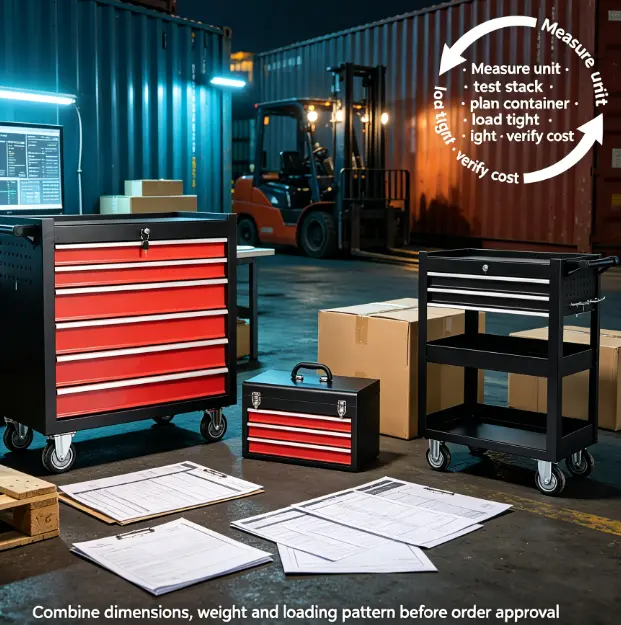
The calculation method for space utilization is also evolving. The traditional method of evaluating by volume is too rough. Now, more emphasis is placed on "tool contact efficiency" - whether common tools can complete the action of taking and placing within fifteen seconds. This requires the purchaser to measure the operation radius on-site, and even record the existing work process with video, and then deduce the internal structure of the cabinet in reverse. A certain aviation maintenance base in Chicago has reduced the tool preparation time by 60% in this way.
Intelligence is not a gimmick but a necessity
The penetration rate of Internet of Things (iot) functions in commercial scenarios far exceeds expectations. In the container repair workshop of the Port of Rotterdam in the Netherlands, the RFID system installed in the tool cabinets can automatically record the borrowing and returning status of each tool. The usage heat map generated at the end of the month directly guides the procurement plan for the next quarter. This kind of data closed loop is particularly important for places with multi-shift operations, avoiding the hidden waste of repeatedly purchasing tools.
However, there is also a risk of overdesign in intelligence. The purchasing manager of the Dezhou oilfield reminds us that some so-called intelligent cabinets cannot be mechanically opened after power failure, which may be a fatal defect in remote operation sites. A practical approach is to first address the basic functions and then consider digital value-added - for instance, ensure that the cabinet can withstand an eight-level sandstorm first, and then talk about remote monitoring through the APP.
The implicit value of supply chain resilience
The global procurement logic has undergone a fundamental transformation after the pandemic. The certainty of the delivery cycle is more important than the figures on the quotation sheet. A Japanese manufacturing company has set up a backup supplier database in Malaysia. Although the unit price has increased by 12%, it has avoided the huge risk of production line shutdown due to delayed delivery of tool cabinets. The "delayed daily compensation" clause has begun to frequently appear in procurement contracts, and the cash flow status and raw material reserve capacity of suppliers have become the focus of due diligence.
Environmental protection certification is evolving from an added bonus to an entry threshold. The new EU regulation requires that imported tool cabinets must provide a full-chain carbon footprint report, which means that the source of steel, spraying process and packaging method of the supplier all need to be traceable. The Australian market is even more straightforward. Products that do not contain recycled materials directly lose their bidding qualifications in government procurement.
The practical application of decision-making frameworks
In the face of these trends, mature purchasing teams will establish a three-dimensional evaluation model: the vertical axis represents scene fit, the horizontal axis represents total cost of ownership, and the Z-axis represents the sustainable development capability of the supplier. A large contractor in Sao Paulo, Brazil, first lists five of the most critical usage scenarios, then asks suppliers to provide targeted solutions instead of general data. On-site testing lasts for at least two weeks, and the final decision is made by a 40% vote from front-line operators.
This transformation places higher demands on suppliers. Providing fluid simulation analysis reports (proving the impact of drawer opening and closing on precision tools), material traceability documents, and user Cases in real environments is more convincing than fancy brochures. This is particularly evident in the North American market. Purchasers will directly ask for UL certification numbers and OSHA compliance documents. Products that cannot be provided will not even have the opportunity for technical exchanges.
The procurement of tool cabinets is evolving from a transactional behavior into a systems engineering project. Only by understanding this profound change can we find the best solution in an increasingly complex market. The next time you evaluate a supplier, perhaps the question you should ask is no longer "How much is it each?", but "Could you send an engineer to our workshop for two days?"