
Leave Your Message
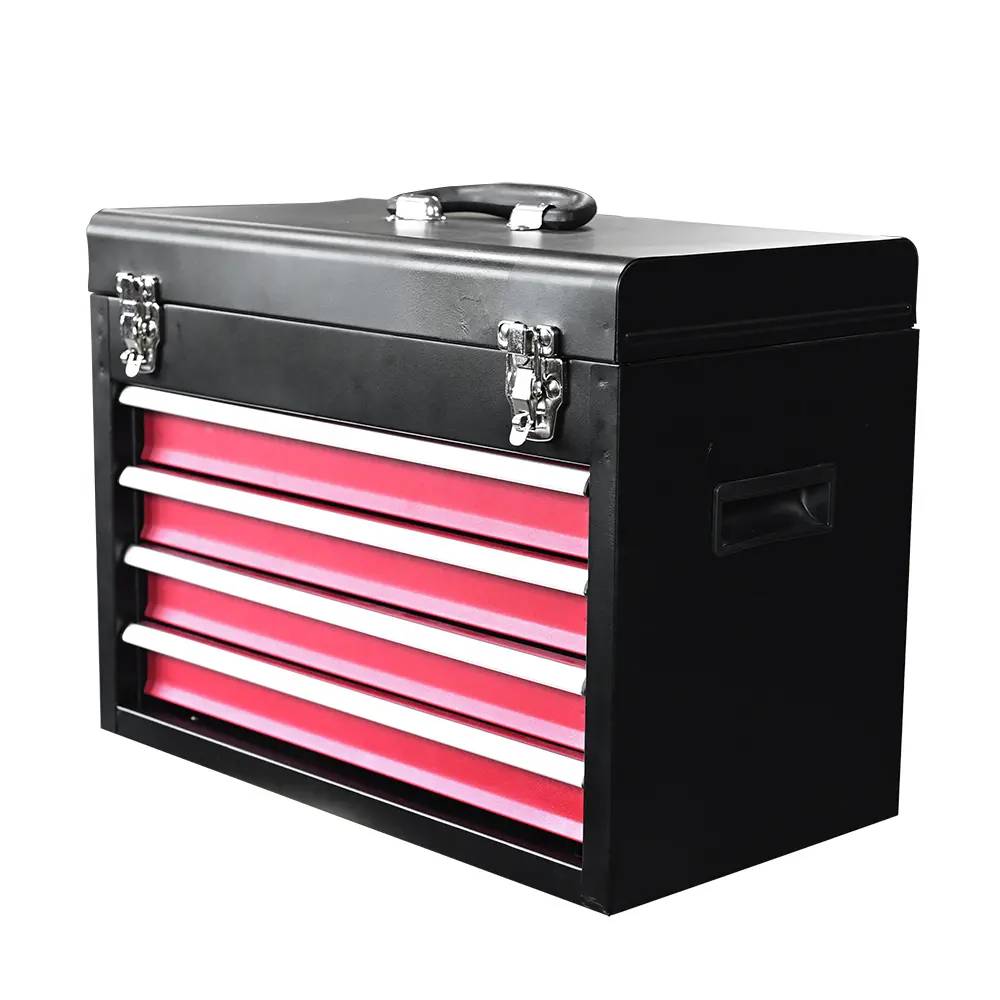
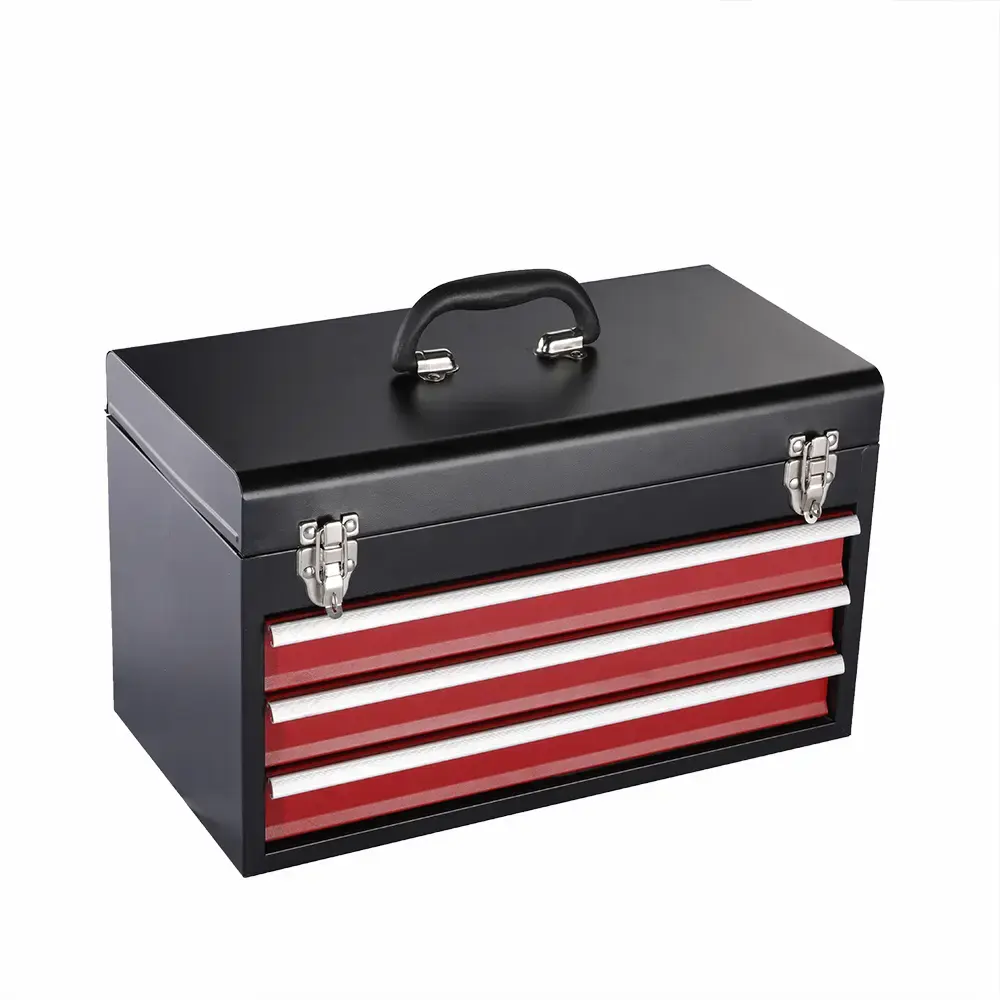

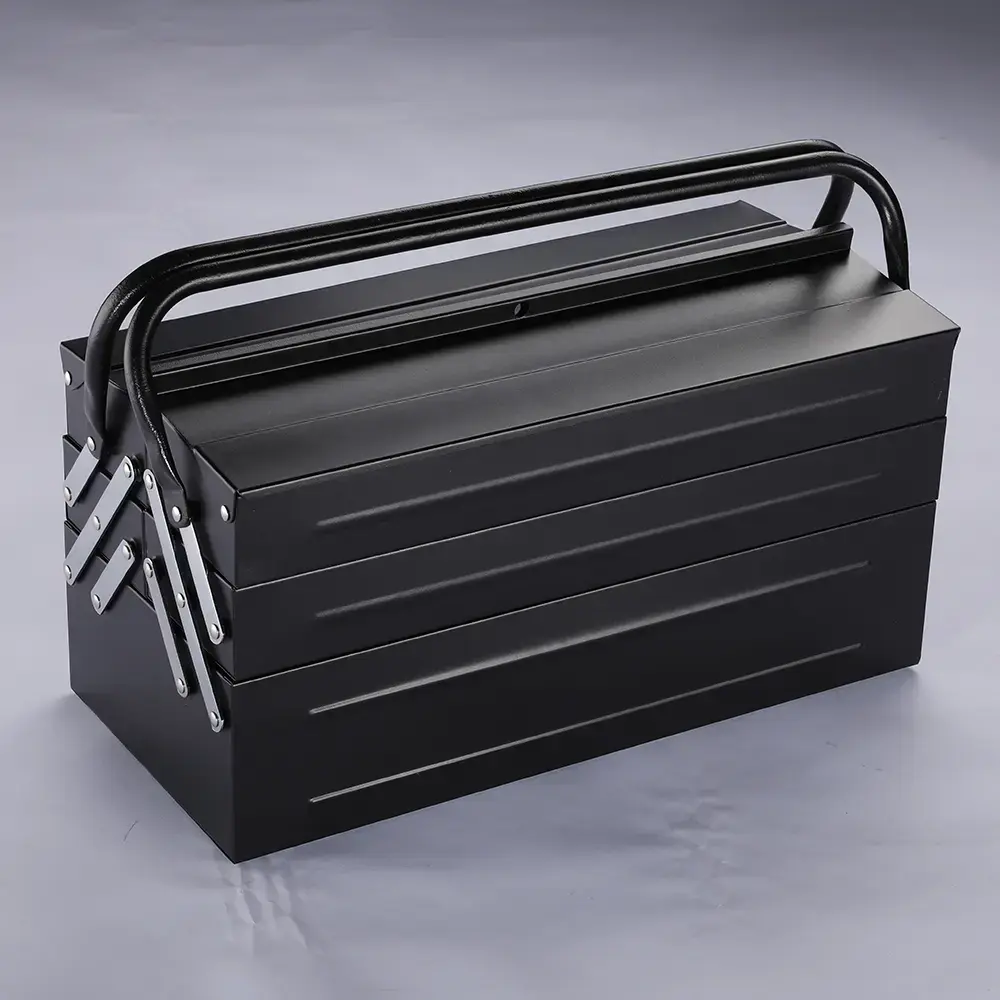
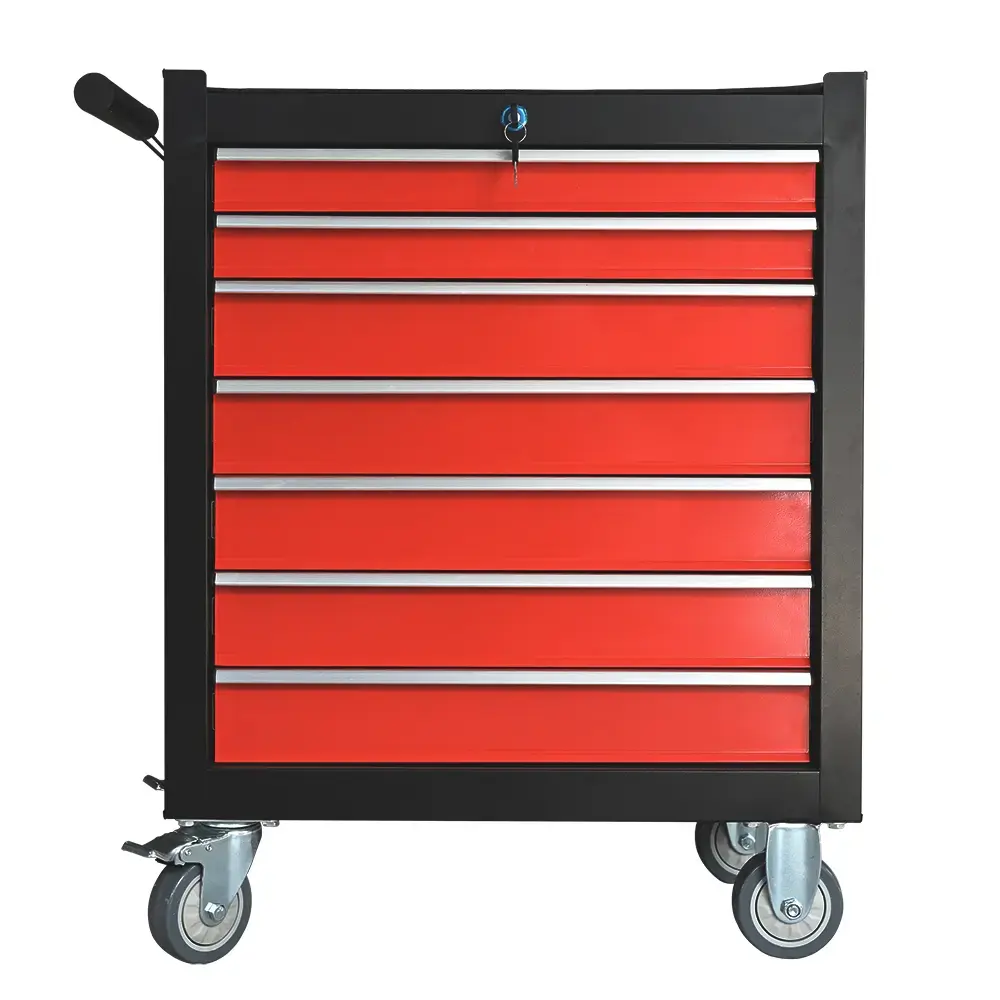


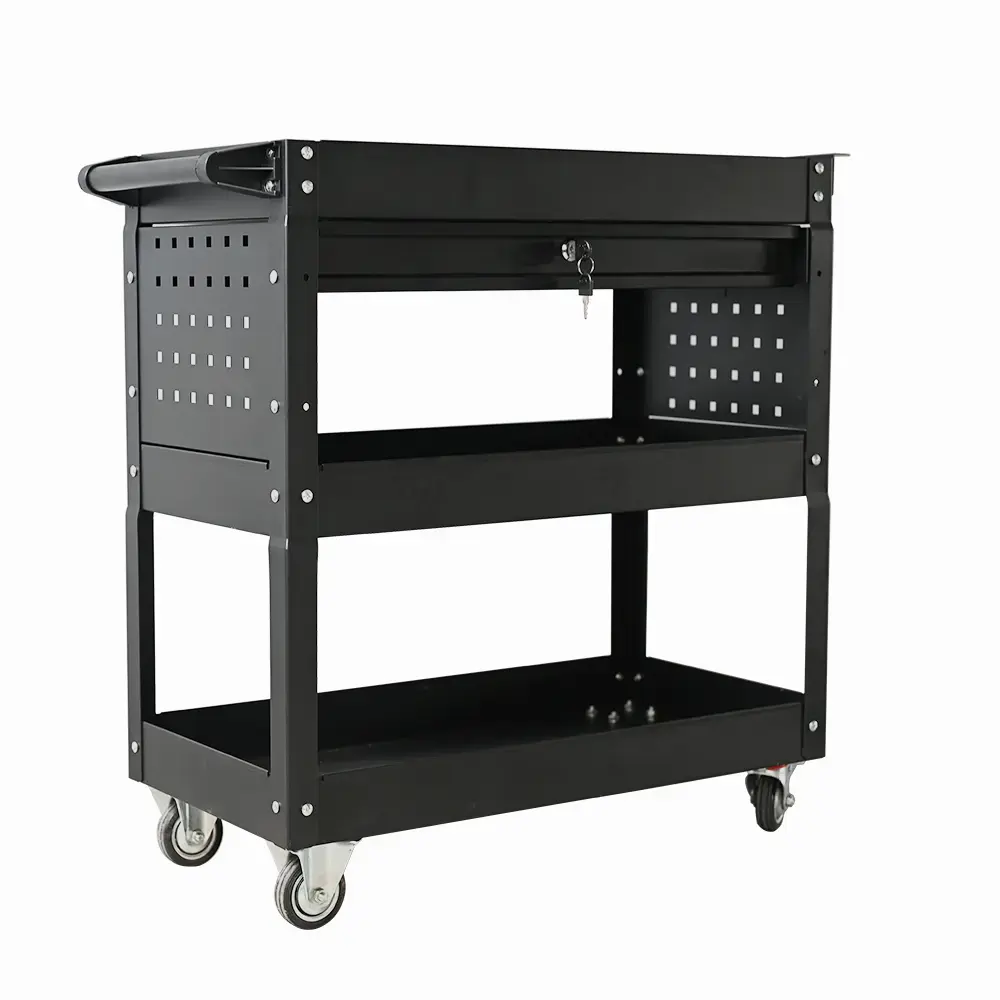
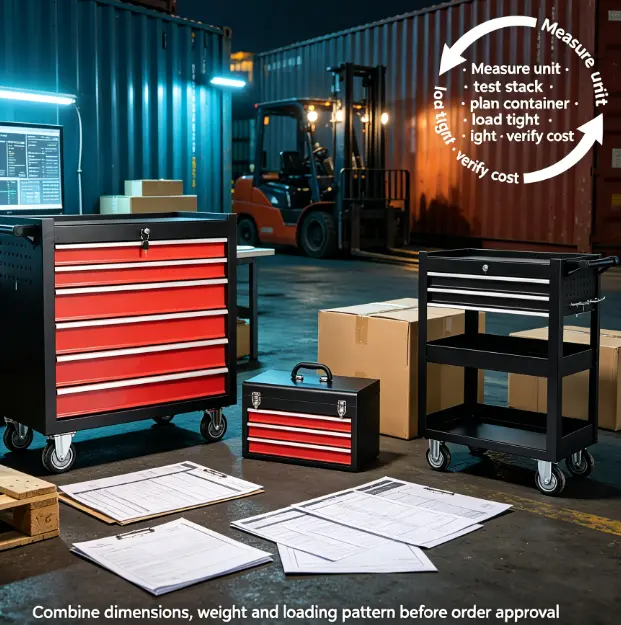

Modular tool cabinets: Reshaping space efficiency and operational resilience in modern manufacturing
In the competitive landscape of modern manufacturing, the optimization of the production site has extended from the macro equipment layout to the micro tool and material management. Modular Tool Cabinets, with their high adaptability and systematic thinking, are becoming the preferred choice in manufacturing procurement decisions. Behind this lies the manufacturing industry's profound demand for flexibility, efficiency and long-term cost control.
First, flexible configuration in response to dynamic production layout
The fixed structure of traditional tool cabinets often reveals its limitations when confronted with frequently adjusted production lines, process upgrades or product model changes. Modular systems achieve a high degree of reconfigurability through standardized interfaces and components. Users can freely combine the height of drawers, the way of separation, and even functional accessories (such as anti-static pads and special tool positioning seats) according to their current needs. This "build-based" storage solution enables individual tool cabinets to adjust their functions in response to changes in production tasks, eliminating the need for repeated purchases and effectively responding to the manufacturing trend of small batches and multiple varieties.
Second, the integrated capability to maximize spatial value
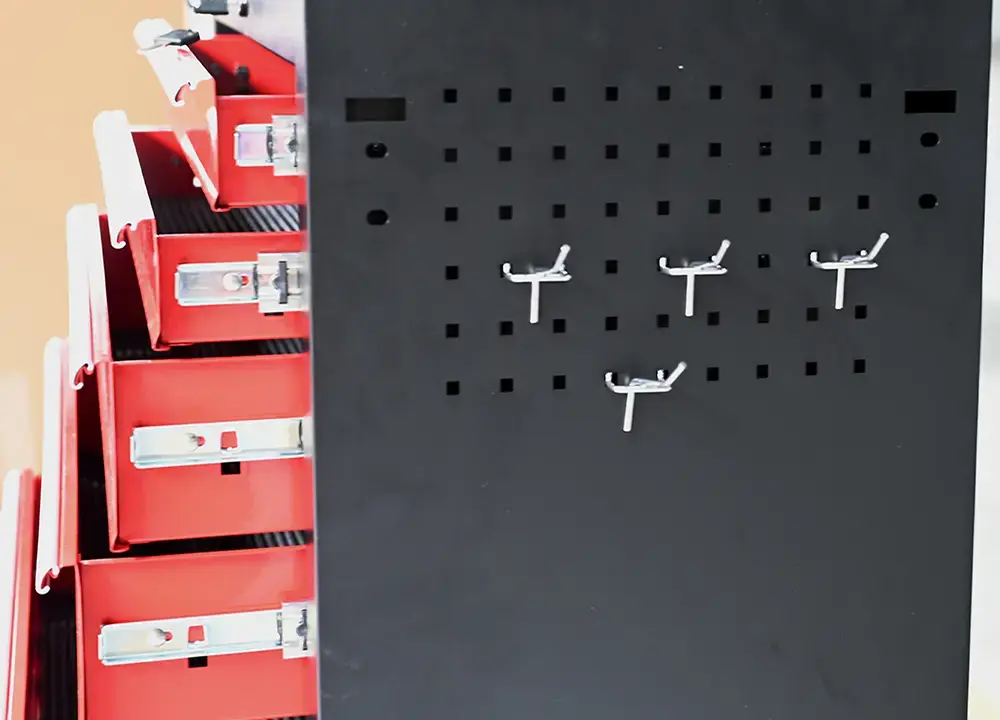
The floor space of the manufacturing workshop has a significant cost attribute. The modular tool cabinet greatly enhances the efficiency of space utilization through the intensive use of vertical space and the seamless expansion of the system. For instance, by choosing top shelves or side-hanging panels, related parts, manuals or measuring tools can be managed in an integrated manner, reducing search time and additional storage equipment. Multiple cabinets can be closely spliced to form continuous workstations or isolated areas, integrating all required resources within a limited floor area to achieve "square centimeter-level" fine space planning.
Third, empower the visualization and control of lean management
Modular design has a natural synergy effect with lean tools such as 5S and visual management. Through a customized internal partitioning and labeling system, each tool, fixture or measuring instrument has a fixed and clearly marked position. This "fixed-position" management significantly reduces production preparation time and the cognitive load on operators, while making problems such as missing or misaligned tools immediately apparent. According to statistics, standardized visual storage can reduce tool search time by approximately 30% and increase inventory count efficiency by over 50%, directly supporting the stability and efficiency of the manufacturing process.
Fourth, support the long-term economic viability of continuous upgrading and investment
From an investment perspective, modular tool cabinets have broken through the "life cycle" of traditional equipment. Its core value lies in the scalability of the system and the replaceability of its components. In the early stage of an enterprise, basic units can be configured based on the current budget. As the business expands, drawer modules, casters or lock systems can be gradually added. This "on-demand growth" model smoothes capital expenditure and protects initial investment. Meanwhile, the durable structure and standardized components ensure that the damage of a single component does not require the replacement of the entire cabinet, significantly reducing the maintenance and usage costs throughout the entire life cycle.
Fifth, the digital potential for integration into the intelligent manufacturing ecosystem
The future manufacturing environment will be data-driven. The leading modular system has reserved digital integration interfaces, which are compatible with functions such as RFID tool tracking, intelligent access permission management, or inventory status perception. This makes the tool cabinet no longer an isolated storage unit but a key node in the factory's Internet of Things, providing data support for tool utilization analysis, preventive maintenance, and automatic replenishment in the supply chain, laying a micro foundation for moving towards Industry 4.0.

Conclusion
The rise of modular tool cabinets marks a paradigm shift in manufacturing from static warehousing to dynamic resource management. With its inherent flexibility, integration and forward-looking nature, it not only addresses the current storage challenges, but also becomes a strategic asset for enhancing overall operational resilience and supporting continuous innovation. Choosing modularization means choosing to reserve unlimited possibilities for future manufacturing transformation.