Leave Your Message




0102030405
Optimizing Outdoor Tool Boxes for Middle East Warehouse Needs
2026-06-02
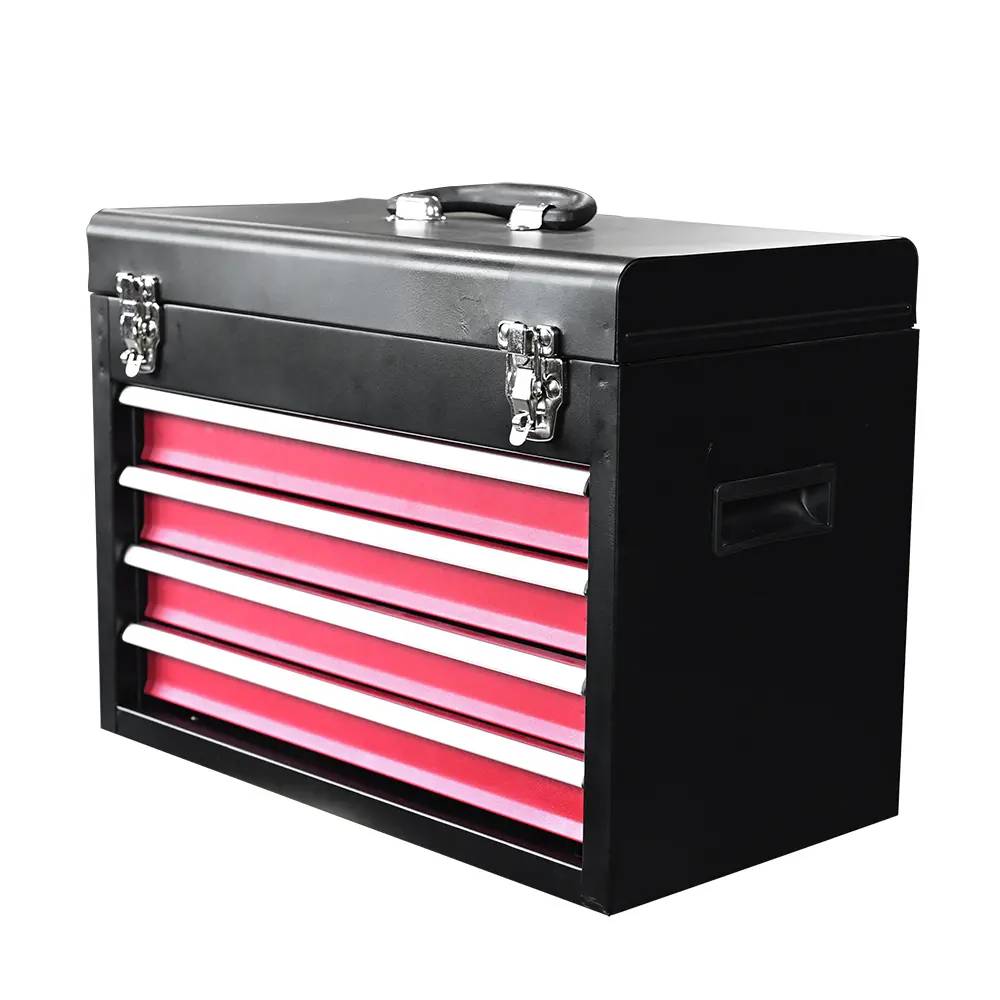
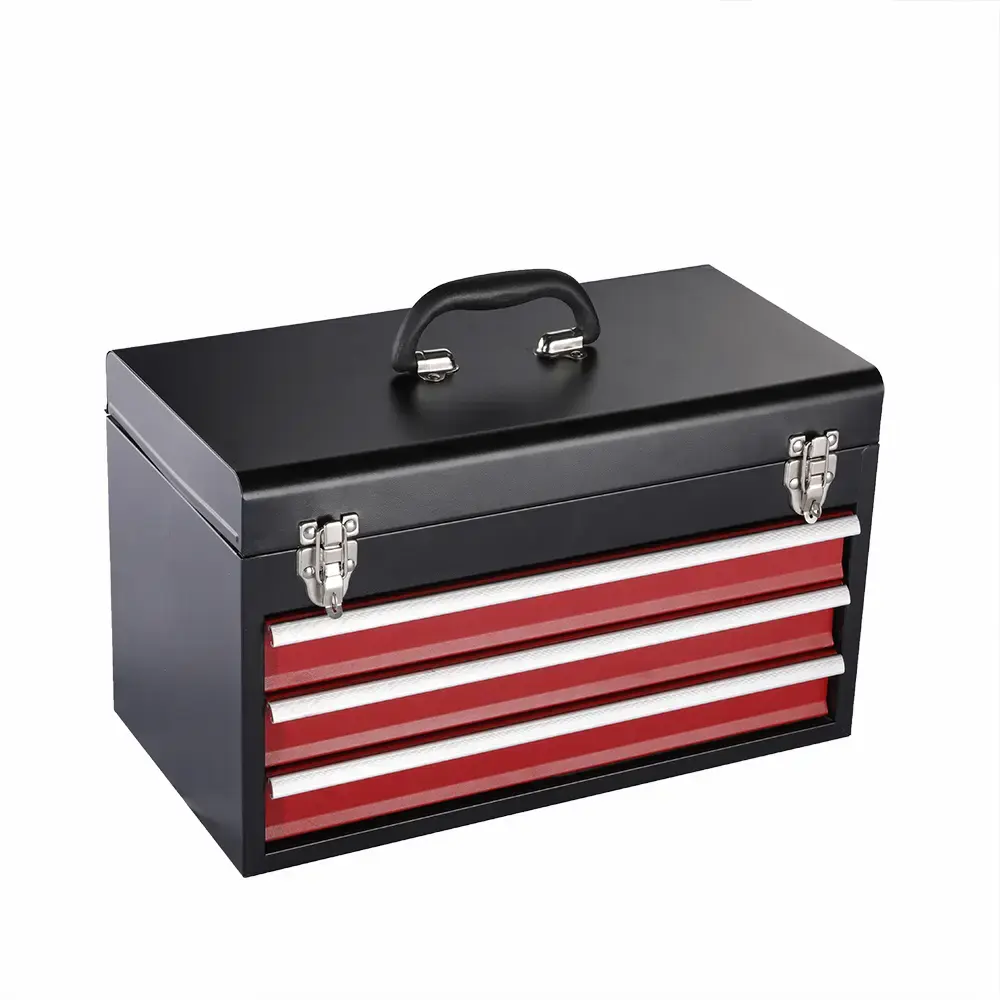
In large industrial warehouses, oilfield logistics bases and port maintenance stations across the Middle East and North Africa (MENA), Tool Storage equipment is often placed directly in semi-open yards or outside warehouse loading and unloading zones. Faced with persistent fine sand and dust in desert climates, condensation caused by large day-night temperature differences, and high-frequency daily access, the sandproof and dustproof sealing performance and climate adaptability of lockable outdoor tool boxes (Lockable Outdoor Metal Tool Chest / Job Site Tool Box) directly determine the service life of hand and power tools, as well as operation and maintenance costs. From a procurement and selection perspective, this article analyzes the IP ratings, sealing structures, material anti-corrosion properties, and Middle East application adaptation points of heavy-duty outdoor tool boxes, providing a reference for warehouse operators and project purchasers.
1. Core Challenges of Desert Environments for Outdoor Tool Boxes
Typical operating conditions for outdoor storage in the Middle East include:
- Fine sand and dust intrusion: Desert dust particles can be smaller than 10 microns, easily entering the cabinet through door gaps, lock holes and hinge clearances, adhering to wrenches and measuring tools to accelerate wear or cause jamming of precision sockets.
- Strong sunlight and high temperature: Prolonged exposure can raise surface temperatures above 70°C, causing low-quality gaskets to age, crack and lose sealing function.
- Coastal salt spray (e.g., Dubai, Jeddah, Abu Dhabi): Nearshore warehouse areas face both salt spray corrosion and condensation rust.
- Frequent opening and heavy loads: Warehouse technicians open and close boxes multiple times daily, requiring high rigidity, pry-resistant locks and fatigue-resistant hinges.
Therefore, heavy-duty lockable outdoor tool boxes for this region must meet strict standards in IP rating, sealing materials, cabinet material and surface treatment.
2. IP Rating and Sand & Dust Protection Performance Explained
According to the IEC 60529 standard, the Ingress Protection (IP) rating consists of two digits:
First Digit – Solid Particle Protection
- IP5X: Dust-protected (limited ingress, no interference with normal operation), acceptable for general sheltered outdoor areas.
- IP6X: Dust-tight (complete prevention of dust intrusion), the minimum recommended standard for desert and semi-open yards, effectively blocking fine sand and dust.
Second Digit – Liquid Protection
- IPX4: Splash-proof, suitable for covered areas.
- IPX5 / IPX6: Water-jet resistant / heavy water-jet resistant, suitable for open rainy seasons or high-pressure washer cleaning.
Recommended selection: Outdoor warehouses should start from IP54, with IP55 or IP65 as preferred choices for full dust-tight performance and resistance to rain showers and washing.
During procurement inquiries, require suppliers to provide third-party laboratory-tested IP rating certificates, not just vague labels such as “dustproof / waterproof”.
3. Key Structural Designs for Effective Sandproof Sealing
IP labeling alone is insufficient; actual physical structure determines real sealing performance:
Continuous Compression Seal Strip
The door frame or lid should be fitted with a full-circumference EPDM or neoprene foam seal strip, which deforms uniformly when closed to block dust channels. EPDM typically operates between -40°C and 120°C, with superior UV aging resistance compared to ordinary PVC strips.
Labyrinth-Style Flanged Door Gap
The lid overlap uses an inward flange or labyrinth structure to physically block direct wind-blown dust, forming a dual barrier with the seal strip.
Waterproof Lock Hole Cover & Concealed Hinges
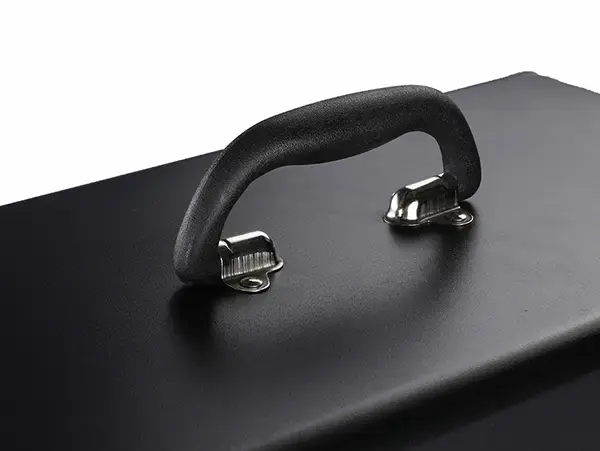
Padlock holes are equipped with rotating dust covers; hinge pins use dust boots or concealed designs to reduce sand buildup and jamming.
Raised Bottom Feet
The cabinet should be elevated 80–100 mm above ground to avoid sand accumulation that erodes primer or seeps into floor joints.
4. Adaptation to Middle East Warehouses – Material, Coating and Anti-Corrosion Requirements
- Cold-rolled steel thickness: For heavy-duty outdoor tool boxes, body thickness should be no less than 0.8–1.0 mm; large vertical cabinet doors should be 1.2–2.0 mm to prevent deformation.
- Surface treatment: Electrostatic powder coating thickness recommended above 60 microns, preferably UV-resistant outdoor-grade epoxy polyester powder. Light gray or sand-colored finishes reduce heat absorption and glare, ideal for Middle East outdoor use.
- Anti-corrosion level: Coastal warehouses should use phosphating + hot-dip galvanizing or marine-grade coating systems. Inland dry desert areas with standard phosphating and thickened powder coating typically achieve 5–8 years of corrosion protection.
- Lock configuration: Dual T-locks or heavy-duty hasps with reinforced padlock holes; some projects require pry-resistant lock cylinders and 3-point locking bolts to comply with on-site asset security management regulations.
5. Procurement Audit Checklist – Practical Recommendations for Heavy-Duty Warehouse Operators
Requesting or verifying the following documents from tool box suppliers can significantly reduce post-delivery returns and complaints:
- Test reports or certified declarations stating actual IP54 / IP55 / IP65 ratings.
- Seal material specifications (EPDM preferred) and expected aging replacement cycle.
- Measured steel thickness, powder coating thickness, and salt spray test hours (neutral salt spray ASTM B117: generally 240h–480h with no red rust).
- Maximum load rating per drawer or shelf (heavy-duty slides recommended at 50–100 kg ball-bearing slides).
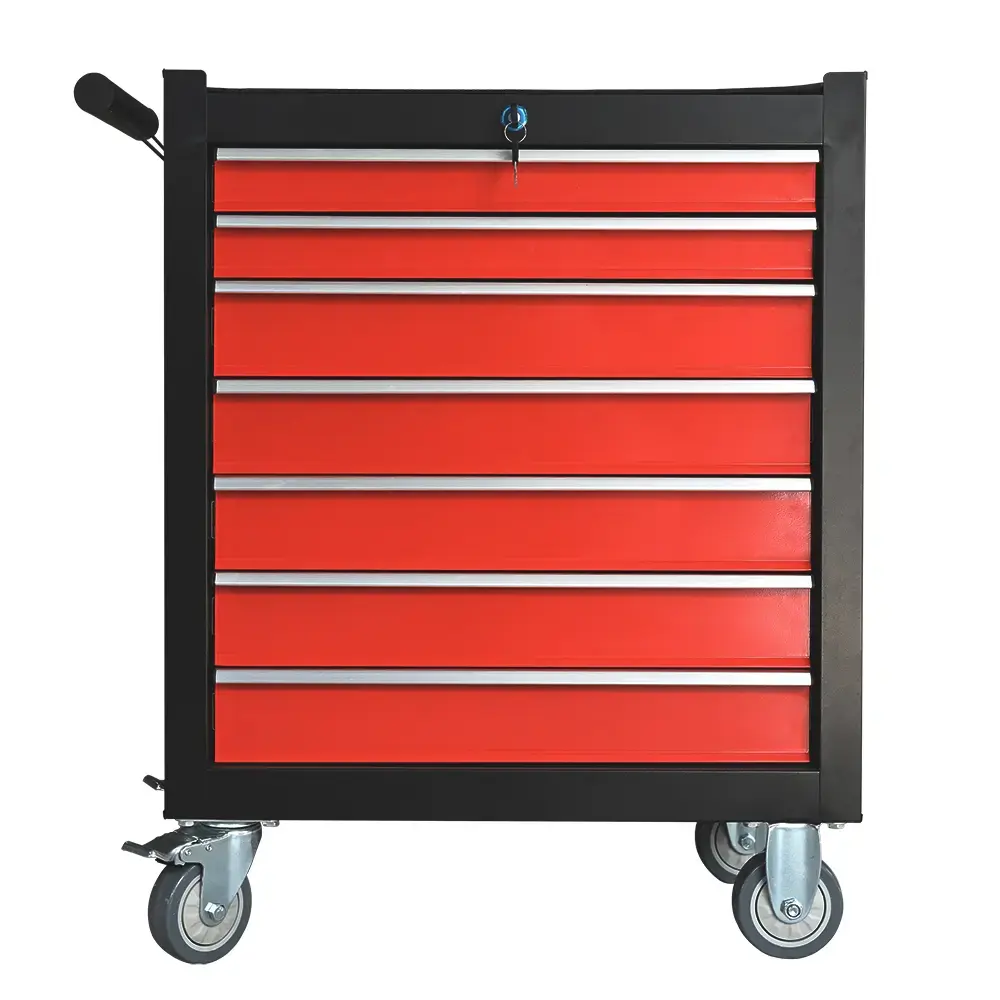
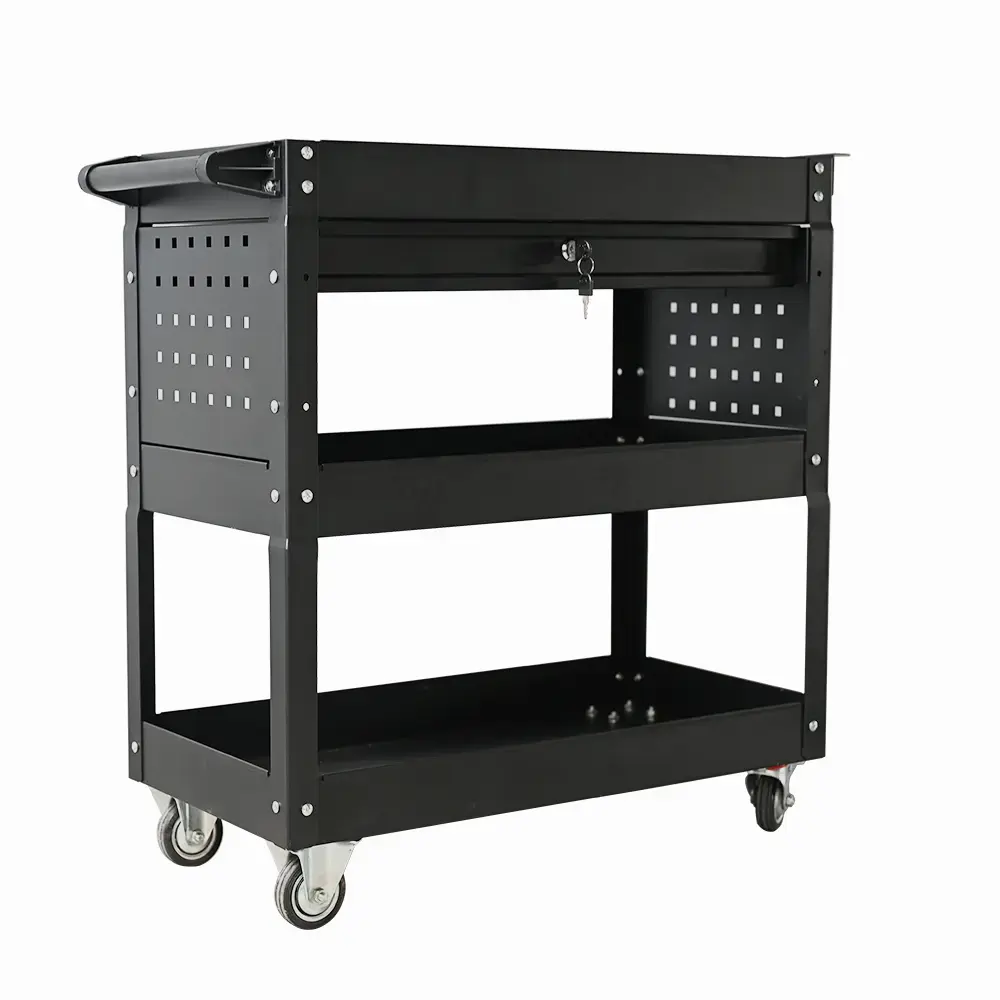
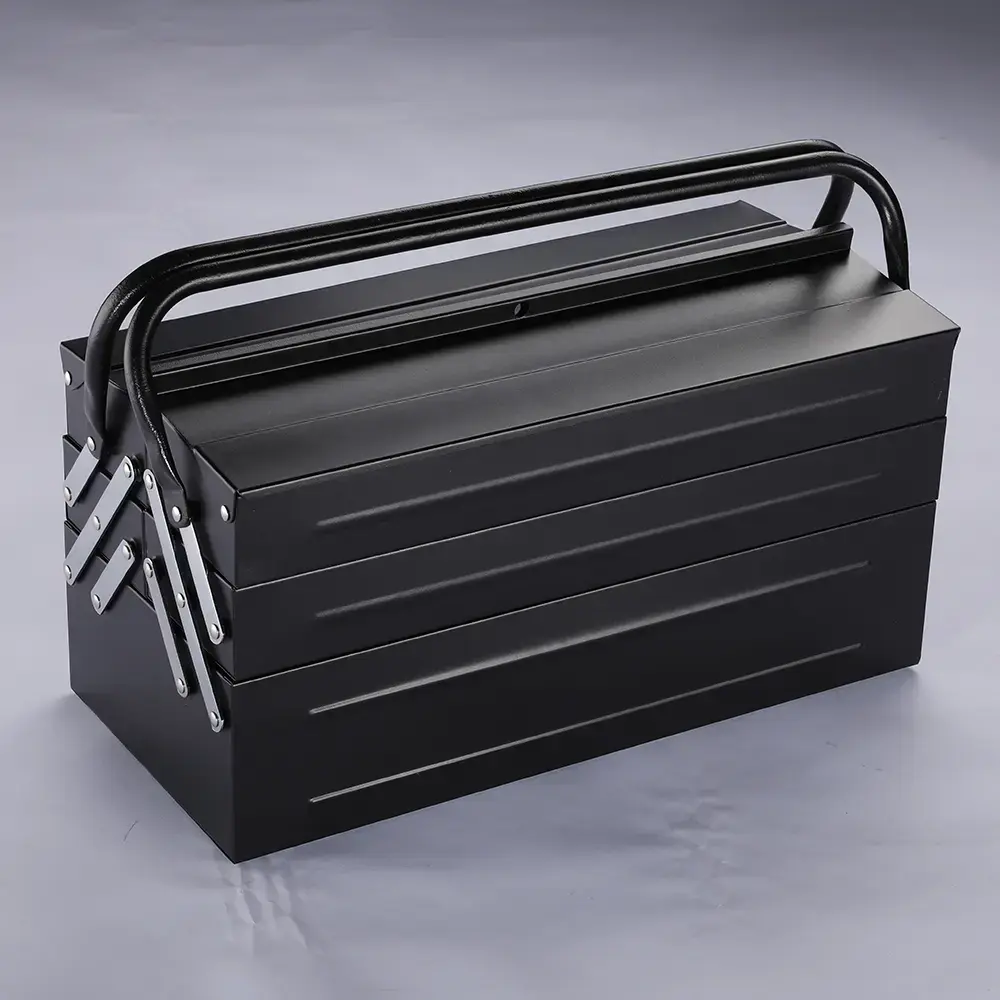
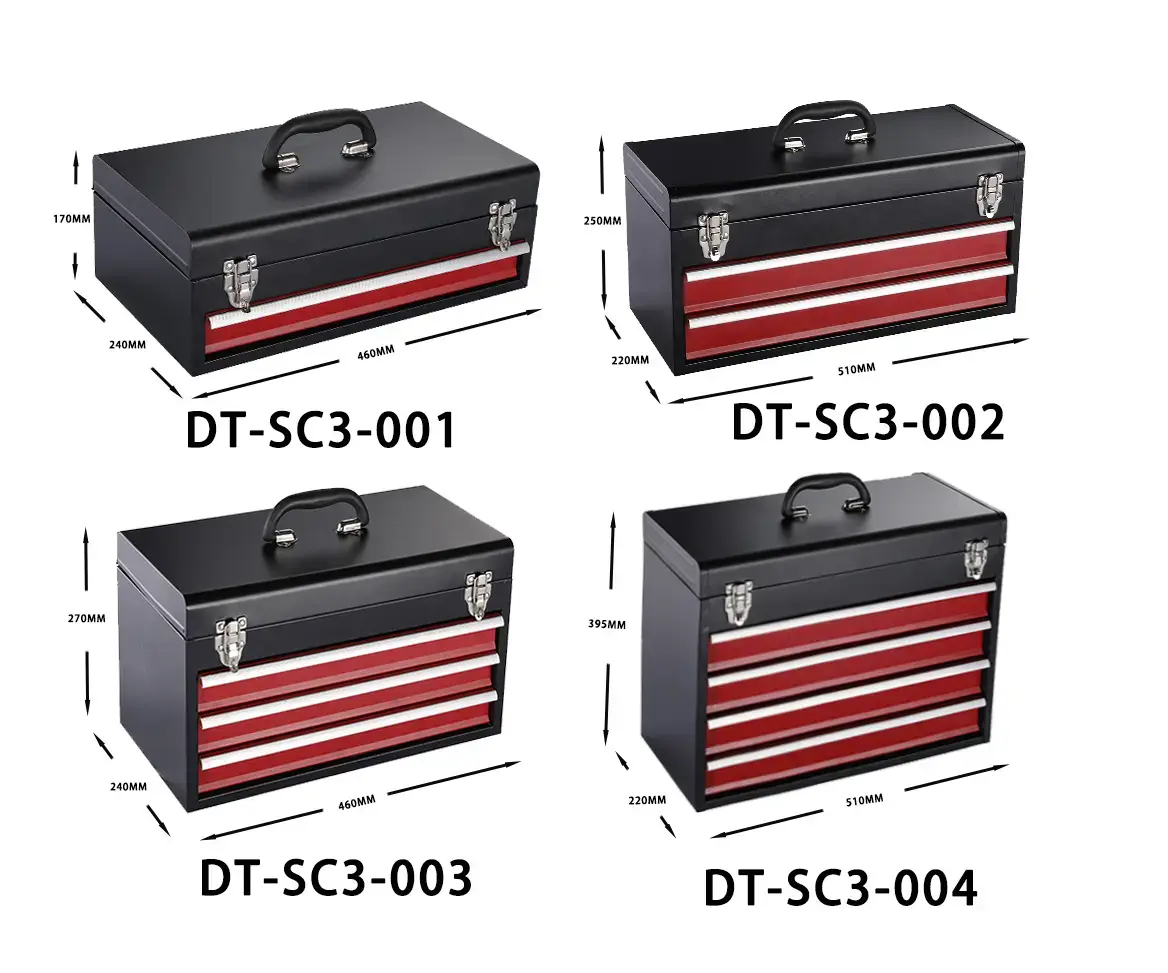
- Product size range covering required capacity: from 20–40L portable boxes for guard booths to multi-drawer tool cabinets or outdoor-covered Mobile Tool Carts for large stations.
- Availability of OEM logo printing, color customization, and spare parts supply commitments (seals, lock cylinders, casters).
- Target market certifications: CE marking, GS certification or GCC conformity statements are especially critical for Middle Eastern government and large-scale project tenders.
Selecting the right lockable, dustproof and waterproof outdoor metal tool box can significantly reduce average rust and rework rates of outdoor tools, minimize downtime caused by tool failure, and represents an often-underestimated factor in cost reduction and efficiency improvement for heavy-duty warehouse logistics.