
Leave Your Message
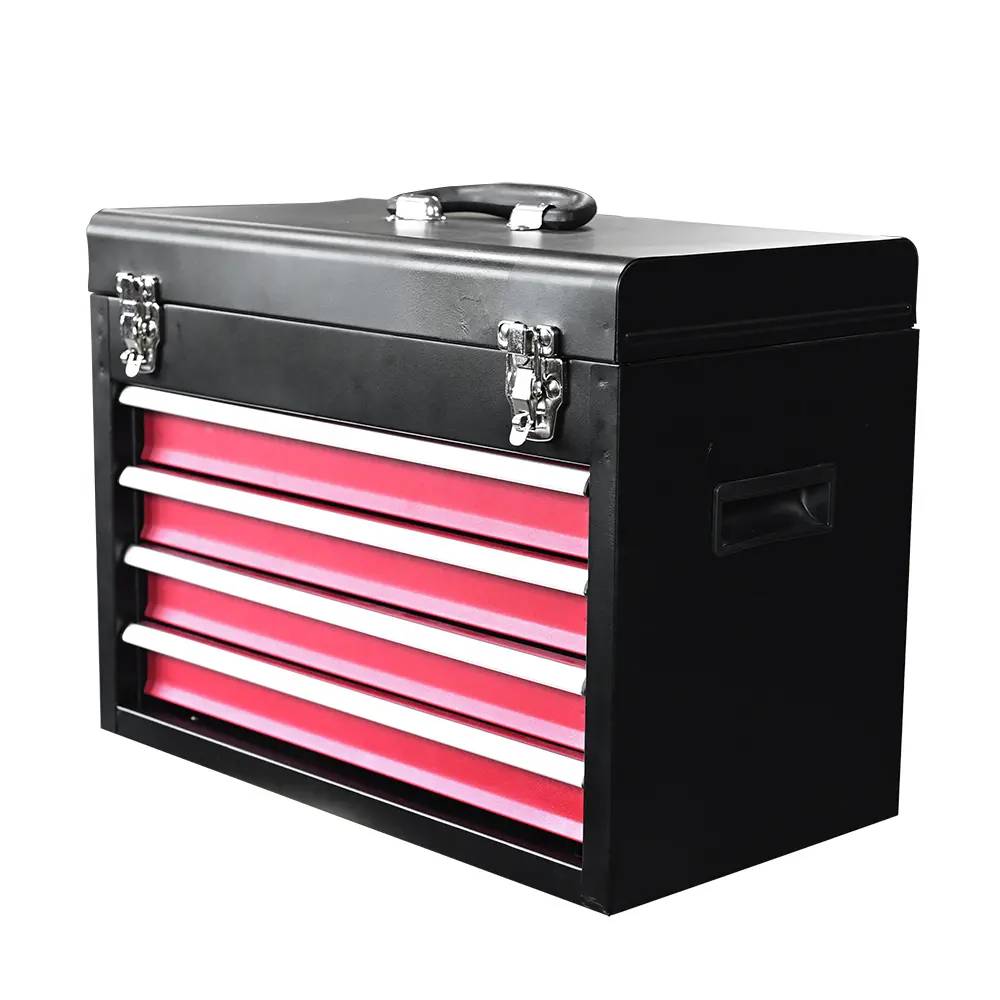
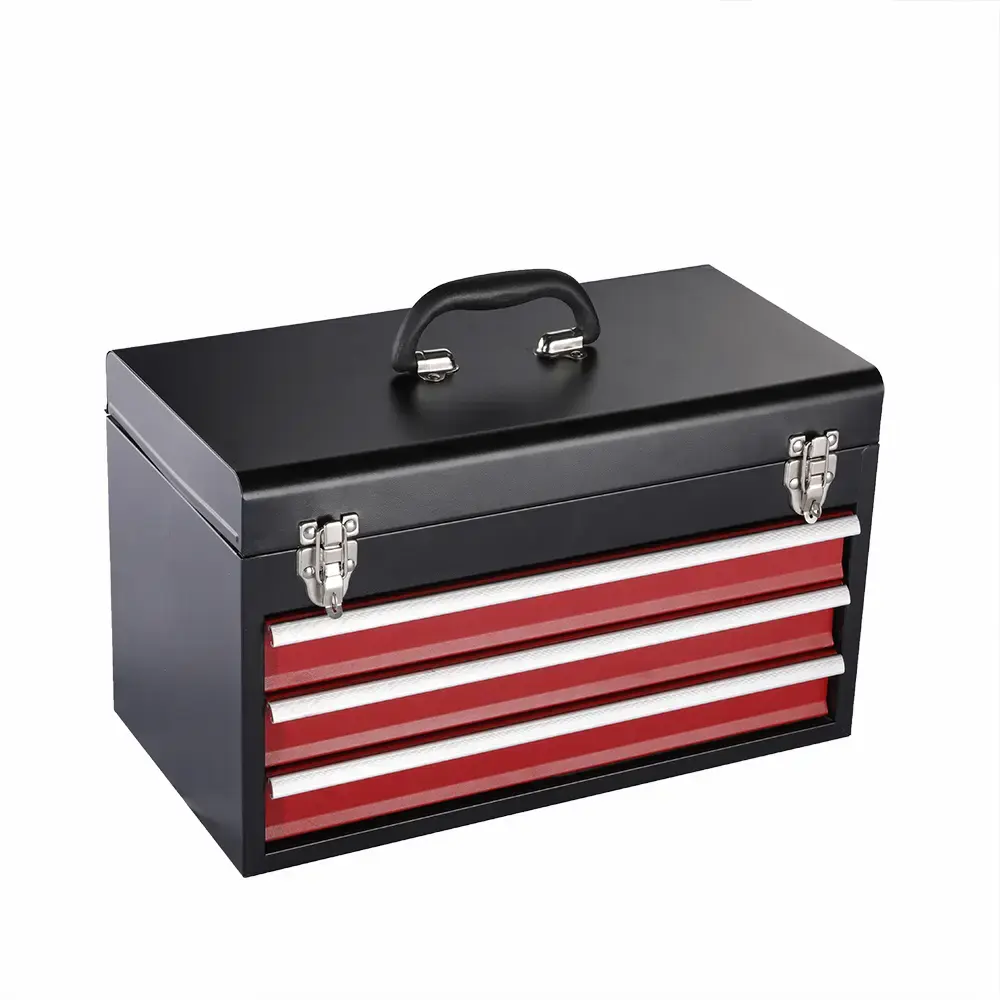

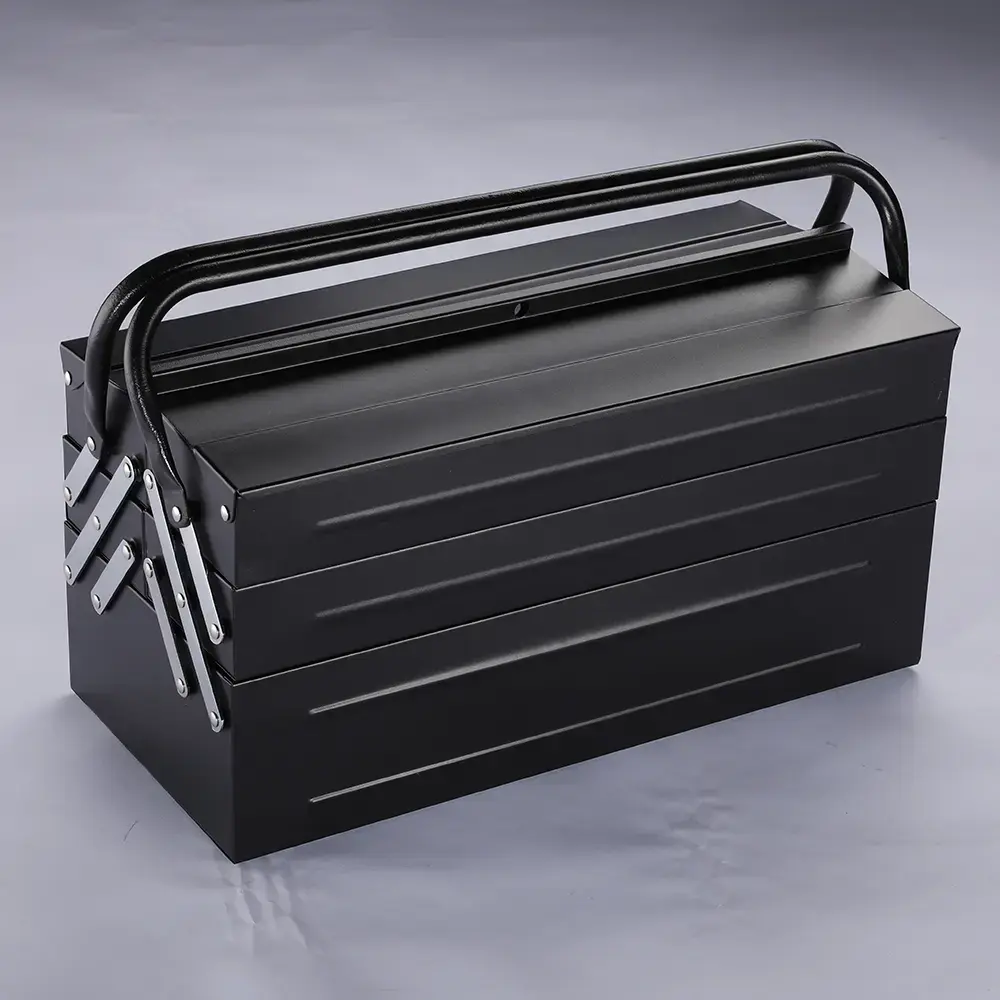
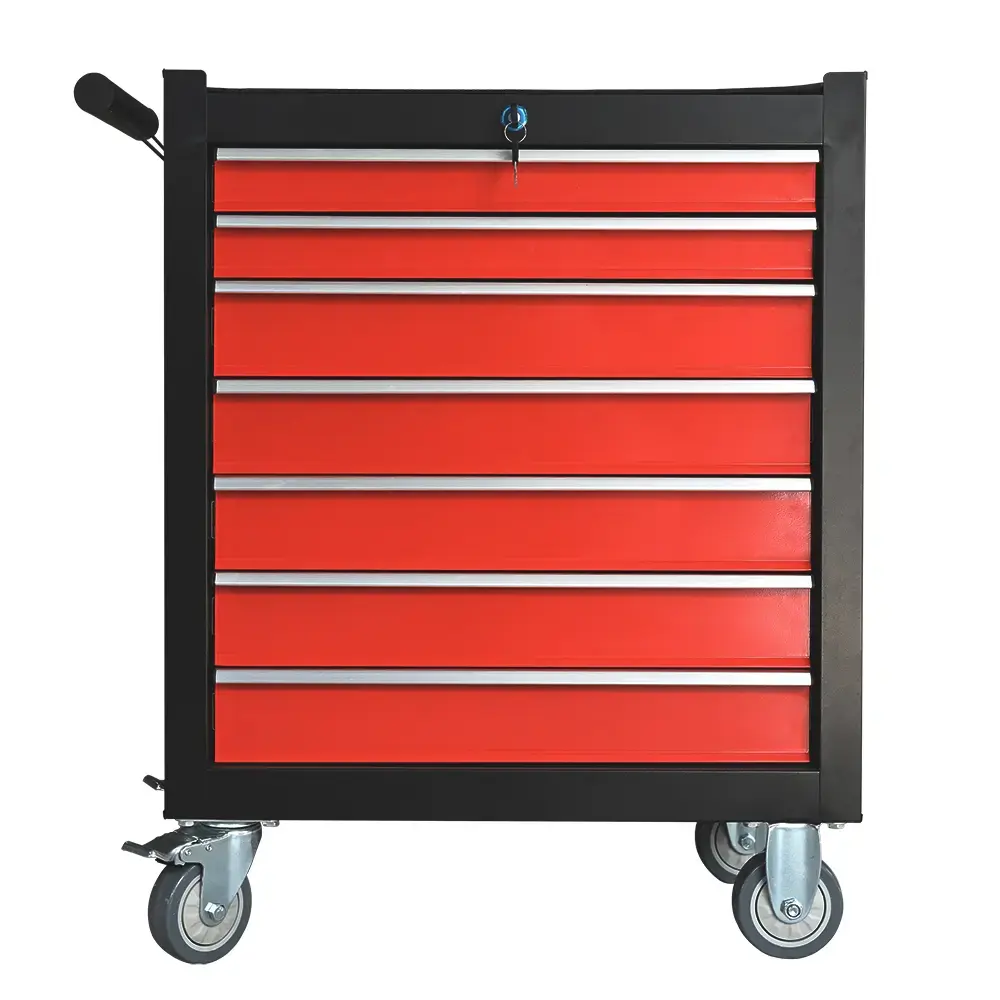


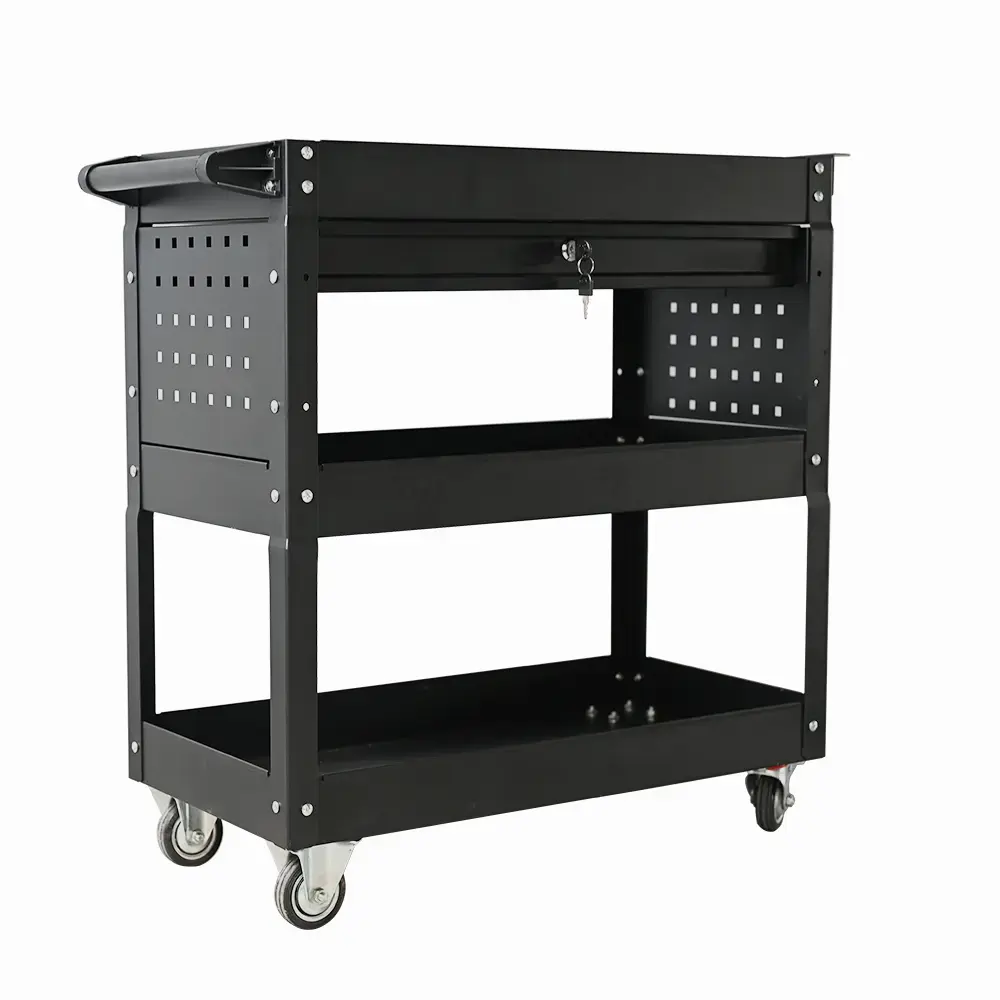
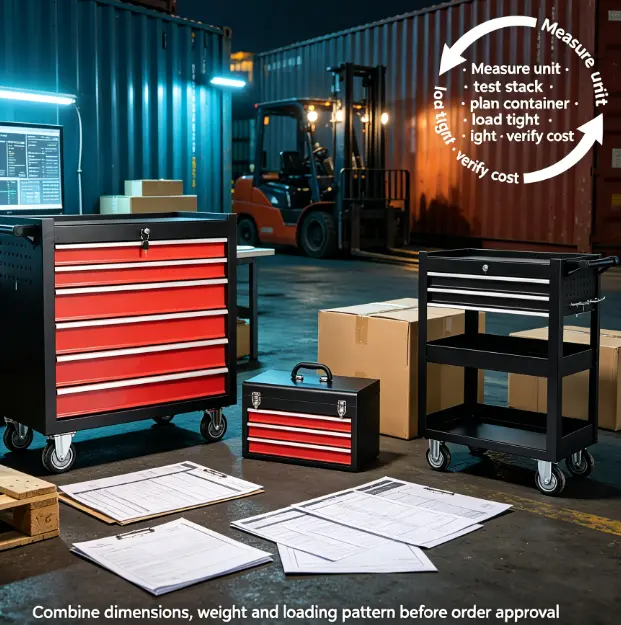

Plan storage according to the characteristics of the tools
The customization value of the toolbox is largely reflected in the personalized design of the inner sections. Reasonable partitioning can ensure that tools are in their proper places, avoiding the waste of time by rummaging through them, and is especially suitable for scenarios with complex tool types.
The basic logic is to partition by tool functions: the Toolbox can be divided into "Frequently Used Area", "Precision Area" and "Heavy Area". The frequently used area is designed on the upper layer of the box or at the opening, and uses shallow grooves or magnetic plates to fix high-frequency tools such as screwdrivers and tape measures. The precision area is lined with sponge to dig out the corresponding tool Outlines, protecting vulnerable parts such as multimeters and drill bits. The heavy-duty area is located at the bottom of the box, equipped with reinforced partitions to store heavier tools such as wrenches and hammers, while lowering the center of gravity of the box to prevent it from toppling over.

Customized zoning based on the working scenario is more targeted: The electrician's toolbox can be equipped with insulating material partitions to prevent short circuits in metal tools. The auto repair toolbox can be designed with long strip-shaped grooves specifically for placing socket wrench sets. Household toolboxes can simplify the partitioning process by using detachable partitions for flexible combination, meeting the mixed storage needs of screwdrivers, tape, spare parts, etc.
Detailed design enhances practicality: Silicone anti-slip strips can be installed at the edges of the zones to prevent tools from colliding during movement. Ventilation holes can be reserved in some areas to prevent tools from rusting in a humid environment. The small parts area can be equipped with transparent cover compartments for easy and quick identification of the contents. Good partition customization can reduce the time for each tool retrieval and placement by more than half, indirectly improving work efficiency.