Leave Your Message

0102030405
Procurement Strategy for Suppliers' Capacity Ramp-Up Phase: Ensuring the Quality of the First Batch of Orders
2026-02-06
Procurement Strategy for Suppliers' Capacity Ramp-Up Phase: Ensuring the Quality of the First Batch of Orders
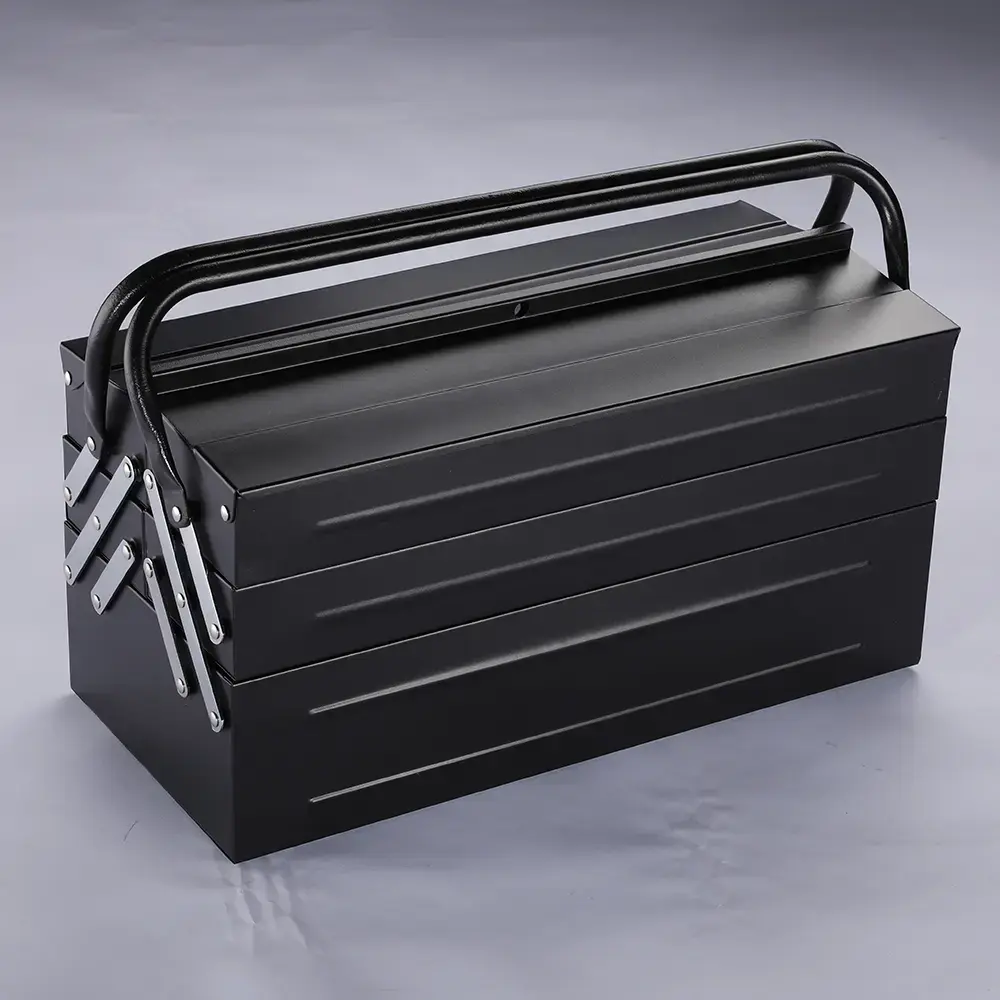
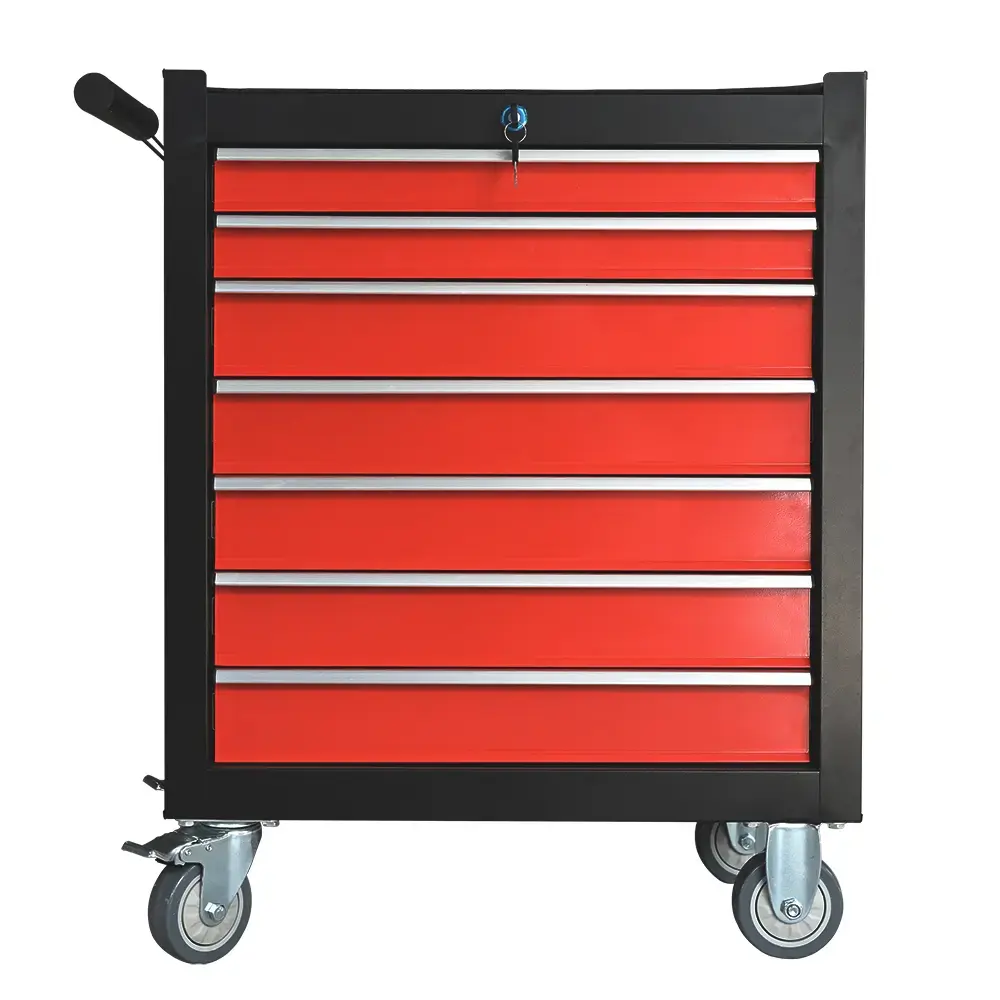
The procurement strategy during the capacity ramp-up phase of suppliers is the most error-prone link for cross-border buyers and wholesalers in the mobile Toolbox industry. Oftentimes, the sample quality you negotiate is perfect, but the first bulk order is plagued with issues like loose buckles, stuck rollers, and even deformed cases. What’s even more troublesome is that delivery dates may be repeatedly delayed. For cross-border procurement, this leads to customs clearance delays and end-customer complaints; for domestic wholesale, it results in losses from inventory backlogs. Based on my more than a decade of practical experience in the mobile toolbox sector, this article will teach you to avoid all pitfalls during the capacity ramp-up phase, firmly secure the quality of the first batch of orders, and provide a clear framework for supplier selection, quality control, and delivery date management. Next, we will break down actionable methods step by step from three core stages: pre-procurement, during procurement, and post-procurement.
How to Screen Mobile Toolbox Suppliers: Avoiding "Pseudo-Reliable" Manufacturers During the Capacity Ramp-Up Phase
A common mistake among many buyers is only evaluating suppliers based on samples and quotes, while ignoring their actual capacity during the ramp-up phase. Some manufacturers deliver exquisite samples, but once production scales up, inadequate production line debugging and unskilled worker operations lead to a complete "disaster" in the quality of the first batch of orders. Especially for mobile toolboxes—products requiring precise assembly—every detail, from buckles and rollers to case welding, relies on mature production processes.
I once worked with a client engaged in cross-border procurement for Europe and America, specializing in intelligent mobile vehicle toolboxes. To cut costs, they chose a supplier whose quotes were 15% lower than competitors’. In the early sample testing phase, the load-bearing capacity and water resistance fully met requirements. However, when the supplier entered the capacity ramp-up phase and produced the first batch of 500 units, all issues surfaced: nearly 60 toolboxes had loose roller installations, making them impossible to drag normally by end customers. The entire batch had to be recalled, resulting in losses from freight and customs duties, as well as the loss of two long-term retail partners. Later, I helped them adjust their screening strategy to prioritize suppliers’ capacity ramp-up plans and past cases. They ultimately found a manufacturer with experience cooperating with the State Grid system, and the qualified rate of the subsequent first batch of orders directly rose to over 98%.
Buyers often ask me: How should we balance quote levels for suppliers during the capacity ramp-up phase? The answer is simple: end customers of mobile toolboxes are mostly construction workers and repair technicians who carry toolboxes to job sites every day. Poor-quality products cannot retain customers. Instead of opting for low-cost suppliers to save a little, spend an extra 1–2 days verifying the manufacturer’s strength. Even if the quote is slightly higher, ensuring the quality of the first batch of orders will save costs from returns and compensation in the long run.
Quality Control Process for the First Batch of Mobile Toolbox Orders: How to Safeguard the Quality Bottom Line During the Capacity Ramp-Up Phase
During the capacity ramp-up phase, suppliers are most prone to the problem of "rushing progress at the expense of quality." Especially for manufacturers with newly expanded production lines, unskilled workers are likely to make assembly errors and fail to control details. At this time, the buyer’s quality control intervention is the key to securing the quality of the first batch of orders—and quality control must Permeate the entire production process, not just upon receiving the goods.
Let’s share a real case of a domestic wholesaler: this client specializes in small intelligent mobile toolboxes. Previously, when cooperating with a supplier, they only conducted a simple appearance inspection before shipment and ignored the production process. As a result, upon receiving the first batch of 300 units, nearly 40 toolboxes had unsmooth buckle opening and closing, and 10 cases had slight deformation. When the client negotiated with the supplier, the supplier shirked responsibility by claiming "mistakes are inevitable during the capacity ramp-up phase." In the end, the client had to bear the losses themselves. Later, following my suggestions, they required the supplier to send daily production line assembly videos during production—focusing on buckle installation and roller fixation—and assigned one quality control personnel to be on-site. This allowed for timely reminders and adjustments when issues arose, and no similar quality problems occurred in subsequent first batch orders.
A common question from buyers: If the purchase volume is small and the supplier is unwilling to cooperate with on-site quality control or send production videos, what should we do? There’s no need to dwell on this. You can negotiate a small-batch trial production with the supplier—for example, 100–200 units first. Place a large order only after passing acceptance. This not only reduces the supplier’s cooperation costs but also helps identify potential quality risks during the capacity ramp-up phase in advance, avoiding mass production failures.
Pitfall-Avoidance Tips for Cross-Border Procurement of Mobile Toolboxes: How to Balance Delivery Date and Customs Clearance During the Capacity Ramp-Up Phase
For cross-border buyers, in addition to controlling quality during the capacity ramp-up phase, it’s crucial to focus on delivery dates. Delayed delivery not only misses replenishment windows on platforms like Amazon and eBay but also may result in high customs detention fees—losses far more severe than quality issues. Moreover, with the continuous escalation of U.S. tariff policies, delivery delays may also increase additional tariff costs, further compressing profit margins.
I know a cross-border buyer specializing in Amazon premium products. When previously procuring intelligent mobile vehicle toolboxes, they agreed on a 30-day delivery date with the supplier. However, due to the supplier’s unsuccessful capacity ramp-up, the delivery was delayed by a full 12 days. When the goods arrived at the port, they not only missed the platform’s peak replenishment period but also incurred nearly $2,000 in detention fees. They then faced end-customer Urging for order placement and negative reviews, with total losses exceeding the profits from the first batch of orders. Later, they explicitly included a delivery buffer period in the procurement contract and required the supplier to inform them of production progress 3 days in advance. Once a delay risk emerged, they promptly adjusted the logistics plan, effectively avoiding such issues.
Many cross-border buyers ask: How to judge if a supplier’s delivery date is reliable during the capacity ramp-up phase? The core lies in two points: first, the supplier’s capacity ramp-up plan, such as the number of new production lines added and the stable daily output; second, whether they have a complete emergency plan—for example, being able to adjust the production rhythm in a timely manner in case of raw material shortages or equipment failures. Additionally, be sure to reserve a 7–10 day delivery buffer period to avoid customs clearance and platform listing delays caused by low-probability events.

Acceptance and Risk Contingency for the First Batch of Mobile Toolbox Orders: How to Minimize Losses During the Capacity Ramp-Up Phase
No matter how strict the pre-selection and quality control are, the acceptance stage of the first batch of orders cannot be neglected. Many quality problems can only be identified during actual acceptance—especially core indicators like the load-bearing capacity and water resistance of mobile toolboxes, which require professional testing to confirm compliance. Moreover, acceptance should not only check appearance but also test performance; otherwise, it’s easy to encounter a situation where "the surface is qualified but the actual product is not."
I once worked with a cross-border buyer who only checked the appearance of the first batch of mobile toolboxes during acceptance and did not conduct load-bearing tests. As a result, after the goods were shipped to Europe and America, some customers reported that the rollers broke when the toolboxes were loaded with tools, forcing a full recall. Later, they adjusted the acceptance process: randomly selecting 50 units per batch to test roller load-bearing capacity (able to withstand at least 50kg), buckle opening and closing 100 times without loosening, and testing the water resistance of the case to ensure it meets end-customer usage needs. No such quality complaints occurred afterward.
A buyer asked me: How to negotiate with the supplier to resolve a small number of unqualified products in the first batch of orders? My suggestion is to clearly define the return, exchange, and compensation procedures for unqualified products in the procurement contract. For a small number of unqualified products, require the supplier to reissue them within the specified time; for batch unqualified products, directly return them in accordance with the contract and demand the supplier to bear the corresponding freight and losses to avoid being taken advantage of.
FAQ: High-Frequency Questions About Procurement During the Capacity Ramp-Up Phase for Mobile Toolboxes
- Q: How to determine the order quantity for the first batch during the capacity ramp-up phase of mobile Toolbox Suppliers? A: Prioritize small-batch trial production, with the trial quantity controlled at 100–500 units. Gradually expand the order scale only after passing acceptance. This not only reduces procurement risks but also gives suppliers sufficient time to adapt to the capacity ramp-up rhythm, avoiding mass quality issues.
- Q: For cross-border procurement of mobile toolboxes, how to balance quality and delivery date during the capacity ramp-up phase? A: The core is advance planning and two-way binding: clarify quality standards and delivery buffer periods with suppliers, closely monitor quality control during production, and avoid sacrificing quality to meet delivery dates; at the same time, connect with logistics and customs clearance channels in advance, reserve sufficient customs clearance time, and reduce losses caused by delivery delays.
- Q: What to do if negotiations with the mobile toolbox supplier fail to resolve quality issues in the first batch of orders? A: First, retain all relevant vouchers such as procurement contracts, inspection reports, and communication records—these are key to safeguarding rights; second, seek mediation through industry associations or entrust third-party institutions for quality appraisal to clarify the responsible party; if negotiations still fail, pursue legal rights protection in accordance with the contract, and promptly replace backup suppliers to avoid affecting subsequent supply.
In reality, procurement for mobile toolboxes during the supplier capacity ramp-up phase is not scary—what’s scary is the lack of a scientific procurement strategy, blind supplier selection, and neglect of quality control and delivery date management. As long as you do a good job of pre-procurement supplier screening, full-process quality control during procurement, and post-procurement acceptance and risk contingency, you can firmly ensure the quality of the first batch of orders and reduce procurement risks. Whether you are a cross-border buyer, wholesaler, or end-customer, following this set of strategies will help you avoid all pitfalls during the capacity ramp-up phase, achieve long-term and stable cooperation, and this is the core value of the procurement strategy for the supplier capacity ramp-up phase.
Meta Description
The procurement strategy during the supplier capacity ramp-up phase is a core focus for buyers in the mobile toolbox industry. Combining years of industry practical experience and real cases, this article shares actionable methods for supplier selection, first-batch order quality control, delivery date management, and acceptance contingency for cross-border buyers and wholesalers. It helps you avoid procurement pitfalls, ensure the quality of the first batch of orders, support efficient procurement, achieve long-term stable cooperation, and quickly improve end-customer satisfaction.
Keywords
supplier capacity ramp-up phase procurement strategy, mobile toolbox first batch order quality, cross-border procurement of mobile toolboxes, mobile toolbox supplier screening, mobile toolbox procurement quality control