
Leave Your Message




0102030405
Solving Pain Points for Smart Home Solution Providers
2026-04-15
As smart homes evolve from high-end concepts to large-scale popularity, the challenges faced by System Integrators (SIs) and service engineers are shifting from "how to design" to "how to deploy and commission efficiently and reliably." The complexity of on-site installation, the management of multi-category equipment, and the consistency of end-user experience are the keys to determining project profitability and reputation. However, an often overlooked but crucial link is the logistics and tool management of the service team. Professional Toolboxes,tool carts, and Tool Cabinets are no longer merely containers for equipment, but "mobile command centers" that improve on-site work efficiency, ensure installation quality, and optimize service image. This article explores how to solve the core pain points in smart home on-site commissioning by optimizing the adaptation of tool carts and tools.

Core Pain Points of On-Site Installation and Commissioning: Chaos is the "Number One Killer" of Efficiency and Quality
Smart home on-site installation is a systematic project, usually involving network equipment, sensors, controllers, actuators (such as smart locks, curtain motors), cables, and various Hand Tools. Solution providers generally face the following challenges:
Inefficient Tool and Part Management
Engineers need to move frequently between different rooms and floors to find the right screwdrivers, network cable testers, multimeters, or specific types of screws and cable terminals. Traditional tool backpacks or disorganized toolboxes lead to a lot of time wasted on "searching," affecting project progress and potentially causing equipment damage due to the use of incorrect tools. This is a key pain point that professional tool cart selection aims to solve.
Insufficient Protection for Precision Equipment
High-value and precision equipment commonly used in smart home commissioning, such as network analyzers, signal testers, and smart gateway commissioning terminals, are at high risk of vibration, extrusion, and falling during transportation and on-site operations. Unprofessional storage methods can directly cause equipment failures and property losses— a critical issue addressed by quality smart home commissioning tools and storage solutions.
Chaotic Management of Accessories and Consumables
A smart home project may use dozens or even hundreds of small accessories, such as screws of different specifications, expansion tubes, cable clips, terminals, and spare batteries. Mixed storage, loss, or delayed supply can lead to installation interruptions and even require a second visit, seriously affecting customer satisfaction and increasing costs. This highlights the importance of tool cart modular storage.
Professional Image and Customer Trust
When service engineers visit a customer, a messy tool bag contrasts sharply with a neat, organized, professional-grade multi-functional tool cart. The latter immediately establishes a professional and reliable first impression, enhancing customer trust— which is particularly important for high-end residential projects. This directly ties into smart home installation tool management and brand reputation.

Tool Cart and Tool Adaptation Solutions for Solution Providers
To address the above pain points, a well-thought-out tool carrying and management system is the core of the solution. This is not just about buying a tool cart, but about systematic configuration around work processes— a key part of tool storage solutions.
Hierarchical and Modular Storage System
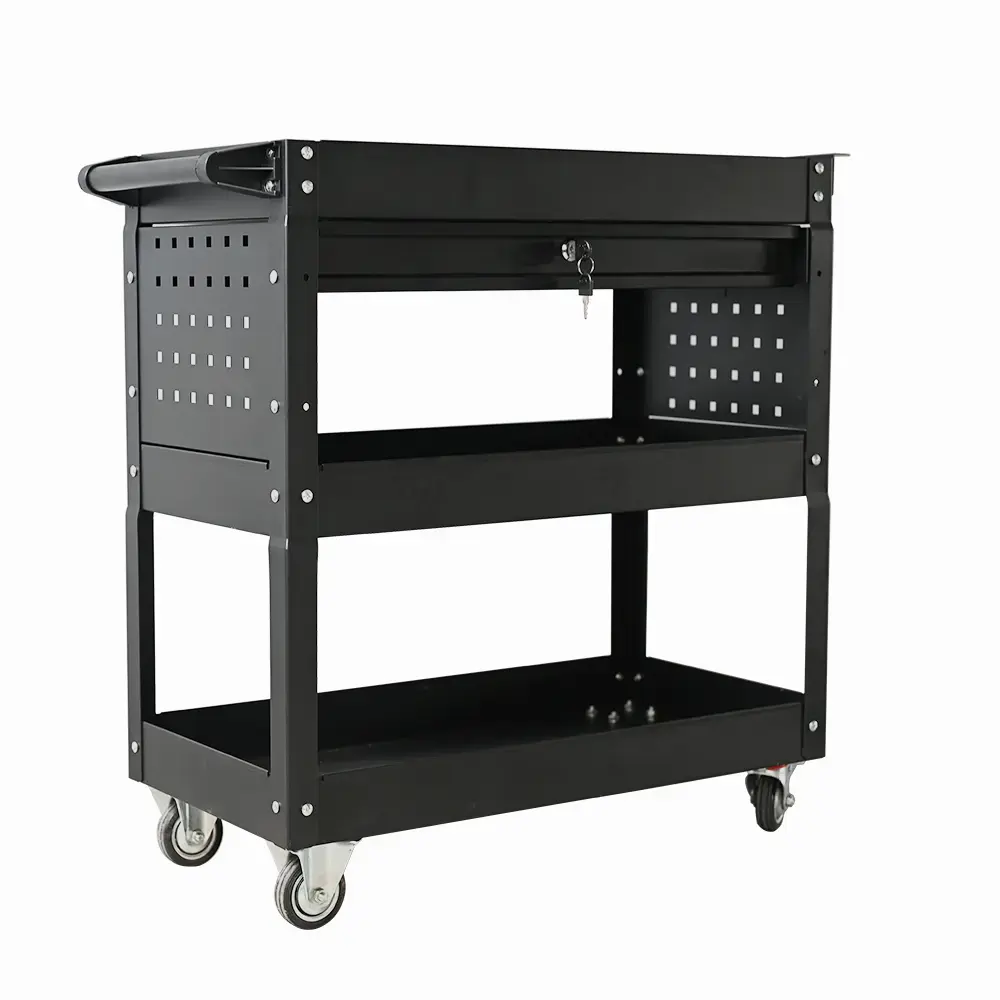
Top/Tabletop Area: As an "immediate work area," it is used to place the most commonly used tools for the current step (such as electric screwdrivers, wire strippers) and the smart central control panel or router being commissioned. It should be flat and non-slip, and may be equipped with small part compartments to prevent screws from rolling off.
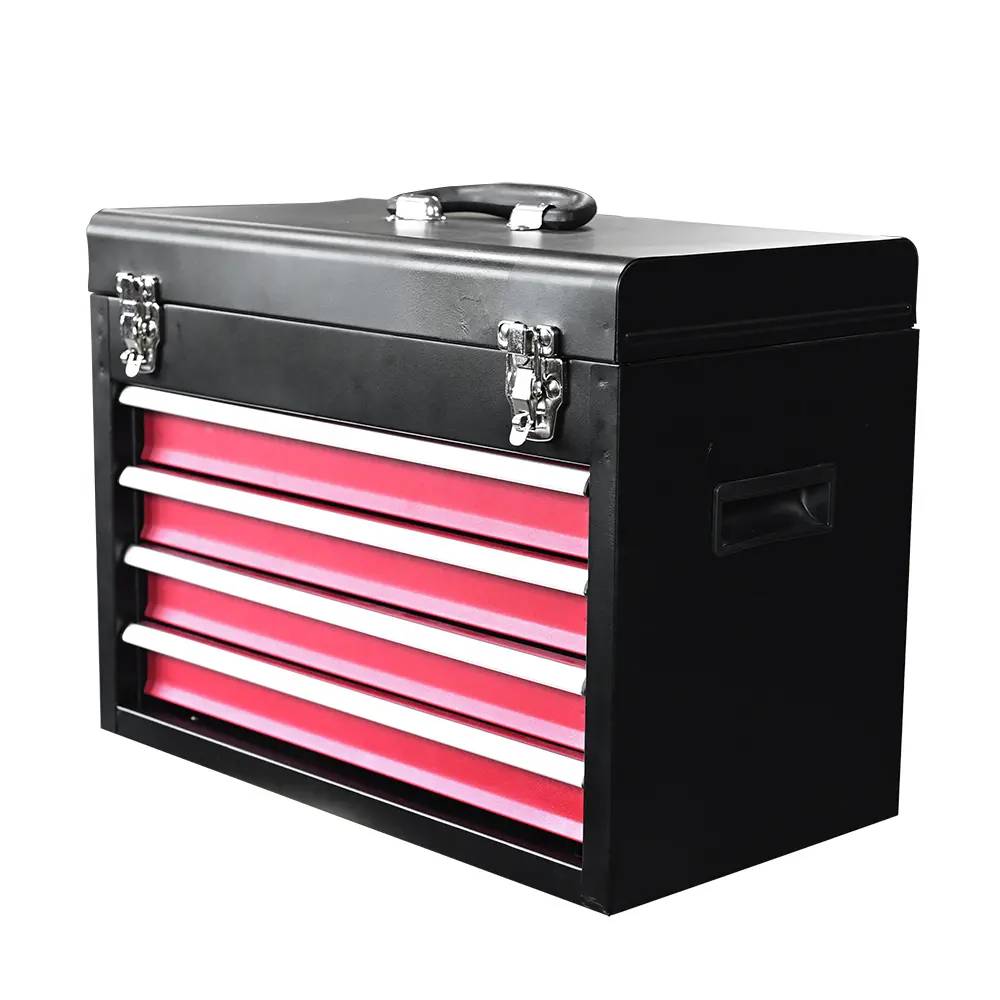
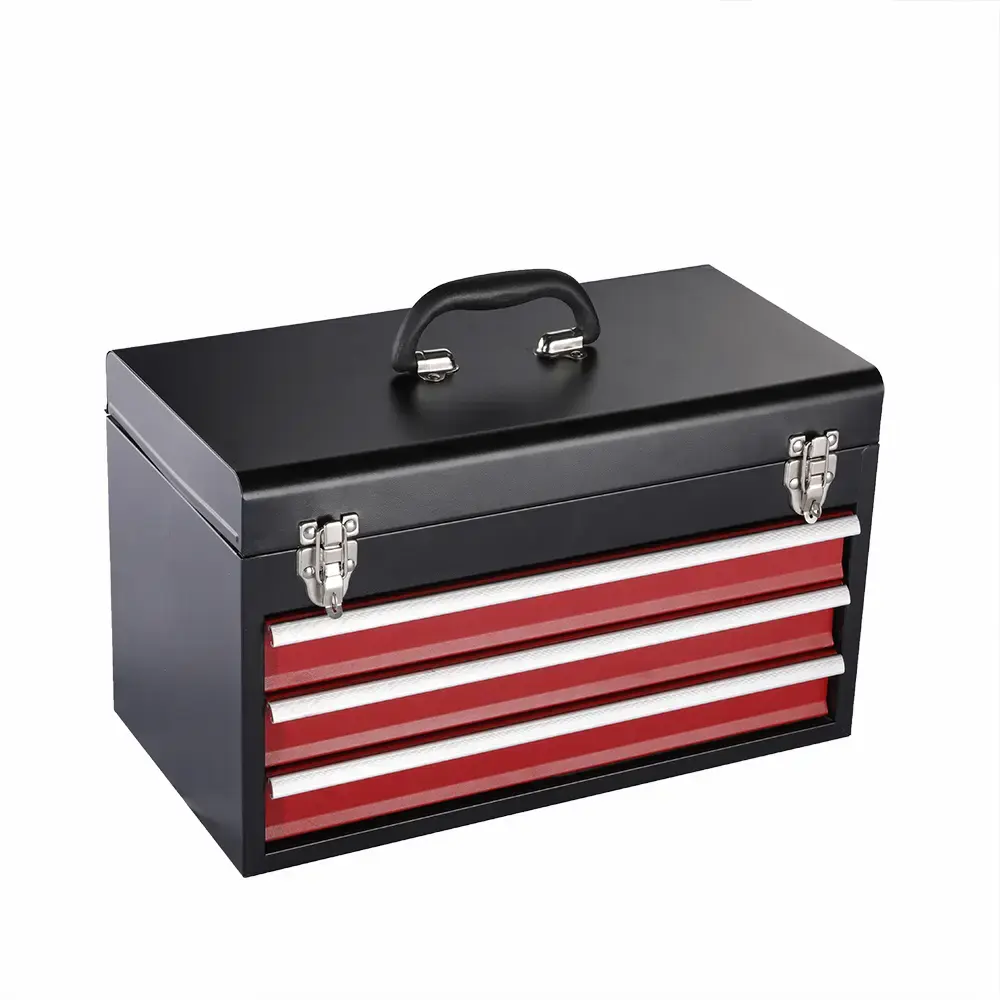
Drawer Area: Enables fine classification. Use adjustable dividers to divide drawers into different areas for network tools (RJ45 connectors, crimping tools, cable testers), electrical tools (multimeters, test pens, cable detectors), general hand tools (screwdriver sets, wrenches), and smart device-specific tools (such as brand-specific commissioning keys, disassembly pry bars). Clear labels are key to efficient searching— a hallmark of effective installation service toolboxes.
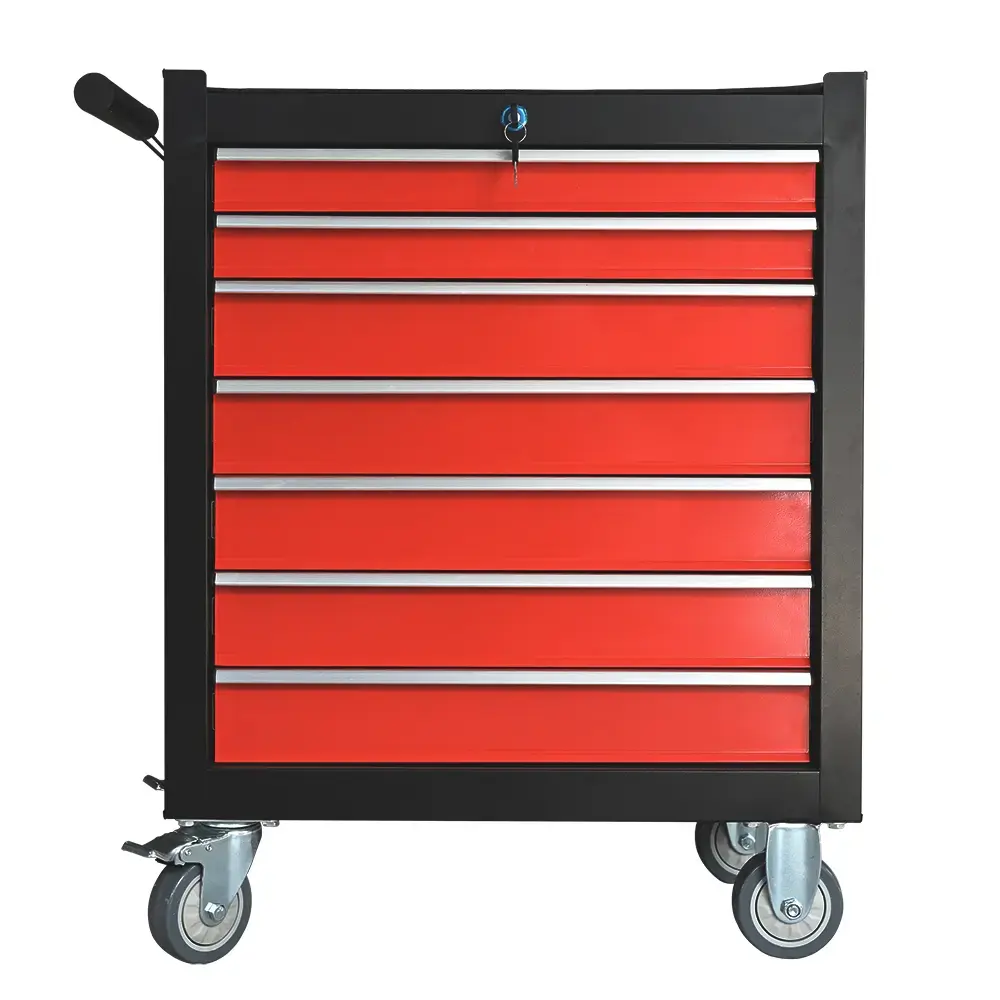
Lower/Cabinet Area: Stores larger, heavier, or less frequently used equipment, such as spare routers, cable reels, impact drills, vacuum cleaners, and finished devices to be installed (such as smart speakers and sensors). Lockable cabinet doors can ensure the safety of high-value equipment, an essential feature for smart home engineer equipment.
Specialized Adaptive Design for Smart Home Installation
Power Supply and Cable Management: Modern tool carts should integrate a multi-functional power module, providing AC sockets, USB fast charging ports, and DC cigarette lighter ports to meet the simultaneous charging needs of laptops, mobile phones, Bluetooth headsets, various commissioning terminals, and electric tools. The cart body should have reasonable wire holes and cable management hooks to avoid tangling of power cords and network cables, ensuring safety and aesthetics.
Anti-Static and Equipment Protection: Drawers storing circuit boards and smart gateway modules should have anti-static liners. The tool cart as a whole should have good shock-absorbing wheels and a sturdy frame structure to protect precision instruments during movement and vehicle transportation. For display screen equipment, a padded inner bag can be used before placing it in the tool cart— a critical detail for protectingsmart home commissioning tools.
Mobility and Space Adaptability: The tool cart needs to move smoothly and quietly on residential tiles, wooden floors, and carpets, with wheels equipped with brake fixing functions. Its size should be able to pass through standard doorways and elevators, and flexibly turn in compact spaces— a key consideration for tool cart customized configuration.

Establishing Standardized On-Site Work Processes
Bind the configuration of the tool cart to the Standard Operating Procedure (SOP) for installation. For example, pre-set standard configuration lists for each layer of the tool cart drawer for different stages such as "network deployment," "sensor installation," and "equipment racking and commissioning." Engineers check against the list before departure to ensure all tools are available. After completion, they return tools to their positions in accordance with the list to prepare for the next project.
This not only reduces omissions but also allows new engineers to get started quickly, ensuring consistent service quality across different teams— a core goal of on-site operation standardization.
Conclusion: Tool Carts Are Efficiency Tools, and Extensions of Management Philosophy
For smart home solution providers, the return on investment in professional tool storage solutions far exceeds the purchase cost. A well-designed heavy-duty tool cart or a set of modular toolboxes directly translates into shorter project cycles, lower operating costs (reducing equipment damage and rework), higher customer satisfaction, and a stronger brand professional image by solving on-site chaos, protecting assets, and improving efficiency.
When selecting a supplier, solution providers should seek partners that not only offer durable products but also understand on-site work processes. Excellent tool cart manufacturers should design products that reflect a deep insight into the needs of professional workers, providing abundant customized partitioning options, reliable moving parts, and long-lasting durability.
Ask suppliers: "Given that smart home installation engineers need to carry multiple precision electronic testers and traditional tools at the same time, what specific designs does your tool cart have in terms of shock resistance, power integration, and fine classification?" The answer to this question will help you identify solutions that can truly enhance your team's combat effectiveness.