Leave Your Message




0102030405
Structural Mechanics of Cantilever Toolboxes: How to Achieve Stable Multi-Layer Load-Bearing
2026-02-04
Structural Mechanics of Cantilever Toolboxes: How to Achieve Stable Multi-Layer Load-Bearing
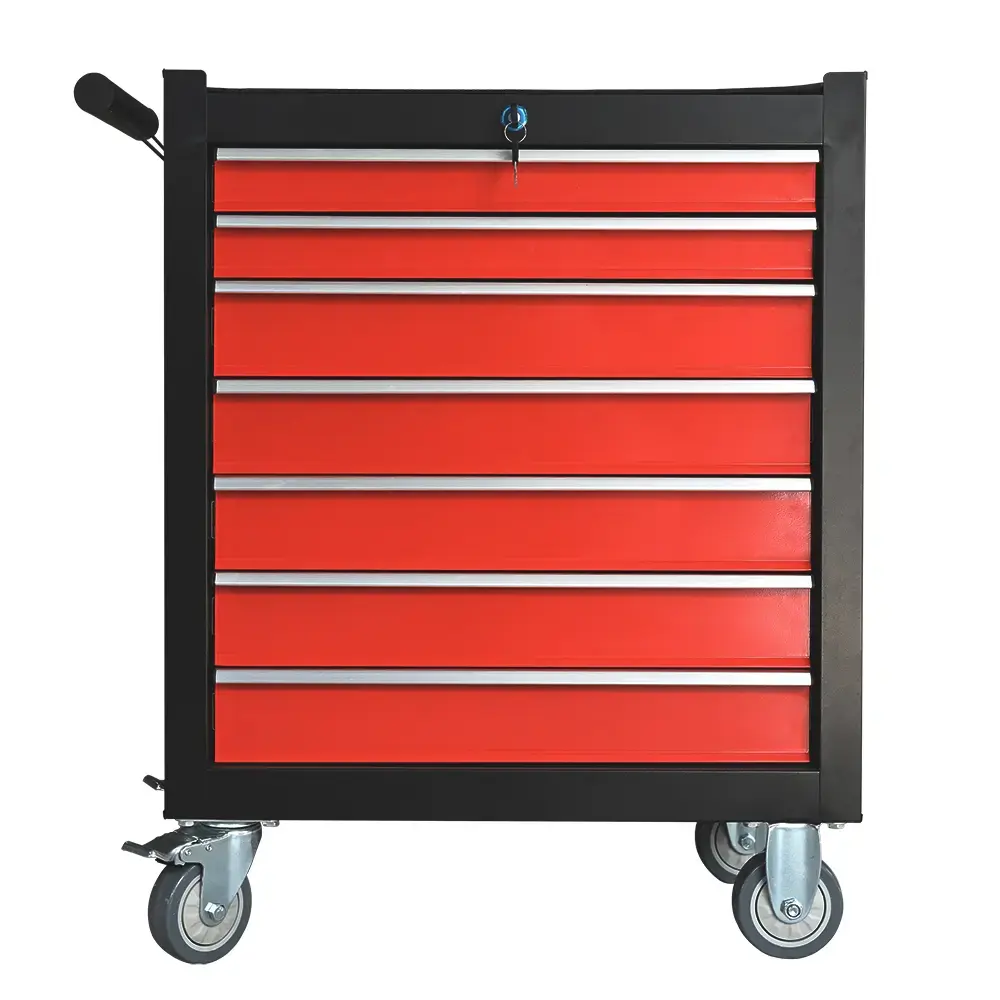
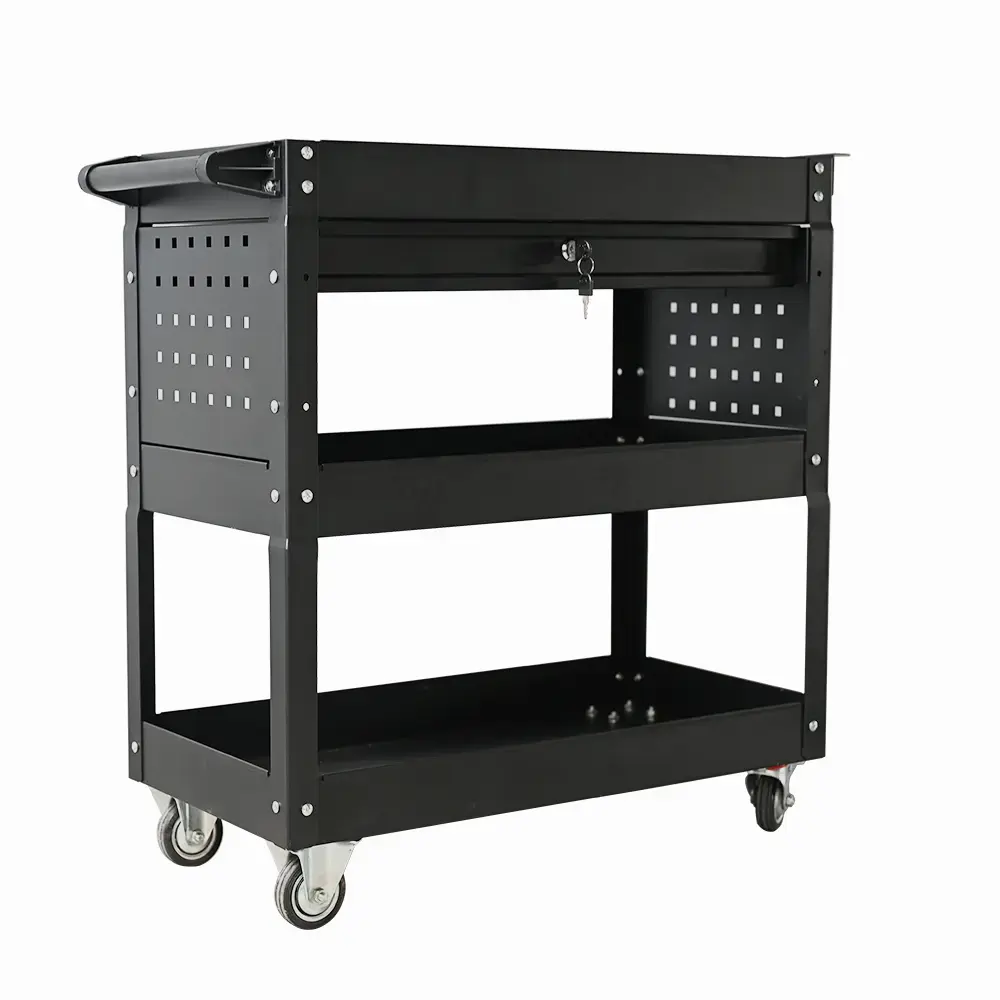
Are you struggling with the structural mechanics of cantilever Toolboxes—specifically, how to ensure stable multi-layer load-bearing? This is a top headache for cross-border buyers and wholesalers. When bulk-purchased toolboxes are stacked with heavy tools, they wobble severely, and even suffer from cantilever sagging and layer collapse, leading to endless complaints from end customers. This not only incurs cost losses but also damages brand reputation. In this article, we will break down the key to stable multi-layer load-bearing from the underlying logic of structural mechanics. Whether you are selecting products for procurement, bulk wholesaling, or end-use, you can avoid pitfalls and choose the right goods after reading. Next, we will decode the core secrets of stable multi-layer load-bearing in cantilever toolboxes step by step.
Cantilever Beam Design: What is the Core of Stable Multi-Layer Load-Bearing in Cantilever Toolboxes?
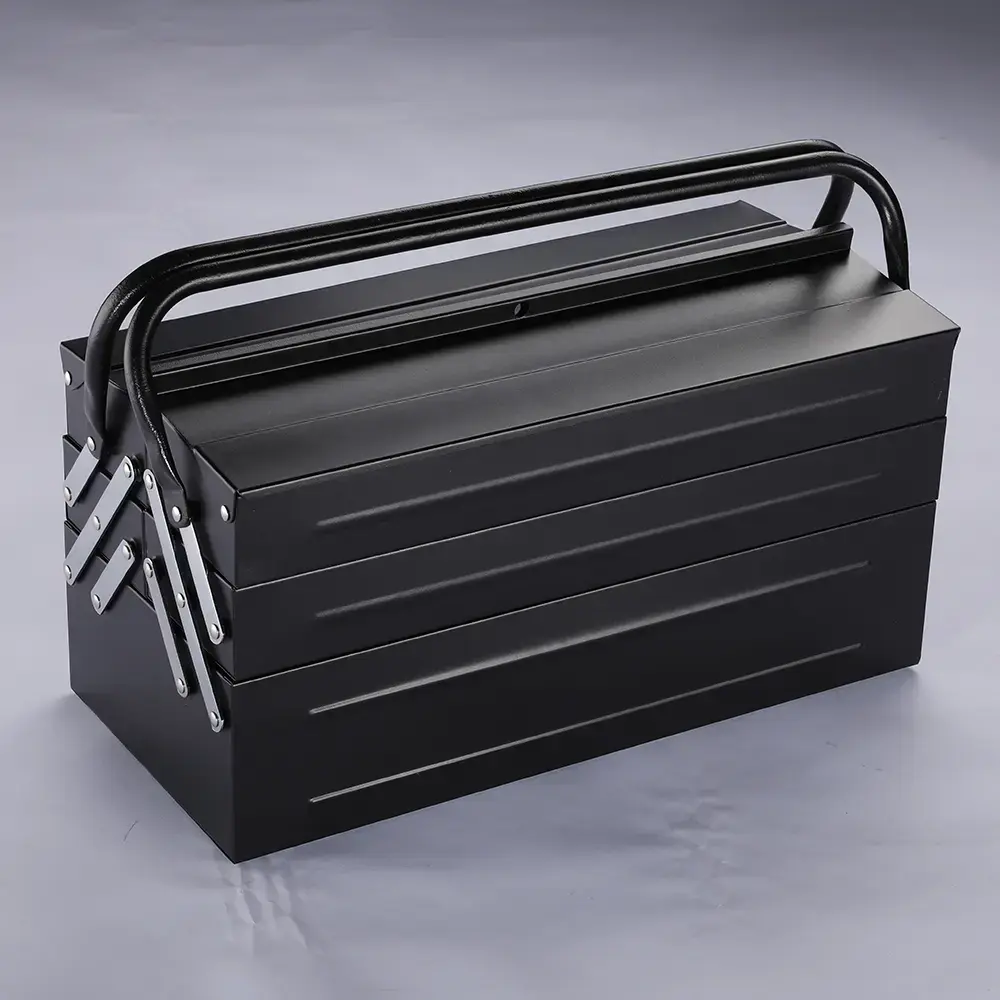
Many people don’t know that the ability of a cantilever toolbox to achieve stable multi-layer load-bearing hinges entirely on the design of its cantilever beam—this beam is equivalent to the toolbox’s "load-bearing arm". To support the weight of multi-layer tools, it must comply with the force balance principle in structural mechanics, which is the key differentiator between high-quality and low-quality products.
From a structural mechanics perspective, the load-bearing capacity of a cantilever beam depends on three key dimensions: length, thickness, and reinforcement structure. A cantilever beam that is too short limits storage space, while one that is too long easily causes uneven stress and sagging. Insufficient thickness leads to direct deformation, while excessive thickness increases the toolbox’s weight, making it difficult to carry. A reasonable reinforcement structure, however, can evenly distribute the stress on the cantilever beam and avoid excessive local stress.
We once collaborated with a cross-border buyer who bulk-purchased a batch of low-cost cantilever toolboxes for supply to auto repair shops. The cantilever beams were made of a single layer of thin steel plate with no reinforcement design. As a result, end customers reported that after stacking heavy tools like wrenches and sockets, the cantilevers sagged more than 3mm within less than a month, and even one layer of the panel collapsed completely. In the end, the entire batch had to be returned and reworked. Later, we recommended cantilever toolboxes with a triangular reinforcement structure to him: the cantilever beams were made of 3mm-thick cold-rolled steel plates, with auxiliary connecting rods on both sides forming a triangular support (the most stable structure in structural mechanics). After subsequent supply, similar complaints dropped to almost zero.
Many buyers ask: Does a longer cantilever beam mean poorer load-bearing capacity? The answer is not absolute—it depends on thickness and reinforcement design. For example, a 20-inch cantilever beam with 3mm-thick steel plates and triangular auxiliary reinforcement has a load-bearing capacity more than 30% higher than a 15-inch, 2mm-thick unreinforced cantilever beam, fully meeting the storage needs for multi-layer heavy tools.
Material Selection: How Different Materials Affect Multi-Layer Load-Bearing in Cantilever Toolboxes
When selecting materials for cantilever toolboxes, don’t just judge by appearance. The material strength in structural mechanics directly determines the upper limit of multi-layer load-bearing. Especially for cross-border procurement, where end customers are mostly from industrial and auto repair scenarios, material requirements are stricter. Choosing the right material can significantly reduce complaint rates.
Currently, the core materials for cantilever toolboxes on the market are mainly three types: cold-rolled steel, aluminum alloy, and engineering plastics. In terms of load-bearing capacity: cold-rolled steel > aluminum alloy > engineering plastics; in terms of portability: aluminum alloy > engineering plastics > cold-rolled steel; in terms of corrosion resistance: engineering plastics > aluminum alloy > cold-rolled steel. Procurement should flexibly choose materials based on end-use scenarios.
Among them, cold-rolled steel is the most suitable material for multi-layer load-bearing, especially Q235B high-strength structural steel. It has high tensile strength and strong bending resistance. After being processed via integrated molding technology, it can effectively avoid deformation during multi-layer load-bearing, making it the most recommended material for B-end customers. We have a wholesaler client who specializes in industrial tool wholesale. Previously, they used cantilever toolboxes made of engineering plastics; when stacking heavy tools in multiple layers, the panels were prone to deformation and cracking, leading to low repeat purchase rates.
After switching to cold-rolled steel with reinforced ribs on each layer panel, the rated load-bearing capacity per layer increased from 20kg to 40kg. The end customers’ repeat purchase rate directly rose by 30%, driving bulk reorders. A reminder: many low-cost products use recycled steel. Although the price is low, their load-bearing capacity and durability drop significantly, making multi-layer load-bearing prone to problems. Be sure to screen carefully during procurement.
B-end clients often ask: For cross-border procurement, is it more cost-effective to choose steel or aluminum alloy cantilever toolboxes? The answer depends on the end-use scenario:
- For auto repair shops, industrial workshops, and other heavy Tool Storage scenarios:Prioritize cold-rolled steel. It offers stable load-bearing and high durability. Although transportation costs are slightly higher, it reduces return losses.
- For household and light tool storage: Choose aluminum alloy. It is lightweight and easy to carry, with lower cross-border transportation costs and higher cost-effectiveness.

Layered Connection Structure: How to Avoid Wobbling and Collapsing in Multi-Layer Cantilever Toolboxes?
Many cantilever toolboxes have no issues with the cantilever beam or materials, yet still suffer from multi-layer wobbling and collapsing. The core reason is an unreasonable layered connection structure—the connection between layers is not firm, so force cannot be evenly transmitted to the cantilever beam, leading to problems when local stress is excessive.
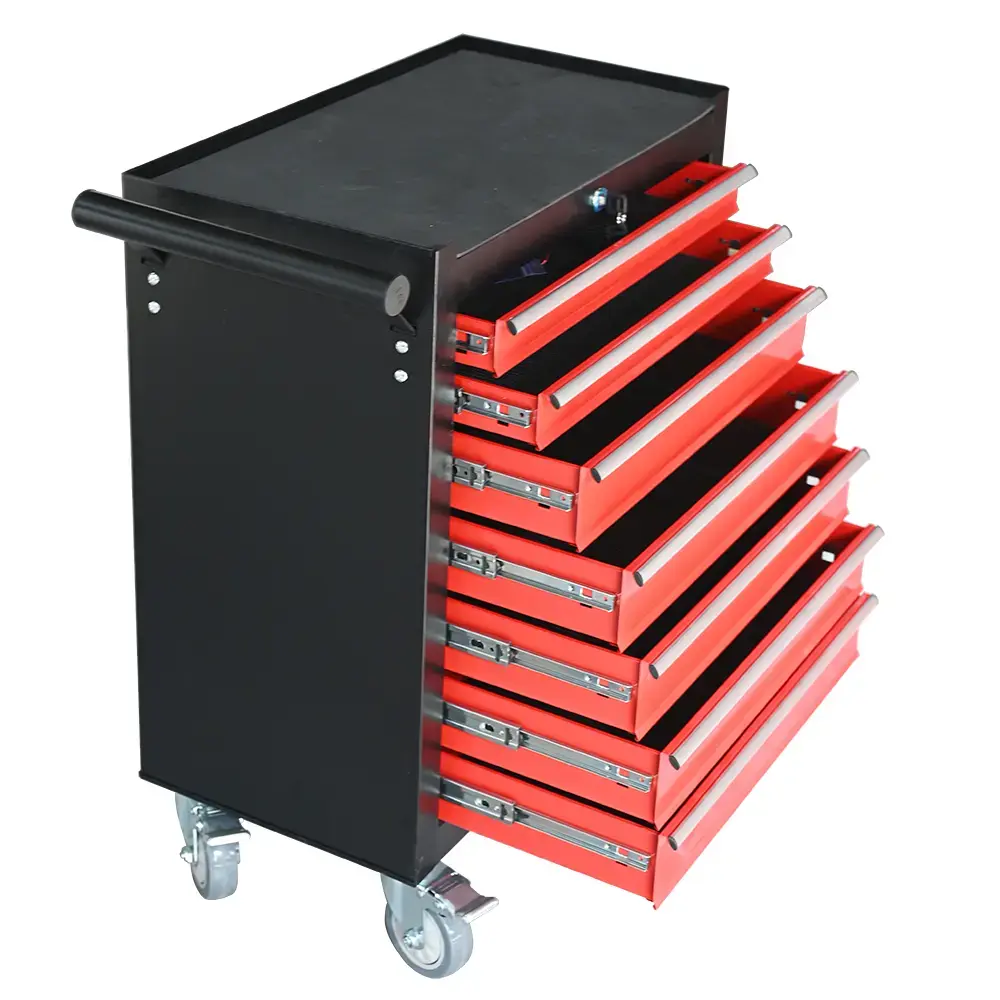
From a structural mechanics perspective, the key to multi-layer connection is rigid connection + uniform force transmission. This means that the connection between each layer panel and the cantilever beam cannot rely solely on simple screw fixation. Auxiliary fixing structures such as buckles and guide rails are also needed to ensure that the weight of each layer is evenly transmitted to the cantilever beam and the box body, avoiding concentrated local stress.
We collaborated with a client who wholesales construction tools. Previously, the cantilever toolboxes they purchased only used ordinary screws for layered connections, with no guide rails or buckles for fixing. After frequent tool retrieval and placement by construction site workers, the layered connections easily loosened, causing severe wobbling when stacked in multiple layers. Once, a worker dropped the upper layer panel while moving, nearly causing an injury. Later, we helped him optimize the connection structure: each layer panel was equipped with guide rail 卡槽 s for rigid connection with the cantilever beam, and reinforcing plates were added at the connections. The wobbling problem was completely solved, and end customer satisfaction improved significantly.
Many buyers also ask: What is the maximum number of layers a multi-layer cantilever toolbox can have, and what is the appropriate load-bearing capacity per layer? There is no fixed answer—it mainly depends on the cantilever beam design and materials. Conventionally:
- The maximum number of layers is 4, with a recommended load-bearing capacity of 20-50kg per layer.
- For heavy tool storage: Limit to 3 layers or fewer, with each layer not exceeding 50kg.
- For light tools: 4 layers are fully acceptable, with 20-30kg per layer. The more layers, the more critical the design of the cantilever beam and connection structure becomes.

Load-Bearing Testing and Acceptance: How to Confirm Multi-Layer Load-Bearing Compliance for Cross-Border Procurement?
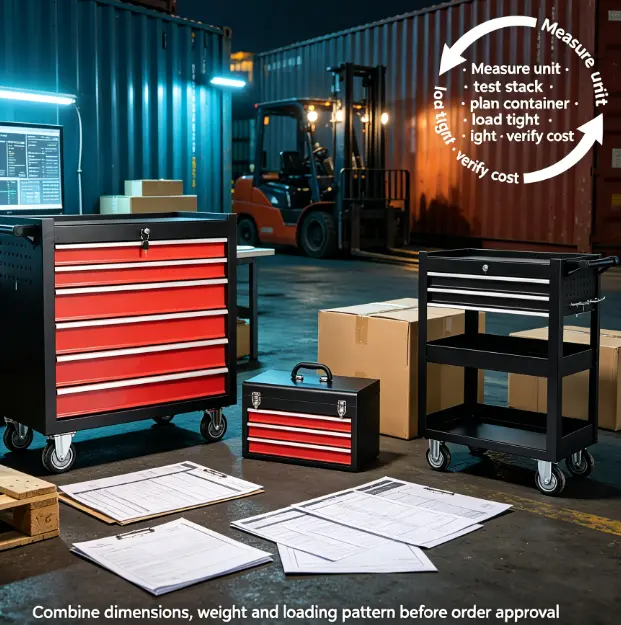
As cross-border buyers and wholesalers, the biggest concern is receiving goods that fail to meet multi-layer load-bearing standards, leading to returns, rework, and losses of time and costs. In fact, by mastering simple load-bearing testing methods and confirming acceptance criteria with suppliers in advance, you can effectively avoid this pitfall.
From a structural mechanics acceptance perspective, the multi-layer load-bearing test for cantilever toolboxes focuses on two key indicators: static load-bearing and repeated opening/closing load-bearing.
- Static Load-Bearing Test: Place 1.2 times the rated load weight on each layer, let it stand for 48 hours, and check for cantilever sagging, panel deformation, and connection loosening. Qualification requires no more than 2mm of sagging, no deformation, and no loosening.
- Repeated Opening/Closing Load-Bearing Test: Place the rated load weight on each layer, open and close the cantilever 500 times repeatedly, and check for structural stability. Qualification requires no loosening or deformation.
We once had a cross-border buyer specializing in the European and American markets. In their procurement contracts, they clearly required suppliers to conduct random inspections of 10% of each batch, perform static and repeated opening/closing load-bearing tests, and provide test reports. In the two years of subsequent cooperation, there were almost no returns due to non-compliant load-bearing, and the bulk reorder rate was very high. In contrast, some buyers only focus on price and do not require testing, often encountering load-bearing issues after receiving goods, resulting in greater losses.
Many buyers lack professional testing equipment and ask: How to simply test the load-bearing stability of a cantilever toolbox? It’s simple: place common heavy objects (such as 50kg cement bags or heavy tools) on each layer, let them stand for 24 hours to check for cantilever sagging and layer wobbling; then open and close the cantilever 100 times repeatedly to check for connection loosening. If possible, use a tape measure to measure the cantilever sagging—no more than 2mm means it is qualified, which is sufficient for daily procurement acceptance.

FAQ: Common Questions About Multi-Layer Load-Bearing in Cantilever Toolboxes
1. What are the common causes of unstable multi-layer load-bearing in cantilever toolboxes?
There are three core reasons:
- Unreasonable cantilever beam design (no reinforcement structure or insufficient thickness);
- Poor material quality (use of recycled steel, thin plastics, and other inferior materials);
- Unfirm layered connections (no auxiliary fixing structures like guide rails or buckles, leading to uneven stress distribution).
2. How to ensure multi-layer load-bearing compliance while controlling costs for cross-border procurement of cantilever toolboxes?
- Prioritize cold-rolled steel—no need for overly thick panels; 3mm thickness is sufficient for most scenarios;
- Adopt a triangular reinforcement structure for the cantilever beam: it is stable and does not increase costs significantly;
- Use guide rails + buckles for layered connections: more firm than pure screw fixation, with minimal cost increase, offering the highest cost-effectiveness.
3. What thickness of cantilever beam meets multi-layer load-bearing requirements?
- For general scenarios: Cantilever beam thickness should be no less than 2mm; 2mm is suitable for light tool storage.
- For heavy tool storage and multi-layer stacking scenarios: Choose 3mm-thick cold-rolled steel plates with auxiliary reinforcement structures to effectively avoid sagging and deformation, balancing load-bearing capacity and portability.
In summary, stable multi-layer load-bearing in cantilever toolboxes is never as simple as "thickening the panels"—it is a combination of structural mechanics, material selection, and connection design. Mastering these key points allows you, whether you are selecting products for cross-border procurement, bulk wholesaling, or end-use, to avoid inferior products and choose cantilever toolboxes with stable load-bearing and high durability. This not only reduces complaint rates but also boosts repeat purchase rates—and this is the core answer to the structural mechanics of cantilever toolboxes: how to achieve stable multi-layer load-bearing.
SEO Supporting Elements
Meta Description
Wondering about the structural mechanics of cantilever toolboxes: how to achieve stable multi-layer load-bearing? Senior experts in the toolbox field break down the core points of cantilever beam design, material selection, and layered connection. Combined with real industry Cases, they solve the problems of unstable load-bearing and easy deformation encountered in cross-border procurement and wholesale. Suitable for industrial, auto repair, and other scenarios, this is a must-read for procurement and product selection. Help reduce complaints, improve repeat purchase rates, and learn practical skills immediately!
Keywords
cantilever toolbox structural mechanics, cantilever toolbox multi-layer load-bearing, cross-border procurement cantilever toolbox, cantilever toolbox cantilever beam design, cantilever toolbox load-bearing stability