
Leave Your Message
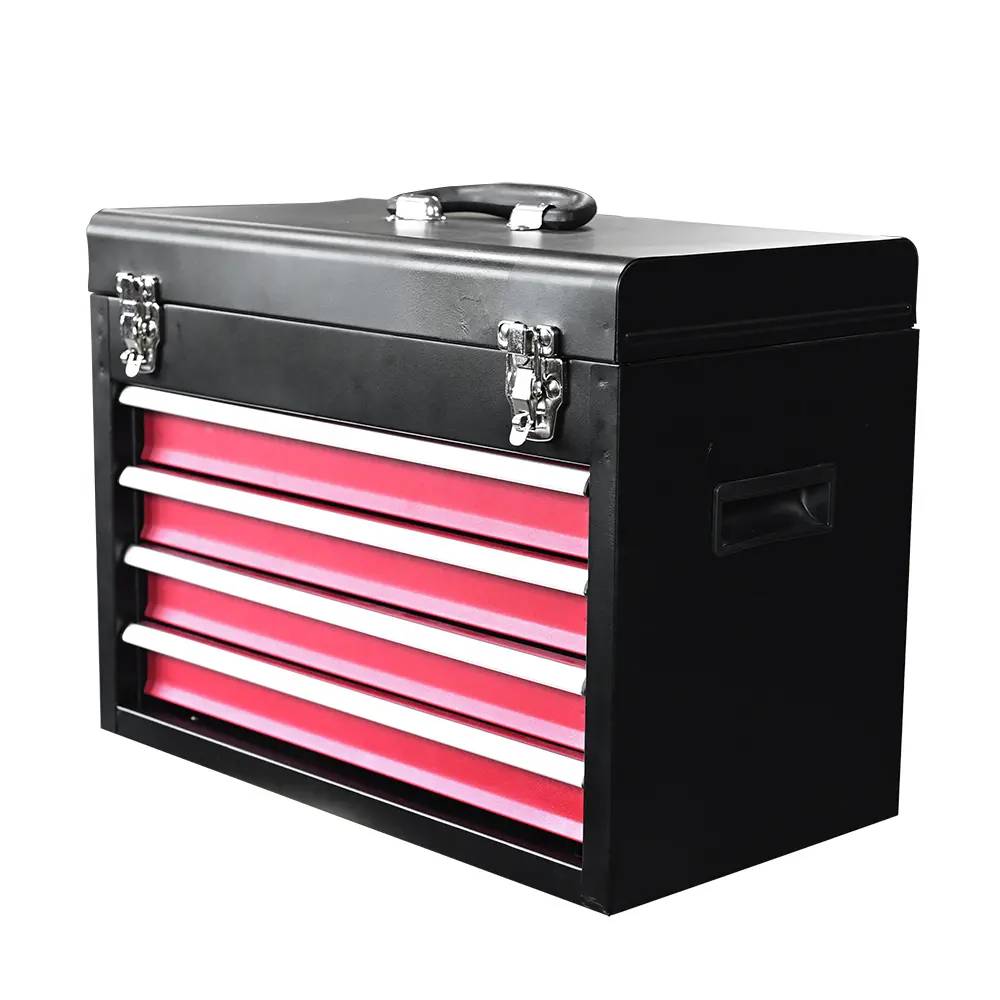
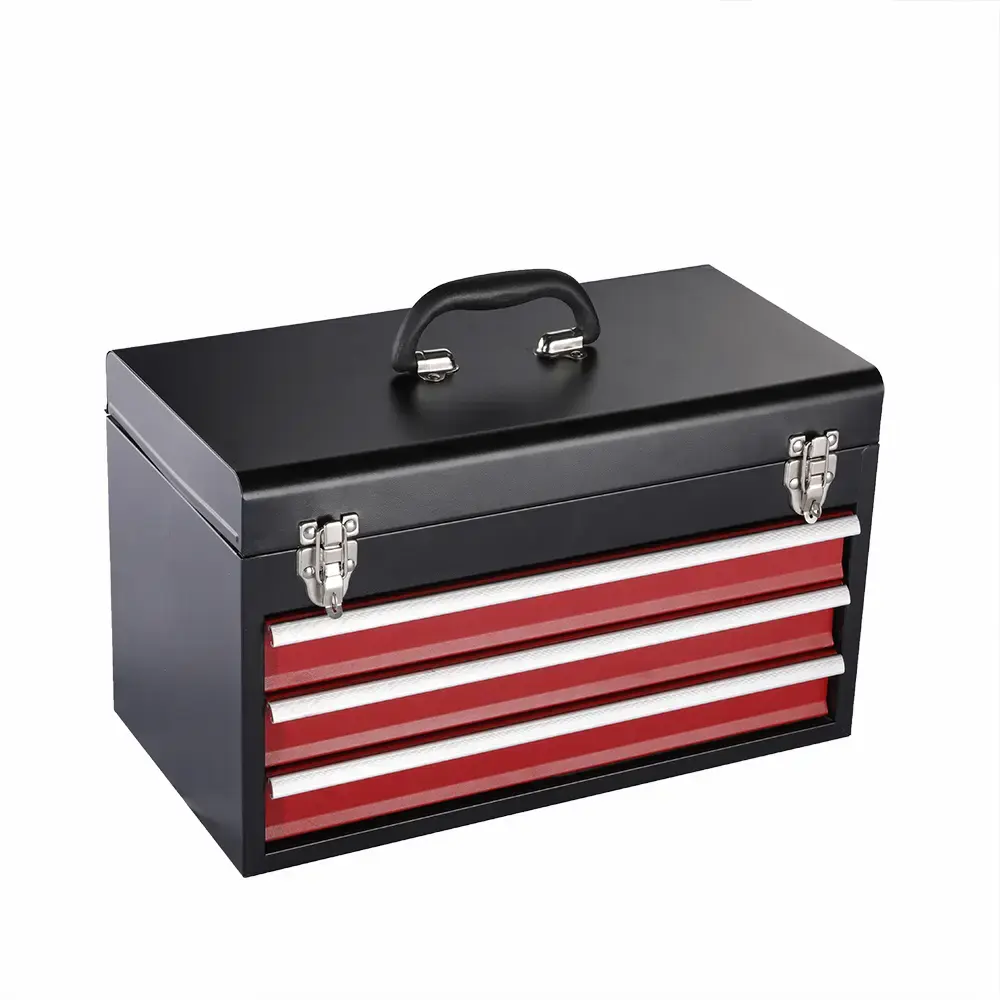

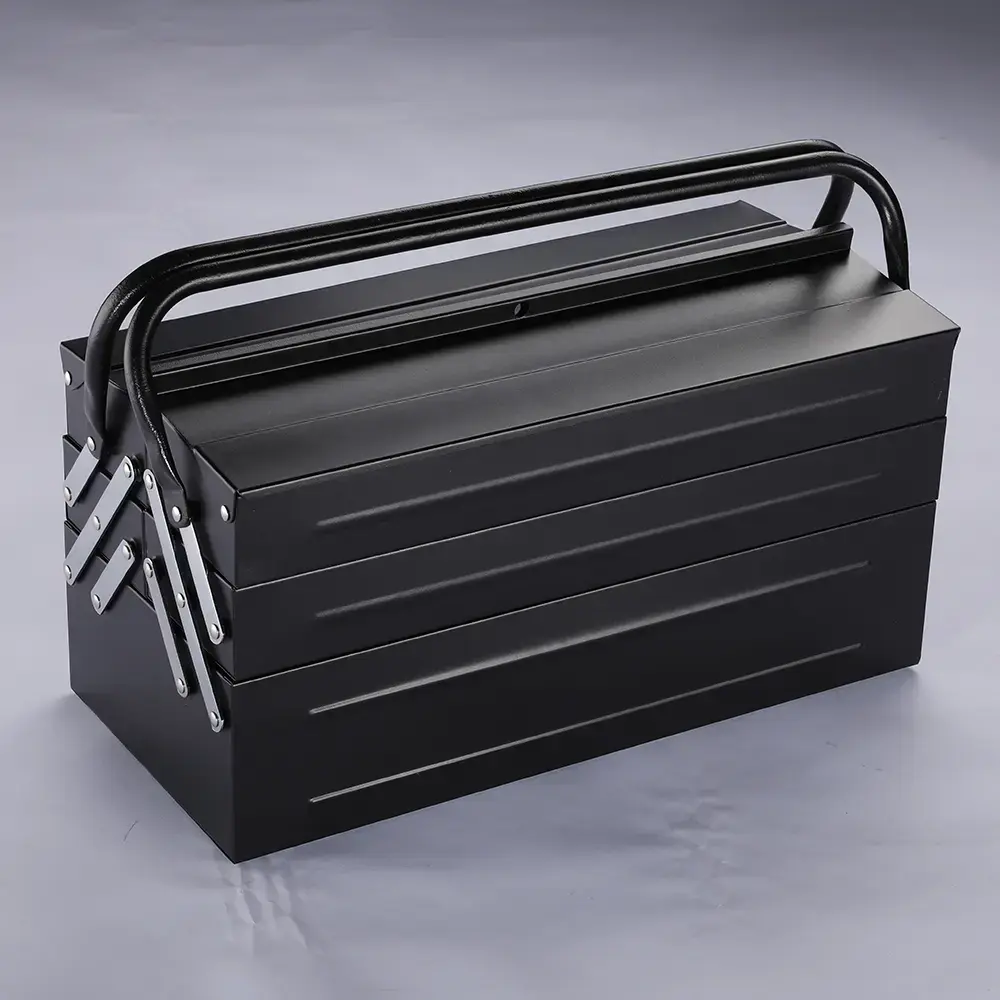
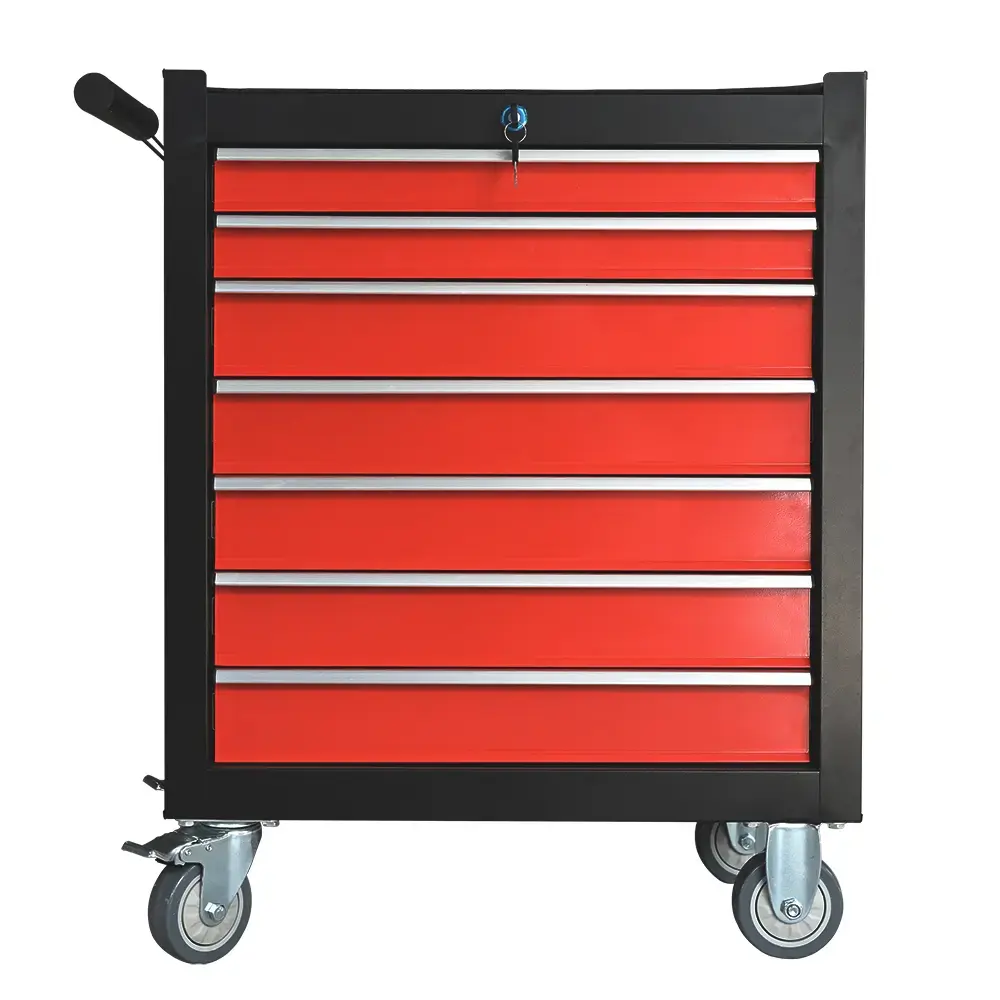

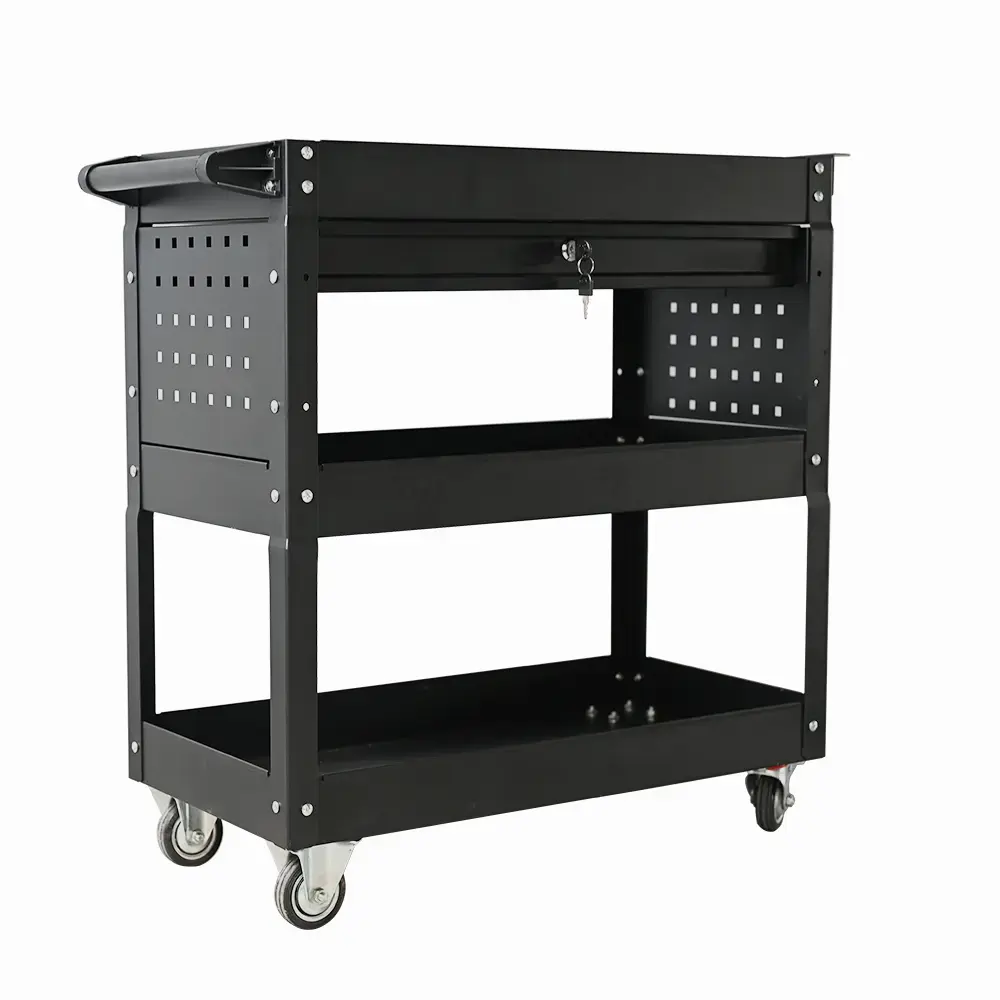

The application evolution and technical adaptation of black tool cabinets in new energy battery manufacturing workshops
The global new energy industry is undergoing structural transformation, and the expansion of lithium battery production capacity is driving a refined reshaping of the production environment. In core links such as battery cell manufacturing, module assembly and pack line, the standardization degree of tool management directly affects the production line yield and operational safety. As a component of the infrastructure of Industry 4.0, the application logic of dark Storage Systems has transcended the traditional warehousing scope and evolved into a key control point for process assurance.
The harsh production environment has given rise to the demand for upgrading storage systems
The manufacturing of lithium batteries involves processes such as coating, rolling, and liquid injection, and the workshops are divided into different control levels. In the drying room (dew point ≤-40℃) and clean room (ISO Class 6-7) areas, metal particle contamination can cause micron-level short circuit risks. The surface treatment of steel plates in ordinary tool cabinets is difficult to resist the continuous corrosion of volatile substances in the electrolyte (such as HF produced by the decomposition of lithium hexafluorophosphate). In addition, the module test area has the potential risk of high voltage (up to 900V) and thermal runaway, and the storage facilities need to have flame-retardant and heat-insulating structures.
Industry research shows that professional tool configuration can shorten the installation cycle of energy storage systems by 22%, while foreign objects mixed in due to improper tool management account for 3.7% of the battery cell scrapping rate. This has prompted manufacturers to re-examine the material science attributes of production auxiliary equipment.
The technical logic of dark surface treatment
The black coating is not an aesthetic choice but a functional one. The dark-colored surface after anodizing treatment can reduce reflective interference in the optical inspection process and assist the machine vision system in identifying the tool's return to its original position. Around the laser welding station, the characteristic of dark cabinets absorbing stray photons can reduce the impact of glare on operational accuracy.
From the perspective of thermal radiation, the environmental temperature fluctuation in the lithium battery capacity sorting test area needs to be controlled within ±2℃. The emissivity of the black surface reaches 0.95, which is higher than the 0.3-0.5 value of light-colored metals. This helps to evenly distribute the temperature field inside the cabinet and prevent measurement drift of precision measuring tools due to thermal expansion and contraction. Combined with a three-layer insulation structure design and an explosion-proof gas detection system, this type of storage unit can provide more than 90 minutes of structural integrity protection for internal tools in the event of a thermal runaway event.

The modular architecture is adapted to the flexibility of the production line
The iteration cycle of new energy products has been compressed to 18 months, and the frequency of production line renovations has significantly increased. The Tool Cabinet system adopts standardized hole spacing and quick-release structure, supporting horizontal expansion and vertical stacking. Data from a leading battery enterprise's transformation shows that the modular design has reduced the redeployment time of production line tools from 72 hours to 11 hours.
In the module assembly section, a 60% increase in the integration of tool vehicles has become a trend. The mobile dark workstation integrates the insulation tester, torque wrench (with an accuracy of ±1%), and electrostatic ring monitor onto a unified platform. It achieves energy sharing among devices through DC bus technology, reducing charging waiting time. This configuration on the VDA standard module production line can reduce the tool preparation error rate during the model change process to less than 0.3%.
Internet of Things integration and Digital Twin mapping
The 2024 Industry technology White paper indicates that the penetration rate of intelligent tools will jump from 29% to 43%. The drawer system with built-in RFID tracks the location and status data of over 100 process equipment in real time and connects to the factory MES via the MQTT protocol. When the ultrasonic welding head reaches the preset usage times or the resistance value of the insulating glove is lower than 10⁶Ω, the system automatically locks the corresponding grid and pushes the quality inspection work order.
Digital twin technology has extended to the field of tool management. In the virtual space, each dark cabinet is mapped to an independent node, simulating the tool flow path and load heat map. After analyzing historical data, AI algorithms can predict the peak demand for tools under different production plans, dynamically adjust the geographical distribution of cabinets within the workshop, and reduce the walking distance of personnel and the time spent on taking them.
A standardization process driven by safety norms
The UL 9540A testing standard imposes strict requirements on the spread of thermal runaway in energy storage systems, indirectly promoting the upgrading of fire resistance levels for workshop accessories. The cabinet structure must pass the REI 90 certification. The internal partitions are filled with Pyrobubbles phase change materials, and the pressure relief mechanism is activated at a pressure threshold of 580Pa. The bottom leak-proof tray is designed to collect the leaked electrolyte, preventing corrosive liquids from spreading to the epoxy floor.
The personnel positioning system is linked with the electric lock of the tool cabinet to achieve role-based access permission management. When AGVs transport battery modules through the Tool Storage area, the system temporarily locks the frequently used tools in this area to prevent the risk of collision caused by cross-operation among personnel. This safety interlock mechanism reduces the workshop's accident response time by 40%.
Sustainable development is compatible with the circular economy
The lithium battery factory pursues the goal of carbon neutrality. In the manufacturing process of tool cabinets, powder coating is adopted instead of solvent-based coatings, reducing VOC emissions by 85%. The proportion of recycled steel used in the cabinet body exceeds 70%, extending the design life to 15 years. After scrapping, all materials can be recycled. Some enterprises are piloting photovoltaic charging integrated cabinets, with flexible perovskite solar cells integrated on the top. Under sunlight conditions, they can supplement 35% of the daily power consumption of wireless tools.

Future evolution direction
The 2025 technology roadmap indicates three major evolution directions: Firstly, the nano-coating technology will stabilize the surface resistivity of the cabinet within the range of 10⁶-10⁹Ω, and the permanent anti-static performance will be free from the dependence on humidity. Secondly, the piezoelectric ceramic floor is coupled with the base of the cabinet. When people approach, the piezoelectric effect is triggered, achieving non-contact energy collection for LED lighting. Finally, the blockchain traceability system will record the maintenance history and calibration data of each tool, meeting the requirements of the new European battery law for data preservation in the production process.
The new energy manufacturing tool cabinet has evolved from an edge auxiliary device to a guarantee unit for process stability. Its design philosophy embodies a multi-dimensional understanding of the chemical characteristics, physical fields and data flows of the production environment. When the compound annual growth rate of the industry remains at 17.3%, building a tool management system that matches it will become the underlying support for manufacturers' quality competitiveness.
Technical parameter reference dimensions: fire resistance rating, static attenuation time, corrosion salt spray test duration, EMC shielding effectiveness, modular expansion coefficient, iot protocol compatibility, carbon footprint calculation value.