
Leave Your Message
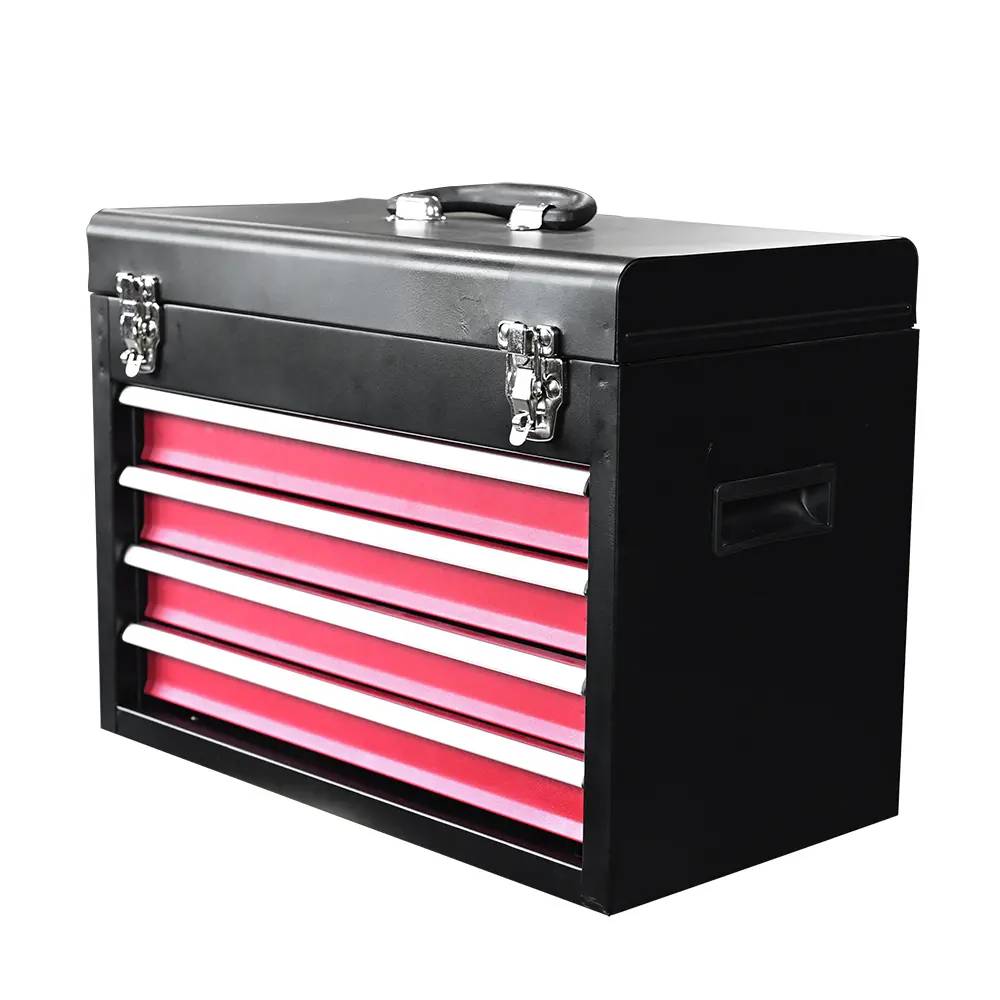
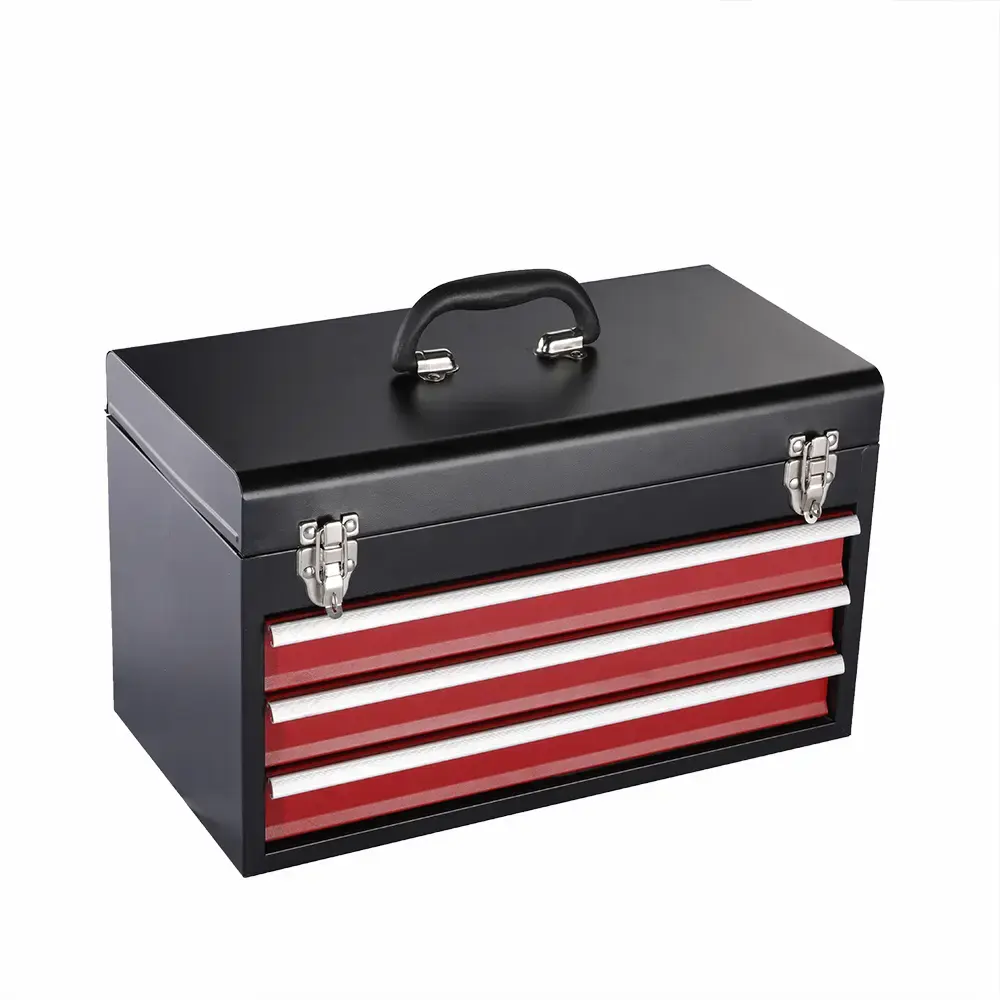

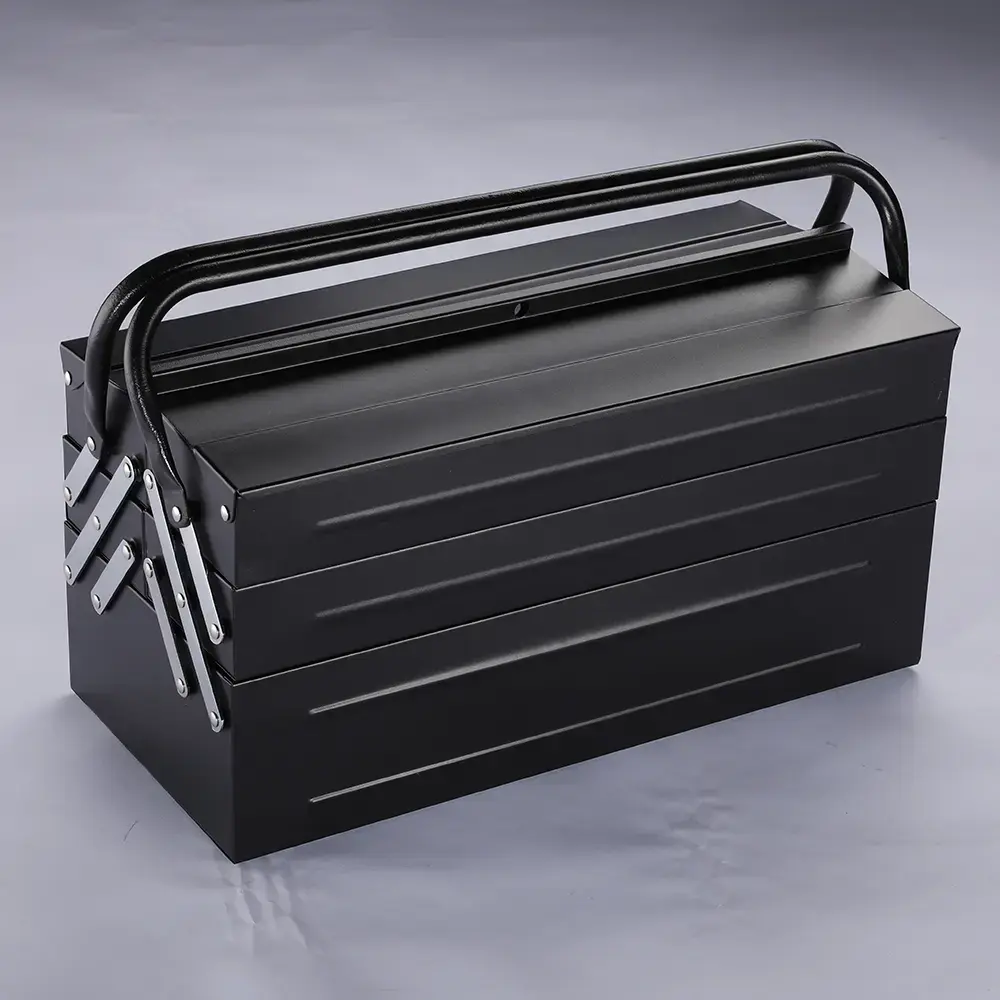
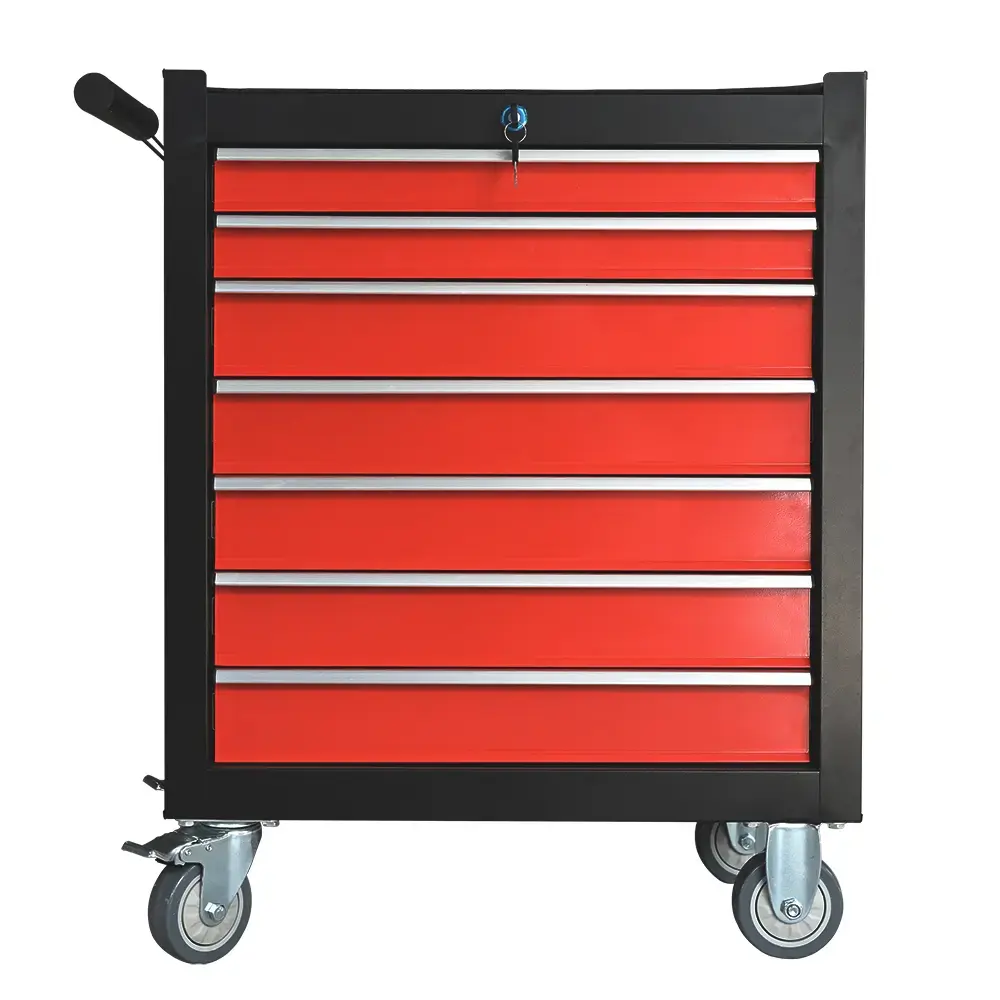



The auxiliary storage role of the tool cabinet beside the automated production line: How to reduce the walking time of workers
The auxiliary storage role of the Tool Cabinet beside the automated production line: How to reduce the walking time of workers
In a provincial power grid company, the intelligent tool cabinets in the warehouse have increased the efficiency of tool inventory by 80%, and the accuracy rate of inventory has risen from 75% to an astonishing 99.6%. But today, we are going to talk about the story that follows this.
Imagine that the machines on the production line are running at full speed, but a worker suddenly realizes that the wrench he has is of the wrong size. He can only stop his current task and quickly walk towards the centralized Tool Storage area far away.
One round trip, excluding the time for searching, takes at least ten to fifteen minutes. During this period, the process he was responsible for was forced to come to a standstill, and the entire production line's rhythm might be disrupted.
01 Pain Point: Efficiency Shortcomings in the Era of Automation
In the pursuit of highly automated production, the management of tools near the production lines often becomes an overlooked aspect. Tool cabinets should not merely be storage spaces; they should serve as active and intelligent auxiliary nodes in the production process.
Tool management is the cornerstone of workshop operations, but many enterprises overlook its potential value. One overlooked fact is that even with highly automated production lines, the unnecessary walking of workers in search of and retrieval of tools remains a huge "black hole" in terms of time and efficiency.
Based on industry experience, under the traditional management model, workers spend an average of 40 to 60 minutes each day on tool requisition, return, and search. This does not include production delays caused by tool shortages or improper use.
The deeper issue lies in the fact that this decentralized and inefficient approach to tool management is contrary to the core principles of lean production. Lean production aims to eliminate all waste, and "walking waste" is a hidden yet costly form of waste.
02 Positioning of Auxiliary Storage: From "Tool Repository" to "Production Line Partner"
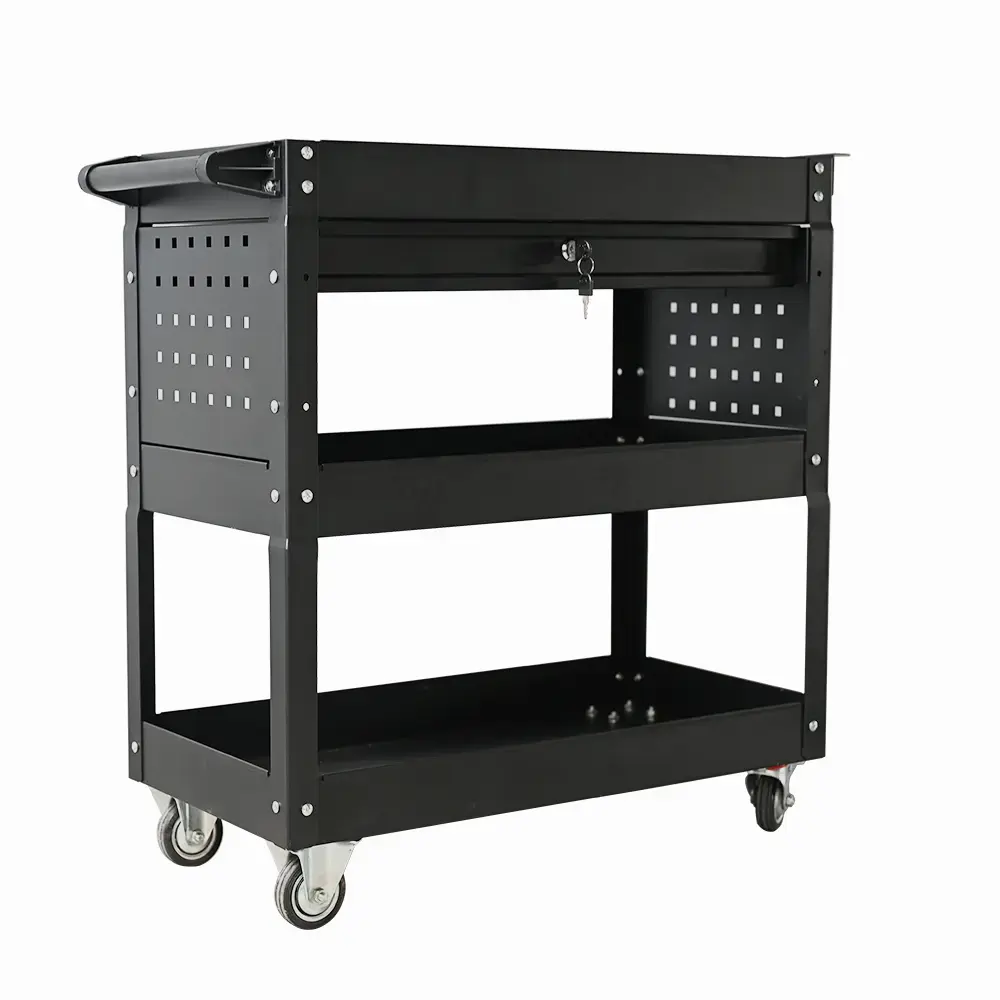
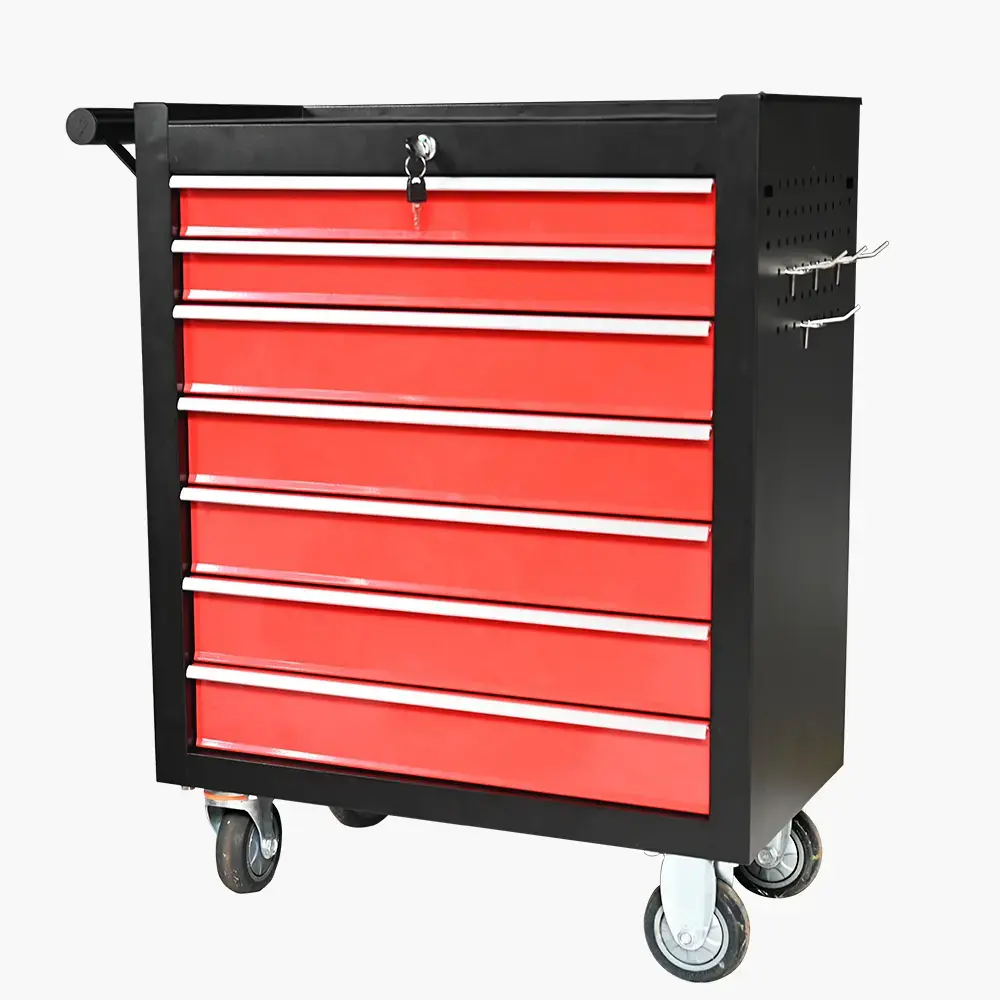
The tool cabinet located beside the production line has a core value in the redefinition of its position and function. It should not be a "repository" for storing all tools in the traditional sense, but rather a "auxiliary storage point" precisely configured according to the specific needs of the production line segment.
The key to this positioning lies in "on-demand configuration". For instance, at the welding workstation in the car assembly line, the cabinet should mainly store welding guns, specific-sized fixtures, and common wrenches; while beside the electronic assembly section, anti-static tweezers, screwdrivers, and test probes should be configured.
The balance between space utilization and access efficiency is of vital importance. Taking the experience of a certain semiconductor factory as an example, by optimizing the design, they were able to achieve the storage capacity that the traditional mode required 15 square meters to reach within a 3-square-meter intelligent tool cabinet, and the access efficiency was significantly improved.
This auxiliary storage mode significantly reduces the workers' reach, transforming "long-distance travel" into "within reach". The role of the tool cabinet has also changed from a passive storage container to a key partner actively supporting the smooth operation of the production line.
03 Technology Empowerment: How Intelligent Tool Cabinets Achieve "Instant Response"
Modern intelligent tool cabinets have achieved a paradigm shift from "people searching for tools" to "tools waiting for people" through technological integration. Their efficient operation relies on several core technical modules.
Firstly, there is the precise identification technology. By using UHF/HF dual-frequency RFID (Radio Frequency Identification) technology, the management of tools can be made "non-intrusive". When workers carry the tools and approach or leave the cabinet, the system can automatically and accurately record the access actions.
The practice of an electronic manufacturing factory shows that after applying ultra-high frequency RFID technology, the time for taking out a whole box of tools has been significantly reduced from 5 minutes to just 15 seconds.
The next aspect is the control of permissions and processes. Through fingerprint, facial recognition or badge authentication, the system can ensure that "each employee has their own dedicated position, equipment, and tools". When an employee receives a specific tool (such as a torque wrench), the system can automatically send out operation guidelines and safety procedures. There are Cases indicating that this can reduce the training period for new employees by 70%.
Finally, there is the system integration capability. By opening API interfaces, the intelligent tool cabinet can deeply connect with manufacturing execution systems (MES), enterprise resource planning (ERP), and other systems, achieving data interconnection. For example, when a production order is issued, the system can automatically push the required tool list to the corresponding cabinet beside the production line and light up the indicator lights to guide the retrieval.
04 Benefit Quantification: The Actual Returns from Reducing Walking Time
Investing in auxiliary storage cabinets beside the production lines yields direct and quantifiable returns. The most obvious benefit is the increase in the effective working hours of the workers.
Data shows that after deploying an intelligent tool management system, enterprises can save thousands of hours of manual management time each year. A specific example is that a certain automotive manufacturing company calculated that it saved 2,000 hours annually, which is equivalent to reducing the staffing of 5 full-time employees.
Secondly, the production efficiency has significantly improved. On an automotive welding production line, through the integration of intelligent tool cabinets and the MES system, the tool borrowing time has been reduced from an average of 8 minutes per time to 45 seconds. This has led to a 92% decrease in the number of production line stoppages due to tool issues, and an increase in the overall production cycle efficiency by over 30%.
Another aspect is the optimization of inventory and procurement costs. By precisely tracking the usage frequency and status of tools, enterprises can make more scientific purchasing decisions. A space industry enterprise analyzed the data of the tools and found that the actual usage rate of a batch of imported measuring instruments was only 30% of the expected rate. Based on this, they adjusted the procurement or leasing plan, resulting in a cost savings of 1.2 million yuan per year.
More importantly, there is an improvement in safety and compliance levels. In industries with high requirements such as power and aviation, regular inspections of insulating tools and calibration instruments are crucial. The intelligent tool cabinet can automatically monitor the validity period of safety tools and automatically lock them when they exceed the limit, thus eliminating potential hazards at the source.

05 Implementation Path: How to Plan and Deploy Tool Cabinets Next to the Production Line
To successfully deploy an auxiliary storage system next to the production line, systematic planning and execution are required. The first step is workstation analysis and demand research. This is not simply counting the number of tools; rather, it involves in-depth analysis of the operation processes at each workstation, the types of commonly used tools, their usage frequency, and the retrieval and return habits.
The second step is selection and configuration. Based on the analysis results, choose intelligent tool cabinets with high modularization and strong scalability. The key is to evaluate whether they support the connection with the existing production management system, as well as to assess the accuracy and speed of the identification technologies (such as RFID, visual recognition).
The practice of a certain automobile manufacturing enterprise is worth learning from: They connected the tool cabinet with the MES system, achieving "order-driven tool allocation" - when the assembly line needed a specific tool, the system automatically generated a requisition form and pushed it to the nearest cabinet, thereby increasing the tool circulation efficiency by 60%.
The third step is pilot testing and promotion. It is recommended to select one production line or a workshop as the pilot site to verify the effectiveness of the plan, collect feedback from front-line workers, optimize the process, and then gradually promote it. Training is also crucial to ensure that every operator and administrator can proficiently use the new system.
Continuous optimization and data-driven approach
After the deployment is completed, the management process does not end there. Instead, it enters a stage of continuous optimization based on data. The system records data such as usage heat maps and access time reports, which serve as valuable optimization references. For instance, a manufacturing enterprise analyzed the data and moved frequently used tools to the "prime location" of the cabinet, reducing the average search time by 40%.
Regarding the concern of "what to do if tools are lost", a provincial power grid company provided an answer with data: After deploying intelligent tool cabinets, their tool loss rate dropped by 80%. As for the question of "whether the initial investment is worthwhile", another automotive company did some calculations: The 2,000 hours of management time they saved each year is equivalent to saving the cost of 5 employees.
When you are planning the next intelligent production line, take a look at the paths that the workers walk back and forth. A tool cabinet that shortens this distance might just be the key to closing the final gap in production efficiency.