
Leave Your Message



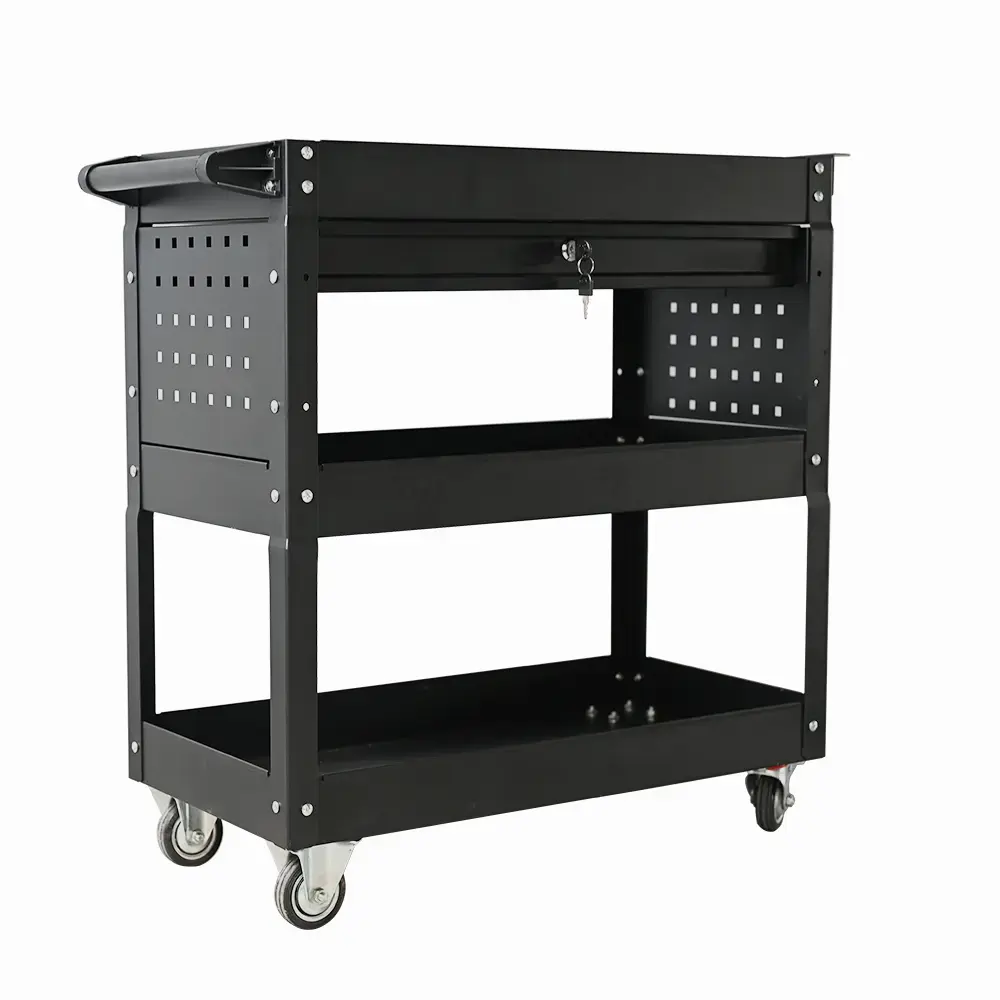

The Irreplaceable Role of Manual Roller Carts in the Era of Industrial Warehouse Automation
The Irreplaceable Role of Manual Roller Carts in the Era of Industrial Warehouse Automation
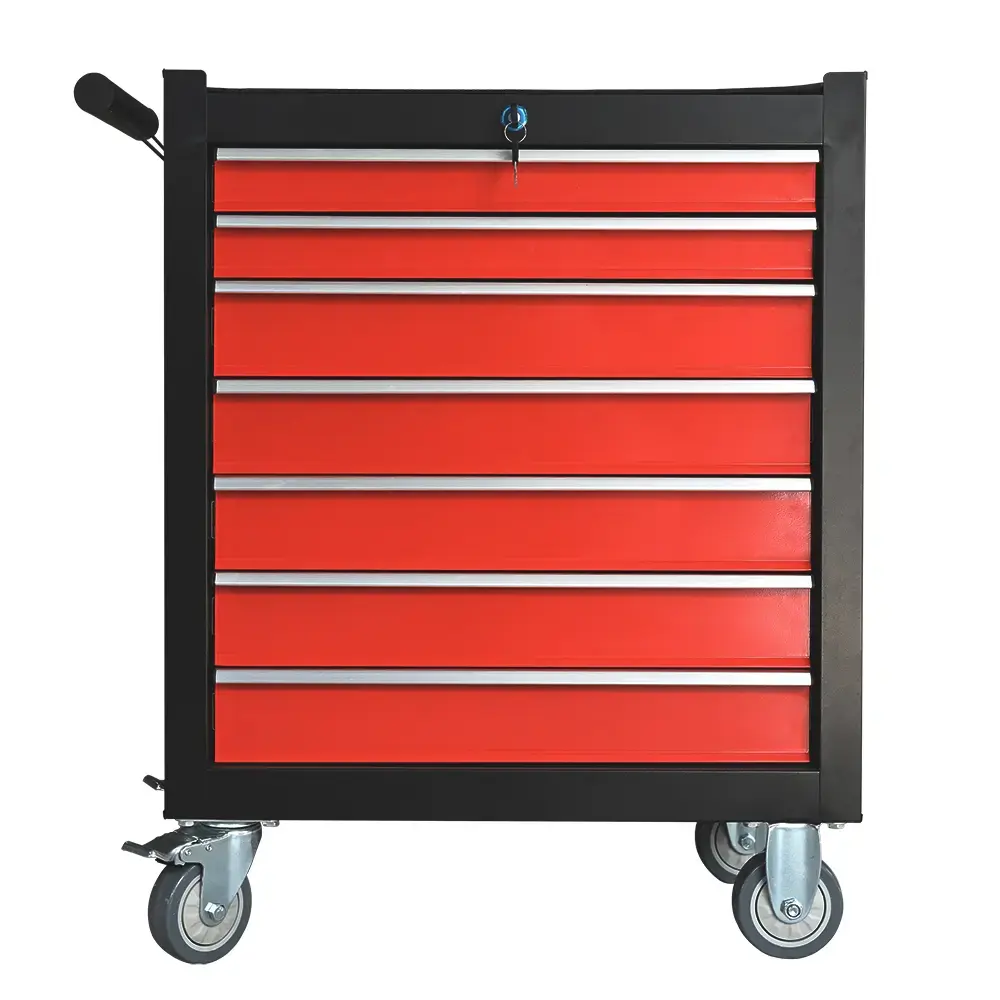
Amidst the wave of industrial warehouse automation, manual roller carts remain an indispensable foundational material handling tool. Many enterprises blindly pursue fully automated equipment, only to face challenges such as inefficient short-distance transport, high equipment maintenance costs, and inadequate adaptation to specialized scenarios. This article dissects the core value of manual roller carts using real-world industry Cases and data, helping you understand tool selection logic in automated scenarios and find material handling solutions that balance efficiency and cost. Below, we analyze their irreplaceability across three dimensions: cost, application scenarios, and interoperability.
Cost Control: How Do Manual Roller Carts Reduce Overall Operating Costs?
Automated material handling equipment carries high initial acquisition costs, often prohibitive for small and medium-sized warehousing enterprises. Manual roller carts, however, feature low upfront investment and demonstrate significant long-term cost advantages.
Calculated over a 10-year lifespan, the per-use cost of manual roller carts averages approximately ¥0.30. In contrast, electric material handling equipment incurs combined energy consumption and maintenance costs reaching ¥1.20 per hour.
An electronics component manufacturer once fully transitioned to electric pallet trucks. Within six months, they discovered that for short-distance transfers between workstations, electric equipment required 30% more time for start-stop cycles compared to manual roller carts. Additionally, monthly battery maintenance and component repair costs far exceeded previous manual cart expenses. Ultimately, they reintroduced manual roller carts for short-distance handling, achieving a 40% reduction in overall costs.
Some buyers question whether manual models, though cheaper, might increase labor costs due to lower efficiency. In reality, for short-distance, small-batch transport scenarios, manual roller carts eliminate waiting times for startup and charging, offering greater flexibility that actually reduces idle time and makes labor costs easier to control.
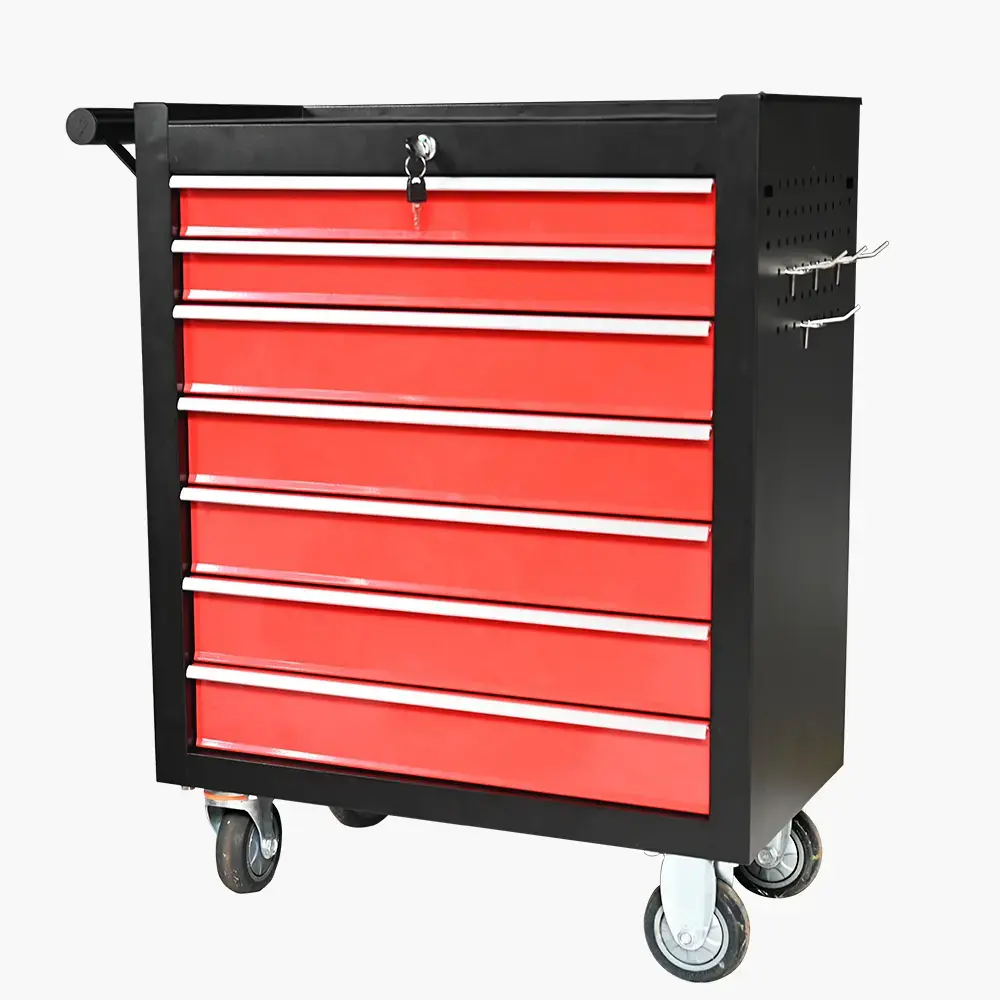
Scenario Adaptability: Where Can Automation Equipment Struggle to Replace Manual Solutions?
Automated equipment faces significant limitations in space and environmental conditions, whereas manual roller carts can adapt to diverse specialized scenarios, filling gaps in material handling.
In environments like electronics factory cleanrooms and cold storage warehouses, equipment must meet stringent requirements for noise levels and low-temperature adaptability. Automated systems often generate operational noise that can interfere with precision instruments, and some electric components may malfunction below -20°C.
A case study from a cold chain storage company demonstrates that manual roller carts equipped with low-temperature resistant wheels operate reliably at -25°C without noise pollution or additional insulation maintenance. In contrast, the electric pallet trucks originally deployed experienced over five cold-related malfunctions per month, ultimately relegated to external transfer tasks.
Common Question: Can manual roller carts meet load requirements in specialized scenarios? Industrial-grade models from reputable manufacturers can handle loads exceeding 1,000 pounds. Paired with reinforced frames, they adequately address material handling needs in most workshops and warehouses.
Synergistic Efficiency: How do manual roller carts complement automated equipment?
Automated warehousing doesn't replace human labor entirely; it enables efficient human-machine collaboration. Manual roller carts serve as a valuable supplement to automated equipment, enhancing overall process efficiency.
A cosmetics distributor implemented an automated shelving system in its 850,000-square-foot warehouse but encountered sorting inefficiencies. Employees needed to transport loose goods short distances between shelves, where automated equipment's large turning radius and limited maneuverability proved problematic.
Custom-designed manual roller carts with angled shelves were later implemented. These allowed staff to clearly view goods on each level without bending over to search, reducing sorting errors by 35% and increasing daily picking volume by 20%. Manual carts now handle short-distance transfers between automated racks and packing stations, creating an efficient closed-loop system.
Some may wonder: Will manual carts gradually become obsolete amid automation trends? In reality, they serve distinct purposes. Automated equipment handles high-volume, long-distance transfers, while manual carts focus on short-distance, flexible replenishment. Their complementary roles maximize warehouse efficiency.

Cross-Border Compliance: Core Advantages of Exporting Manual Roller Carts
For cross-border buyers, manual roller carts feature simpler structures and lower compliance barriers than electric equipment with electronic components, making them easier to certify in target markets.
Trolleys exported to the EU must comply with the RoHS Directive if they contain electronic components, which regulates the content of hazardous substances like lead and mercury. Manual roller trolleys, lacking electronic parts, only need to meet the phthalate limits specified in the REACH regulation, resulting in lower compliance costs.
Data from a cross-border wholesaler indicates that compliance testing for manual roller carts exported to the EU takes 20 days less than for electric pallet trucks, with testing costs reduced by nearly half. Additionally, due to their durable construction, customer complaint rates are only one-third that of electric products.
Question: Do manual carts lack differentiated selling points? Customization options like anti-static materials and low-temperature-resistant wheels can adapt to diverse industry needs, enhancing product competitiveness.
FAQ: Industry High-Frequency Questions
1. How should load capacity and materials be selected for manual roller carts?
Select based on handling scenarios:
- For heavy-duty workshop materials: Steel frames with 500-1000 lb capacity.
- For electronics/pharmaceutical industries: Aluminum or anti-static materials with 300-500 lb capacity to prevent damage to precision components.
2. What compliance documents are required for exporting manual roller carts to Europe and the US?
Core documents include REACH Regulation phthalate testing reports. If wooden components are involved, formaldehyde content testing certificates are required. Some clients may also request Material Safety Data Sheets (SDS).
3. How can I extend the service life of manual roller carts and reduce maintenance costs?
Regularly clean wheel bearings to prevent debris jamming; apply rustproofing to steel frames to resist corrosion in humid environments; replace wheels with suitable types for specific applications to reduce wear, minimizing frequent full-unit replacements.
The core of industrial warehouse automation lies in optimizing processes, not blindly replacing tools. Manual roller carts hold a vital position within automated systems due to their cost advantages, adaptability to diverse scenarios, and collaborative value. Whether for cost control in small-to-medium warehouses or process optimization in large facilities, strategically integrating manual roller carts achieves a balance between efficiency and expense.

Meta Description
Amid industrial warehouse automation trends, manual roller carts remain irreplaceable handling tools due to their low cost, strong adaptability, and synergistic value with automated equipment. This article combines real-world case studies with compliance essentials to provide cross-border buyers and warehousing enterprises with selection and application guidelines. Click to obtain your customized solution.
Keywords
Manual roller carts, industrial manual carts, cross-border manual cart procurement, warehouse handling tools, manual cart compliance certification