
Leave Your Message
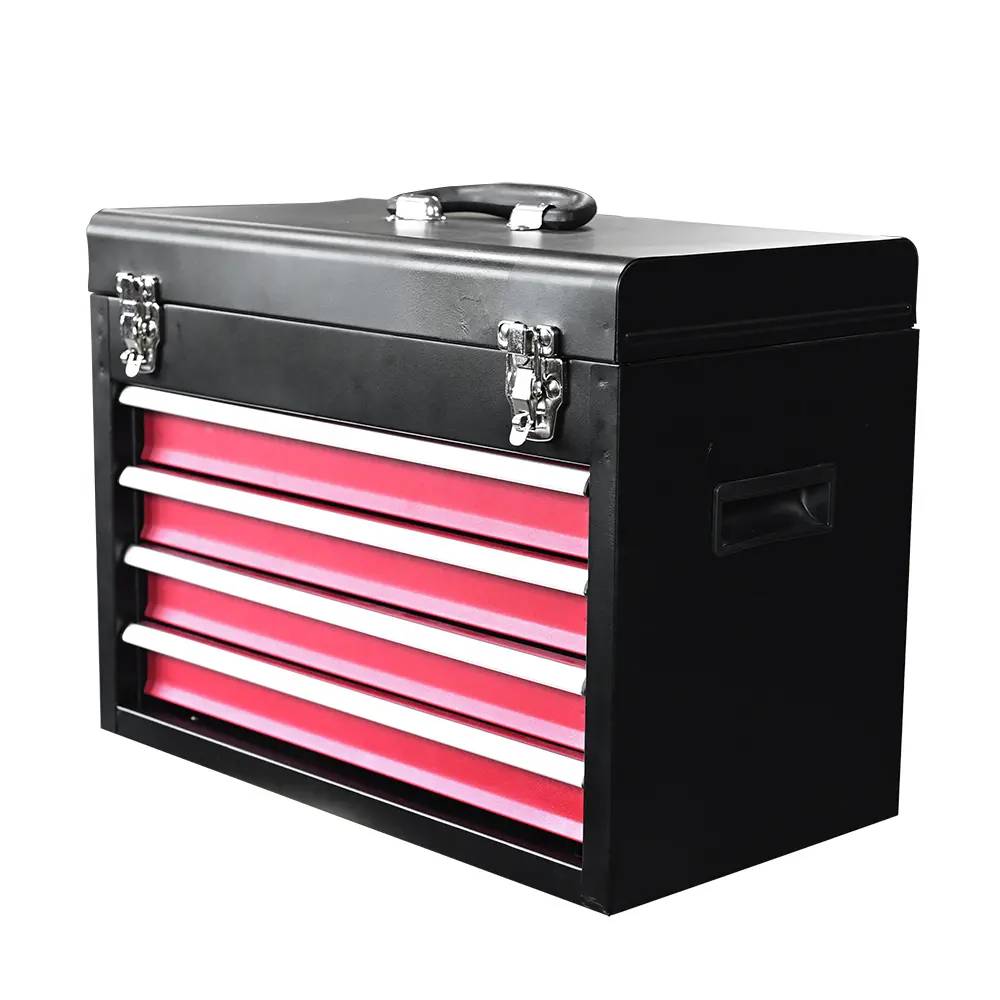
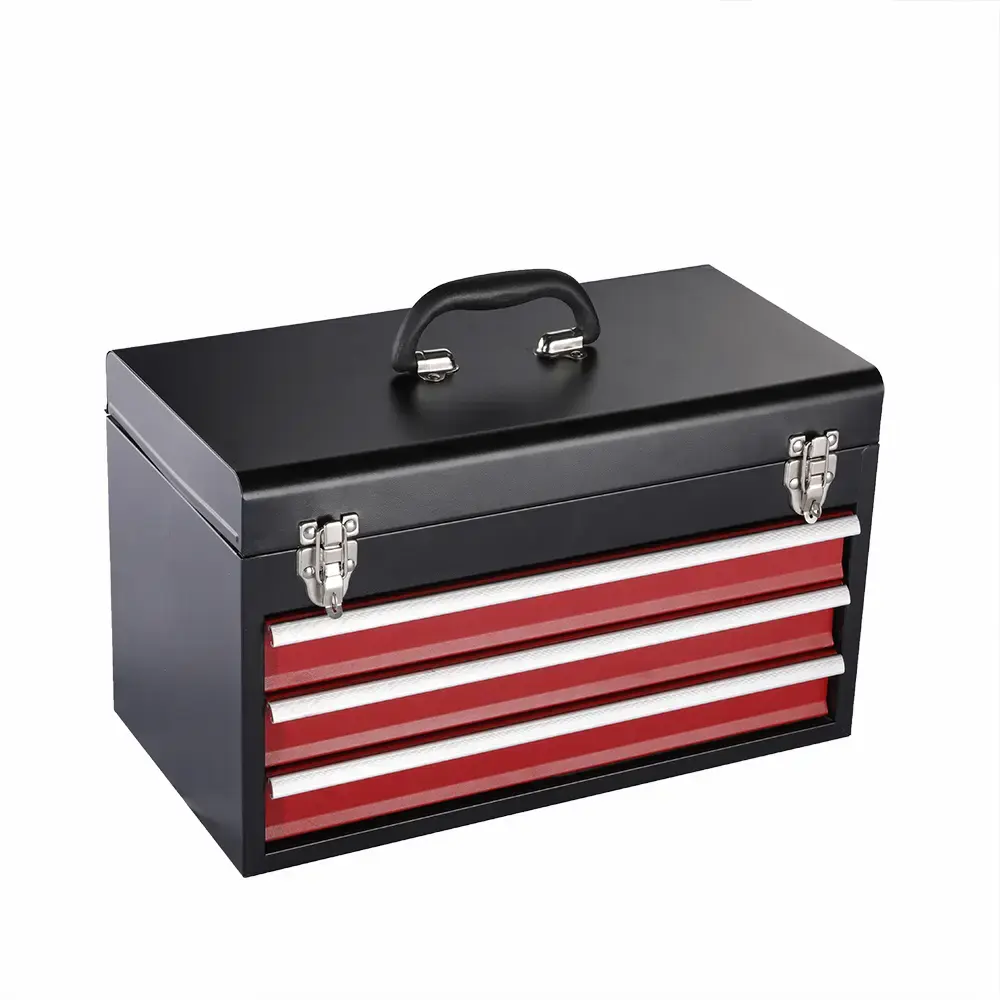

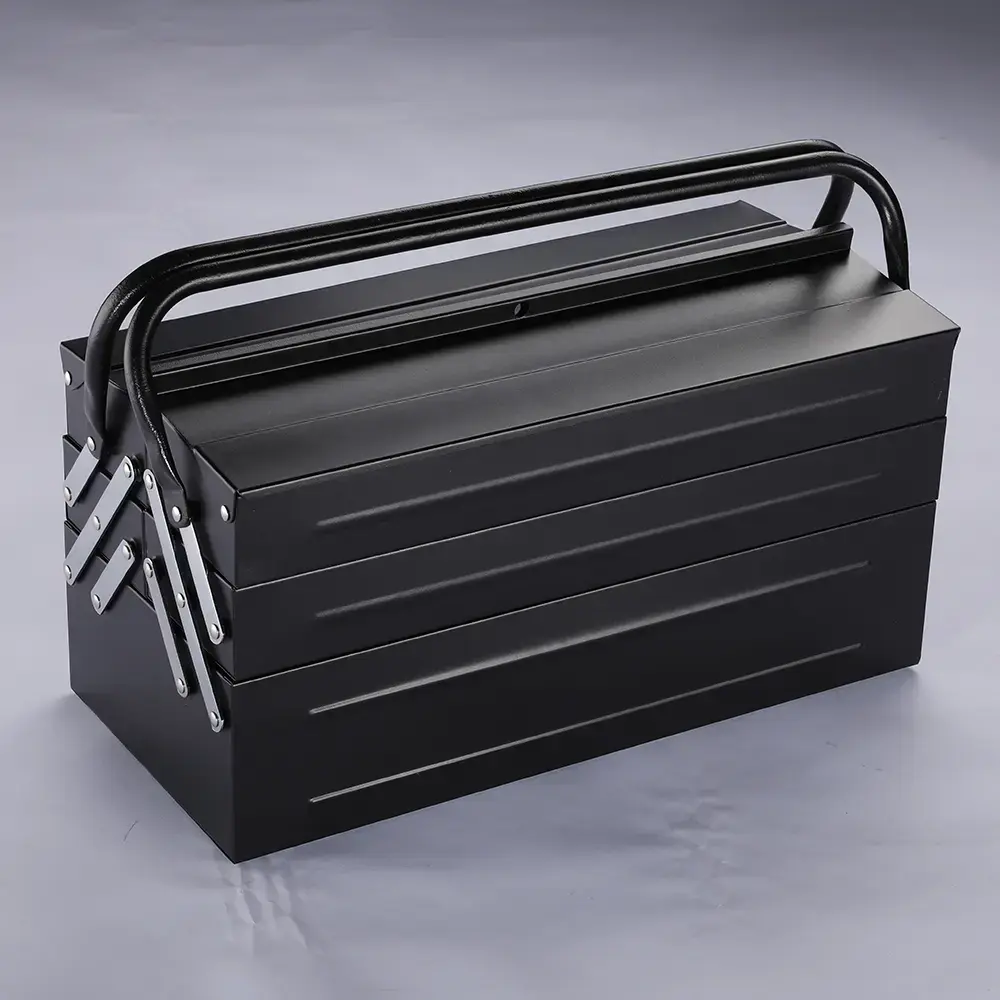
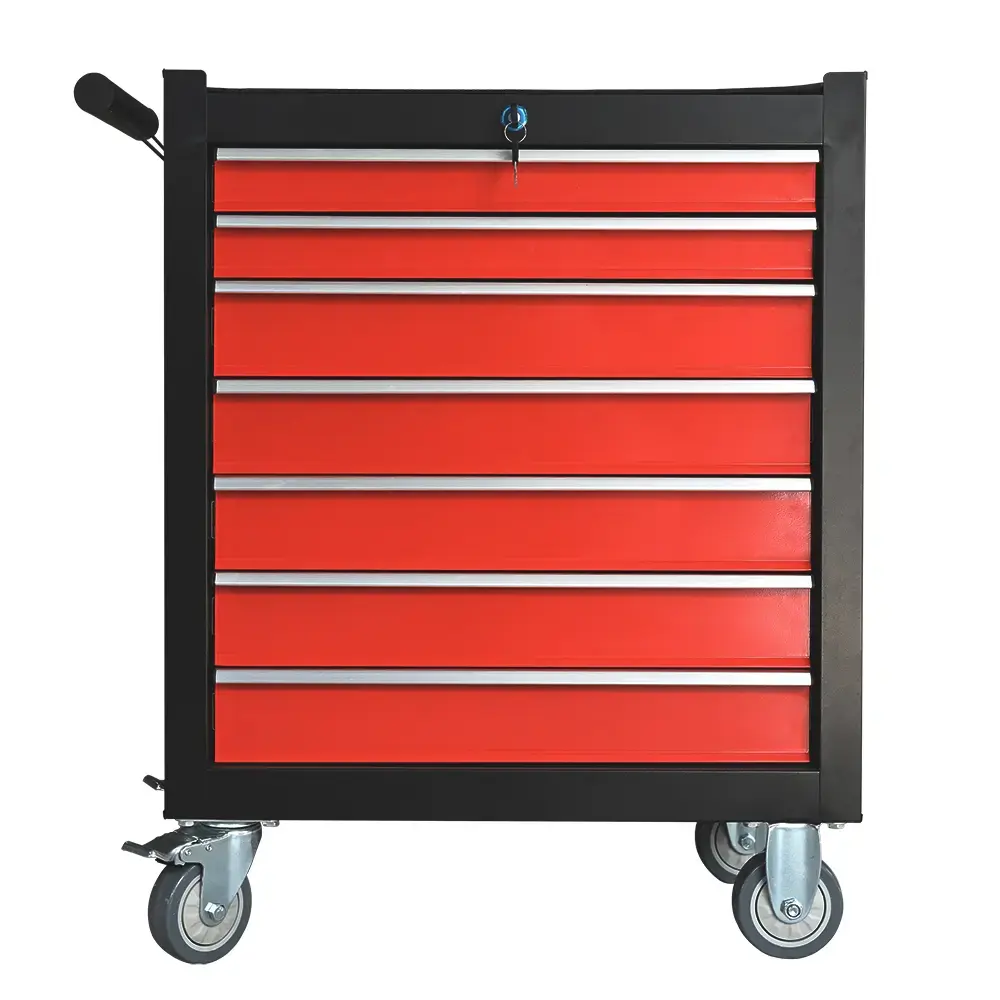


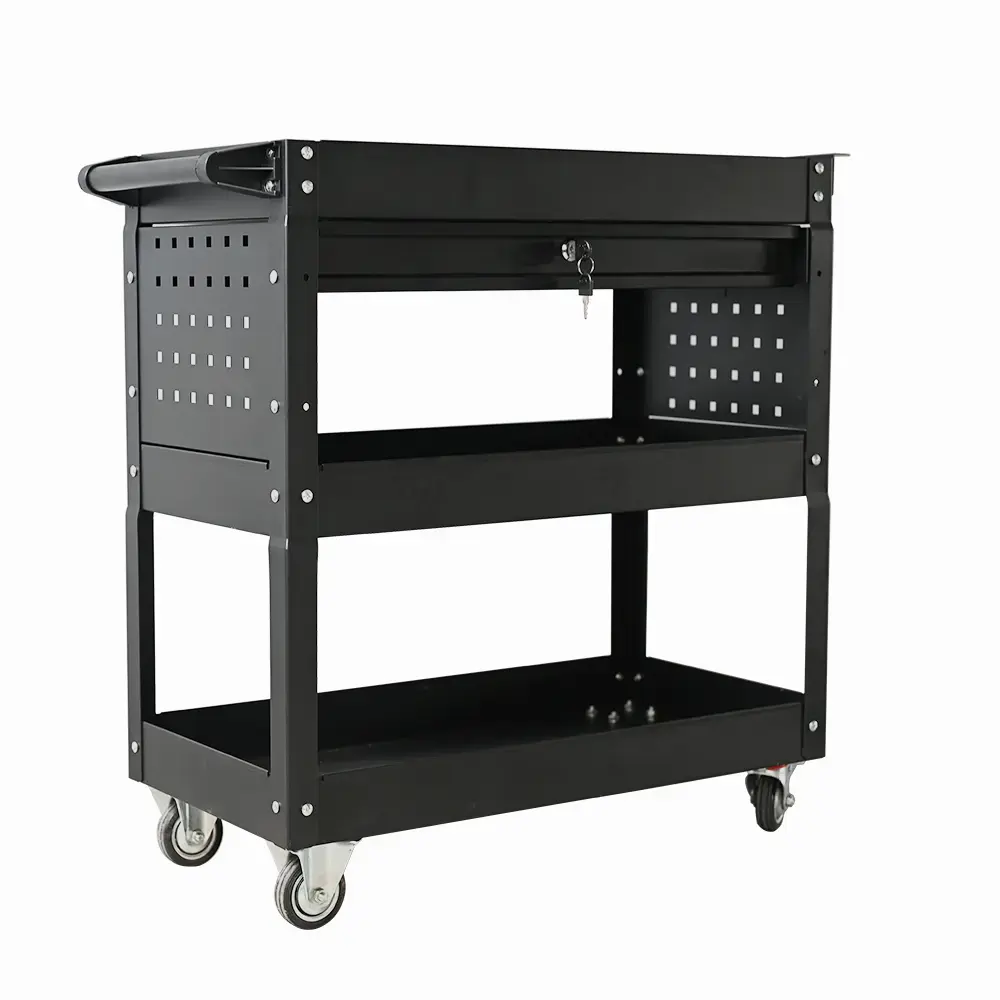
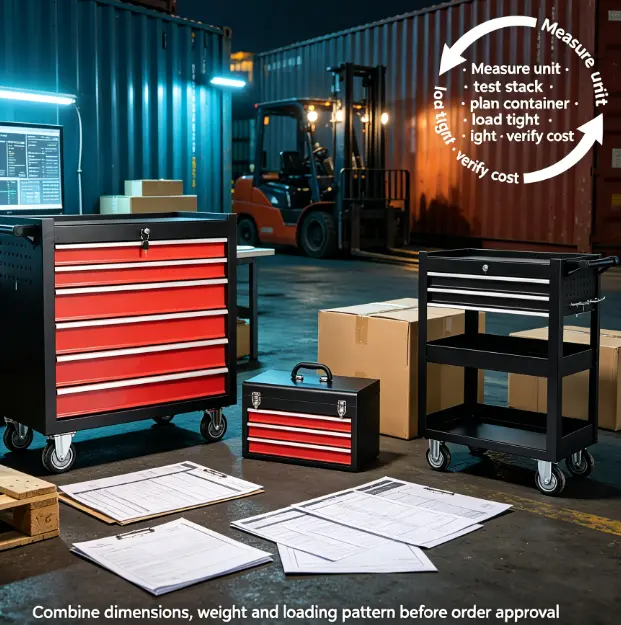

The logic of tool placement for each type of work: Professionalism is reflected in order
The way a toolbox is organized often reflects a craftsman's professional level. Due to the differences in their job characteristics, tool forms and usage frequencies, different types of work have developed their own distinctive tool placement logics. A scientific and reasonable Storage System can not only enhance work efficiency but also be an important part of safety guarantee.
Electrician: A meticulous classification that prioritizes safety
The placement of electrician tools should prioritize insulation protection and safe access. All live-line operation tools must be stored in separate areas to avoid accidental damage to the insulation layer due to being mixed with ordinary tools. Common measuring instruments should be placed in shockproof compartments, and precision probes require special protective sleeves. Cable handling tools are grouped by function: stripping tools, crimping tools, and terminal installation tools are placed separately and marked with different colors to distinguish voltage levels. Small components such as terminals and bushings are classified and stored in transparent compartments, facilitating quick inventory and replenishment. Insulating gloves and goggles for emergency use must be placed in the most accessible position to ensure they are always available.
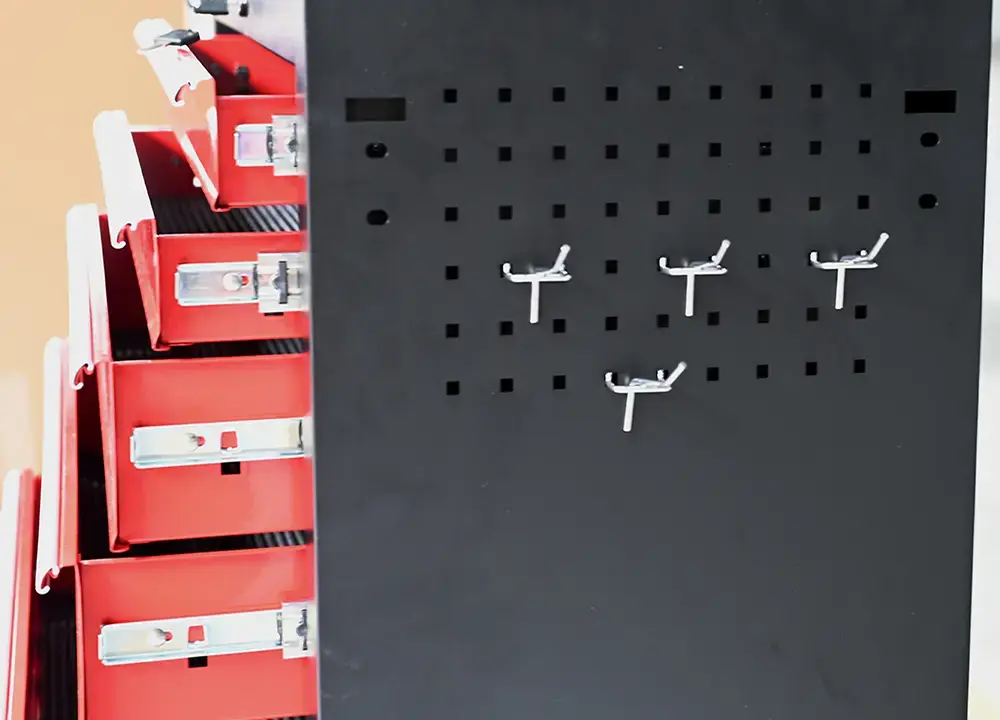
Carpenter: Three-dimensional storage prioritized by size
The characteristics of woodworking tools are their diverse specifications and various shapes. The placement logic follows the principle of "letting size speak" : Long tools such as rulers and gauges are placed upright along the edge of the box. Chiseling tools should be placed uniformly with the cutting edges facing each other to avoid mutual collision. Sawing tools are specially equipped with isolation layers, and the tooth tips need to be wrapped with protective sleeves. Measuring tools should be stored centrally to ensure that the scales are clearly visible. Sandpaper and other consumables should be sorted and stored by mesh size to avoid damage. Sharp tools must be placed in a fixed position to prevent them from slipping off due to movement when opening the box. The frequently used chiseling tools are stored at an Angle, which not only saves space but also makes everything clear at a glance.
Automobile repair: Process-oriented functional grouping
The placement of auto repair tools should conform to the logic of the maintenance process. Store special tools in groups by engine, chassis, electrical and other systems. Common socket wrenches are arranged in order of size, and special specifications are marked separately. Hydraulic tools should be placed with the oil port facing upwards to prevent leakage. Diagnostic equipment and Hand Tools should be placed separately to prevent mutual interference. Precision measuring tools are placed in dedicated compartments with buffers. Oil additives are thoroughly separated from tools to prevent contamination. Tire handling tools are centrally stored, and heavy disassembly and assembly equipment is placed at the bottom of the box. After each use, it must be cleaned and returned to its original position to keep it ready for use at any time.

The Universal Golden Rule
No matter what kind of job it is, several basic principles should be followed: The most commonly used tools should be placed in the most accessible positions; Heavyweight tools are placed at the bottom. Precision instruments should be well protected against shock. Sharp tools must be fixed and their cutting edges isolated. Small parts are stored separately in transparent containers. Each tool should have its fixed position and be managed by trace or marked with color to ensure clarity at a glance.
Regular sorting and maintenance are equally important. Check the status of the tools every week and replace the damaged ones in time. Thoroughly clean the toolbox every month and adjust the unreasonable storage methods. Maintain the tools every quarter to ensure they are always in the best condition. Good habits in placing tools not only guarantee efficiency but also reflect professionalism.
Remember: A good toolbox should be like an open book, allowing people to understand the owner's professionalism and craftsmanship at a glance. When every tool is in its proper place, work becomes an elegant art.