
Leave Your Message
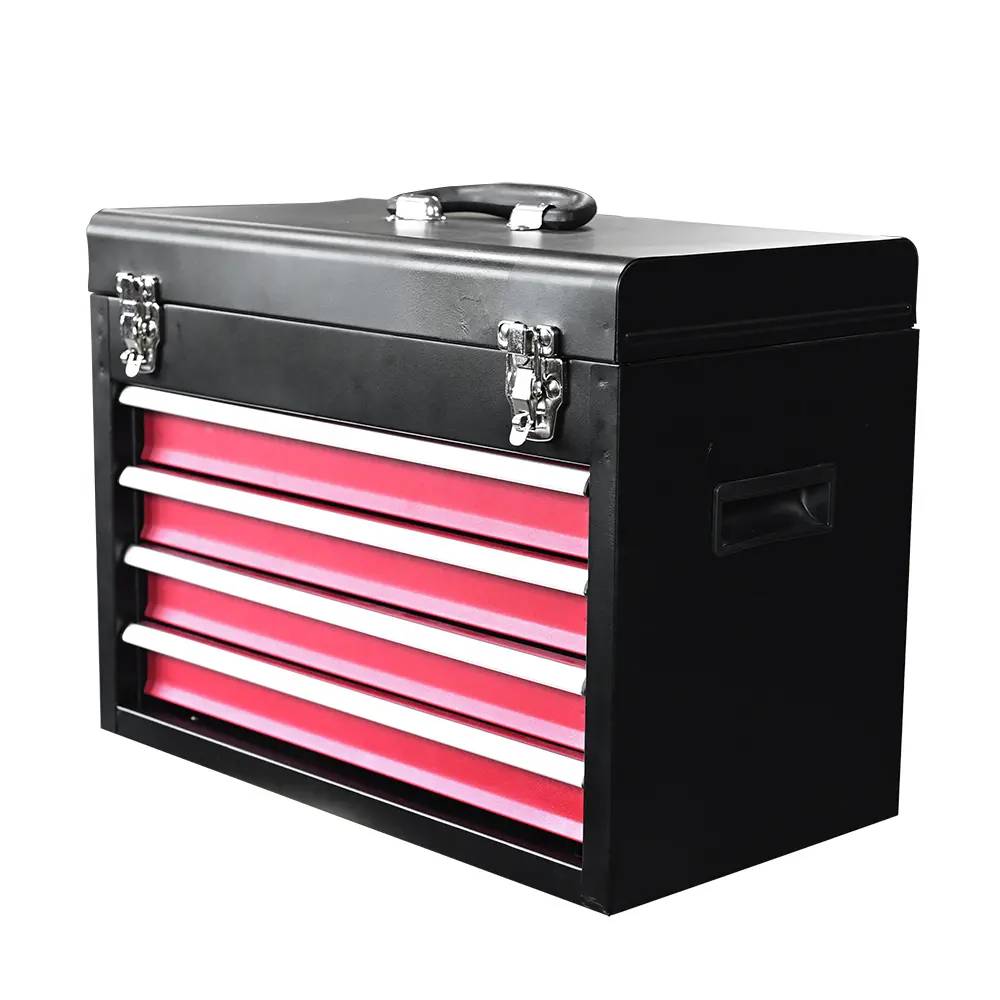
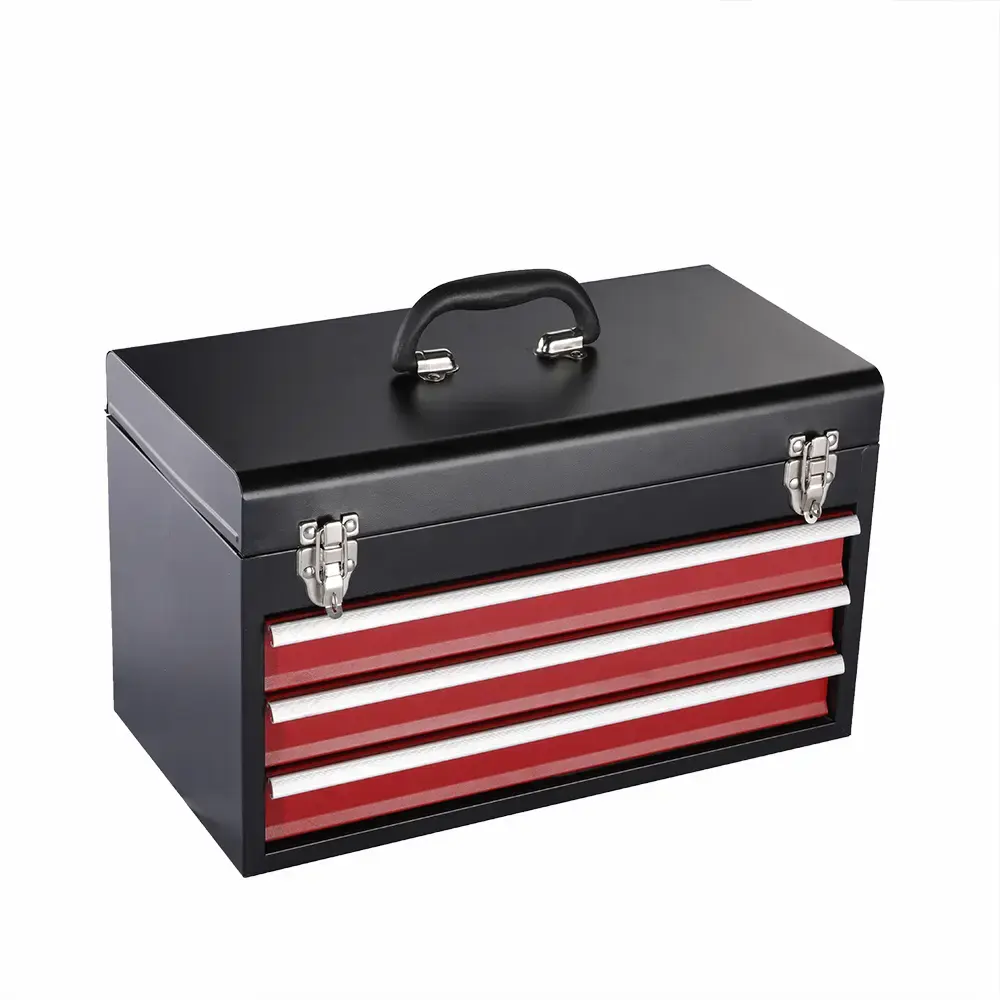

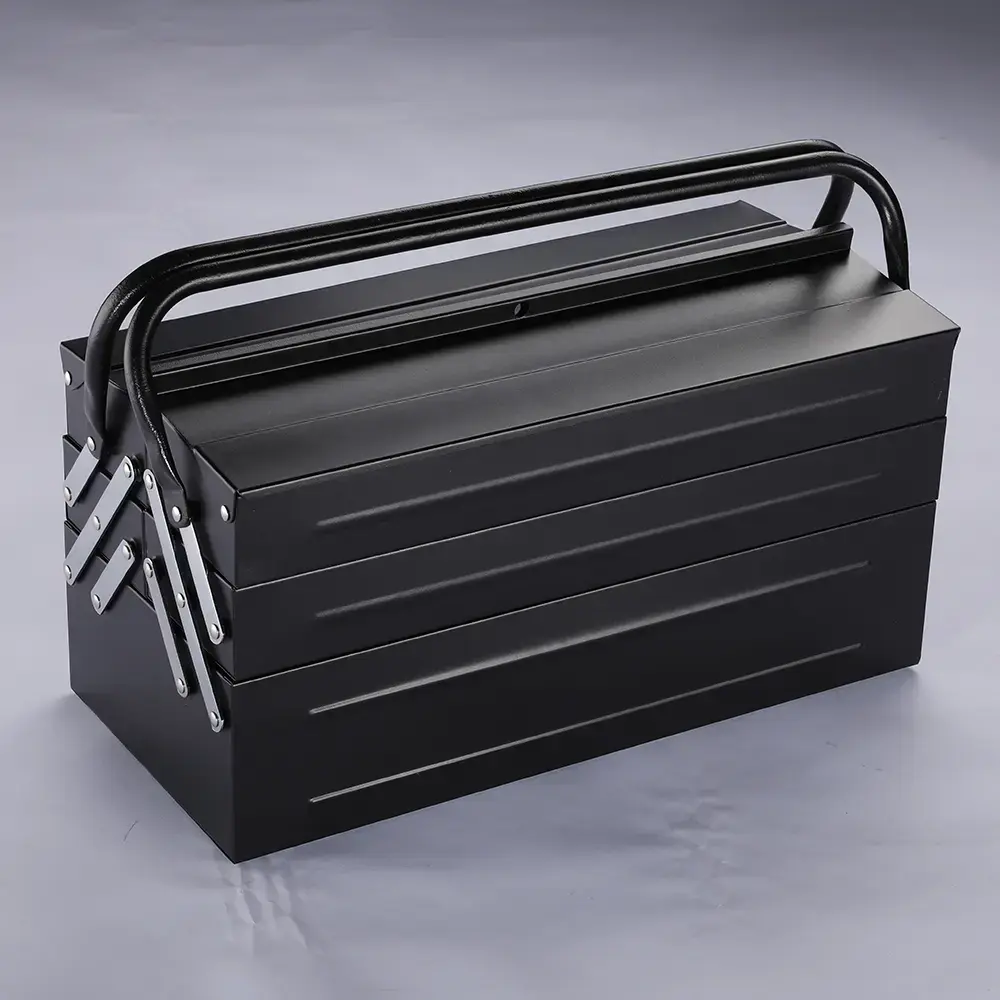
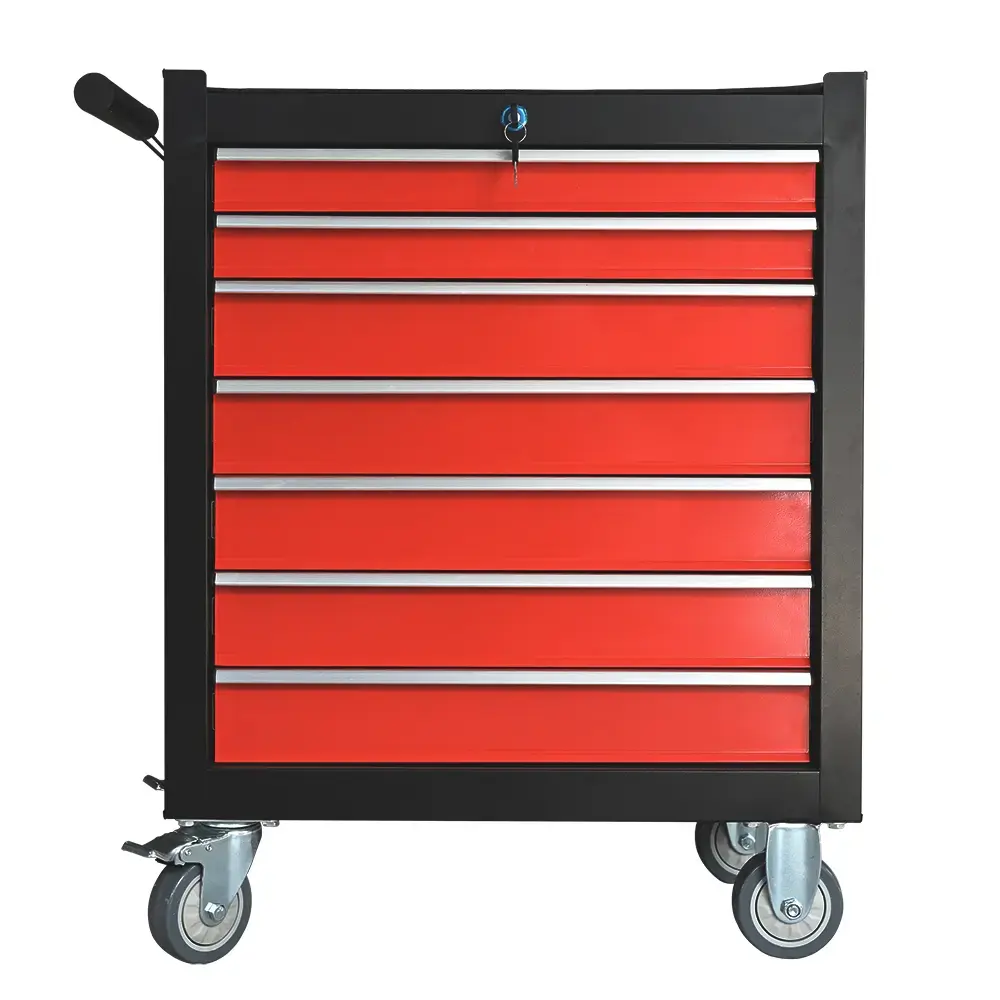


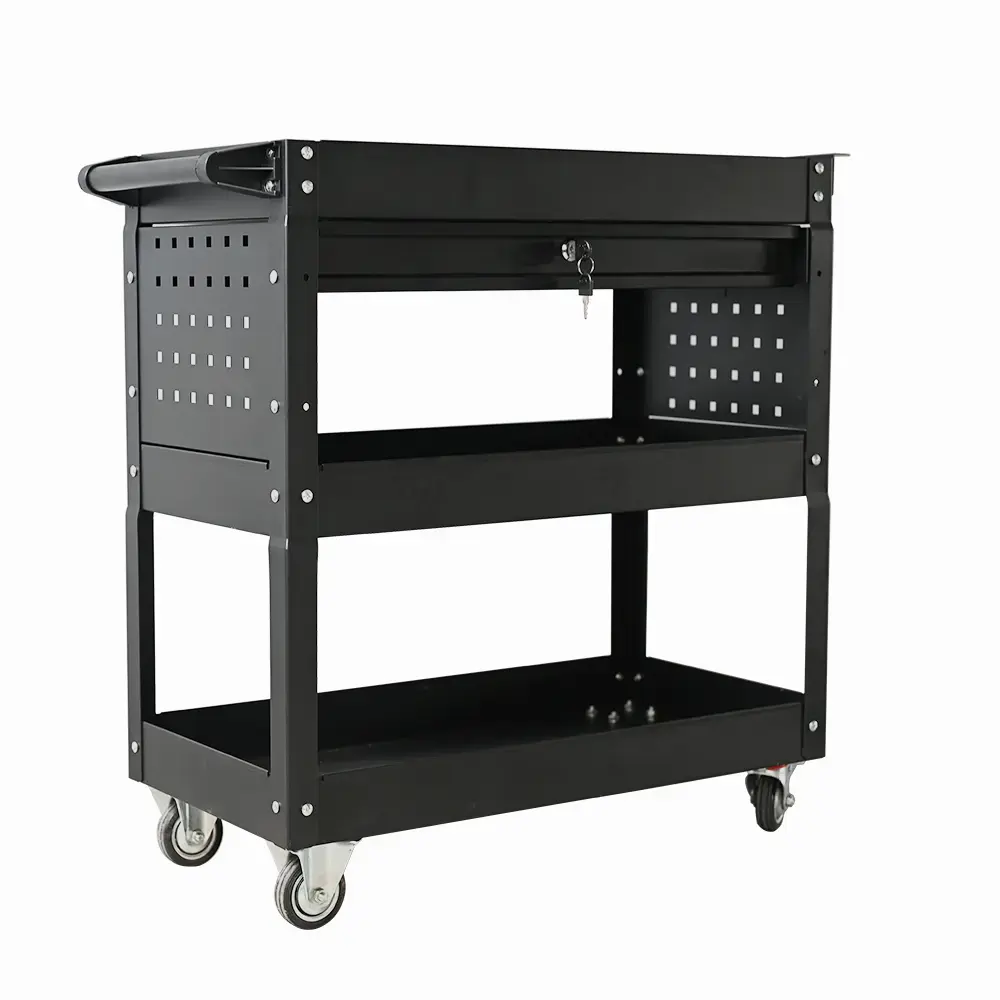
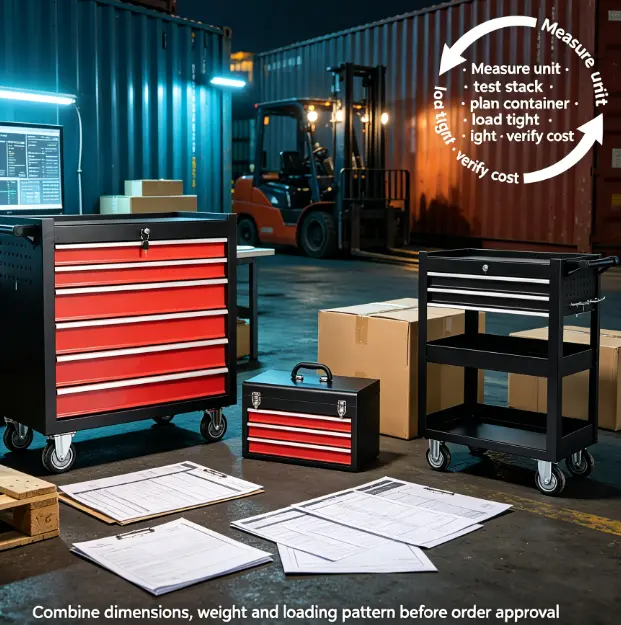

The material selection of heavy-duty metal tool cabinets is related to their durability
Heavy-duty metal Tool Cabinets are indispensable storage solutions in the workplace. They not only serve the function of keeping valuable tools but also provide an important guarantee for work efficiency and safety. The choice of appropriate material is directly related to the service life and performance of the tool cabinet. Let's delve into the intrinsic connection between material selection and durability.
Material thickness and structural strength
The durability of a tool cabinet is first reflected in its structural strength. Thicker metal plates can offer better load-bearing capacity and impact resistance, which is particularly important for storing heavy tools. Each part of the cabinet - including the side panels, bottom panels, drawers and door panels - needs to have an appropriate thickness ratio to ensure the stability of the overall structure.
The material thickness requirements for different parts are also not the same. Drawer rails and load-bearing components usually need to be thickened to cope with frequent opening and closing and heavy loads. The door panels and side panels, on the other hand, need to ensure strength while also taking into account the balance of the overall weight. High-quality tool cabinets will adopt differentiated thickness designs according to the functional requirements of different parts.
Surface treatment and corrosion resistance
The usage environment of metal tool cabinets is often challenging - oil stains in the workshop, water vapor in the humid air, and even contact with chemical substances can all cause erosion to the cabinet body. Therefore, the surface treatment process becomes the key factor determining the durability of tool cabinets.
Modern tool cabinets employ a variety of surface treatment techniques to enhance their corrosion resistance. The electrostatic spraying process can form a uniform and dense protective layer, effectively isolating air and moisture. Some advanced processing methods can also provide additional scratch resistance, keeping the appearance as good as new for a long time. The quality of the processing technology directly affects the service life of the tool cabinet in harsh environments.
The treatment of the internal surface is equally important. Rust protection inside drawers and cabinets is often overlooked, but these areas also require adequate protection as they come into direct contact with tools and may be subject to more frequent wear and contamination.

Connection structure and overall stability
The choice of material is not limited to the board itself; the connection method and structural design are equally crucial. The welding quality directly affects the integrity and stability of the cabinet. Continuous and uniform weld seams can ensure uniform stress distribution and prevent the occurrence of local weak points.
Corner reinforcement design is an effective method to enhance structural stability. Through special folding edge processes or additional reinforcing parts, the tool cabinet can maintain its shape unchanged when bearing heavy loads. The design of the drawer system also requires special attention. High-quality guide rails and load-bearing structures can ensure smooth opening and closing even when fully loaded.
The influence of detailed design on durability
The durability of a tool cabinet is often reflected in the details. The edge processing method not only affects the appearance but also relates to the safety and durability of use. The smooth and rounded edge treatment can prevent scratches and at the same time prevent cracking caused by stress concentration.
The quality of locks and hardware is also an important factor in determining the service life of tool cabinets. Durable locks can provide reliable security, while high-quality hardware ensures the long-term smooth use of drawers and door panels. Although these detailed components are not conspicuous, they are the parts that are most frequently touched during the daily use of the tool cabinet.
Anti-tipping design is a safety feature that is often overlooked but very important. Through a reasonable center of gravity design and fixation method, the tool cabinet can remain stable even when fully loaded, preventing accidents.
The usage environment is compatible with the material
The material requirements for tool cabinets vary depending on different usage environments. In a humid environment, better anti-rust treatment is required. In dusty environments, sealing performance becomes particularly important. In situations where frequent movement is required, weight and structural design need to be given special consideration.
The placement method of the tool cabinet will also affect the material selection. Cabinets placed independently need to have good surface treatment on all four sides, while those placed against the wall can appropriately optimize the use of materials. Understanding the specific usage scenarios and requirements can help choose the most suitable material configuration.
Maintenance and service life
Even the best materials require proper maintenance to maintain their performance. Regular cleaning of surface dirt can prevent the accumulation of corrosive substances. Check the hardware and connection parts, and tighten the loose screws in time. This can prevent small problems from developing into major malfunctions.
Precautions during use can also extend the service life of the tool cabinet. Avoiding overloading storage, evenly distributing weight, and reducing sudden impact loads - these good usage habits can all enable the tool cabinet to serve for a longer time.

Conclusion
The material selection for heavy-duty metal tool cabinets is a decision-making process that requires a comprehensive consideration of multiple factors. From the thickness of the base material to surface treatment, from structural design to detailed workmanship, every link affects the final durability performance. Understanding the interrelationships among these factors can help users make wiser choices and find the storage solution that best suits their needs.
A good tool cabinet should be a durable work partner, silently safeguarding precious tools and supporting the daily workflow. The meticulous investment in material selection will eventually translate into long-term reliability and satisfaction in use. When we attach importance to the quality of tool cabinets, we are actually investing in higher work efficiency and a safer working environment.