
Leave Your Message
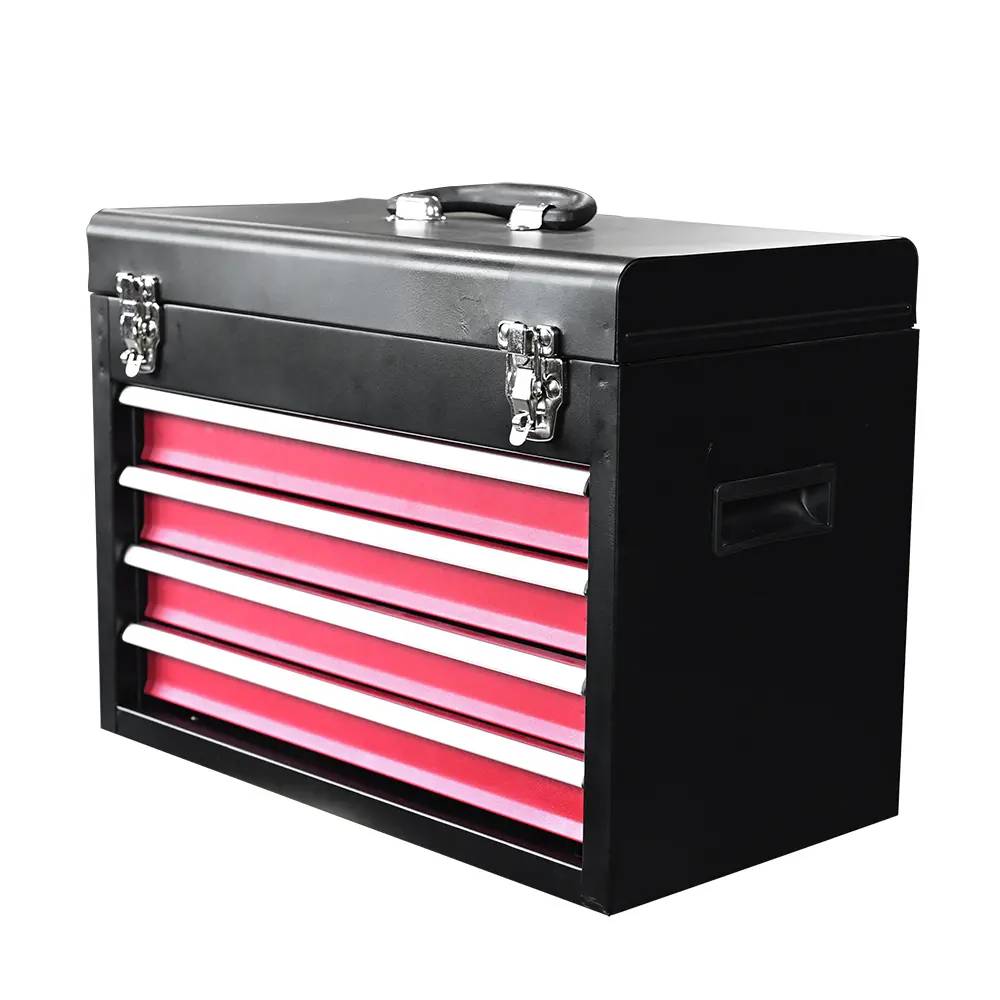
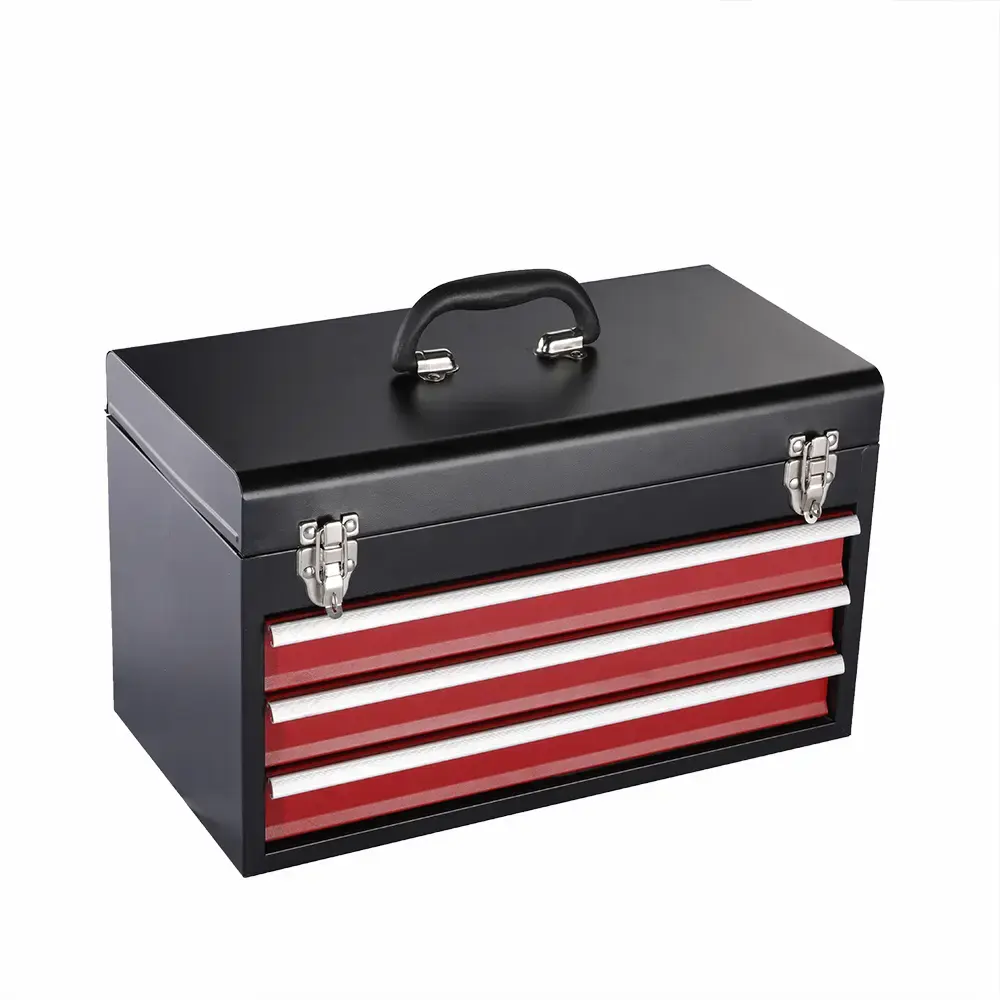

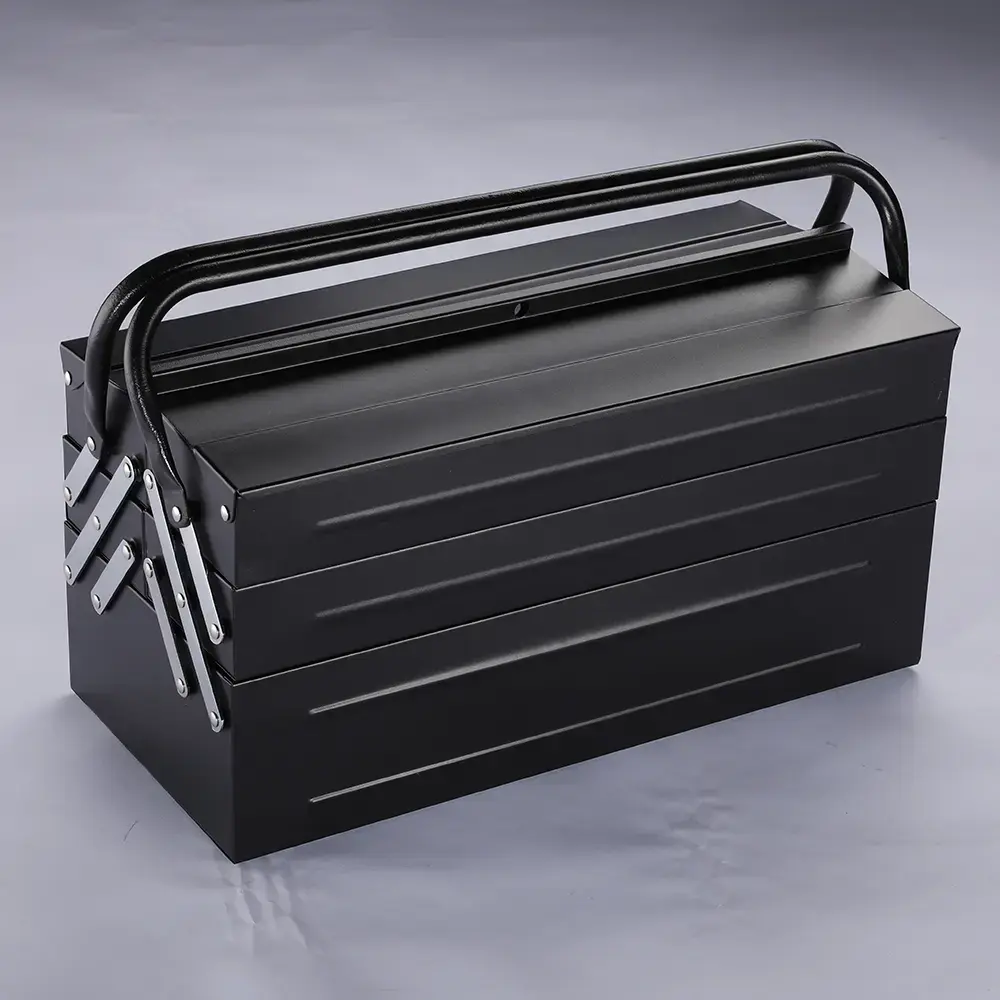
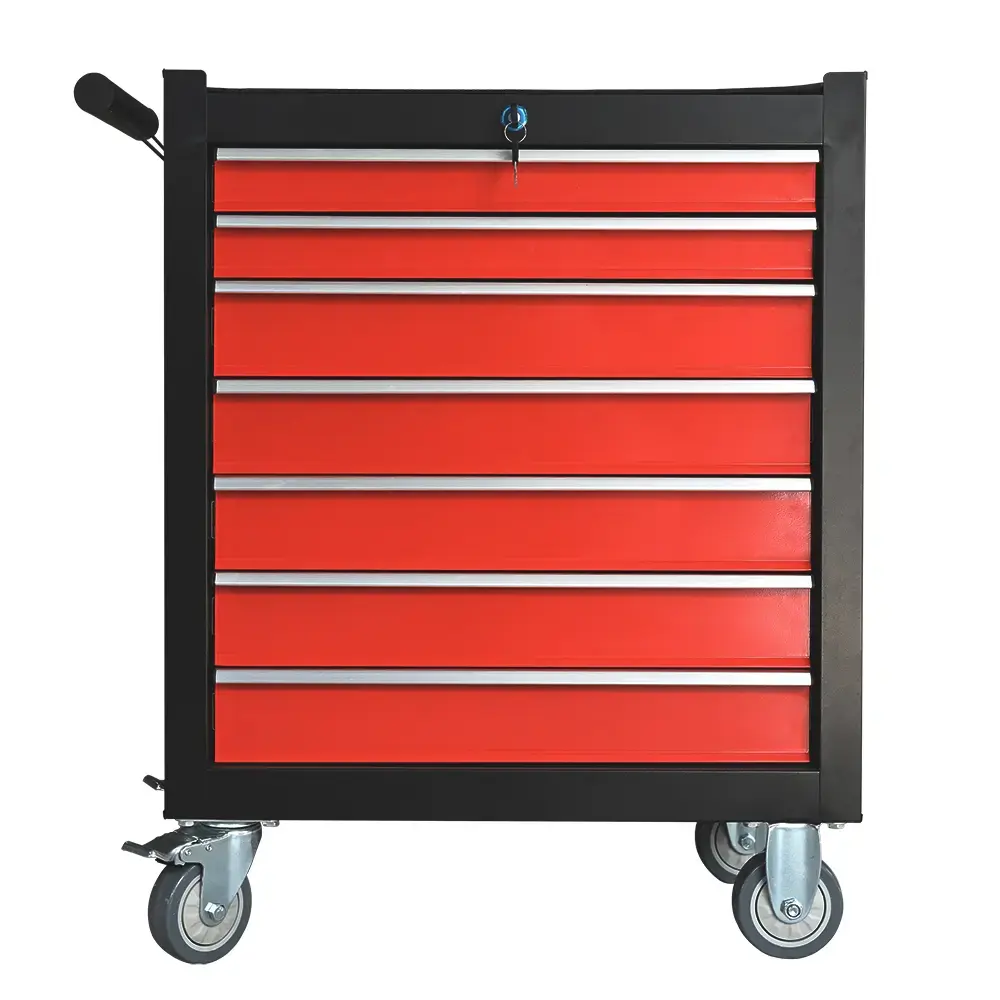



The Rise of Cross-border E-commerce: A New Chapter in the Procurement Model of Industrial tool Cabinets
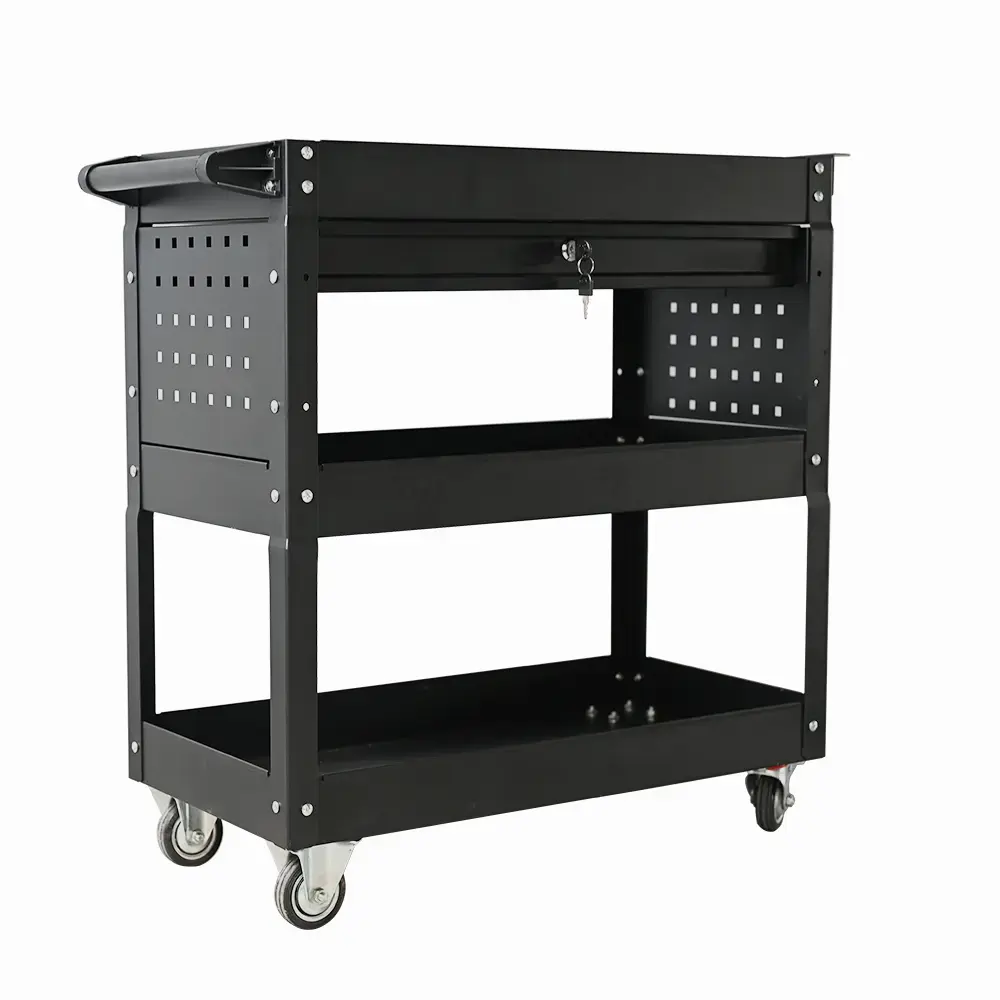
In the industrial field, Tool Cabinets, as indispensable partners in the production site, play a crucial role in tool management, space optimization, and safety assurance. For many years, the procurement model for industrial tool cabinets has been relatively fixed: enterprises complete their purchases through local suppliers or traditional channels, relying on face-to-face communication and on-site inspections. However, with the rise of cross-border e-commerce, this model is quietly changing. It not only opens up a broader perspective for purchasers, but also makes the entire procurement process more flexible and efficient.
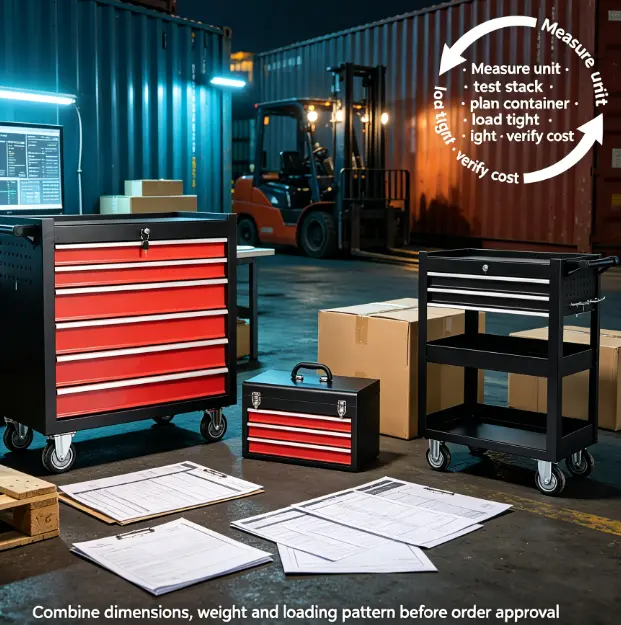
In the past, purchasing industrial tool cabinets often meant being limited to local options. Purchasing staff need to spend a considerable amount of time contacting multiple local suppliers, comparing product information, and even visiting the physical items in person. Although this model is reliable, its range of choices is limited and it is easily influenced by regional resources. For some small and medium-sized enterprises, finding a tool cabinet that truly meets their needs is no easy task. The emergence of cross-border e-commerce has broken this geographical restriction. Nowadays, purchasers can easily access tool cabinet options from all over the world simply through the Internet. Whether it's a heavy-duty tool cabinet that emphasizes durability or a modular design that pursues flexible layout, a wide range of choices can be found on the online platform. This change not only broadens the perspective of procurement but also enables enterprises to match their own needs more precisely.
In addition to expanding the range of choices, cross-border e-commerce has also made the procurement process more transparent and autonomous. Under the traditional model, purchasers often rely on the limited information provided by suppliers, such as product manuals or sample displays. Online, the detailed specifications, material descriptions, usage scenarios and even user feedback of the tool cabinet can all be seen at a glance. Purchasers can carefully compare the features of different products at their own pace, without being restricted by the promotion of suppliers or time pressure. This autonomy not only enhances the accuracy of procurement but also makes the entire process more relaxed.
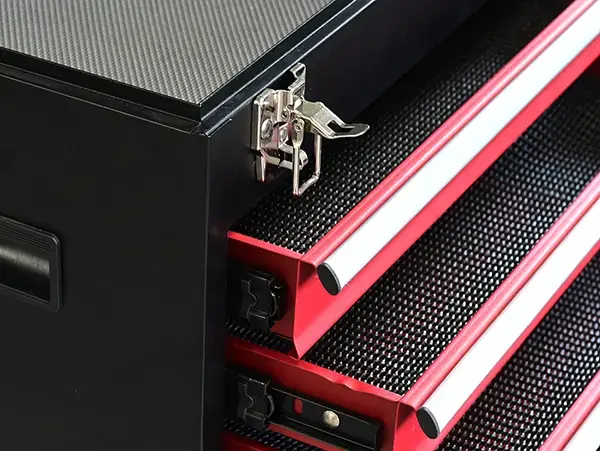
Another notable change is the improvement in procurement efficiency. In traditional procurement, from inquiry, negotiation to delivery, it often takes several weeks or even months. Cross-border e-commerce simplifies these links through standardized online processes. Purchasers can place orders directly and keep track of the order status in real time through logistics tracking. This efficiency is not only reflected in time but also in the optimization of resources. Enterprises no longer need to invest too much manpower in procurement matters, thus being able to focus their energy on core business.
Of course, the rise of cross-border e-commerce has also brought new challenges. For instance, purchasers may have to deal with differences in product standards or after-sales services across various regions. Overall, however, this change in the model more reflects the evolution of procurement behavior: from relying on local resources to embracing global choices, and from passive acceptance to active exploration. It is not only an advancement in technology, but also an innovation in procurement thinking.
For purchasers of industrial tool cabinets, the significance of cross-border e-commerce goes far beyond "more convenient purchasing". It represents a more open, flexible and sustainable procurement culture. In the future, as online services further mature, the procurement model may continue to develop in a more intelligent and personalized direction. However, no matter what, the core remains unchanged: to find the most suitable tool cabinet for enterprises and facilitate efficient and safe daily work.
In this process, the purchaser is no longer merely a passive recipient but an active explorer. Through the window of cross-border e-commerce, they have seen broader possibilities and made the purchase of tool cabinets a more valuable task. This is precisely the wonderful change that the progress of The Times has brought to the industrial field.