
Leave Your Message
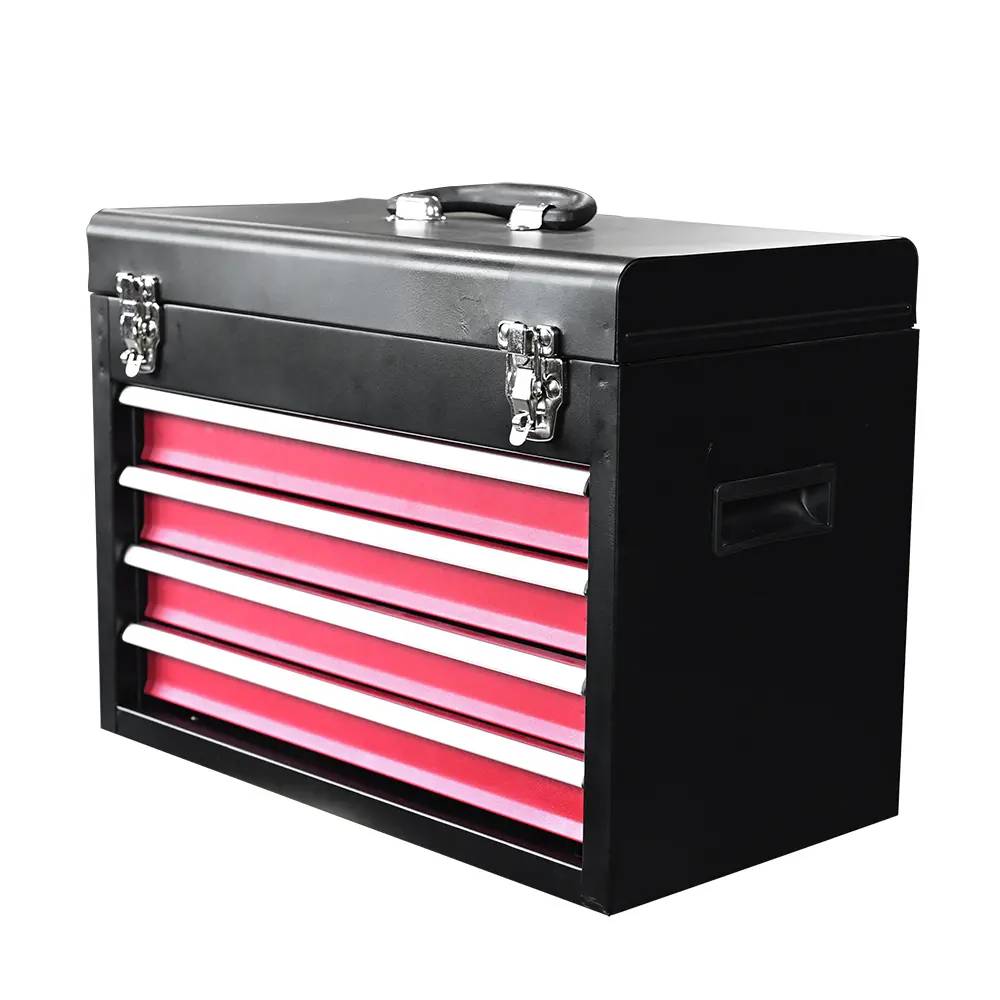
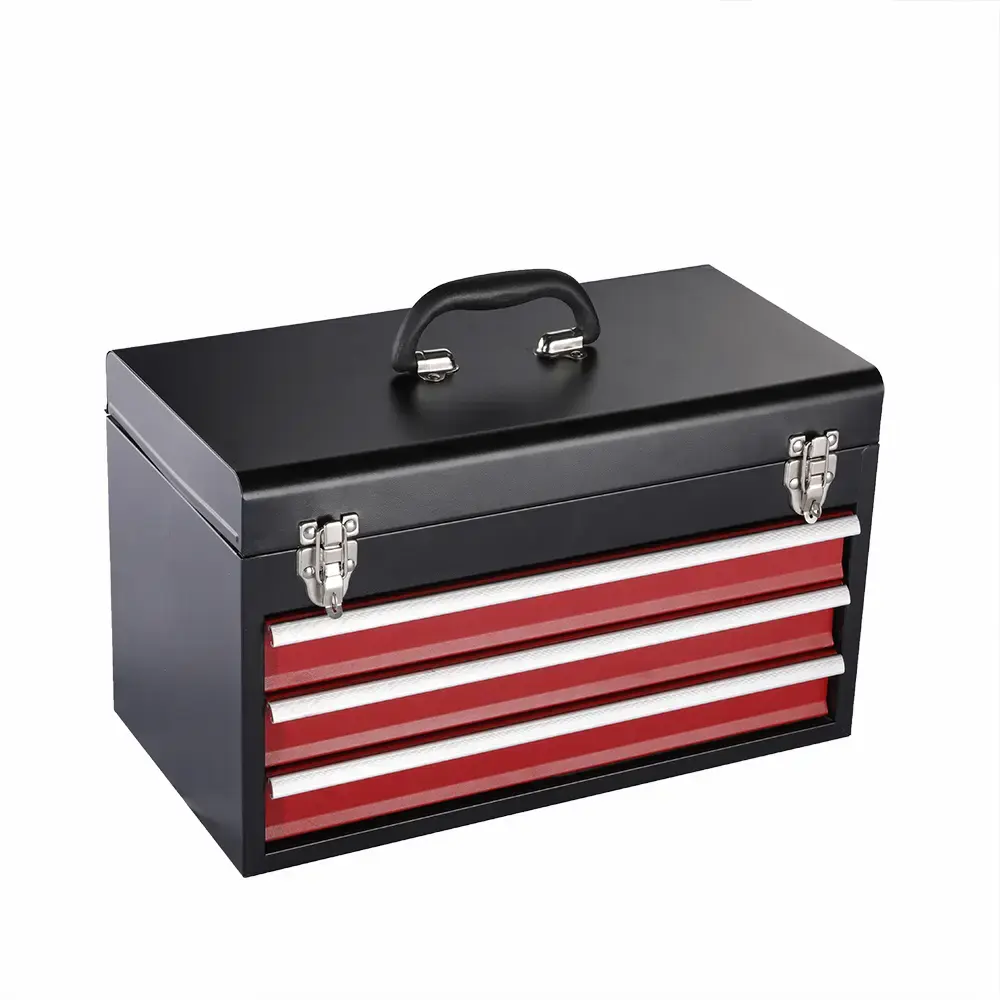

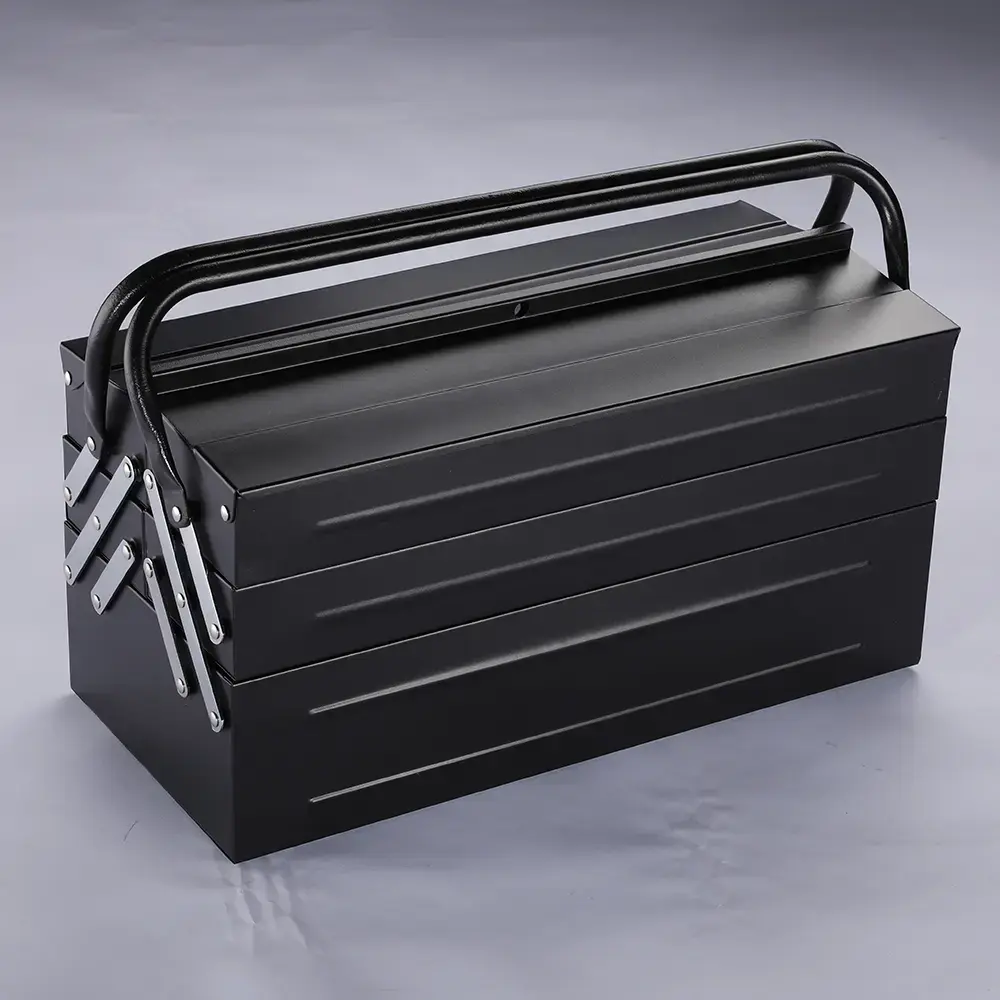
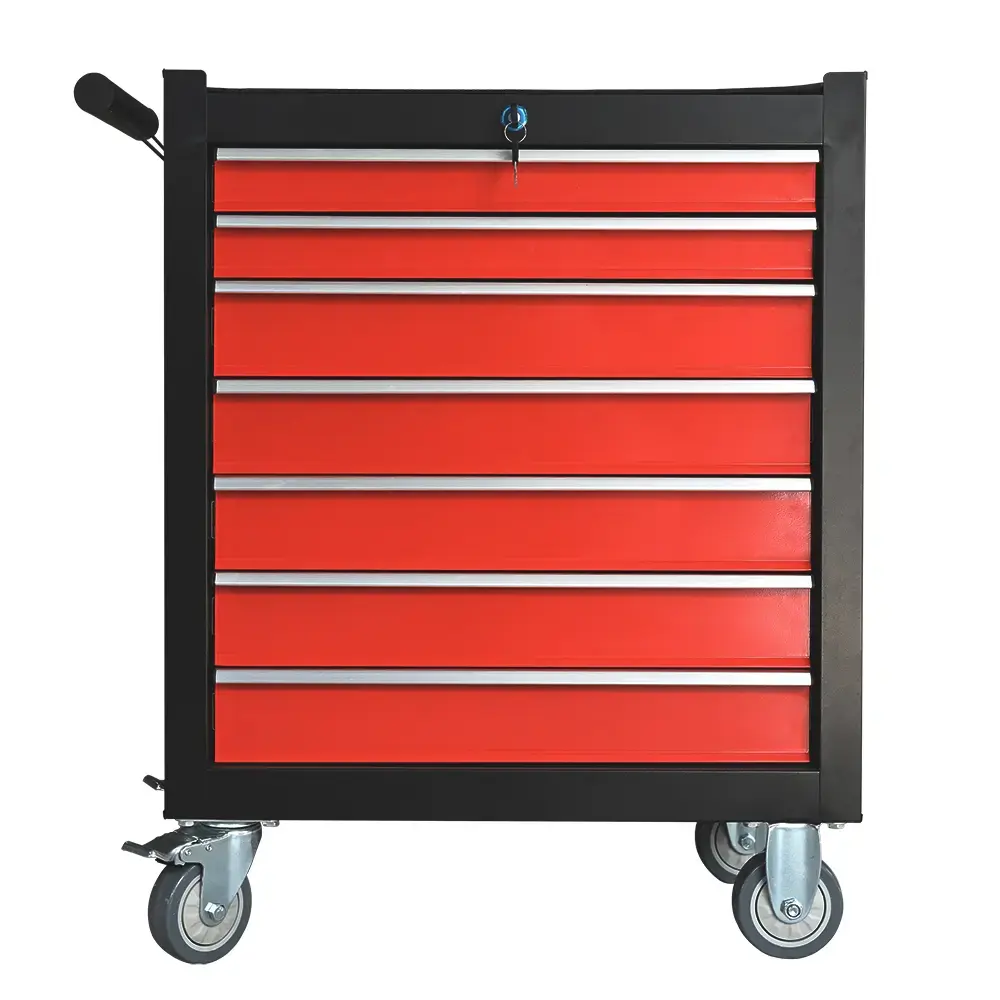



The Secret of Anti-static Tool Carts: Why Must the Electronics Manufacturing Industry Use Them?
In the electronics manufacturing industry, the quality and safety of precision components are crucial, and static electricity is an invisible killer threatening these components. Anti-static tool carts, as key equipment for transporting and storing electronic components in workshops, have a unique design that directly affects production safety and product yield. For international wholesale purchasers, understanding the irreplaceability of anti-static tool carts in the electronics manufacturing industry can better meet the industry's demand for professional equipment. This article will reveal the working principle and core value of anti-static tool carts and analyze the reasons why they have become essential equipment in the electronics manufacturing industry.
The hazards of static electricity: An invisible threat to electronic components
Electronic components, especially precision parts such as integrated circuits and chips, are extremely sensitive to static electricity. When a human body or an ordinary tool cart carries static electricity, a high-voltage discharge of several thousand volts may occur at the moment of contact with components. Although the current of this discharge is very small, it is sufficient to break through the insulation layer inside the components, causing a short circuit or performance degradation in the circuit. What is more concealed is that some components may not be immediately damaged under the influence of static electricity, but their internal structures have already suffered potential damage. This will lead to stability issues during subsequent use, seriously affecting the reliability of electronic products. In large-scale production, every 1% increase in the component scrapping rate caused by static electricity may lead to huge cost losses. Therefore, controlling the hazards of static electricity has become a core link in the electronics manufacturing industry.

The working principle of anti-static tool carts: neutralization and dissipation of electric charges
Anti-static tool carts, through material selection and structural design, have established a complete static protection system. The main body of the vehicle is mostly made of anti-static composite panels with surface resistance ranging from 10⁶ to 10⁹Ω. This material neither generates static electricity accumulation nor slowly releases the charges it comes into contact with. The vehicle surface and the surface of the shelves are usually covered with anti-static rubber pads. The conductive particles added to the rubber can guide the static charges on the surface of the components through the vehicle body to the ground.
The key grounding design is at the core of the anti-static function. The bottom of the tool cart is equipped with conductive casters or grounding chains to ensure a good electrical connection between the vehicle body and the ground, continuously guiding the accumulated charge into the earth. Some high-end models also integrate anti-static wristband interfaces at the handlebar. After the operator wears the wristband, the static electricity on the human body can be released through the grounding system of the tool vehicle, forming a complete anti-static circuit of "personnel - tool vehicle - ground", cutting off the path of static electricity generation from the source.
Special Demands of the Electronics Manufacturing Industry: Why Is It Indispensable?
The dust-free workshop environment in the electronics manufacturing industry poses strict requirements for tool vehicles, and ordinary tool vehicles cannot meet the special scene demands. Firstly, in the component storage stage, the layer spacing of the anti-static tool cart can be flexibly adjusted. When used in conjunction with anti-static packaging bags, it can prevent the generation of static electricity between components due to friction and at the same time prevent dust from adhering - this is crucial for Class 100 cleanrooms.
Secondly, during the material transfer process on the production line, the anti-static tool vehicle can maintain a stable charge. When traditional metal tool carts are in motion, static electricity is generated by the friction between the vehicle body and the air. However, the surface material of anti-static tool carts has undergone special treatment, and the frictional charging voltage can be controlled below 50V, which is far lower than the static electricity tolerance threshold of electronic components (usually 250V). In addition, the structural design of the tool cart has no sharp corners and no fallen parts, avoiding the scraping of components or the generation of metal debris during transportation, which meets the cleanliness requirements of the electronics manufacturing industry.
Irreplaceability in practical applications
In key processes such as SMT assembly and semiconductor packaging, the role of anti-static tool carts is particularly prominent. For instance, when transporting PCB boards, the anti-static layer board of the tool vehicle can adsorb the board body, preventing displacement and collision caused by vibration, and at the same time avoiding static electricity from damaging the fine circuits on the PCB. When storing IC chips, the closed cabinet design of the tool cart combined with anti-static inner lining can block the interference of external static electricity fields, ensuring the stable performance of the chips during storage.
More importantly, anti-static tool carts can work in coordination with the overall anti-static system of the workshop to form a synergistic protection. When the tool cart is connected to the workbench, shelves and other equipment through the grounding main line, an equipotential environment throughout the workshop can be created, eliminating the potential difference between different equipment and fundamentally eliminating the phenomenon of static discharge. This systematic protection is something that ordinary tool carts cannot achieve and is the core reason why the electronics manufacturing industry must adopt professional anti-static tool carts.
Anti-static tool carts, through material innovation and grounding design, provide targeted static electricity solutions for the electronics manufacturing industry. Their role in protecting precision components, maintaining production cleanliness, and coordinating with system protection is irreplaceable.
