
Leave Your Message
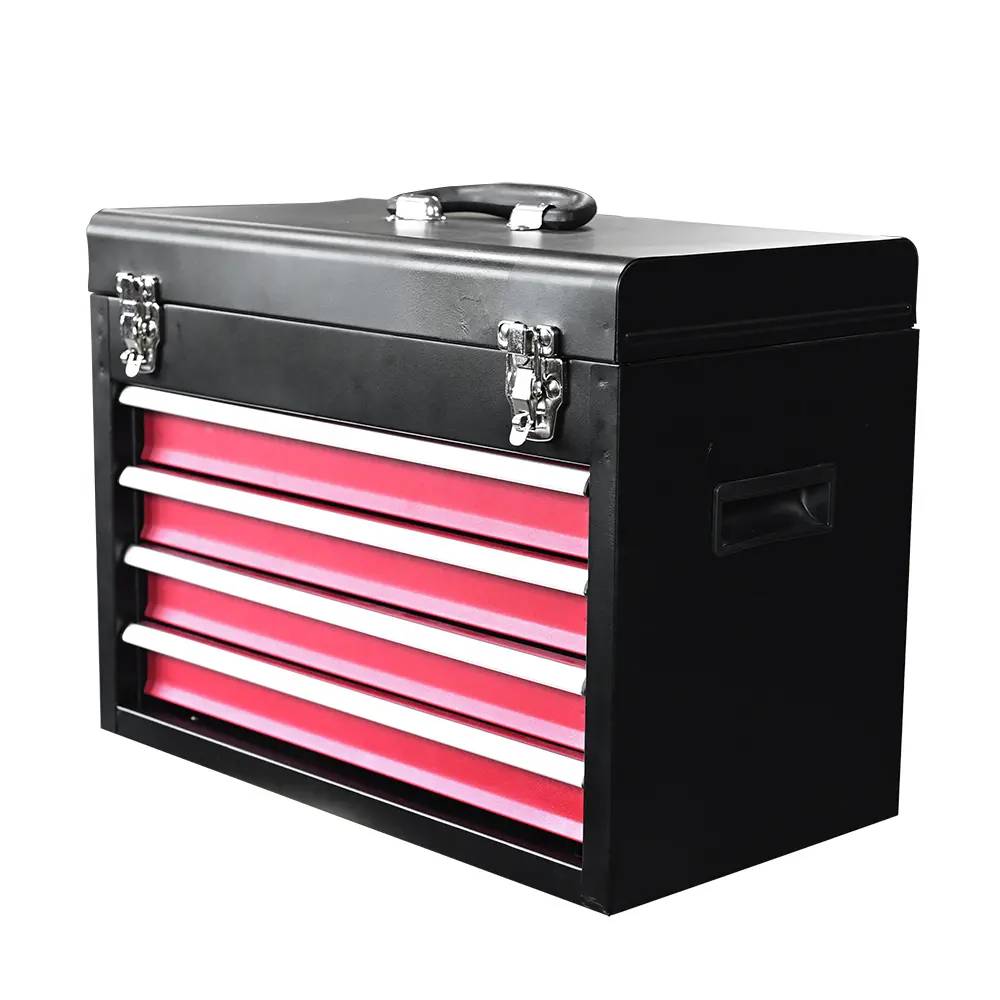

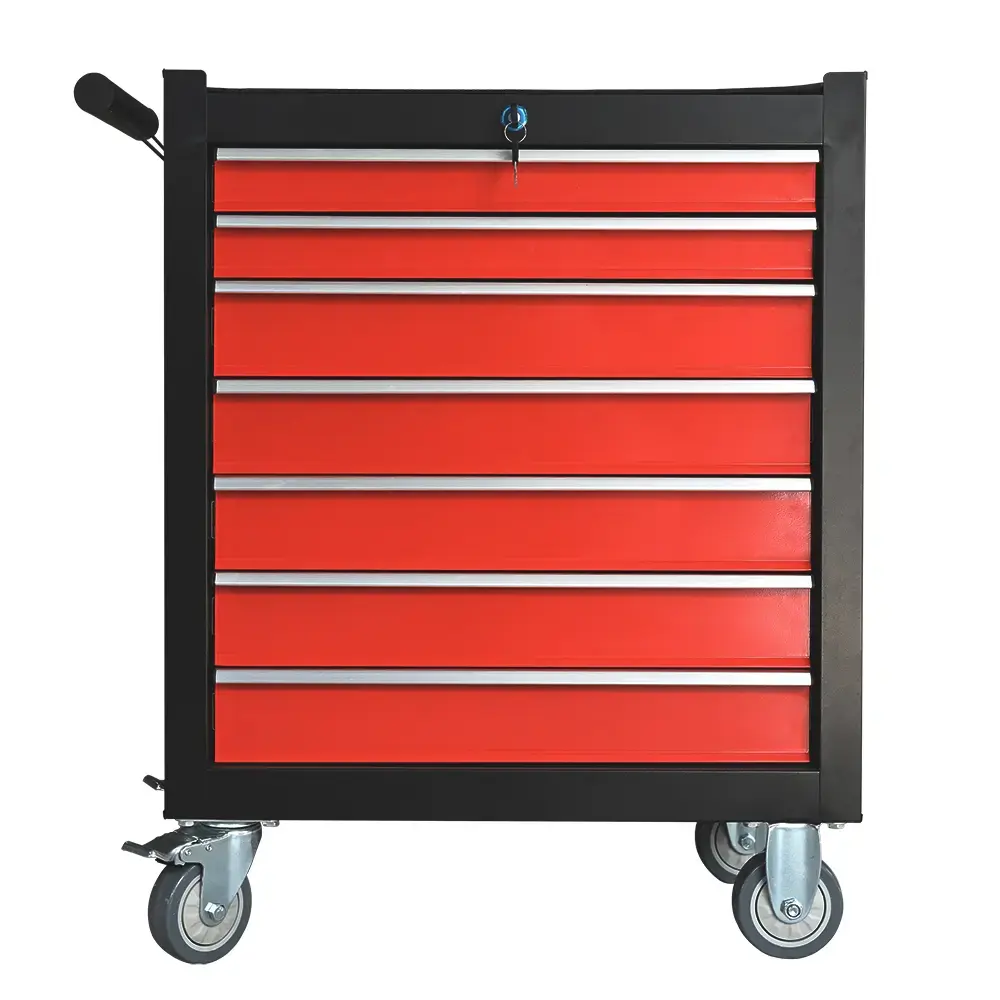


Tool Cabinet Casters Brake Types: Efficiency Comparison Between Foot-Operated vs. Manual Systems
Tool Cabinet Casters Brake Types: Efficiency Comparison Between Foot-Operated vs. Manual Systems
Tool Cabinet Casters Brake Types: Foot-Operated vs. Manual – Operational Efficiency This is one of the most perplexing issues for many cross-border buyers and wholesalers when selecting products. Numerous buyers report that choosing the right brake type reduces end-customer complaints, while selecting the wrong one can cause return rates to skyrocket and incur additional after-sales costs. Drawing on over a decade of industry experience, this article thoroughly explains the operational efficiency and suitable scenarios for both brake types, helping you overcome selection challenges. Whether supplying end customers or using them yourself, you'll find the right solution. Let's dive straight into the core differences between foot-operated and manual brakes.
Foot-Operated Tool Cabinet Casters: Where Does the Efficiency Advantage Lie in High-Frequency Use?
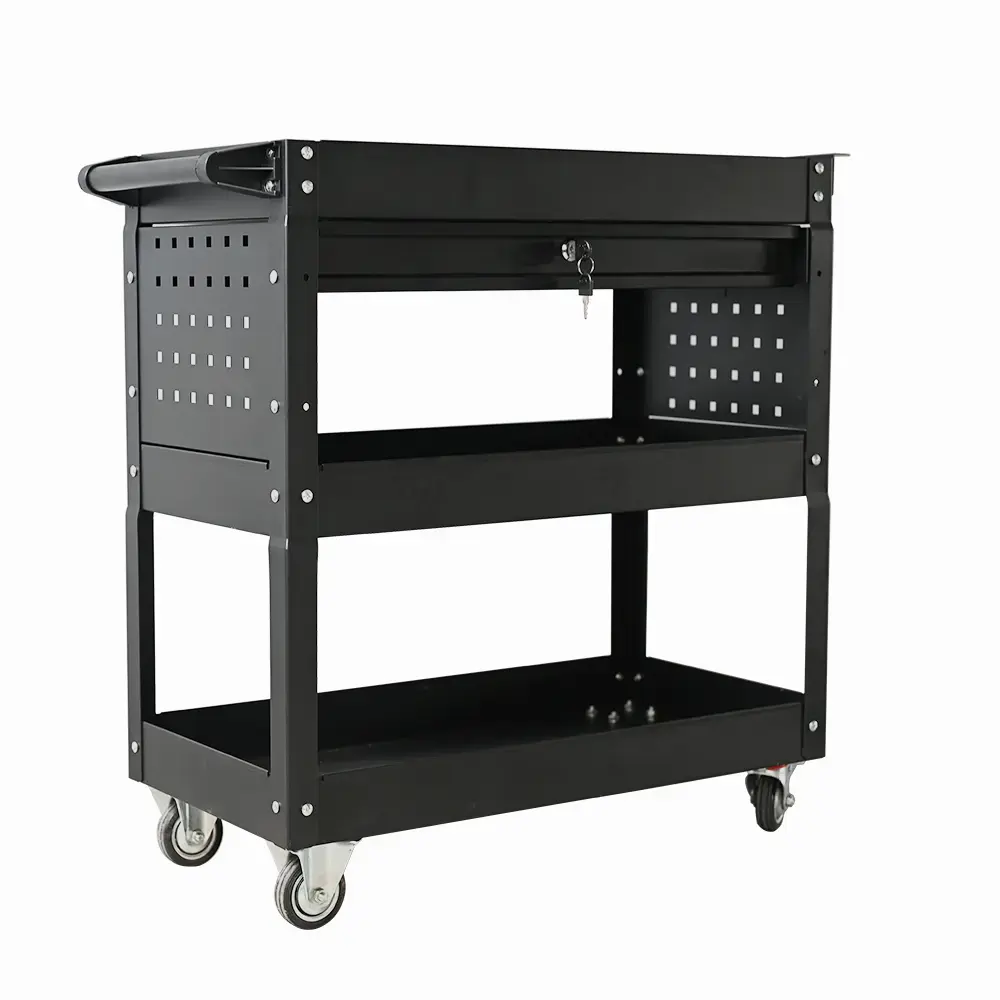
Foot-operated tool cabinet casters, as the name suggests, secure cabinets by simply pressing a foot pedal—eliminating the need to bend over or manually engage the brake mechanism. This makes them the mainstream choice for high-frequency movement in industrial and workshop settings. Their core advantage lies in “saving time and effort,” particularly suited for scenarios requiring frequent movement and securing of tool cabinets, significantly reducing the physical effort required by operators.
Consider a real-world example: I previously worked with a client specializing in European cross-border procurement for industrial workshop tool cabinets. Initially, to control costs, they opted for manual brakes. However, end-users reported that workshop workers had to move cabinets dozens of times daily, each requiring bending to tighten the brake. This not only wasted time but also led to chronic back pain over time, pushing complaint rates to 12%. After switching to foot-operated brakes, workers could push the cabinet with one hand and engage the brake with one foot—eliminating bending entirely. The time required to secure each cabinet dropped from 15 seconds to 3 seconds, slashing customer complaints below 2% and generating repeat orders from end-users.
Many buyers ask: If foot brakes are so convenient, won't they loosen or fail easily? Rest assured—selecting a high-quality foot brake (preferably a dual-locking mechanism that secures both wheels and direction) ensures a service life of 3-5 years under normal use. Minimal maintenance is required beyond periodic cleaning of dust from the pedal crevices, making it fully suited for high-frequency industrial applications.

Manual Tool Cabinet Casters with Brakes: When Are They More Practical?
Manual tool cabinet casters require turning a knob or flipping a lever to engage the brake, making them slightly more cumbersome and time-consuming to operate than foot-operated models. However, they are not outdated—in specific scenarios, they offer distinct advantages and better value.
The most typical examples are small tool cabinets, household tool cabinets, or scenarios where end-users don't need to move the cabinets frequently. For instance, I worked with a wholesale customer specializing in household tool cabinets. Their products mainly target home users and small workshops. In these scenarios, tool cabinets are typically fixed in a corner and only occasionally moved, making manual brakes perfectly adequate. Moreover, manual brakes feature simpler construction without complex foot-operated components, reducing procurement costs by 15%-20%. This allows customers to offer more competitive retail prices, resulting in higher sales volumes compared to competitors using foot-operated brakes.
Another common application is outdoor or humid environments. Manual brakes offer superior sealing performance, resisting water and dust ingress more effectively than foot-operated brakes, leading to more reliable braking stability. One customer reported that during outdoor construction site use, the foot-operated brakes failed multiple times due to water ingress through the pedal gaps causing rust. After switching to manual brakes, consistent braking performance was maintained even with prolonged exposure to damp conditions.
This also addresses a frequently asked question: Are manual brakes suitable for heavy-duty tool cabinets? We don't recommend them. Heavy-duty cabinets are inherently bulky, requiring significant force to manually tighten the brake. This not only makes operation cumbersome but can also lead to loosening of the brake knob over time, compromising braking effectiveness. For heavy-duty cabinets, opting for a dual-brake foot-operated model is a more reliable choice.
Foot-Operated vs. Manual: A Must-See Efficiency and Selection Comparison for Buyers
Many cross-border buyers focus solely on price during selection, overlooking how operational efficiency impacts end-user experience—often resulting in unintended drawbacks. Neither brake type is inherently superior; the key lies in matching your end-user scenarios and requirements. We've created a clear comparison across three core dimensions—operational efficiency, suitability, and procurement cost—to facilitate quick selection.
In terms of operational efficiency, foot-operated models are superior, with a single locking cycle taking only one-fifth the time of manual models. They are ideal for high-frequency movement and scenarios requiring quick locking, such as industrial workshops, large construction sites, and repair shops. Manual models, though slower, are suitable for low-frequency movement and scenarios with lower efficiency demands, such as home use, small workshops, and outdoor humid environments.
Regarding procurement costs, manual models offer greater value, appealing to buyers prioritizing cost-effectiveness and price-sensitive end-users. While foot-operated models carry slightly higher costs, they enhance end-user experience and reduce after-sales complaints, making them suitable for mid-to-high-end tool cabinet suppliers targeting industrial applications.
Another often overlooked factor is transport convenience. Manual brakes lack protruding foot components, saving space during packaging. In cross-border shipping, their damage rate is approximately 5% lower than foot-operated models. This translates to significant savings in transportation and after-sales costs for international buyers.

Maintenance Tips for Both Brake Types: Extend Lifespan, Reduce After-Sales Costs
Regardless of the brake type chosen, proper maintenance extends lifespan and minimizes after-sales issues—an aspect often overlooked by many buyers. Maintenance is straightforward and requires no specialized tools, allowing end-users to perform it themselves.
For foot-operated brakes, routine maintenance involves cleaning dust and debris from the pedal gaps to prevent obstructions that could cause unresponsive braking. Every six months, apply a small amount of lubricant to the pedal connection points to prevent rust, especially beneficial in humid environments. As a reference point, industrial clients I work with who follow this maintenance routine extend the average lifespan of their foot-operated brakes by 1-2 years.
For manual brakes, focus on checking the tightness of the brake knob. Tighten it immediately if loose to prevent reduced braking effectiveness. Similarly, regularly clean dust from the knob's crevices to avoid dust entering the interior and causing difficulty in turning the knob. Additionally, prioritize stainless steel knobs for manual brakes, as they are more durable than plastic knobs and less prone to stripping.
Many buyers ask if maintenance adds burden to end-users. Actually, no—these steps are simple and easy to understand. We can include basic maintenance instructions in product packaging, allowing end-users to complete tasks in minutes. This enhances customer satisfaction and reduces after-sales complaints caused by improper maintenance.
Summary
Ultimately, selecting the right tool cabinet caster brake type hinges on matching the end-user scenario. Avoid blindly pursuing high-end or ultra-convenient options, and don't solely choose cheaper models to control costs. Foot-operated brakes suit high-frequency movement and efficiency-driven scenarios, enhancing end-user experience and reducing complaints. Manual brakes are ideal for low-frequency movement and price-sensitive scenarios, offering better cost-effectiveness and superior stability in specific environments. We hope this article clarifies selection criteria for all readers—whether you're a cross-border buyer, wholesaler, or end consumer—enabling you to choose the right tool cabinet casters and brakes. This approach saves costs while meeting usage needs, truly achieving “one right choice, hassle-free operation.” Ultimately, the operational efficiency of foot-operated vs. manual brake types depends on the specific application scenario.

FAQ: Top 3 Questions from Buyers
1. For cross-border tool cabinet procurement, should I prioritize foot-operated or manual brakes?
Answer: It depends on the end-user scenario. For industrial or workshop settings with frequent movement, prioritize foot-operated brakes. For home use or small workshops with infrequent movement, manual brakes are preferable—they control costs while meeting needs.
2. Which brake type is more durable for tool cabinets: foot-operated or manual?
Answer: Under normal use and proper maintenance, both offer comparable durability with an average lifespan of 3-5 years. Manual brakes prove more durable in outdoor or humid environments, while foot-operated brakes (especially dual-brake configurations) outperform in high-frequency industrial settings.
3. What precautions should be taken for cross-border shipping of tool cabinets with these two brake types?
Answer: For foot-operated brakes, focus on protecting the brake pedal to prevent collision damage during transit. Add protective padding over the pedal during packaging. For manual brakes, thoroughly inspect the brake knob to ensure it's securely tightened, preventing loosening during transport. Both types require moisture-proof packaging to avoid rusting from seawater ingress during ocean shipping.
Meta Description
Struggling to choose between foot-operated or manual brakes for tool cabinet casters? This article, authored by a seasoned tool cabinet industry expert, draws on real cross-border procurement Cases to thoroughly compare the operational efficiency, applicable scenarios, procurement costs, and maintenance techniques of both brake types. It addresses high-frequency questions from buyers, helps you precisely match end-customer needs, reduces after-sales complaints, enhances procurement cost-effectiveness, and enables you to quickly master tool cabinet caster brake selection techniques—empowering more efficient B2B procurement decisions.
Keywords
Tool cabinet casters brake types, foot-operated tool cabinet casters, manual tool cabinet casters, tool cabinet caster selection techniques, cross-border procurement of tool cabinet casters