Leave Your Message
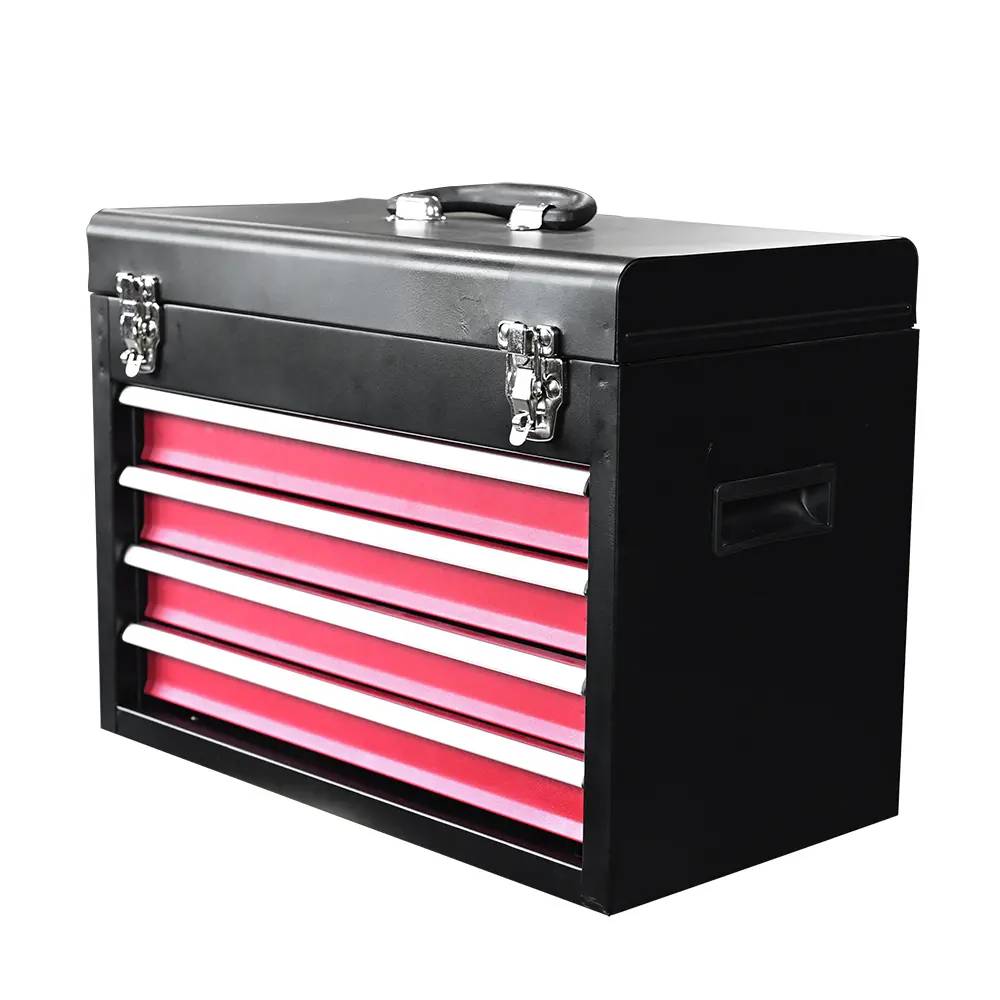
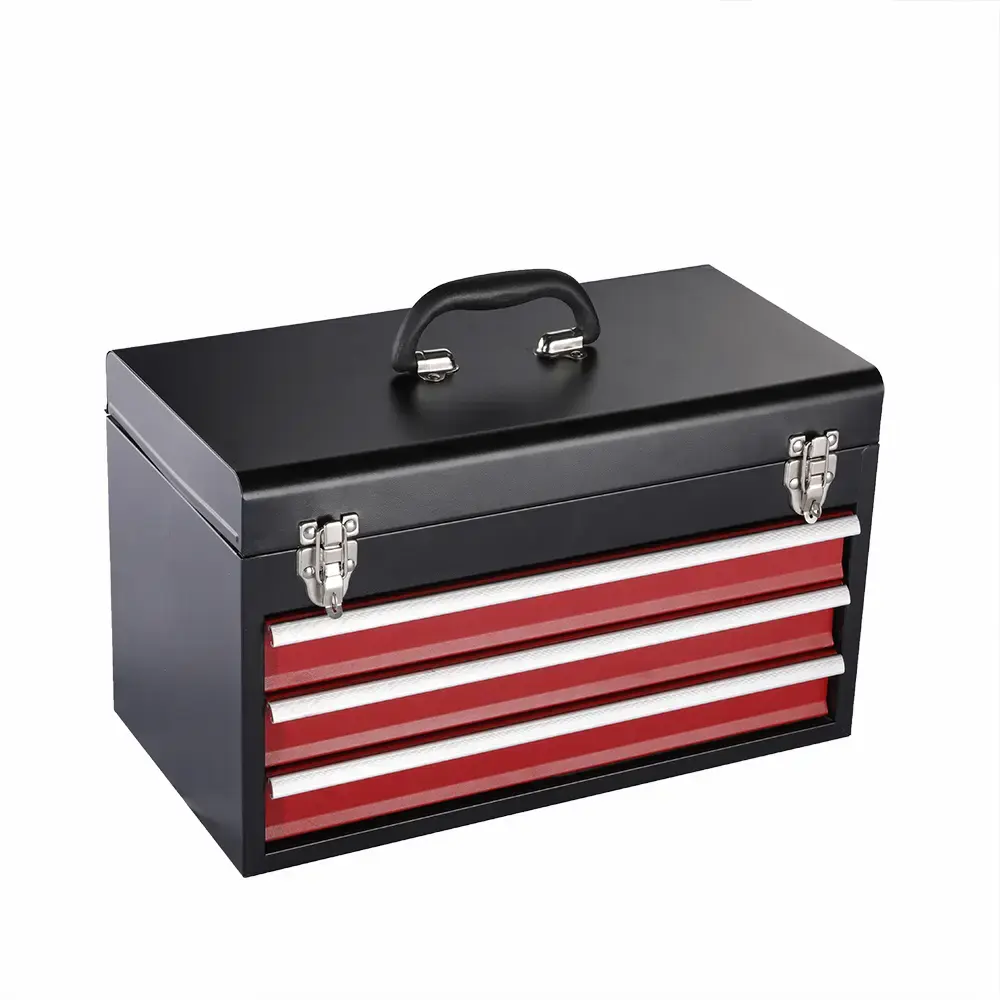

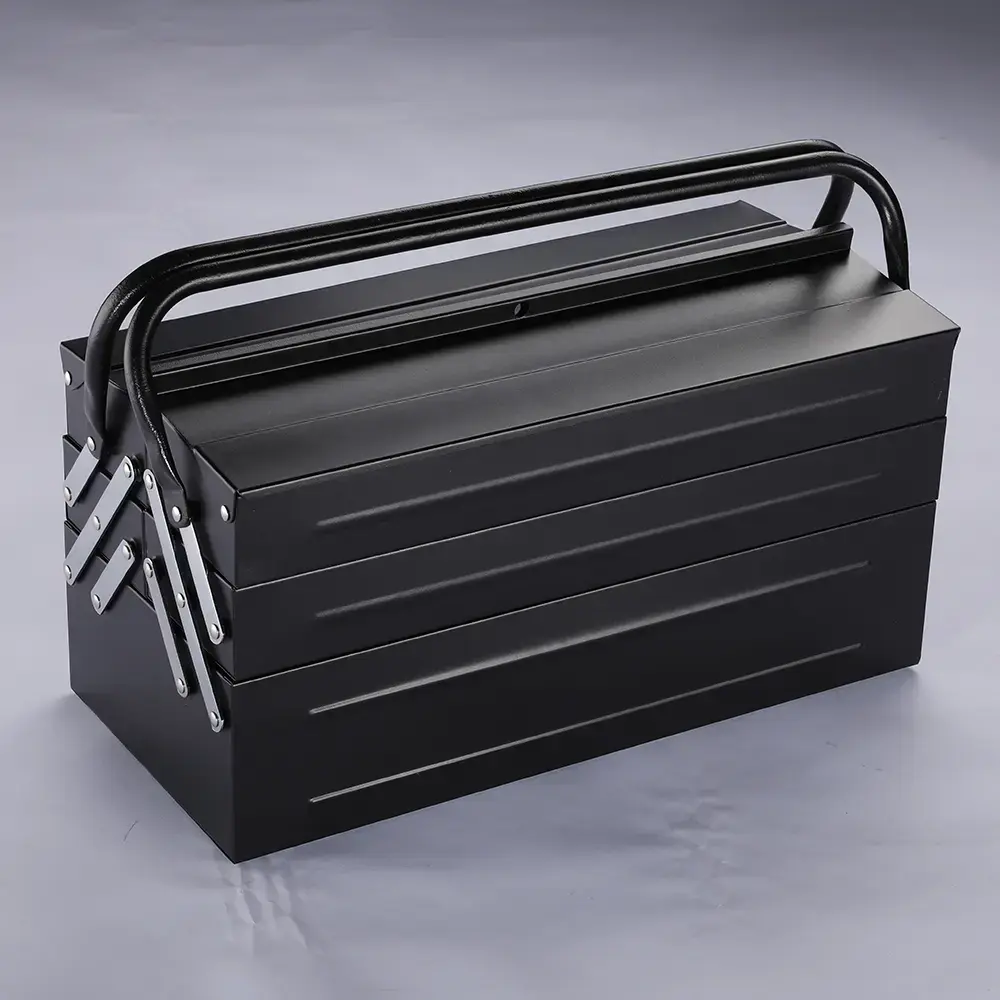



Tool Cabinet Purchasing White Paper: The 10 Most Concerned Issues for Wholesalers
For Tool Cabinet wholesalers, every purchasing decision is related to the stability of business and the trust of customers. The choice of products to introduce into inventory not only affects sales performance but also directly relates to long-term market competitiveness. In the complex supply market, what core issues do wholesalers care about the most? This white paper will sort out ten key aspects for you, helping you to have a clear goal and make decisions calmly in your next purchase.
1. How is the durability of the product guaranteed?
This is the cornerstone of all problems. Wholesalers need to know whether the tool cabinet, from material selection to structural design, can withstand the test of daily high-intensity use. They pay attention to details such as the thickness of the cabinet body, the firmness of the welding points, and the scratch resistance and corrosion resistance of the surface treatment process. A sturdy and durable product is the first step in building the confidence of downstream customers.
2. Is the stability of the quality of the handicrafts reliable?
The excellence of a single product is not sufficient to support the wholesale business. What wholesalers are more concerned about is whether products from different batches can maintain a highly consistent quality standard. They need suppliers to have a mature quality control system to ensure that every delivery meets the expected standards and avoid after-sales troubles and reputation losses caused by quality fluctuations.
3. Can it meet diverse application scenarios?
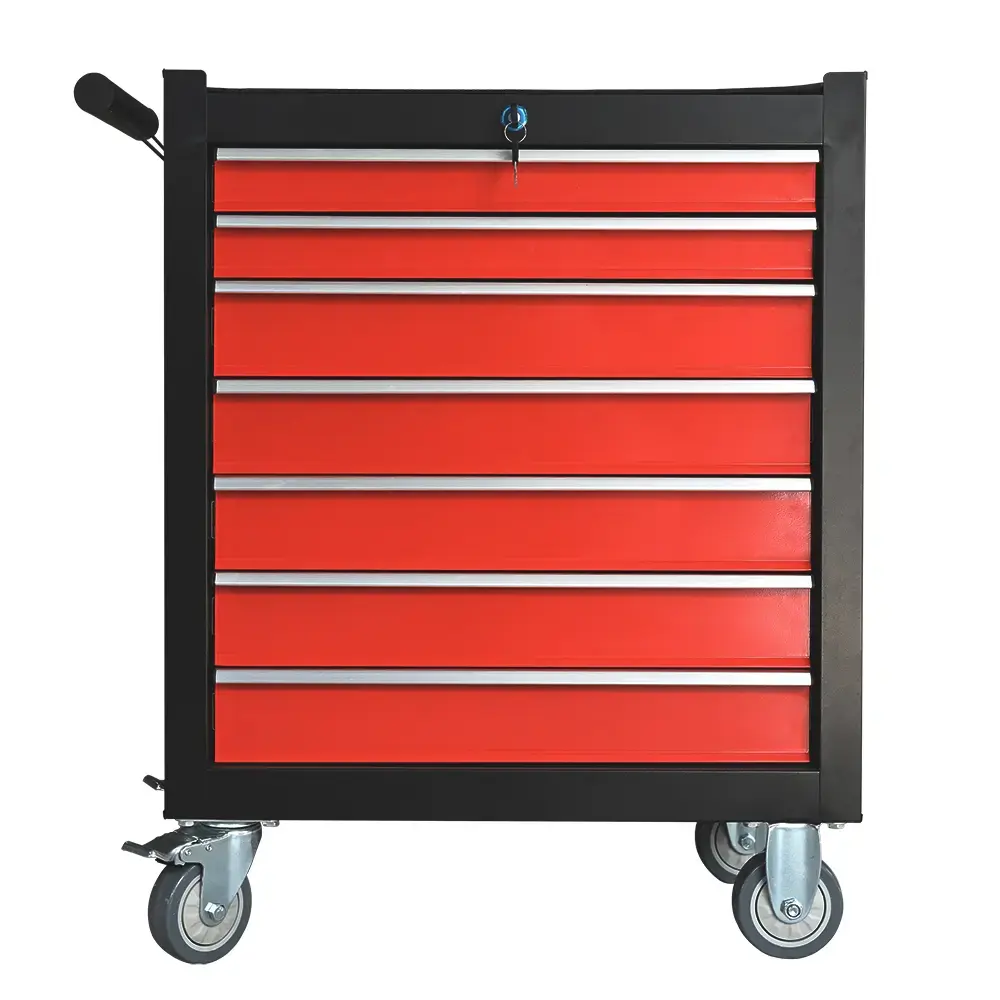
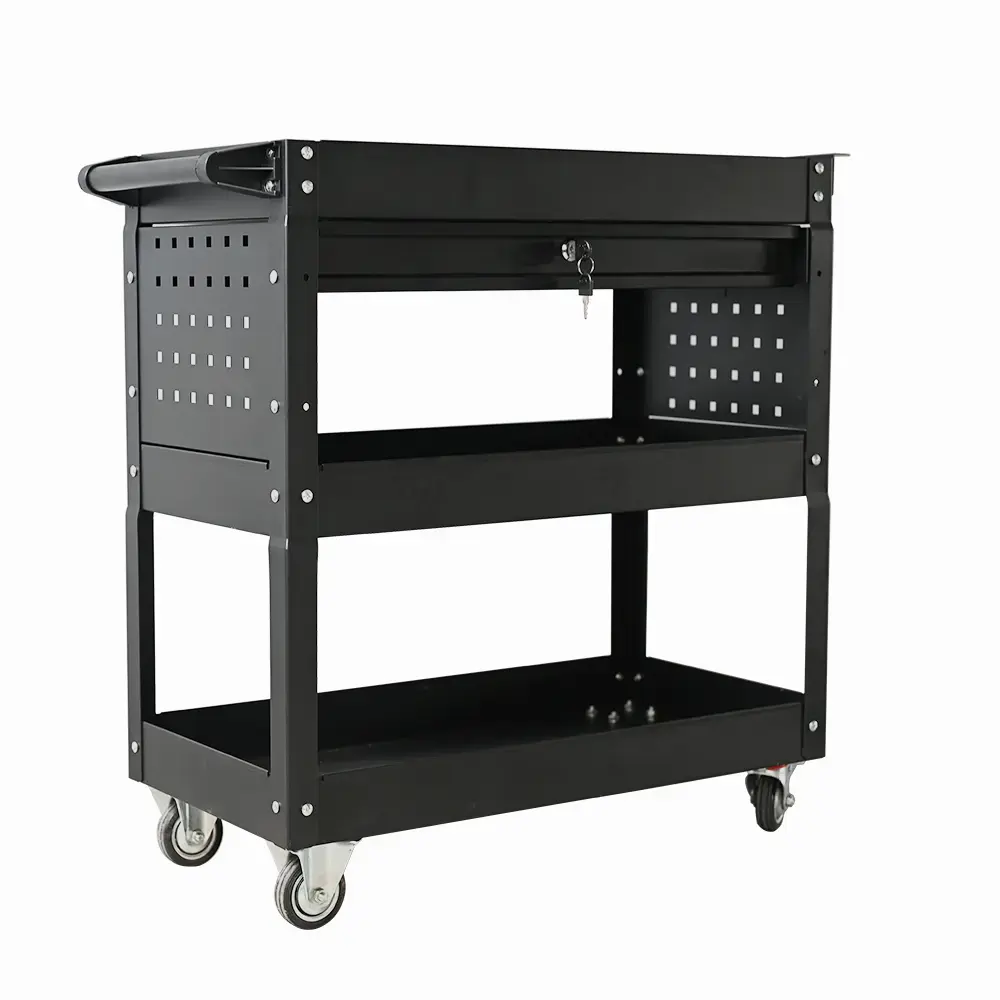
The demands for tool cabinets vary greatly among different customer groups. Automobile repair shops, precision electronics workshops or large manufacturing plants have different usage environments and storage requirements. Wholesalers hope that the product line can cover a variety of specifications and configurations, such as different drawer combinations, internal partition options or mobility requirements, to flexibly respond to the diversity of the end market.

4. Have the design and functions kept up with modern demands?
In addition to the basic storage function, modern workspaces have put forward higher requirements for the humanized design and efficiency improvement of tool cabinets. Wholesalers will pay attention to whether the products take into account the convenience of tool retrieval and placement, the configuration of safety locks, the smoothness of drawers, and whether the overall appearance is modern and professional. These details reflect the added value of the product.
5. How timely is the delivery?
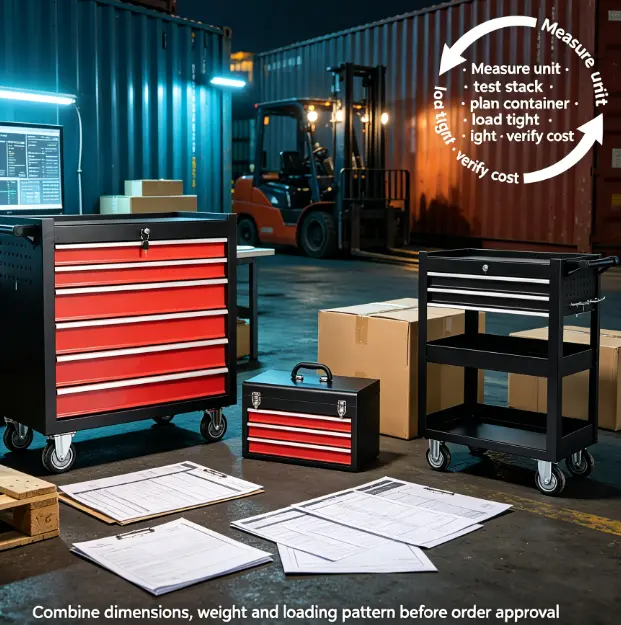
Inventory turnover efficiency is the lifeline of wholesale business. Whether the supplier can complete the order delivery stably and punctually according to the agreed schedule is of vital importance. Wholesalers need to assess the production capacity, inventory levels and logistics coordination capabilities of suppliers to ensure the smoothness of their own supply chains and not miss the market sales opportunities.
6. How flexible are customized services?
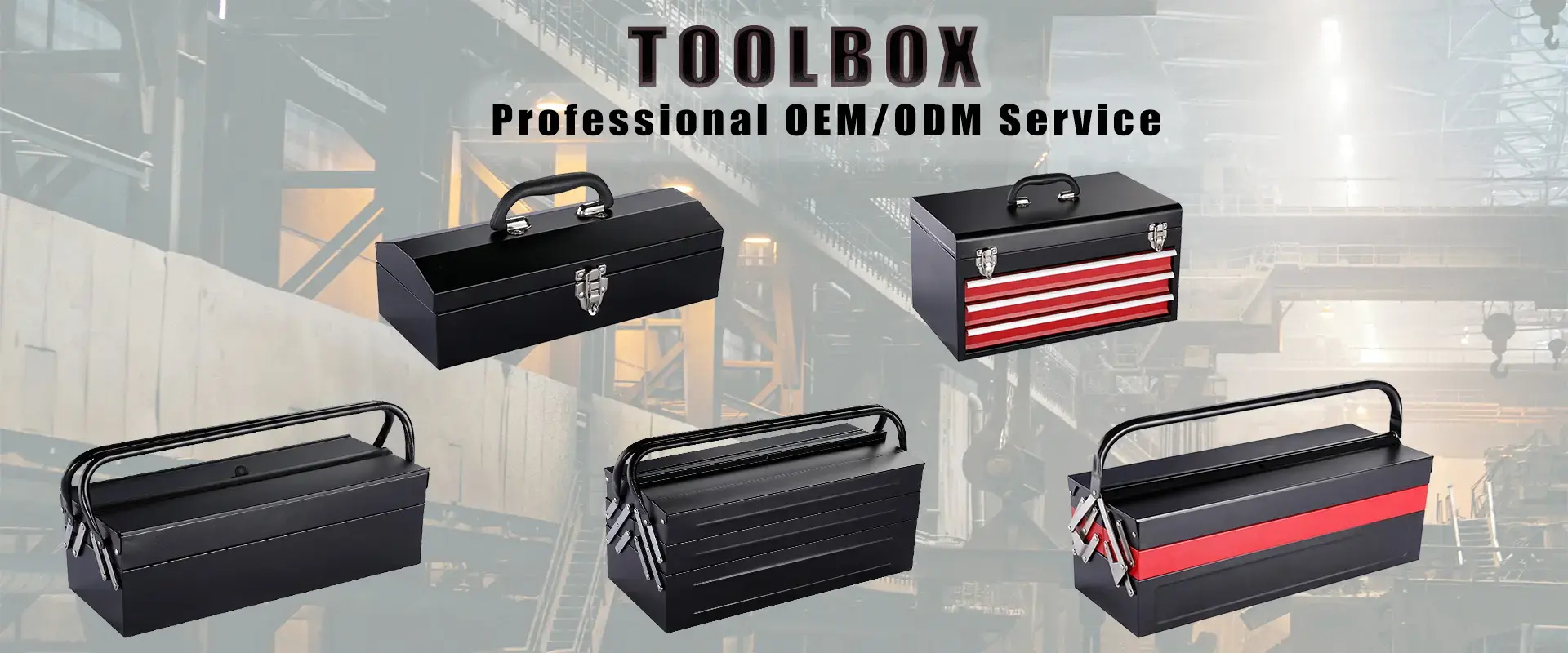
To form a unique market advantage, many wholesalers have begun to pay attention to the possibility of customization. This might be printing customer logos on the cabinet body or making minor adjustments to the internal layout according to special requirements. Whether the supplier is willing and able to provide a certain degree of flexible services has become an important consideration for cooperation.
7. Is the after-sales support and responsibility definition clear?
Even if the quality is top-notch, clear responsibility definitions and comprehensive after-sales support are indispensable "safety nets". Wholesalers need to have a clear understanding of the handling procedures, scope of responsibility and response speed regarding quality issues, as this directly affects the risk coefficient of cooperation.
8. How are the suppliers' innovation and sustainable development capabilities?
Procurement is not only about the present but also about investing in the future. Forward-looking wholesalers will observe whether suppliers continuously invest in product improvement and innovation and whether they can keep up with the pace of industry development. At the same time, whether its business philosophy emphasizes sustainability has increasingly become a reference factor for long-term cooperation.
9. How smooth is communication and cooperation?
A pleasant purchasing experience cannot be achieved without efficient and transparent communication. Wholesalers tend to build relationships with supplier partners who respond promptly, communicate directly, and can truly understand and respond to their needs. Smooth cooperation is the foundation for efficiently solving all problems.
10. Long-term value and the possibility of mutual growth?
Ultimately, what wholesalers are seeking is not a one-off trading partner, but a long-term partner who can walk side by side with them. They care whether suppliers are focused on establishing long-term cooperative relationships, whether they are willing to jointly explore the market, share insights, and achieve mutually beneficial and common growth.