
Leave Your Message
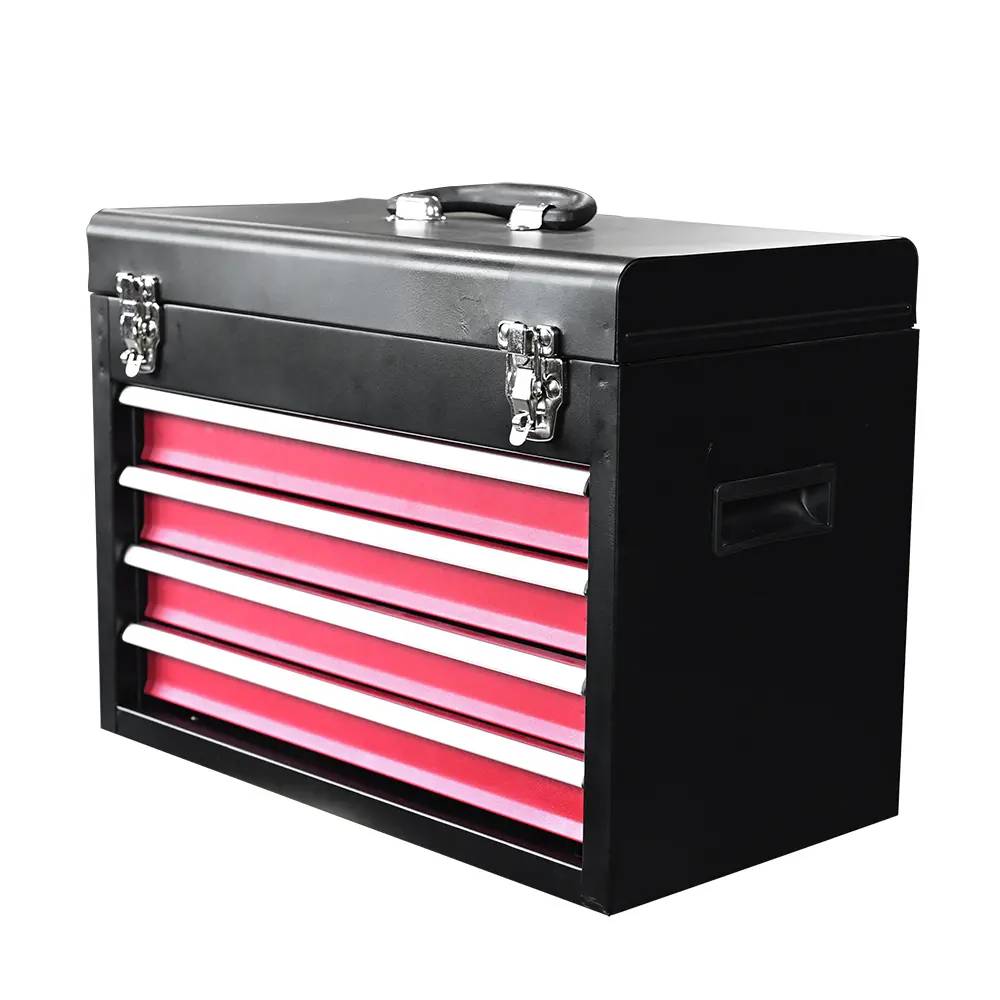
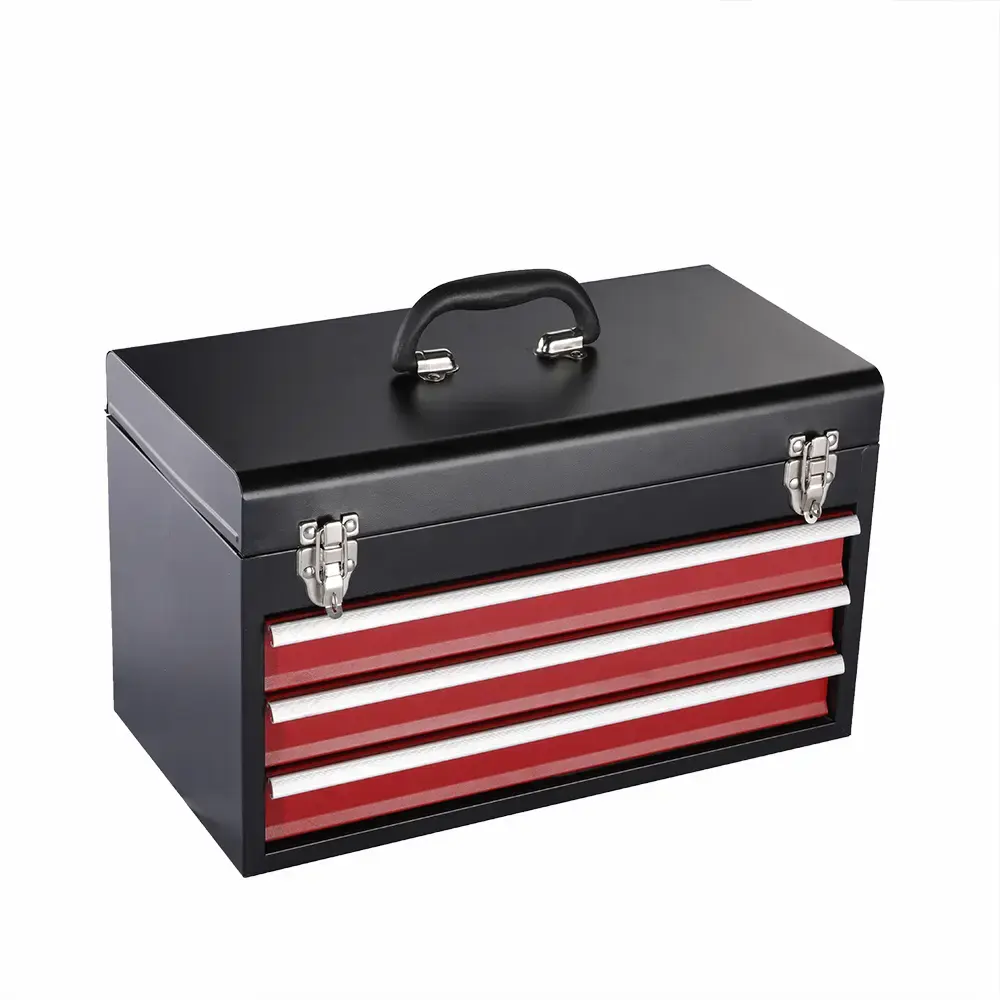

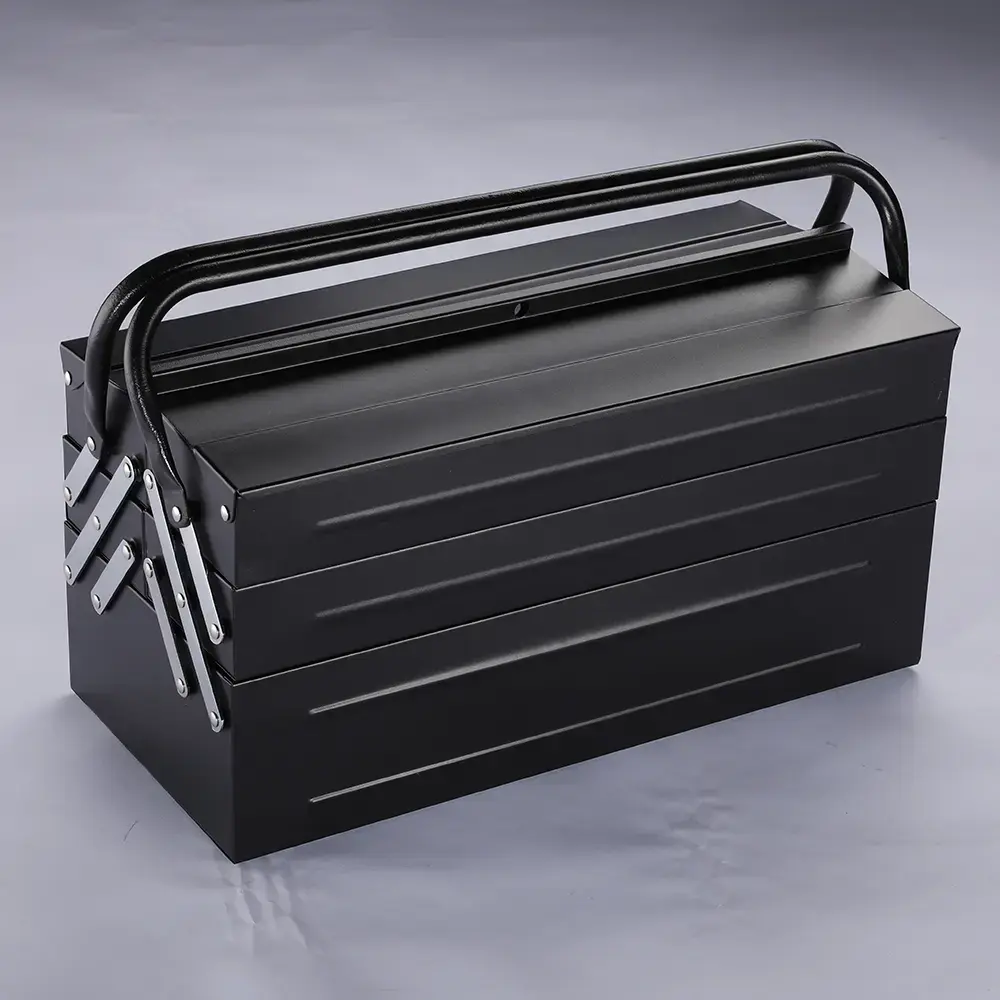
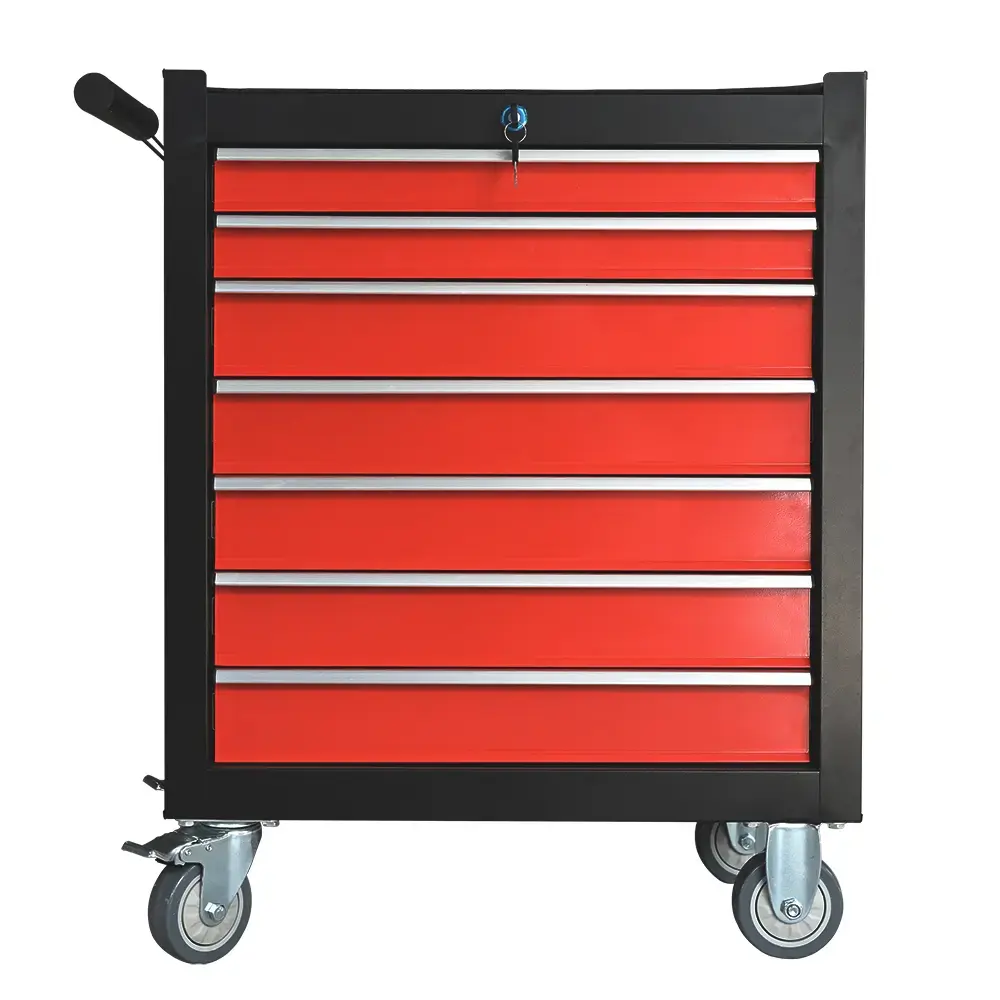


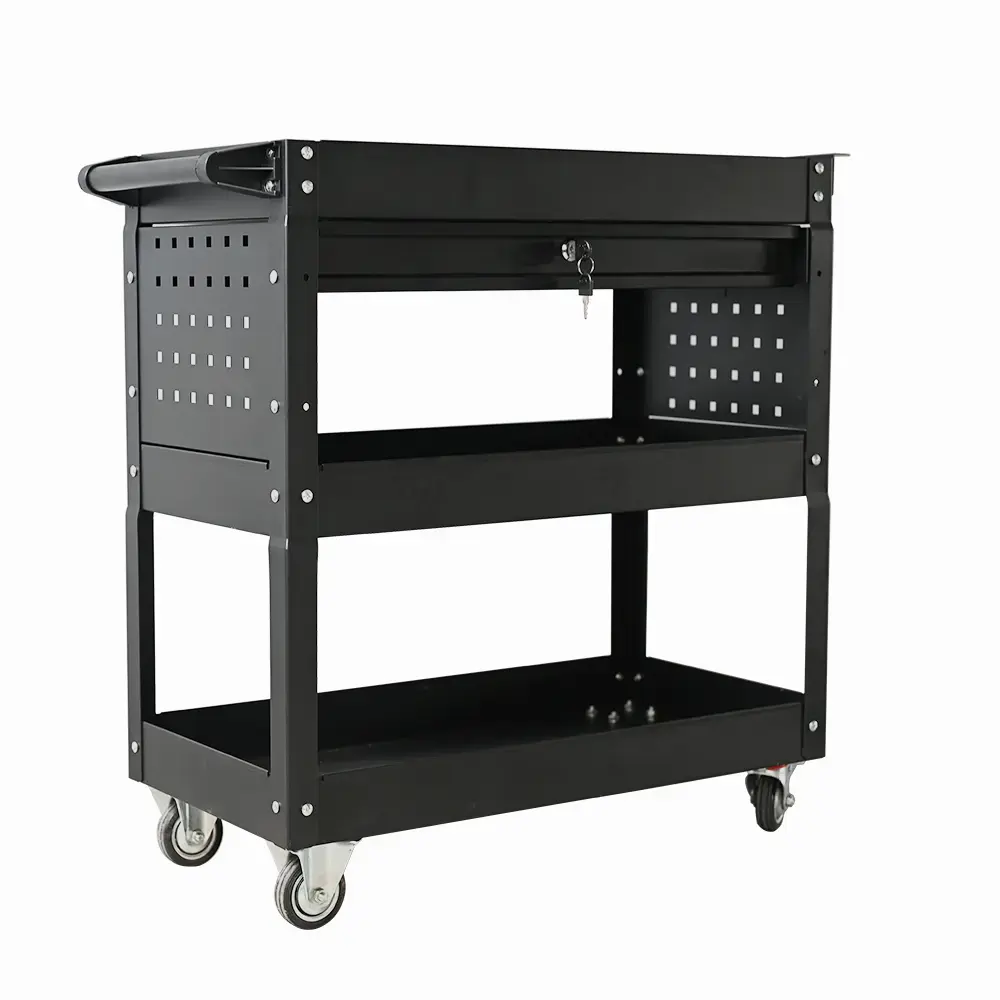

Toolbox Configuration Guide for Professional Technicians: The Science of Layered Storage
A well-organized Toolbox is the cornerstone for every professional technician to work efficiently. Scientific storage is not only for neatness and beauty, but also for quick access, reducing tool wear and tear and enhancing work concentration. This article will introduce the concept of layered storage to you and help you create an efficient toolbox that truly belongs to you.
The core logic of layered storage
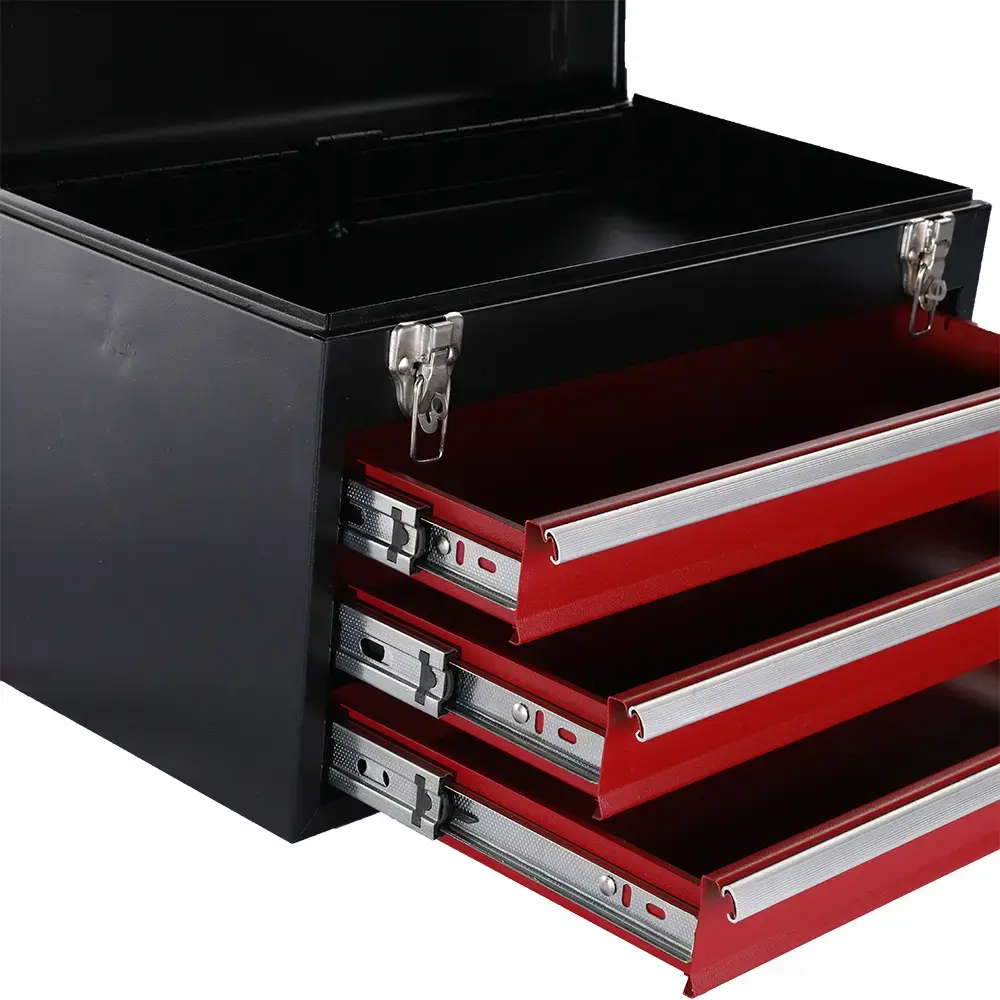
The essence of layered storage is to rationally partition tools based on their usage frequency, functional types and physical characteristics. A scientifically stratified toolbox should consist of three basic levels: the high-frequency access level, the functional classification level, and the standby/special level. This structure enables you to reach out and get the tools you need without having to rummage through your busy work.
High-frequency access layer: Efficiency within easy reach
The top drawer or compartment that is easiest to open should be reserved for the tools you use every day or even every hour. For example, commonly used specifications of screwdrivers, wrenches, pliers, multimeters, etc. The key to this area is "no need to think" - tools should be placed in fixed positions, and even their exclusive positions can be customized through sponge pads or magnetic strips, so that they can be accurately reached with eyes closed. Keeping this area simple and only placing truly high-frequency tools is the first step to improving work efficiency.

Functional classification layer: A system with clear logic
The middle layer is the main body of the toolbox. It is recommended to divide it into sections according to job types or tool functions. For example:
Electrical operation area: Stores different specifications of electric pens, wire crimping pliers, cable strippers, terminal heads, etc.
Fastening operation area: Classify and place Allen wrenches, socket sets, screwdrivers, etc. together.
Measurement and debugging area: Place calipers, levels, various measuring instruments, etc.
Use divider boxes, elastic spacers or modular storage bags to create clear boundaries for different types of tools. Attaching simple labels to each section can further enhance memory and make it easier to take and return.
Reserve and Special Layer: A composed attitude of being prepared for any eventuality
The bottom or deeper area of the toolbox is suitable for storing infrequently used but essential items. For example, spare drill bits, accessories of uncommon specifications, lubricants, special gloves, replacement parts, etc. This area ensures the continuity of work and avoids interruptions due to the absence of a small item. At the same time, some precision or fragile tools should also be placed here and well protected to prevent them from being damaged by daily tools.
Maintain your Storage System
Configuring the toolbox is just the beginning; continuous maintenance is equally important.
Use and return: Develop the habit of putting tools back in their original positions at any time. This is the golden rule for maintaining the effectiveness of the system.
Regular review: Adjust the position of the tools at regular intervals based on the recent work content. If you find that the usage frequency of a certain tool has increased, "promote" it to a more accessible level.
Cleaning and inspection:While organizing, check if the tools are damaged or need maintenance, and promptly clean the dust and oil stains in The Tool Box.
A scientifically stratified toolbox is not only a container for tools but also an extension of your professional spirit. It reduces the time waste and anxiety caused by searching for tools, allowing you to focus more on the work itself and enjoy the sense of achievement brought by creation and repair. Taking the time to organize your toolbox is the most important investment in your work efficiency.