
Leave Your Message





Wear detection and replacement methods for universal casters
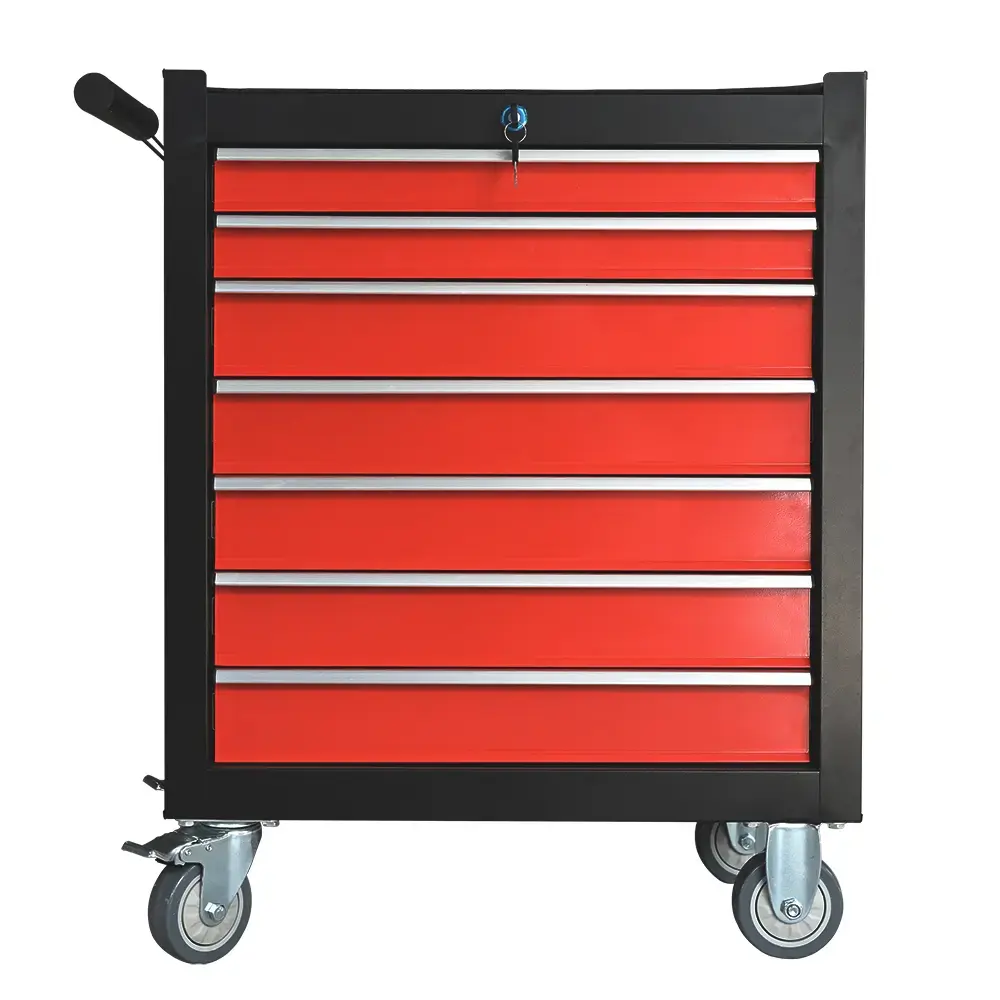
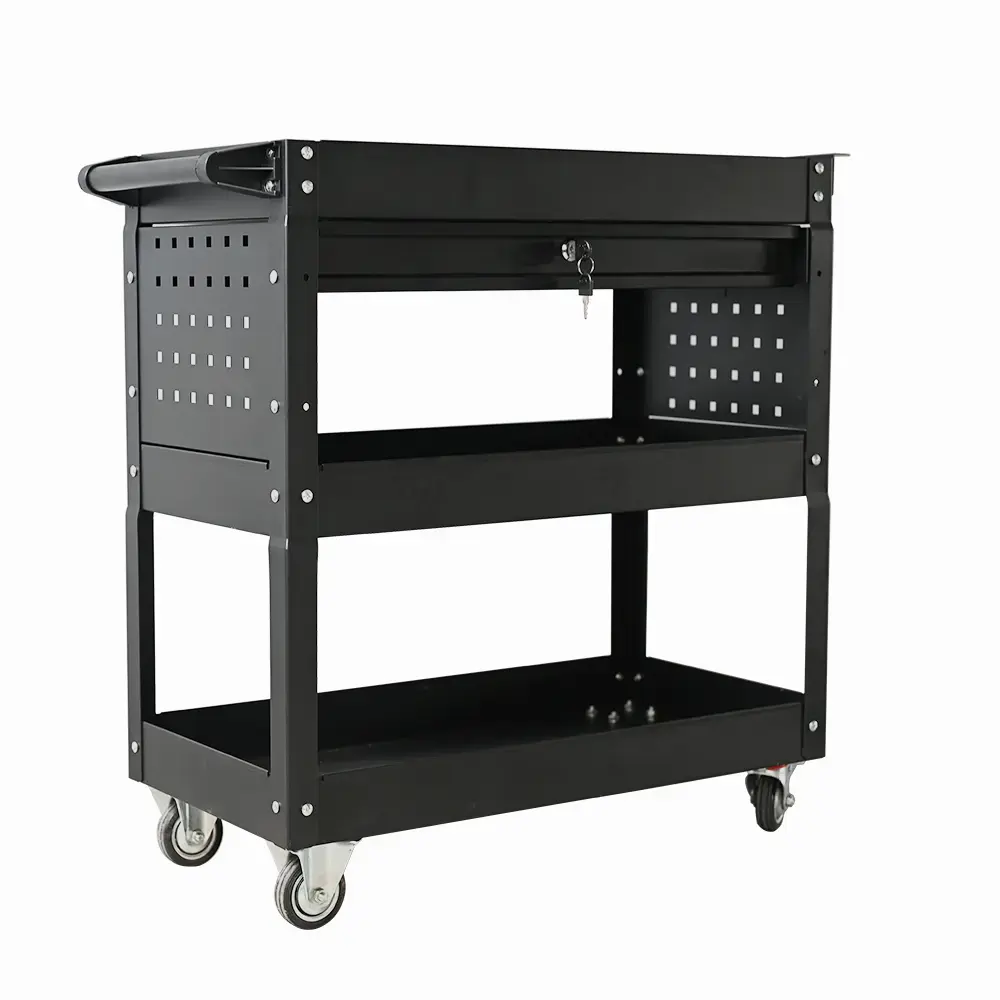
The universal wheels equipped on the Tool Cabinet bring great convenience to movement. Whether in the workshop, garage or home storage room, it can be easily moved. However, as a frequently used component, swivel casters are bound to experience wear and tear. Timely detection of wear and tear and mastery of the correct replacement method can ensure that the tool cabinet always maintains good mobility and avoid accidents during use.
Detection methods for daily wear and tear
To determine whether a swivel wheel needs to be replaced, one should first learn to observe the subtle changes during daily use. When pushing the tool cabinet, if you feel obvious lag or abnormal noise, it may be that the bearings inside the wheels are worn out. At this point, you can stop and check. Rotate the wheels by hand to feel if there is any uneven resistance or abnormal noise.
Another obvious sign is the tilting or swaying of the wheels. When the tool cabinet is at rest, observe whether the casters are in vertical contact with the ground. If a certain wheel tilts or feels loose when shaken by hand, it indicates that the connection part or the wheel itself has worn out. In addition, it is also important to pay attention to the degree of wear on the surface of the wheels. Excessive wear can cause the diameter of the wheels to become smaller, which not only affects the smoothness of pushing but may also make the tool cabinet unstable when placed.
After daily use, you can simply clean the debris on the wheels. Tangled hair, thread ends or small stones not only accelerate wear and tear but may also mask potential problems. When cleaning, take the opportunity to check if there is any rust on the wheel shafts and if there are any cracks on the wheel bodies. These details can all help determine the health condition of the swivel wheels.
Preparations before replacement
After confirming that the casters need to be replaced, the first step is to make adequate preparations. Remove the items from the tool cabinet or transfer them to a safe location to reduce the weight of the cabinet and prevent it from toppling over during operation. Find a flat ground to place the tool cabinet. If necessary, you can lay a soft cloth underneath to prevent the ground from being scratched.
Next, appropriate tools need to be prepared, usually including common tools such as screwdrivers and wrenches, depending on the way the casters are fixed. Most casters are fixed to the bottom of the cabinet with screws or bolts. Confirming the type of fasteners in advance can make the replacement process smoother. At the same time, prepare the new casters and ensure that their specifications are consistent with the original ones, including load-bearing capacity and installation dimensions, to guarantee the usage effect after replacement.
Before starting the disassembly, it is best to first observe the installation direction and position of the original casters. If necessary, take photos for record to avoid incorrect direction when installing new wheels. If the tool cabinet has multiple wheels that need to be replaced, it is recommended to do it one by one to keep the cabinet stable and prevent it from toppling over.

The specific steps for replacing swivel casters
When removing the old wheels, fix the tool cabinet first to prevent it from moving during operation. Use appropriate tools to unscrew the fixing screws or loosen the bolts. Be sure to apply force evenly to avoid stripping. If the screw has rusted due to long-term use and is difficult to remove, you can drop a few drops of lubricating oil, wait for a moment and then try again. Do not forcibly twist it to avoid damaging the tool.
After removing the old wheels, check if there are any debris or damages at the installation site. If deformation is found on the installation plate at the bottom of the cabinet, a simple repair should be carried out first to ensure that the new wheels can be installed smoothly. Clean the dust and debris around the installation holes thoroughly to get ready for installing new wheels.
When installing new swivel casters, place them in the previously recorded direction, align them with the installation holes, and then tighten the screws or bolts. Be careful not to tighten any one of the fixed parts at once. Instead, first screw all the screws in half, adjust the position of the wheels to make them vertical to the ground, and then tighten them one by one to ensure uniform force distribution. After installation is completed, shake the wheels by hand to check if they are firm. Make sure there is no looseness before proceeding to the next step.
Inspection and maintenance after replacement
After replacing the casters, do not place heavy objects immediately. First, test the usage effect. Push the tool cabinet to move on a flat ground and feel if it moves smoothly and if there are any abnormal noises. Observe whether all the wheels touch the ground simultaneously and ensure that the tool cabinet is placed stably without tilting.
To extend the service life of the new swivel casters, it is necessary to avoid frequent pushing on rough ground during daily use to prevent excessive wear. Regularly clean the debris from the wheels. You can apply a small amount of lubricating oil to the wheel axle every month to keep it rotating smoothly. In addition, avoid overloading the tool cabinet and place items reasonably within the load-bearing capacity of the wheels, which can effectively reduce wear and tear.
Although swivel casters are small, they are key components for the normal operation of tool cabinets. Mastering simple detection methods and replacement skills can not only save time and energy, but also ensure that the tool cabinet always remains in good working condition. Through daily careful observation and proper maintenance, the mobile function of the tool cabinet can be made long-lasting and reliable, better serving the needs of work and life.
