
Leave Your Message
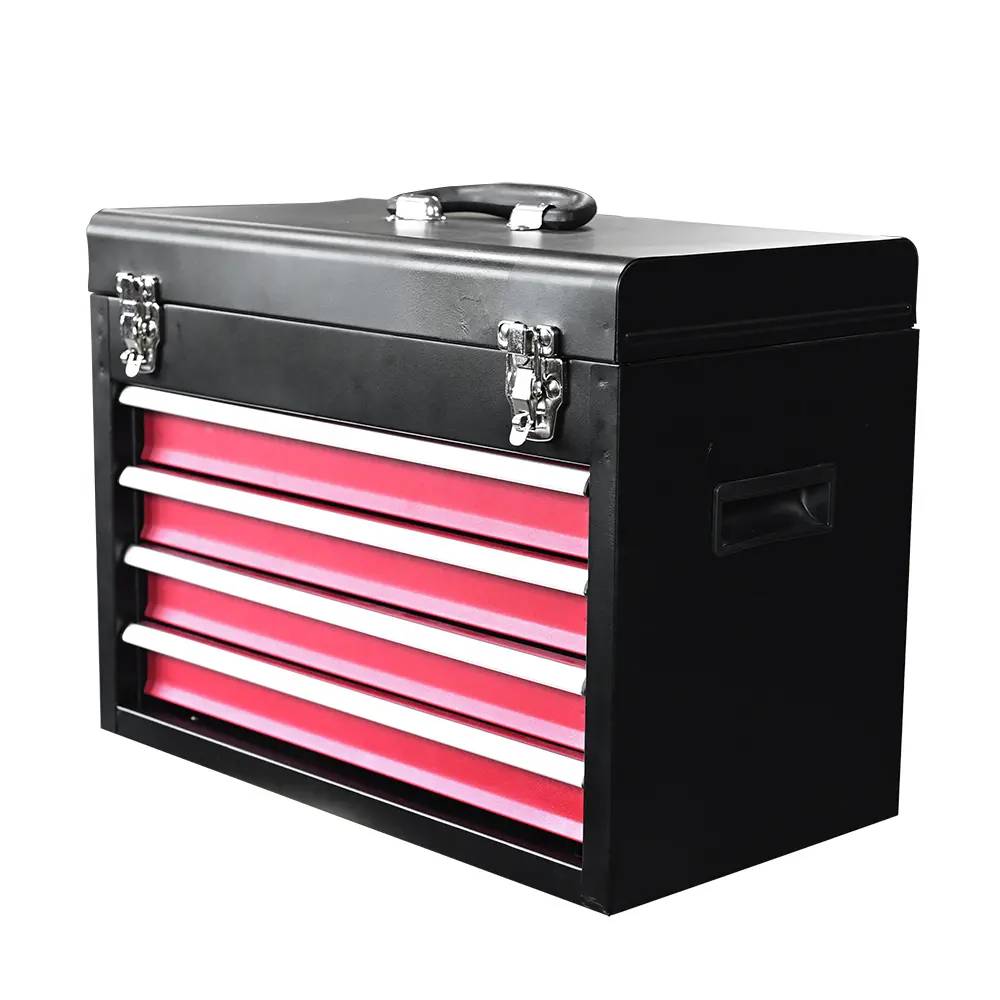
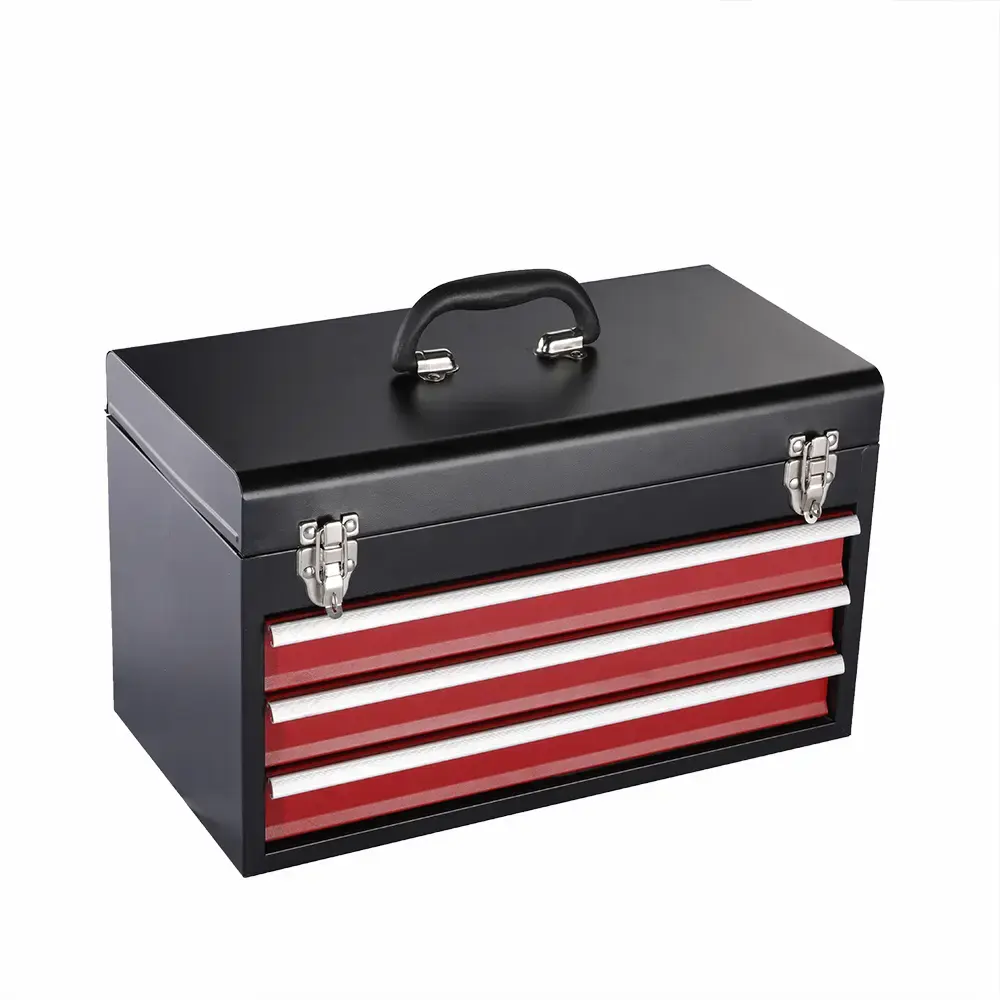

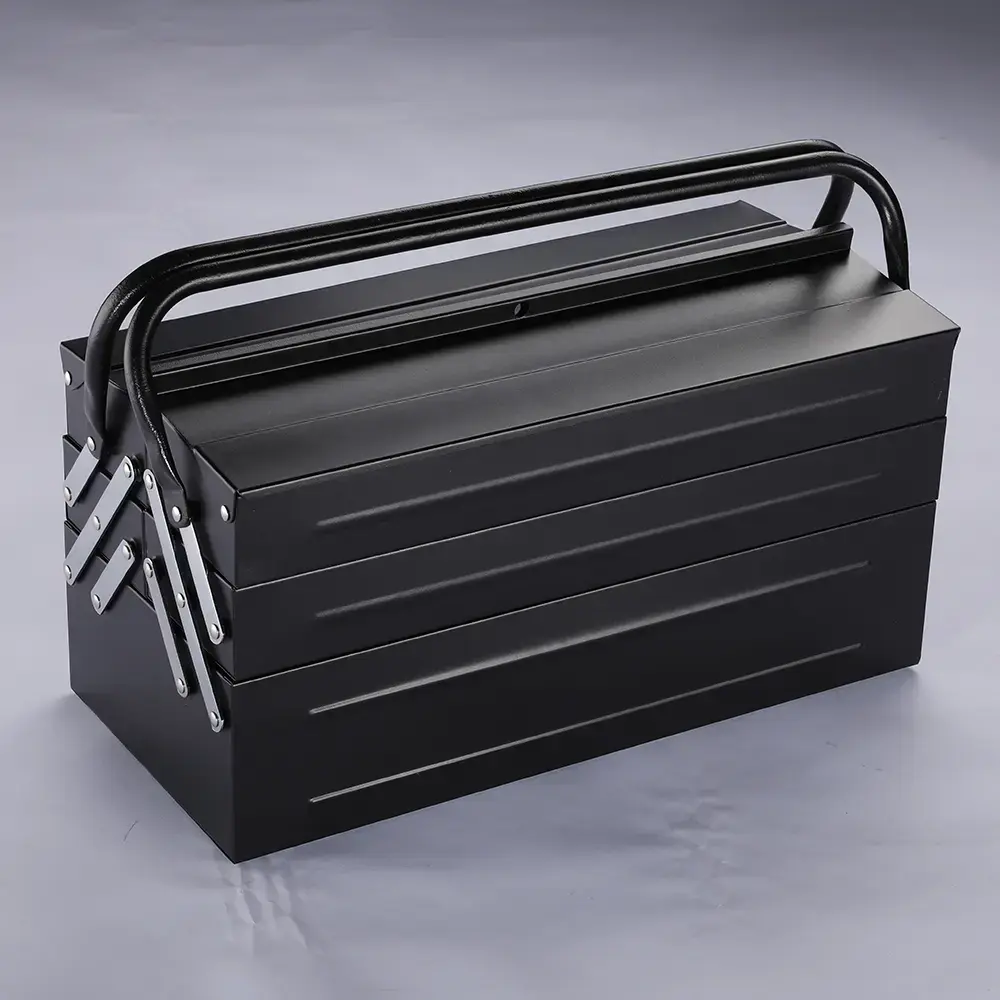
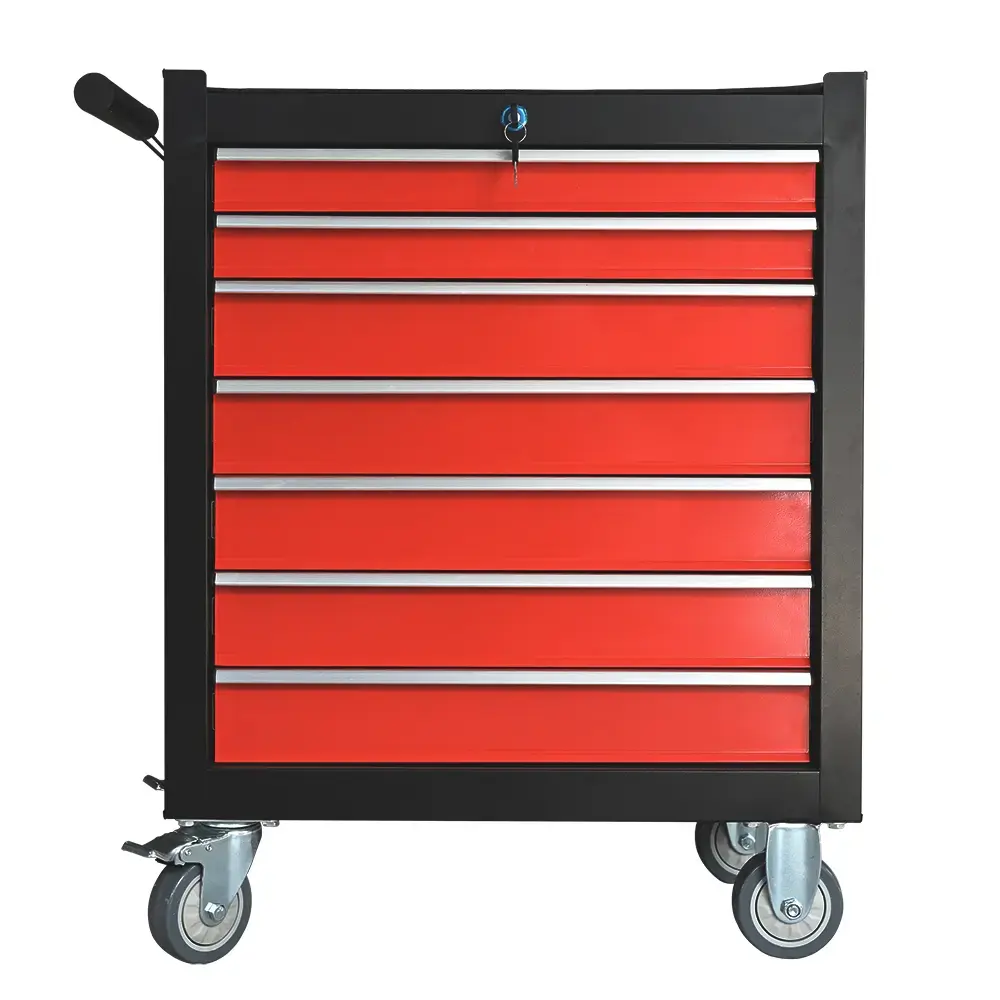



What FOB Price Points Let Hardware Retailers Hit a 50% Margin on Tool Storage?
A hardware store owner or Amazon seller does not win on the Tool Cabinet itself — they win on the gap between factory cost and shelf price. Dingda (Zhejiang Dingda Industrial) lists its steel Tool Storage at distributor-level pricing, and reading those numbers against a realistic retail multiple shows exactly where the profit lives. The quick answer: stock the $12–$57 FOB range and you keep 45–55% gross margin before freight.
The entry SKU that fills the basket
The two-drawer lockable outdoor toolbox carries an FOB around $11.99. At that cost, a retailer can list it at $29.99–$34.99 and still clear a healthy margin while using it as a foot-traffic draw. It is SPCC steel with spray-paint rust protection and a retractable tray — small, dense, and cheap to ship, which makes it the perfect filler that raises container utilisation without eating working capital.
The mid and pro tiers that carry the margin
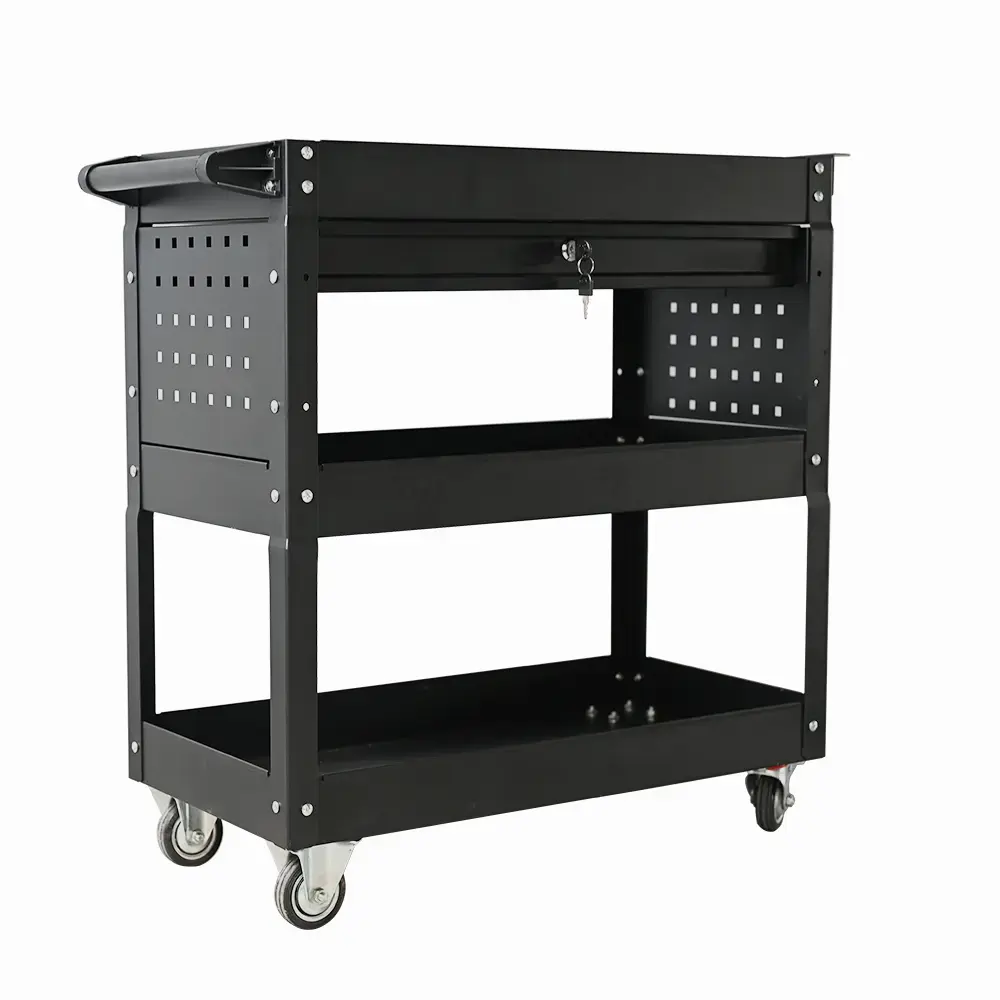
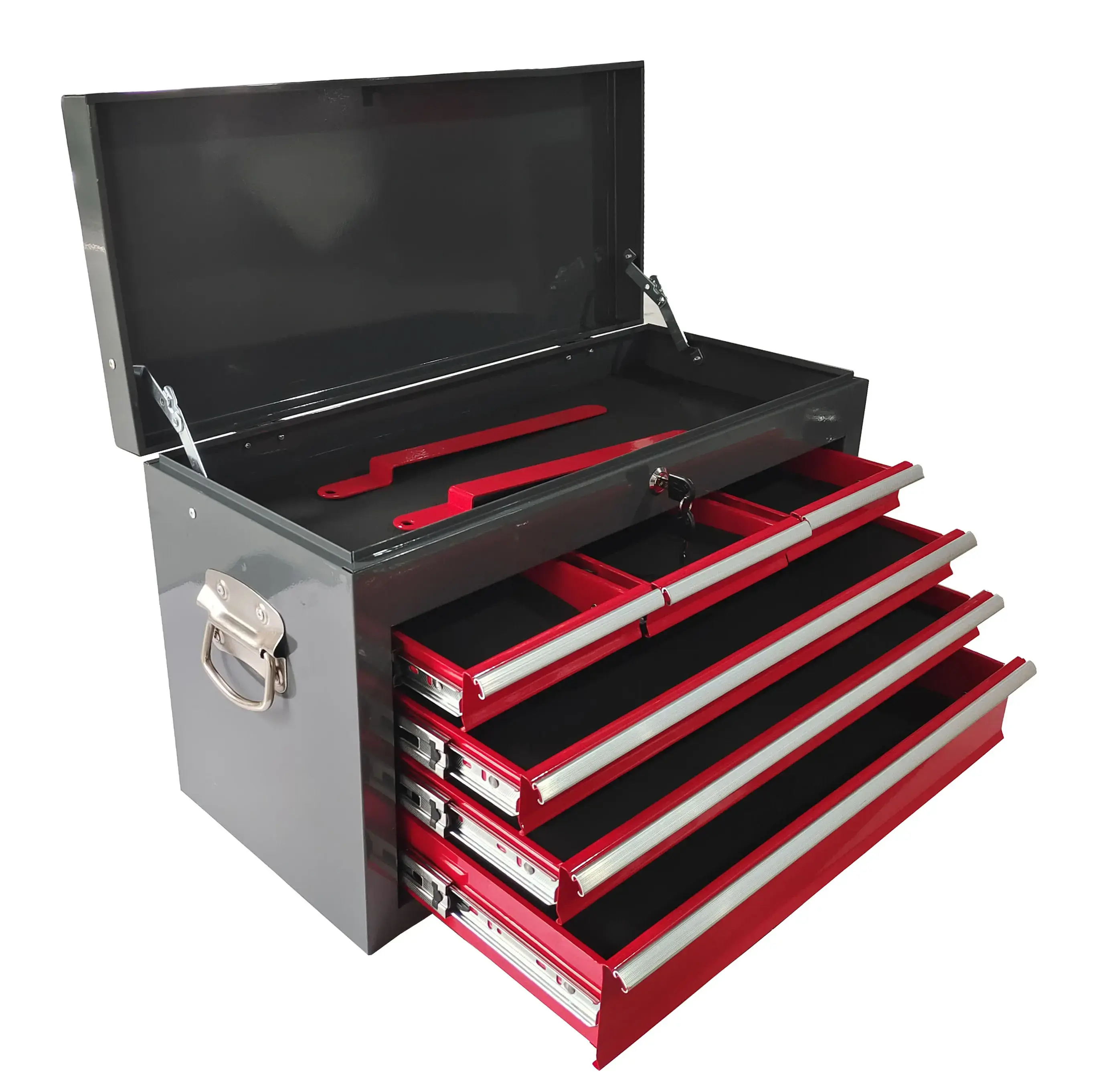
Step up to the five-drawer roller cabinet at about $52.99 and the seven-drawer interlocking trolley near $56.99, and you enter the range where serious DIYers and workshops actually spend. A 7-drawer cart with ball-bearing slides, brake casters and EVA drawer mats retails comfortably at $139–$169 in Western markets. That is a 2.5x–3x multiple that funds your marketing and absorbs freight spikes.
For the top of the line, the 15-drawer upper-and-lower cabinet stacks an 8-drawer top on a 7-drawer base with a side perforated panel for hanging tools. It is the hero display unit that makes the cheaper carts look like a bargain — and display psychology, not the unit cost, is what lifts the whole category's sell-through.
Cubic volume beats unit price in a container
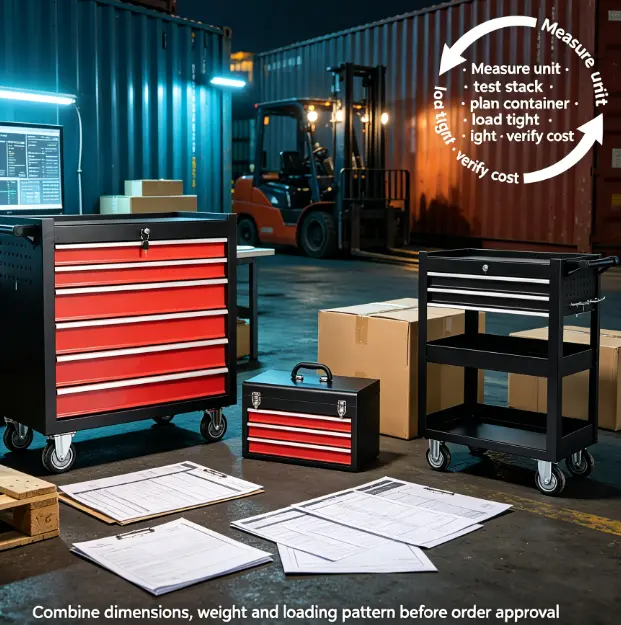
Here is the part most first-time importers miss: margin per cubic metre matters more than margin per unit. A 20-foot container holds a finite volume, and flat-packed cabinets stack tighter than bulky pre-assembled ones. Ask Dingda about knock-down (KD) packaging for the larger carts — the freight saving on a full container of KD Roller Cabinets often exceeds the entire FOB difference between a cheap and a premium model. Protect the margin by negotiating packaging, not just price.
Build the container as a system
A smart first order for a regional hardware chain might look like:
- 50% two-drawer outdoor boxes — low cost, high density, fast turnover.
- 30% five- and seven-drawer roller cabinets — the margin core.
- 20% 15-drawer combos — the display anchor and highest ticket.
Mixing price tiers in one shipment also smooths MOQ pressure: the factory is happier filling a container with a balanced mix than with a single SKU, and you avoid the warehouse glut of one model nobody wanted.
Customization and after-sales that protect the brand
Dingda builds in SPCC steel with powder-coat finish, and the same shell takes custom colors and logo plates without re-tooling the line. For a seller building a house brand, that means you can differentiate on the shelf while sharing tooling cost with other buyers. Confirm the warranty and spare-parts policy on slides and casters — those are the two components that generate returns, and a written spare-parts commitment keeps your review score intact.

Lead time and reorder cadence
Dingda's standard lead time for stock colors runs 25–35 days from deposit to ex-works, so a monthly reorder of the $11.99 boxes plus a quarterly container of cabinets keeps shelves full without tying up cash in one giant shipment. Stagger the tiers and the freight peaks flatten out.
The resellers who scale in tool storage are the ones who treat FOB as the start of the math, not the end. Price the container landed cost, defend the multiple with display strategy, and the 50% margin stops being a hope and becomes a repeatable line item.
Reading the landed margin, not the FOB margin
The $12 to $57 FOB band is only the factory half of the story. A complete margin model adds ocean freight, import duty, last-mile delivery, and the platform fee if you sell through a marketplace. For a $56.99 seven-drawer cart, a realistic landed cost in a Western warehouse might land near $78 to $92, which still supports a $139 to $169 retail tag and a 45 to 55 percent gross margin after every channel cost. The trap is chasing a cheaper FOB and then paying it back in freight because the cheaper model ships bulkier or un-flat-packed. A KD cabinet that saves cube often beats a cheaper assembled one once the container math is done, so compare suppliers on cost per cubic metre, not cost per unit.
Duty planning matters too. Steel tool storage attracts a known tariff line in most markets, and the rate rarely changes week to week, so it is a fixed you can price in from the first quote. Build the duty into the model, keep the display strategy doing the work on sell-through, and the 50 percent target becomes a number you can defend to a buyer or a lender instead of a hope scribbled on a napkin.