
Leave Your Message
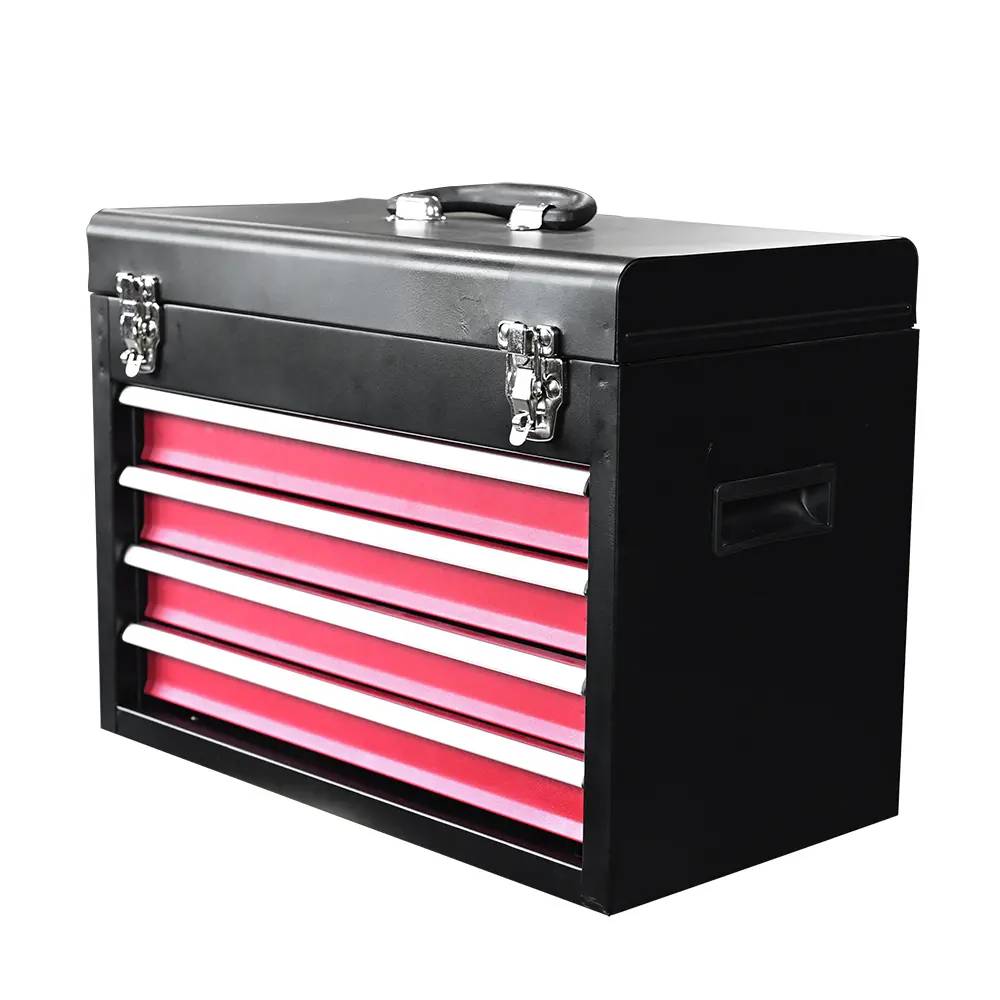
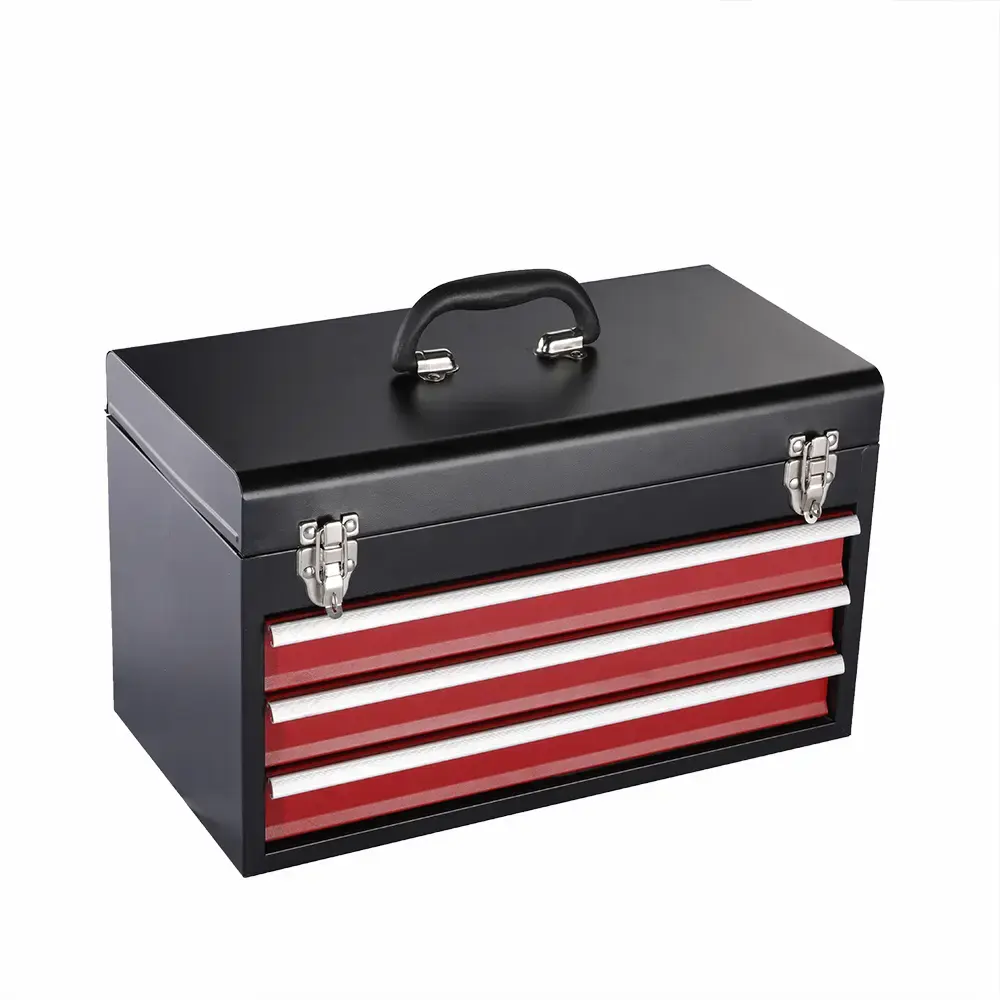

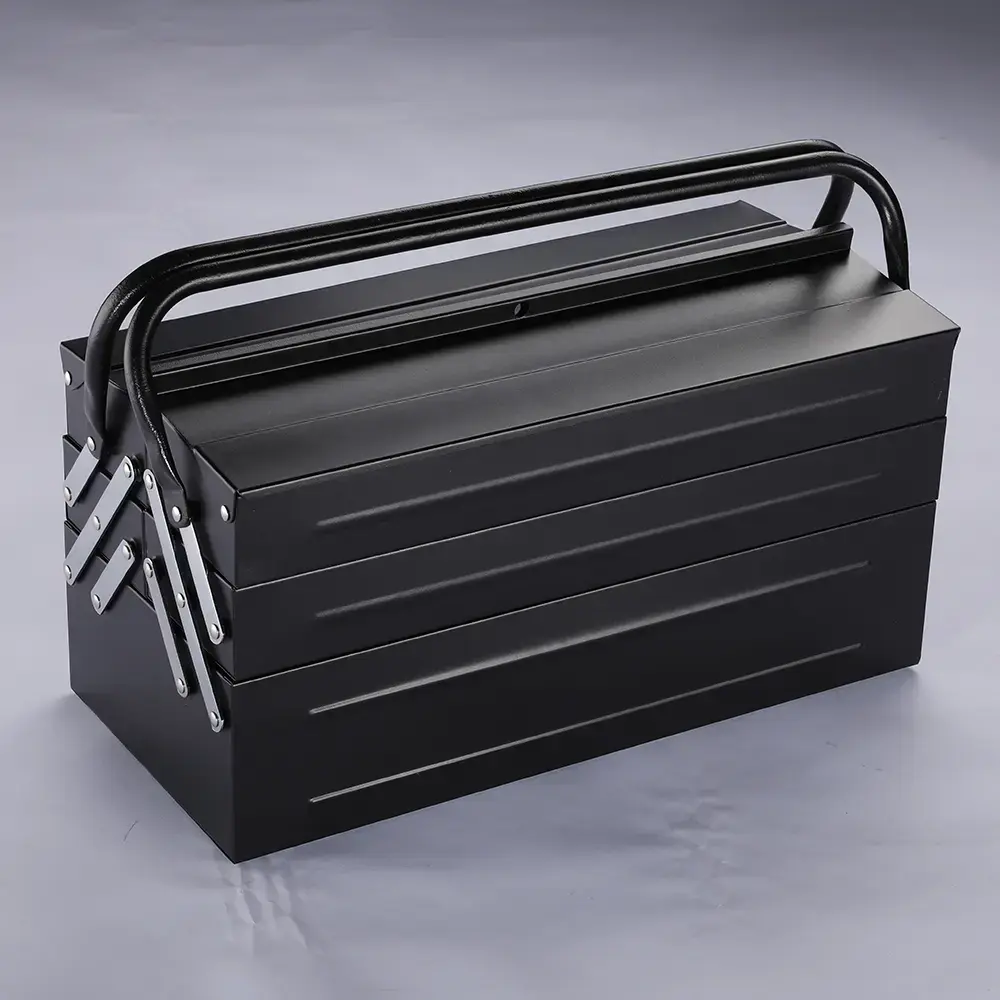
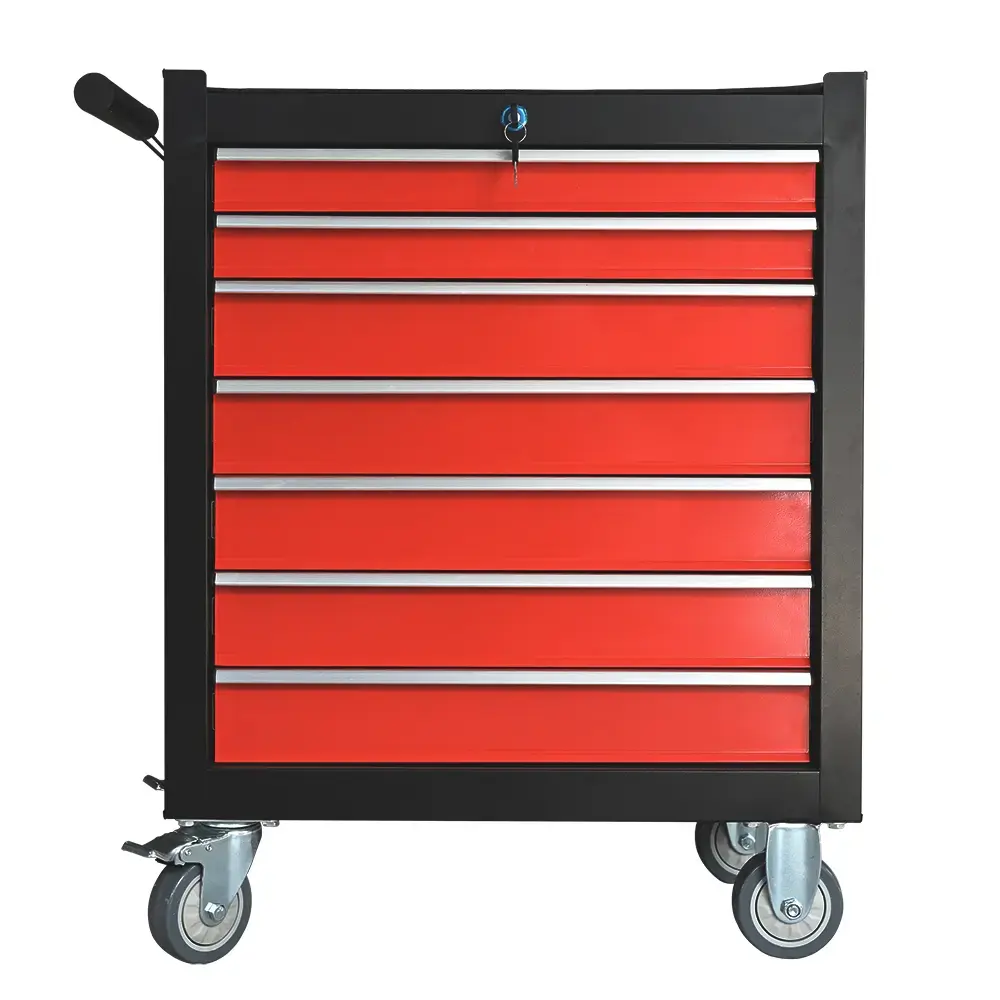


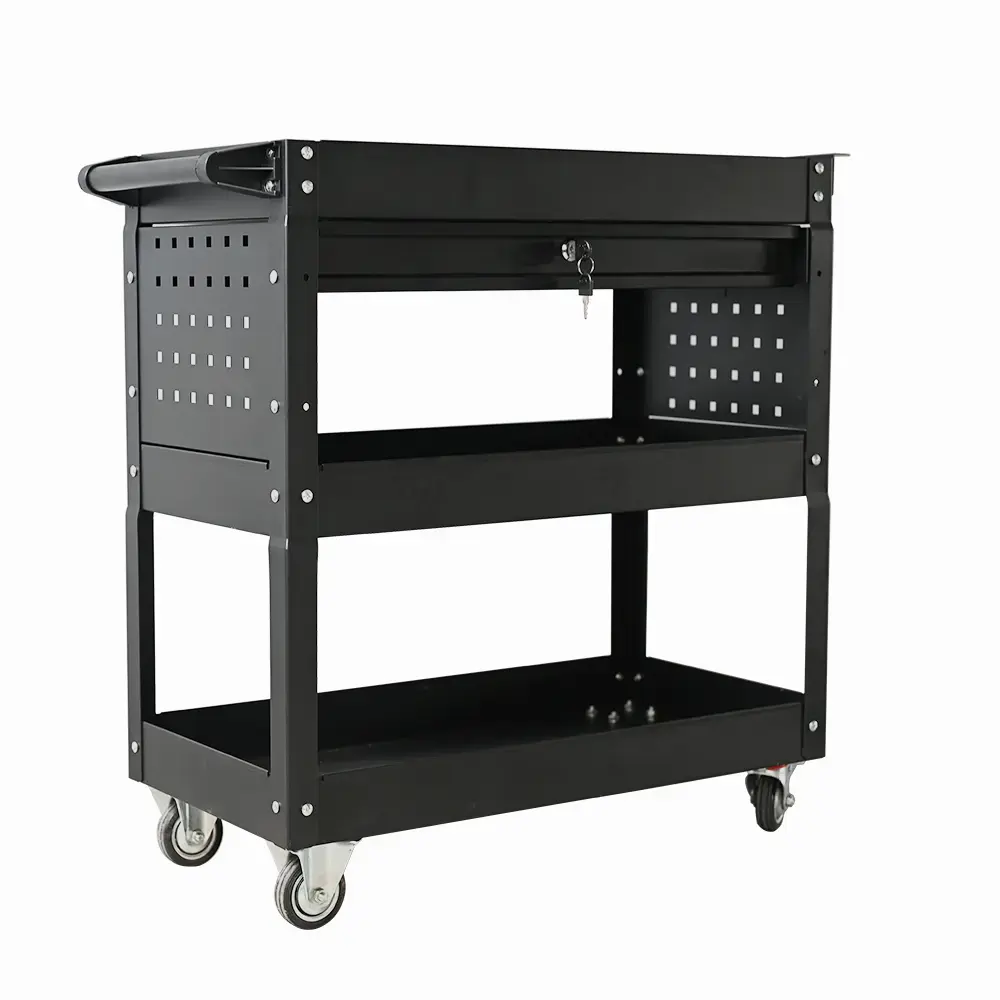
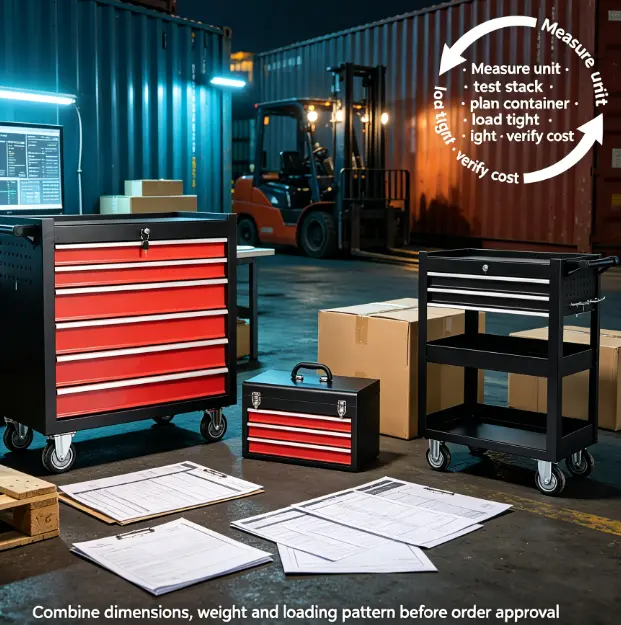

Why do global manufacturing enterprises choose 7-drawer roller trolleys made in China one after another?
Why do global manufacturing enterprises choose 7-drawer roller trolleys made in China one after another?
In the busy auto repair workshop, technicians need to go back and forth to retrieve tools hundreds of times a day. However, a well-designed 7-drawer roller trolley can reduce the time spent looking for tools by more than 40%, directly improving the overall work efficiency of the workshop.
The core challenge faced by manufacturing enterprises is not only the procurement cost, but also how to balance the complex relationship among the storage capacity of tools, the load-bearing capacity of equipment and work efficiency. A simple price advantage is no longer sufficient to meet the demands of modern production environments.
01The core pain points of workshop tool management
Modern production workshops are confronted with a seemingly simple yet far-reaching problem: How to efficiently manage the ever-increasing number of tools and equipment within a limited space?
On average, maintenance technicians spend nearly 30 minutes each day looking for tools, which directly affects the overall work efficiency. Especially in fields such as automotive repair, equipment maintenance and industrial assembly, the rapid access and precise repositioning of tools have become key links to enhance operational efficiency.
Traditional toolboxes or fixed Tool Cabinets are no longer able to meet this demand. They either have limited capacity, are inconvenient to move, or cannot maintain structural stability in the face of heavy tools.
The design concept of the 7-drawer roller trolley is precisely aimed at these pain points. The combination of its unique multi-drawer structure and mobility provides an innovative solution for workshop tool management.
02 Practical considerations in capacity design
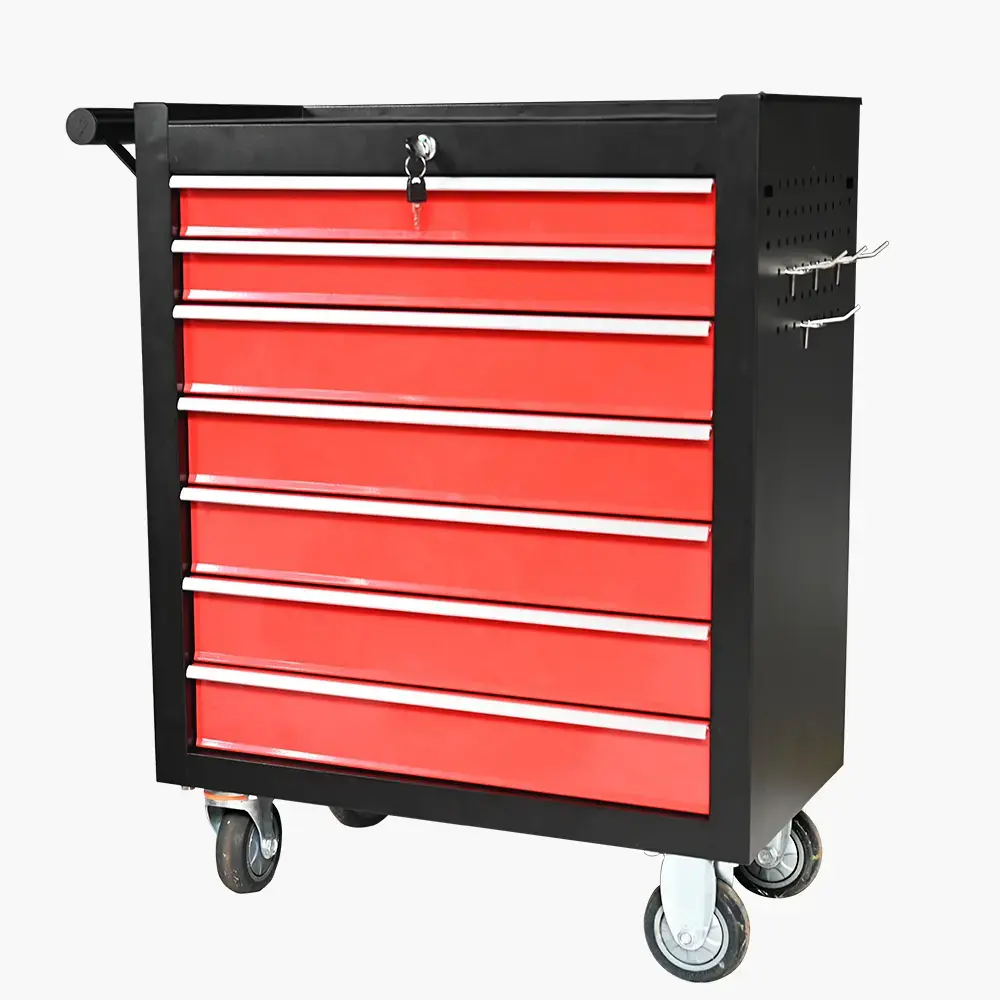
A well-designed 7-drawer roller trolley is not merely an increase in the number of drawers, but also a rethinking of the logic behind Tool Storage.
Compared with the traditional 5-drawer or 3-drawer design, the 7-drawer structure can achieve more precise tool classification and storage. Large wrenches and power tools can be placed in the deep drawer at the bottom. Common manual tools are suitable for middle and medium-depth drawers. Precision measuring tools and small parts can be stored in the shallow drawer at the top.
This hierarchical and classified storage system reduces tool access time by more than 40%, significantly enhancing operational efficiency. Especially for professional technicians who need to frequently change tools, a reasonable drawer layout means less time wasted on looking for tools and more time to focus on core work.
It is worth noting that the flexibility of the drawer separation system is also an important indicator for evaluating the practicality of the trolley. The adjustable partitions and separators allow users to adjust the storage layout at any time according to the size changes of the tools. This adaptive design extends the effective service life of the product.
03 Load-bearing capacity and structural integrity
The actual challenges faced by tool carts in workshop environments far exceed those of office furniture. When fully loaded, a 7-drawer trolley may need to carry a weight of over 200 kilograms, while also withstanding the test of uneven ground and the continuous vibration caused by frequent movement.
Chinese manufacturers have made remarkable progress in this regard. Through box-type frame structure design and multi-point locking systems, they ensure that the trolley can maintain structural stability even when fully loaded, without problems such as drawer jamming or frame deformation.
The realization of load-bearing capacity not only depends on the thickness of the material, but also on the scientific nature of the structural design. By rationally distributing the load-bearing points and strengthening the key connection parts, modern trolley design can significantly enhance the load-bearing capacity without greatly increasing the self-weight.
04 The industrial logic behind Cost Advantages
The competitiveness of China's manufacturing industry in the field of tool storage equipment does not merely stem from labor costs, but more importantly, from a complete supply chain system and mature production processes.
From steel pretreatment to powder coating, from precision roller manufacturing to drawer slide rail processing, China has formed a complete manufacturing ecosystem for tool trolleys. This industrial cluster effect enables each component to be produced at the optimal cost, which is ultimately reflected in the price of the finished product.
Production automation and scale effects have further reduced unit costs. Modern production lines can efficiently complete the entire process from material cutting to assembly, while large-scale production reduces the cost of raw material procurement and the allocation of equipment depreciation.
It is worth noting that this cost advantage has not come at the expense of quality. On the contrary, mature production techniques and strict quality control systems ensure the reliability and durability of the products, which is also an important reason why global purchasers continue to favor Chinese manufacturing.
05 Mobile Performance and Operating Experience
The "mobility" attribute of tool carts is often underestimated, but in fact, it directly determines the practical scope of the device and the user experience. High-quality 360-degree rotating casters not only require smooth rotational performance, but also need sufficient load-bearing capacity and wear resistance.
Professional-grade trolleys usually adopt a two-wheel system design - the first two casters are fixed in direction, while the last two are universal in rotation. This configuration is more stable during straight-line propulsion while also maintaining flexible steering capability. This design significantly enhances the operability of the equipment in workshop environments where operations need to be carried out in confined Spaces.
The ergonomic considerations in the design of the push hand should not be overlooked either. The appropriate height, comfortable grip and sufficient control can all reduce the operator's fatigue, especially when the trolley is fully loaded and moving. These detailed designs are particularly important.
06 Detail Design and long-term Use Value
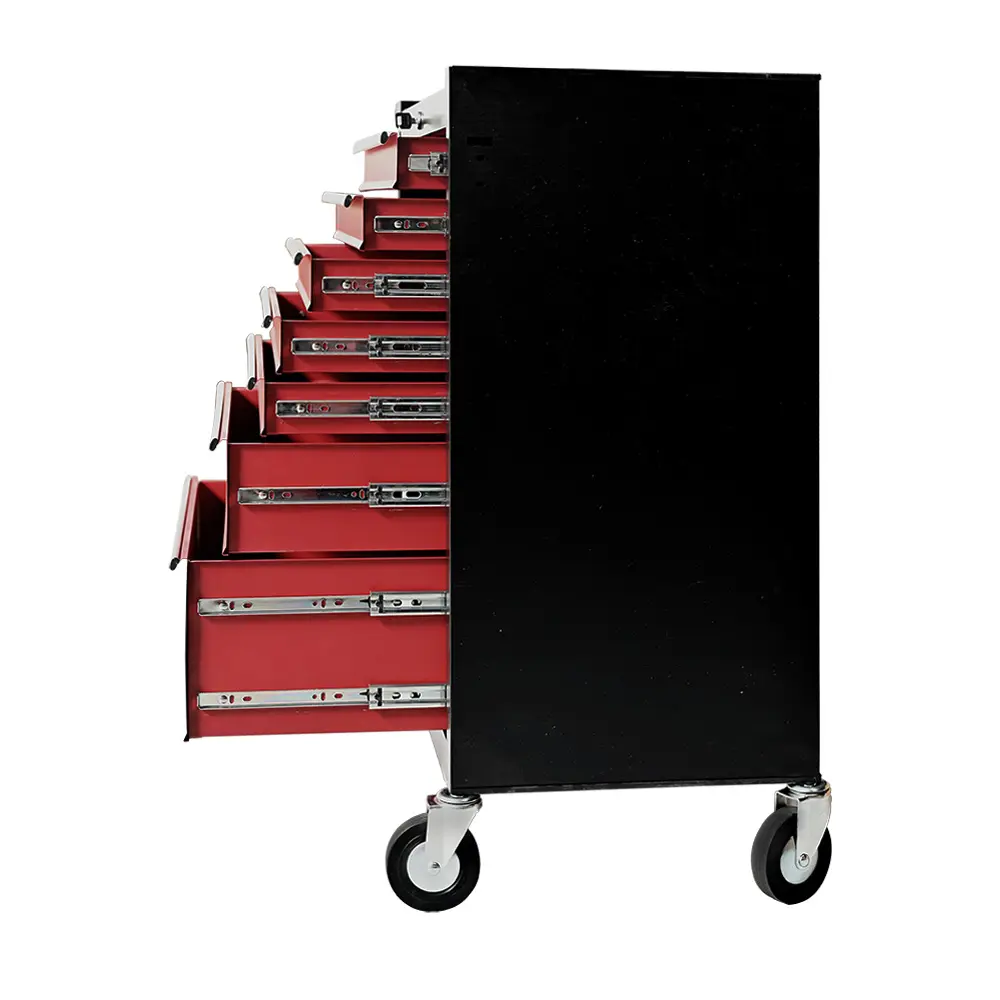
The service life of a tool cart often depends on those seemingly insignificant detail designs. The smoothness and durability of drawer slides directly affect the convenience of daily use. High-quality slide rails can maintain smooth opening and closing even when fully loaded, and they still perform well after tens of thousands of opening and closing tests.
The safety locking system is another key detail. A high-quality 7-drawer trolley is equipped with an independent locking mechanism for each drawer to prevent them from accidentally sliding out during the trolley's movement. Some high-end models are also equipped with a central locking system, which can lock all drawers with one click, enhancing security.
The surface treatment process not only affects the appearance of the product, but also relates to the durability and maintenance convenience of the equipment. High-quality powder coatings can effectively resist scratches and chemical corrosion, keeping equipment as good as new for a long time and reducing maintenance requirements.
These seemingly minor design details actually jointly determine the long-term use value of the tool cart and are also the key factors that professional users consider when making a choice.
Tool carts made in China are transforming from mere storage devices into part of the workshop efficiency improvement system. With the popularization of the modular design concept and the integration of intelligent tool management technology, the new generation of products will no longer be limited to physical storage functions, but will develop in the direction of maximizing tool usage efficiency.
For global manufacturing enterprises, choosing 7-drawer roller trolleys made in China is no longer merely based on cost considerations, but rather a rational assessment of comprehensive performance, long-term value and potential for productivity improvement. This change in assessment criteria precisely reflects the trend of China's manufacturing industry transforming from a "world factory" to a "provider of innovative solutions".