
Leave Your Message
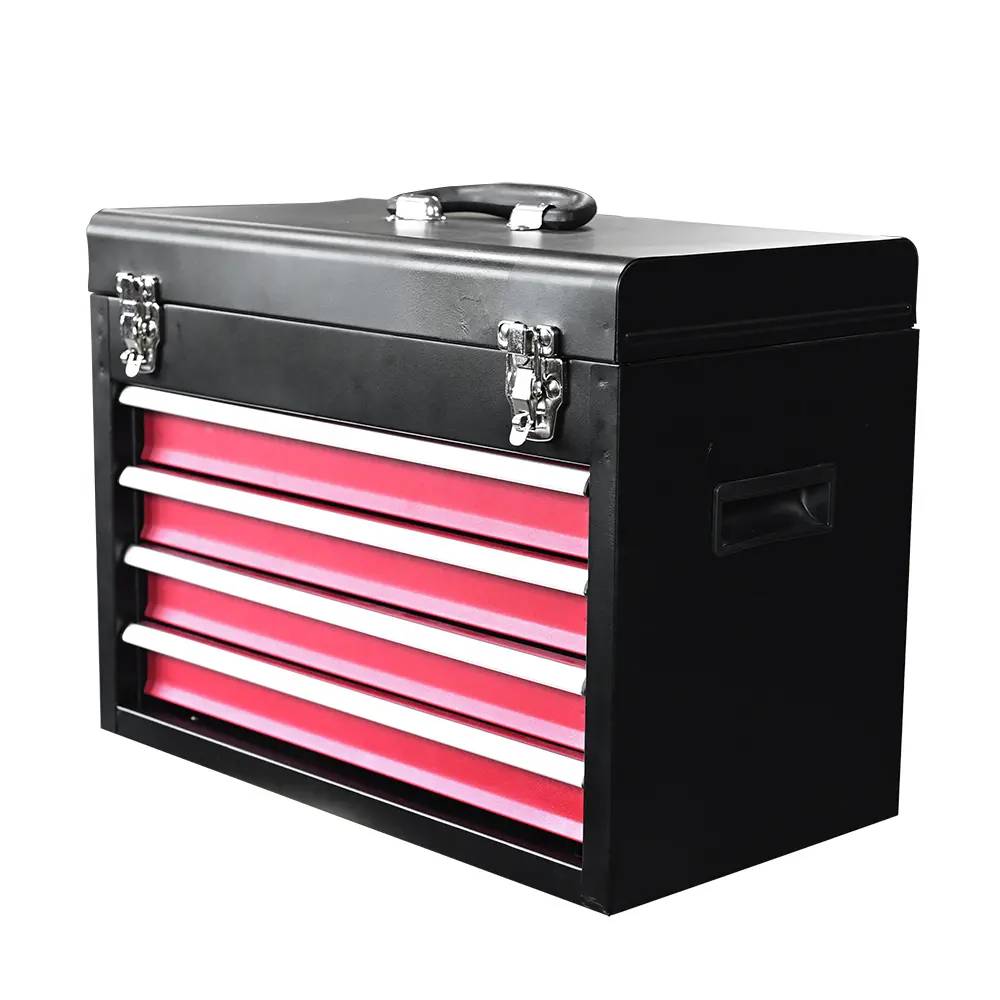
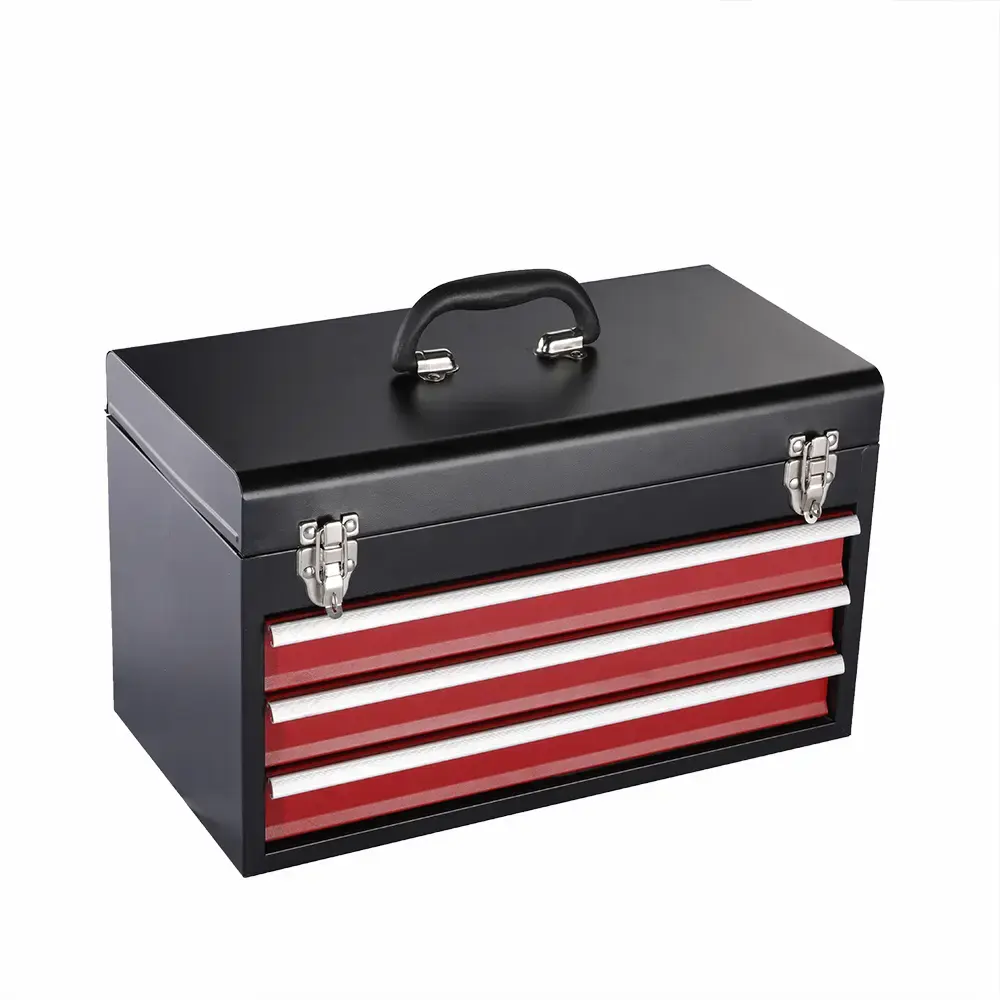

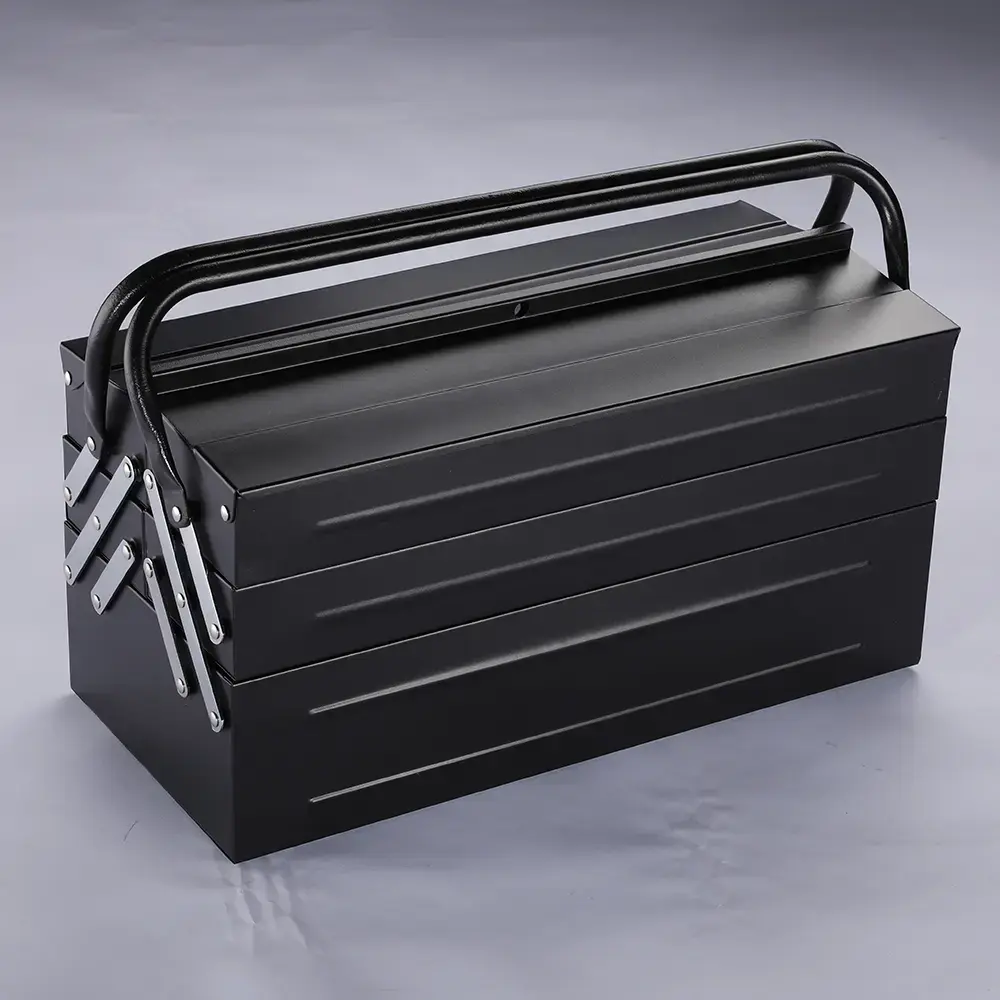
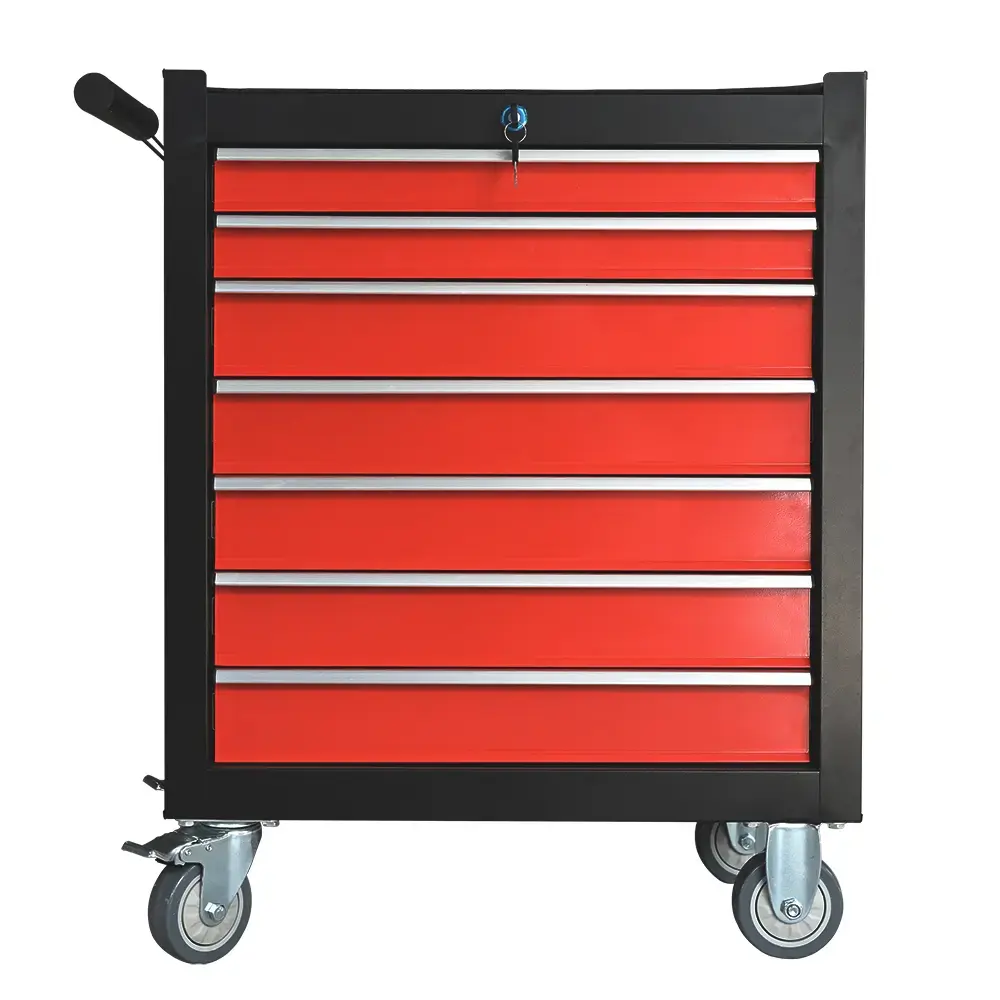


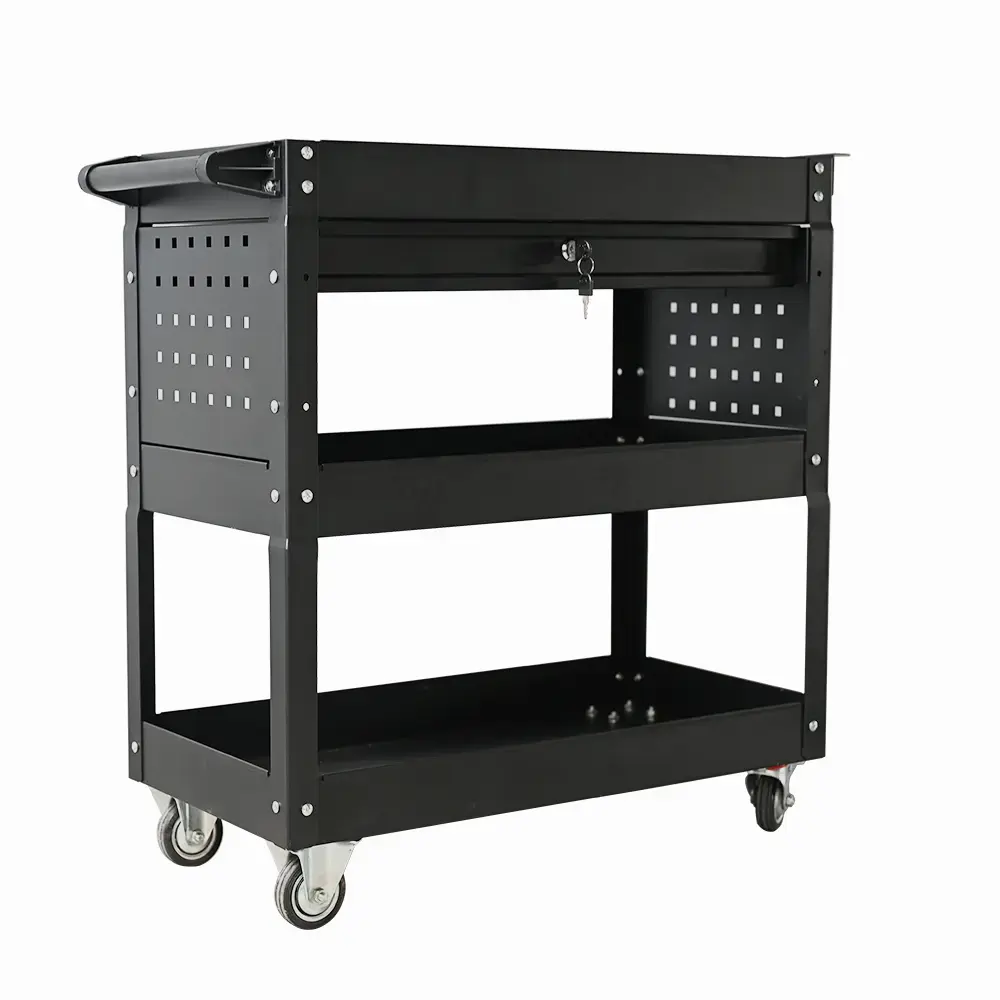

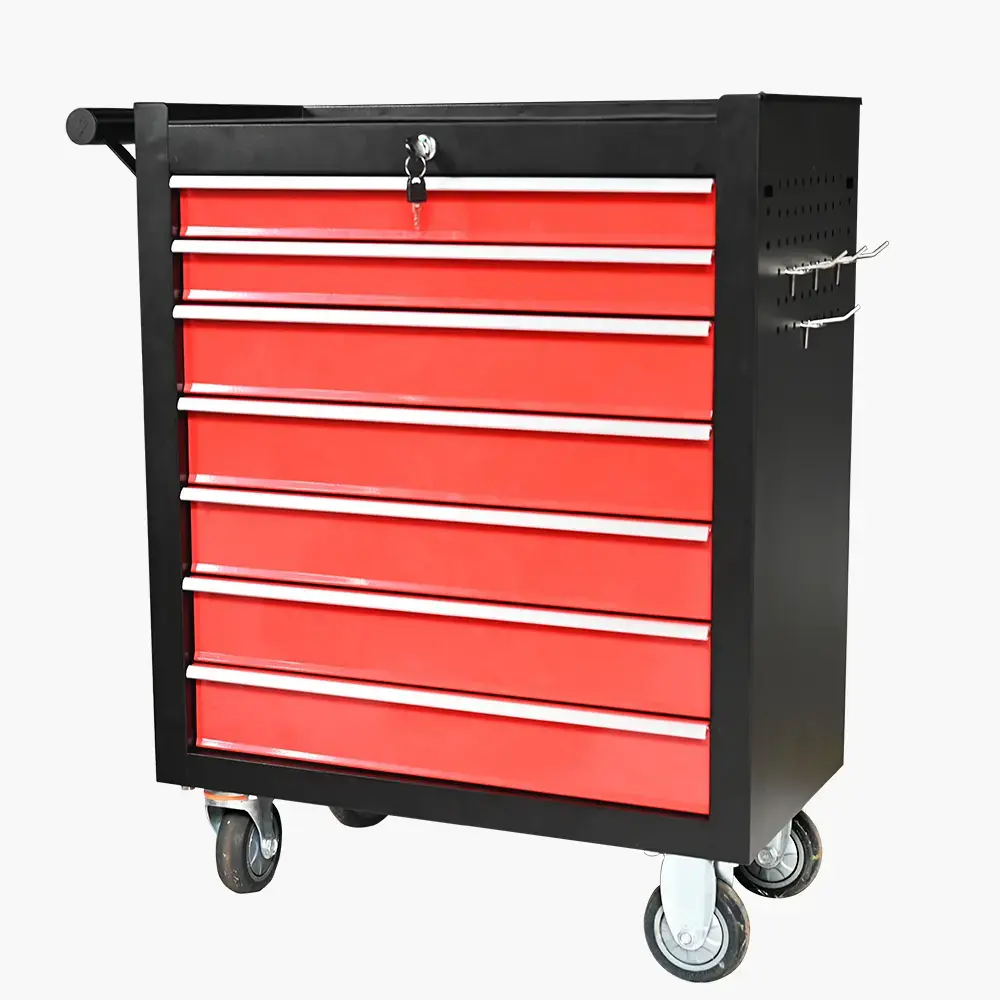
Why Have Roller Tool Cabinets Become the Efficiency Standard in European and American Workshops?
Why Have Roller Tool Cabinets Become the Efficiency Standard in European and American Workshops?
Roller tool cabinets have become the efficiency standard in European and American workshops, addressing a common pain point shared by most cross-border buyers and workshop managers: tools lying in disarray, requiring over 10 minutes to locate; heavy tools demanding physical effort to move, often requiring two people to collaborate; and tools being returned haphazardly, resulting in at least three frequently used tools going missing each month—all directly dragging down operational efficiency. After reading this article, you'll not only understand the core reasons behind their standardization but also master selection techniques tailored for European and American workshops and methods for adapting them to specific usage scenarios. This will help you reduce tool management costs and boost operational efficiency. Next, we'll dissect their efficiency secrets from dimensions including core advantages, design logic, and practical applications.

I. Why Are Roller Tool Cabinets Suited for High-Efficiency Operations in European and American Workshops?
European and American workshops widely adopt batch-style operations, demanding extremely high tool circulation efficiency. Traditional tool cabinets require bending over and dragging to retrieve tools, while heavy tools often necessitate multiple people working together, severely slowing down the pace of work.
The core advantage of roller tool cabinets lies in “reducing friction and increasing efficiency.” The built-in roller tracks inside the cabinet allow tool boxes or heavy tools to slide smoothly along the tracks, enabling a single person to easily retrieve and store them without additional collaboration.
Real-world Case: At a German automotive parts factory, traditional fixed tool cabinets resulted in an average tool retrieval time of 8 minutes at assembly stations, with frequent tool shortages during peak periods. After introducing roller tool cabinets, tool retrieval time dropped to 2 minutes. Daily output per production line increased by 35%, and monthly tool loss rates decreased from 5% to 0.8%.
Common User Question: Can roller tool cabinets withstand the high-intensity operations in European and American workshops?
The answer is yes. Mainstream roller tool cabinets feature 1.2mm cold-rolled steel plates formed as a single unit, with roller shafts undergoing quenching treatment to achieve surface hardness exceeding HRC55. Each layer can support up to 50kg. At the aforementioned German factory, roller tool cabinets have operated continuously for 5 years, requiring replacement of only 2 worn roller components—demonstrating extremely low maintenance costs and full compatibility with the high-intensity demands of European and American workshops.
II. How does roller design reduce tool handling costs by 50%?
Tool transportation constitutes a significant expense in European and American workshops, particularly when moving heavy tools between workstations—often requiring 2-3 personnel coordination, consuming both labor and time.
The roller guide design of roller tool cabinets mechanically reduces friction during tool movement. Compared to the sliding friction of traditional cabinets, rolling friction resistance is reduced by over 70%. A single person can effortlessly push a tool box loaded with 20kg of tools, enabling rapid tool circulation.
Industry Data: According to 2024 research by the European and American Industrial Equipment Association, workshops equipped with roller tool cabinets achieve an average 52% reduction in labor costs for tool handling, a 48% decrease in time costs, and an overall reduction in handling expenses exceeding 50%.
Real-World Case: A large hardware processing plant in the United States operates 15 workstations requiring frequent allocation of heavy tools like wrench sets and electric drills. Previously using traditional tool carts, each workstation required one tool manager, incurring daily labor costs of $3,000. After introducing roller tool cabinets, three managers now cover tool allocation for all stations, reducing daily labor costs to $1,400 and saving over $580,000 annually.
Common User Concerns: Can heavy tools be safely stored given the rollers' weight limits?
Yes, they can. For heavy-duty Tool Storage needs, reinforced roller tool cabinets are available on the market. Their roller diameter increases from the standard 50mm to 80mm, with shafts made of 304 stainless steel. Each layer can support up to 100kg, easily accommodating heavy-duty wrenches, angle grinders, and similar tools. This fully meets the heavy-duty tool storage requirements of European and American workshops.

III. In which scenarios are roller tool cabinets essential in European and American workshops?
While not required in every workshop setting, roller tool cabinets offer irreplaceable efficiency advantages in specific scenarios. They are virtually standard equipment in environments involving batch operations, centralized heavy-duty tools, and multi-station workflows.
First, automotive assembly shops frequently require access to bolts, nuts, wrenches, and other tools with high turnover rates. The quick access and retrieval capabilities of rolling tool cabinets significantly boost assembly efficiency. Second, machining shops have high demands for storing and transporting heavy cutting tools and measuring instruments, where the rolling design reduces handling difficulty. Additionally, roller tool cabinets are highly suitable for mass production workshops like furniture manufacturing plants and electronic component processing facilities.
Real-world case: An Italian furniture manufacturer with 12 workstations required frequent allocation of screwdrivers, hammers, tape measures, and other tools. Previously, traditional tool carts were used—one per workstation—resulting in high procurement costs, excessive workshop space consumption, and cumbersome tool management. After introducing roller tool cabinets, just three units now cover tool allocation for all stations. Tools are retrieved and stored quickly via rollers, reducing cross-station transfer time by 60%. This saves $20,000 annually in tool cart procurement costs and increases workshop space utilization by 25%.
Common User Question: With limited space in small workshops, won't roller tool cabinets take up too much room?
No. Multiple compact roller tool cabinet options are available, such as stackable designs that save 70% space when not in use. Narrow-body models compress to 60cm width, fitting tight workshop aisles while retaining full roller storage functionality—making them ideal for small spaces.
IV. How to Avoid Pitfalls When Selecting Rolling Tool Cabinets for Cross-Border Procurement?
For cross-border buyers, choosing the right rolling tool cabinet not only boosts customer satisfaction but also reduces after-sales costs. However, many buyers unfamiliar with European and American market standards often encounter issues.
Three core selection criteria are essential: First, prioritize materials—opt for cold-rolled steel plates exceeding 1.0mm thickness to ensure load-bearing capacity and durability. Second, adhere to safety standards—products must comply with European EN 10204 or American ASTM standards and carry CE or UL certification to prevent customs detention. Third, prioritize after-sales service—select suppliers with overseas warehouses in Europe and America to ensure timely repairs and spare parts replenishment.
Real-world case: A Shenzhen-based cross-border buyer once purchased low-cost rolling tool cabinets to save costs. Upon arrival in Europe, the cabinets were found to have a material thickness of only 0.8mm, ordinary carbon steel rollers, and no CE certification. They were detained by customs, resulting in a direct loss of $50,000. Subsequently, the buyer selected products compliant with European standard EN 10204, featuring 1.2mm material thickness and 304 stainless steel roller shafts. These cleared customs smoothly, received positive customer feedback, and had an after-sales rate below 1%.
Common User Query: How can one verify product compliance with European/American safety standards during cross-border procurement?
The most direct approach is to request suppliers to provide CE or UL certification documents and EN 10204 material test reports. Alternatively, sample products can be sent to third-party testing agencies (e.g., SGS) for verification to ensure product specifications match declared values. Additionally, prioritize suppliers with prior experience in European/American markets, as they possess deeper understanding of local standards and can mitigate compliance risks.
FAQ: High-Frequency Questions on Roller Tool Cabinets for European and American Workshops
Q1: Which roller material is more suitable for European and American workshops?
A1: Nylon rollers are ideal for dry, oil-free workshops. They offer lower cost and quiet operation. Stainless steel rollers resist oil and corrosion, ensuring longer lifespan. They are recommended for industrial settings like automotive repair and machining workshops in Europe and America where oil contamination is common.
Q2: Do rolling tool cabinets require regular maintenance? What are the key maintenance points?
A2: Regular maintenance is necessary, with monthly inspections recommended. Three key maintenance tasks are:
1. Clear debris (e.g., screws, particles) from roller gaps to prevent jamming.
2. Apply lithium-based grease to roller shafts to ensure smooth rotation.
3. Inspect cabinet connection screws for tightness to ensure operational safety.
Q3: How can damage be prevented during cross-border shipping of roller tool cabinets?
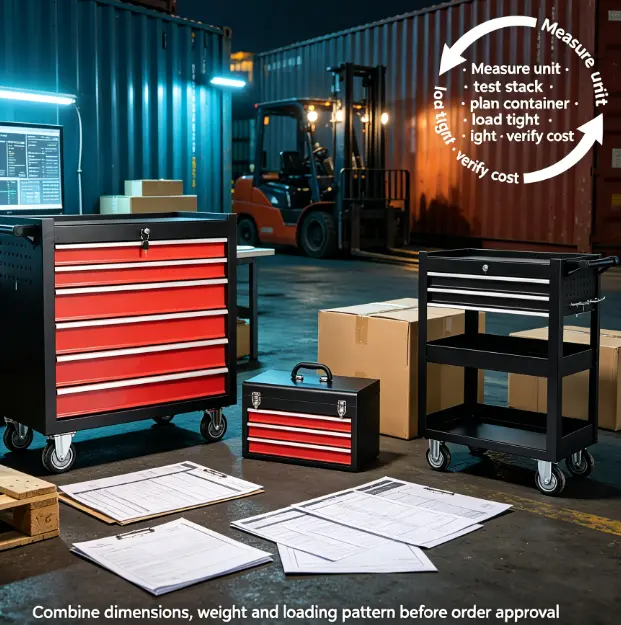
A3: First, require suppliers to use fumigated wooden crates to prevent moisture damage and deformation during transit. Second, add foam padding inside the cabinet to protect rollers and cabinet corners. Finally, prioritize full container load (FCL) shipping to minimize handling impacts during LCL consolidation and reduce damage risks.
From core advantages tailored for efficient European and American workshop operations, to design logic that reduces handling costs, precise scenario adaptation, and cross-border selection techniques—roller tool cabinets have become essential equipment for boosting workshop efficiency in Europe and America due to their practical functionality and significant benefits. Choosing the right roller tool cabinet simplifies workshop management and elevates operational efficiency, making it the core reason behind its status as the standard for efficiency in European and American workshops—the roller tool cabinet.
Meta Description: Why have rolling tool cabinets become the efficiency standard in European and American workshops? This article analyzes their core advantages for these environments, the design logic that reduces handling costs by 50%, and includes real-world case studies from Germany, the US, and cross-border selection techniques. Choosing the right rolling tool cabinet boosts operational efficiency and lowers management costs. Cross-border buyers and workshop managers, click to discover precise selection solutions and seize opportunities in the European and American industrial markets.
Core Keywords: Roller Tool Cabinets, Roller Tool Cabinets for European and American Workshops, Cross-Border Procurement of Roller Tool Cabinets, Heavy-Duty Roller Tool Cabinets, Workshop Tool Storage Efficiency Enhancement