
Leave Your Message




Container Loading Math: How Tool Cabinet Importers Cut Freight Cost Per Unit
Freight is the line item nobody negotiates properly. Two importers buy the same Roller Cabinet at the same FOB price, and one lands it for eleven dollars less per unit. The difference is not the factory. It is carton design, nesting, and how honestly the supplier reported the loading quantity.
Tool Storage is an awkward category to ship: bulky, heavy, and full of air. That air is what you are paying to move. The following is for tool distributors, automotive aftermarket wholesalers and workshop fit-out buyers who want to treat freight as a design problem rather than a fixed cost.
Where the Money Actually Goes
Take a typical 40HQ container out of Ningbo to northern Europe. Whether you fit 180 cabinets or 240 changes the landed cost per unit far more than a two percent price negotiation ever will. Yet most buyers approve packaging without ever seeing a loading plan.
Ask for the loading quantity in writing, and ask how it was calculated. A number produced by a spreadsheet is a plan. A number produced by an actual loading test with photographs is a fact. The gap between the two is often ten to fifteen percent.

Three Levers That Move the Number
1. Knock-Down vs Fully Assembled
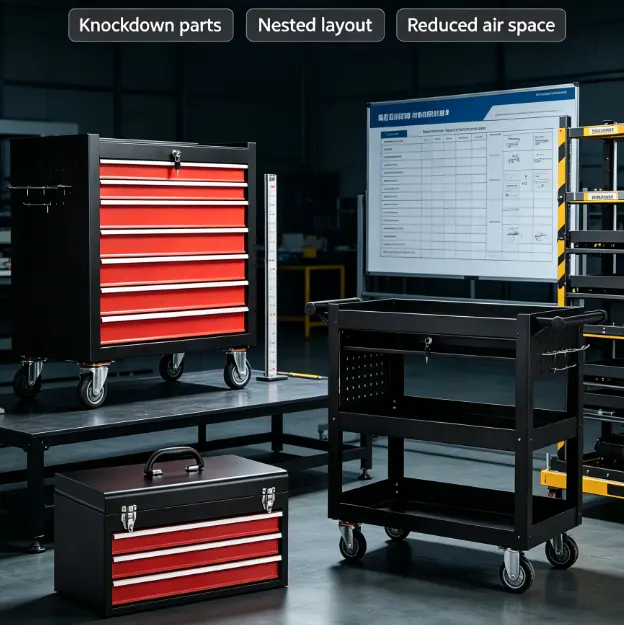
A fully assembled roller cabinet ships mostly air inside the drawer cavity. Knock-down versions pack dramatically tighter but require assembly at destination. The right answer depends on your labour cost and on whether your customers expect to assemble anything at all.
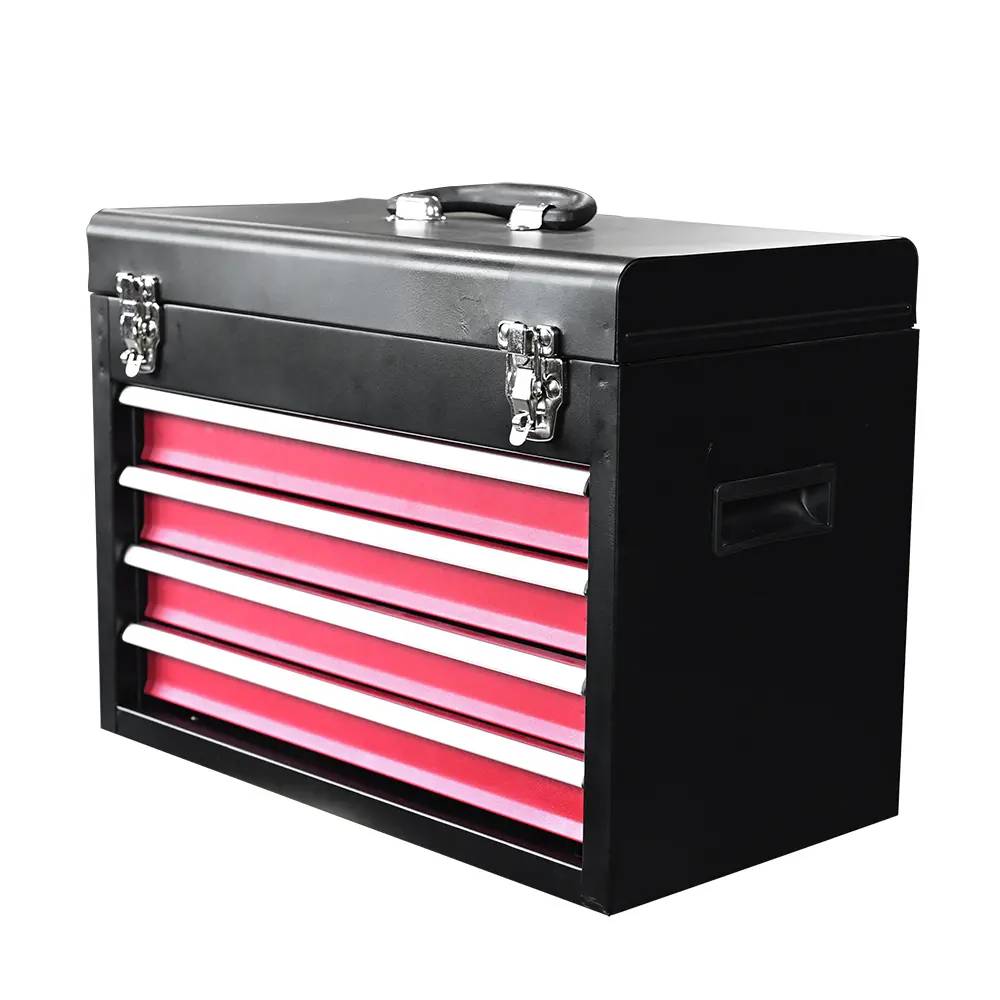
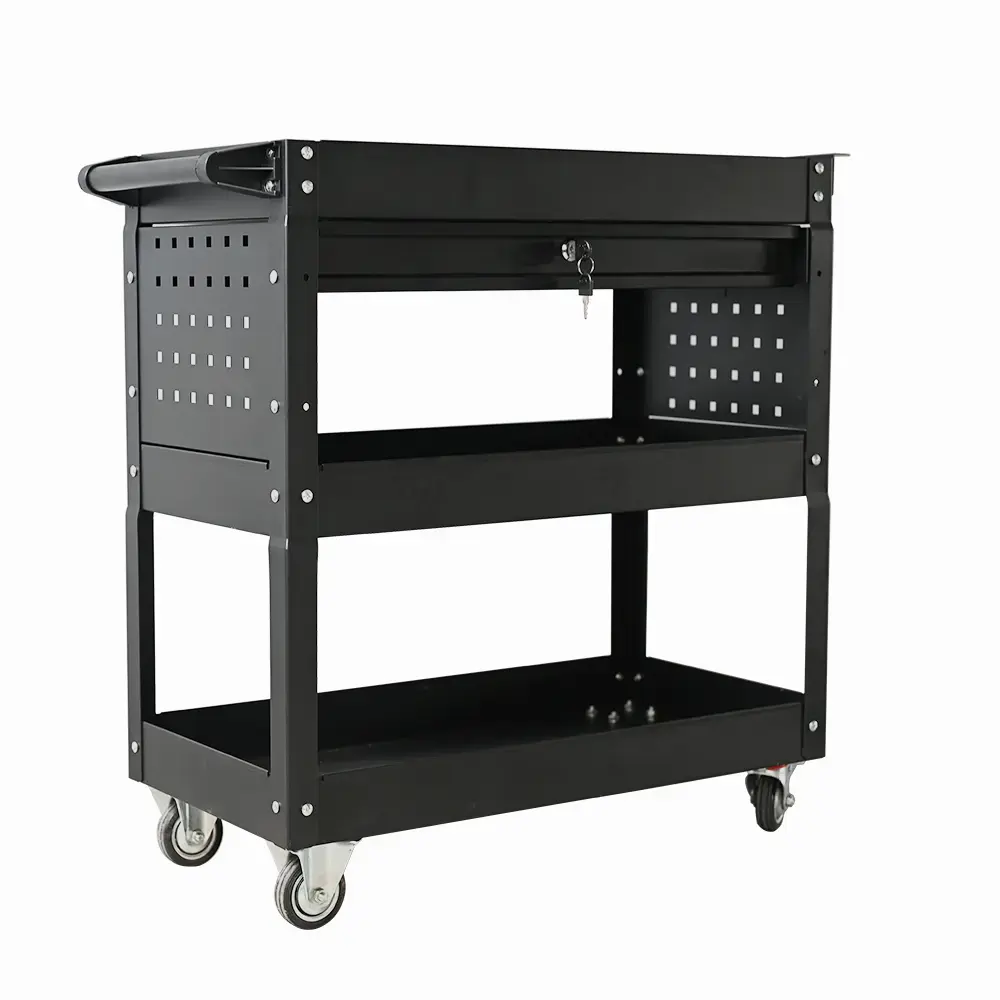
Semi-knock-down is usually the sweet spot: the carcass ships assembled, drawers and handles pack flat. You keep the perceived quality of a built unit while recovering most of the space. Flat-packing a drawer-based unit such as a four-drawer interlocking utility rolling trolley is where most of the saving actually sits.
2. Carton Dimensions Against Container Width
A carton that is 1,180mm wide wastes a painful amount of floor space in a 2,350mm wide container when paired with a second row. Standard interior width is roughly 2,350mm and usable length around 12,030mm for a 40HQ. Carton dimensions should be chosen to divide into those figures cleanly.
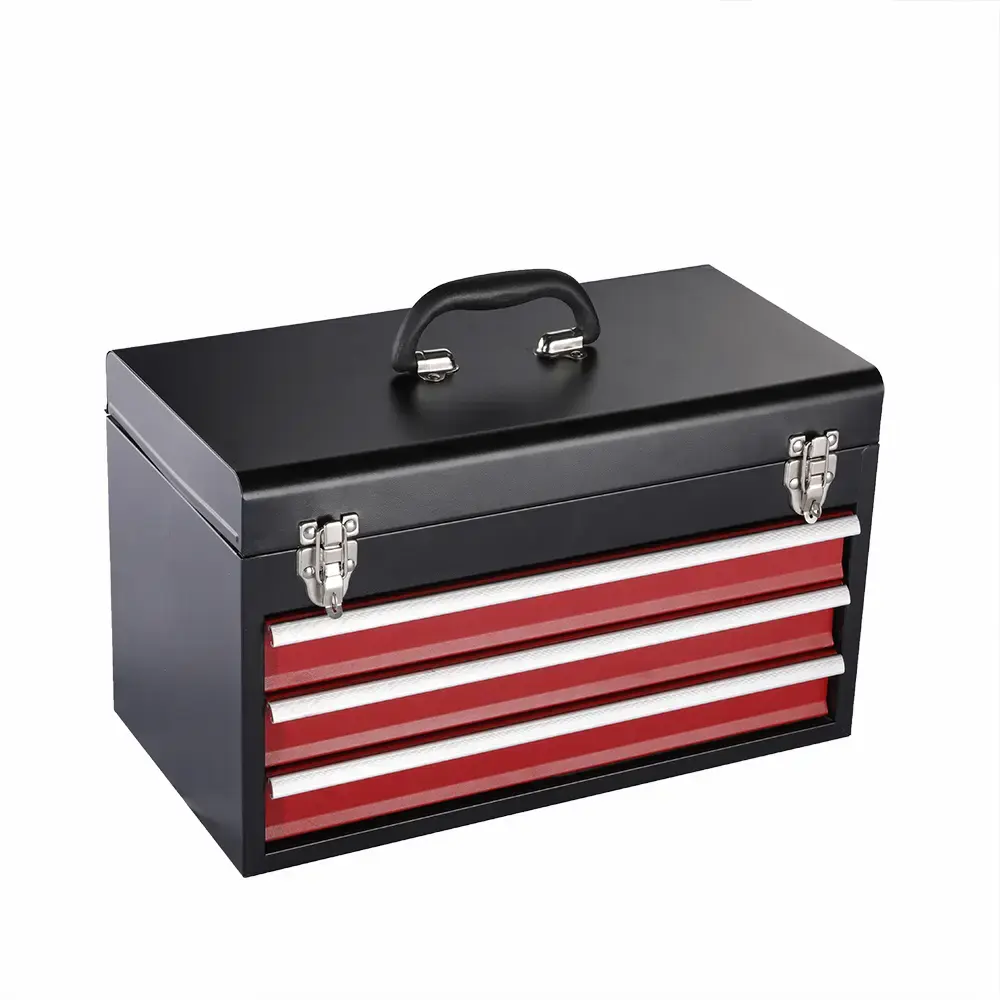
A five centimetre carton change is often worth more than a five percent price cut. Send your supplier the container internal dimensions and ask them to optimise against them, not against whatever carton they happen to stock. Small units benefit most, because a compact item like a lockable two-drawer toolbox can often be re-dimensioned without touching the product at all.
3. Mixed Containers Across the Range
Tool Cabinets are heavy and small tool boxes are light. Shipping them separately means one container hits the weight limit with space to spare and the other runs out of room while still light. Combining them usually improves the overall economics considerably.
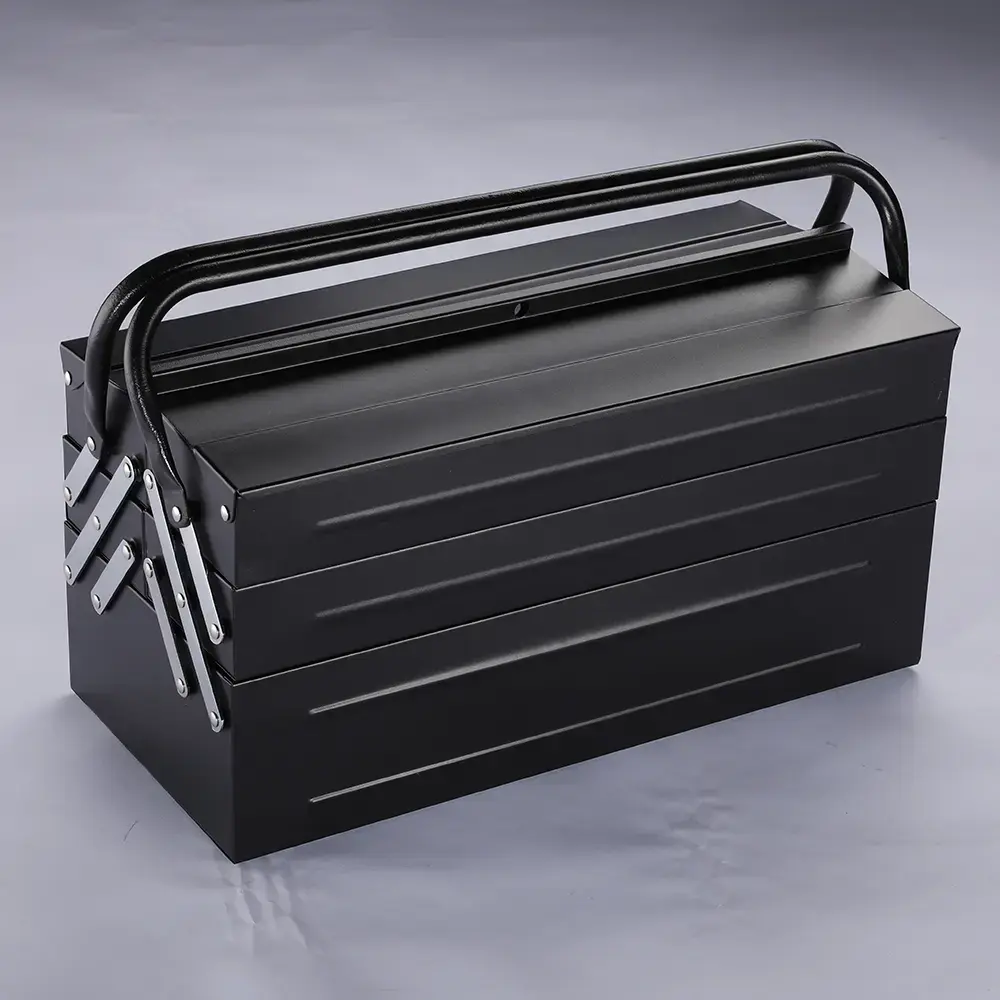
Multi-tier units sit between the two and help balance the load. A cantilever design such as a three-tier lockable cantilever toolbox ships flat in a way a fixed cabinet cannot, which makes it a useful filler for the air pockets a container of cabinets always leaves behind.
Weight Limits Are the Other Half of the Equation
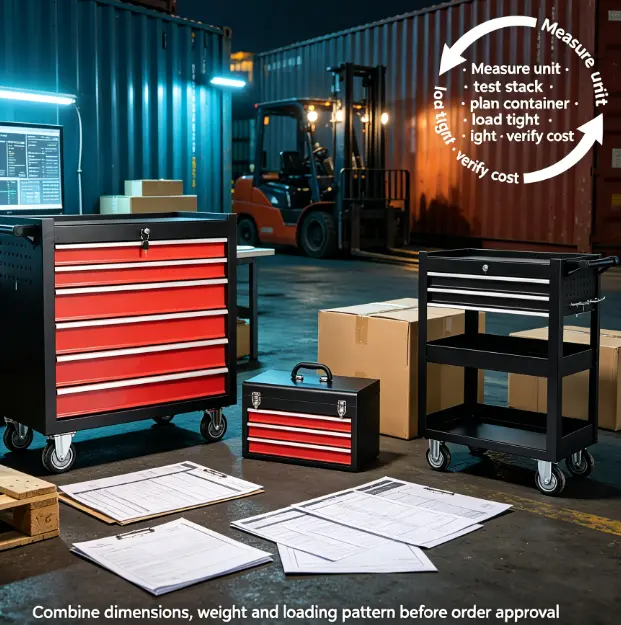
Steel tool storage hits weight ceilings before volume ceilings more often than buyers expect. A 40HQ has a payload limit that varies by route and carrier, and road limits at destination can be tighter than the ocean leg.
- Confirm the payload limit for your specific route, not a generic figure from a freight website.
- Ask for gross carton weight per unit and multiply honestly, including pallets and dunnage.
- Check destination road limits if you move full containers inland; some European routes are stricter than others.
Rule of thumb: if your planned load is within five percent of the payload ceiling, reduce it. Overweight containers get reworked at the port on your account, and the delay costs more than the freight you were trying to save.
Packaging That Survives the Journey
Cabinets arrive damaged for three reasons: insufficient corner protection, drawers that slide open in transit, and cartons stacked beyond their compression strength. All three are cheap to fix at the factory and expensive to fix at destination.
Specify corner board protection, a positive drawer lock or transit strap for every unit, and a carton grade appropriate to the stacking height in the container. Ask for a drop test report and an actual photograph of a loaded container, not a rendering.
Building the Order Around Freight
Plan shipments in container multiples rather than in unit quantities. Ordering 200 cabinets when 192 fills a container means eight units travel at the marginal cost of a second shipment, or sit in a warehouse until the next order.
Look at comprehensive storage cabinets with matched upper and lower boxes with a loading plan in mind, because modular systems nest in ways that fixed cabinets do not.
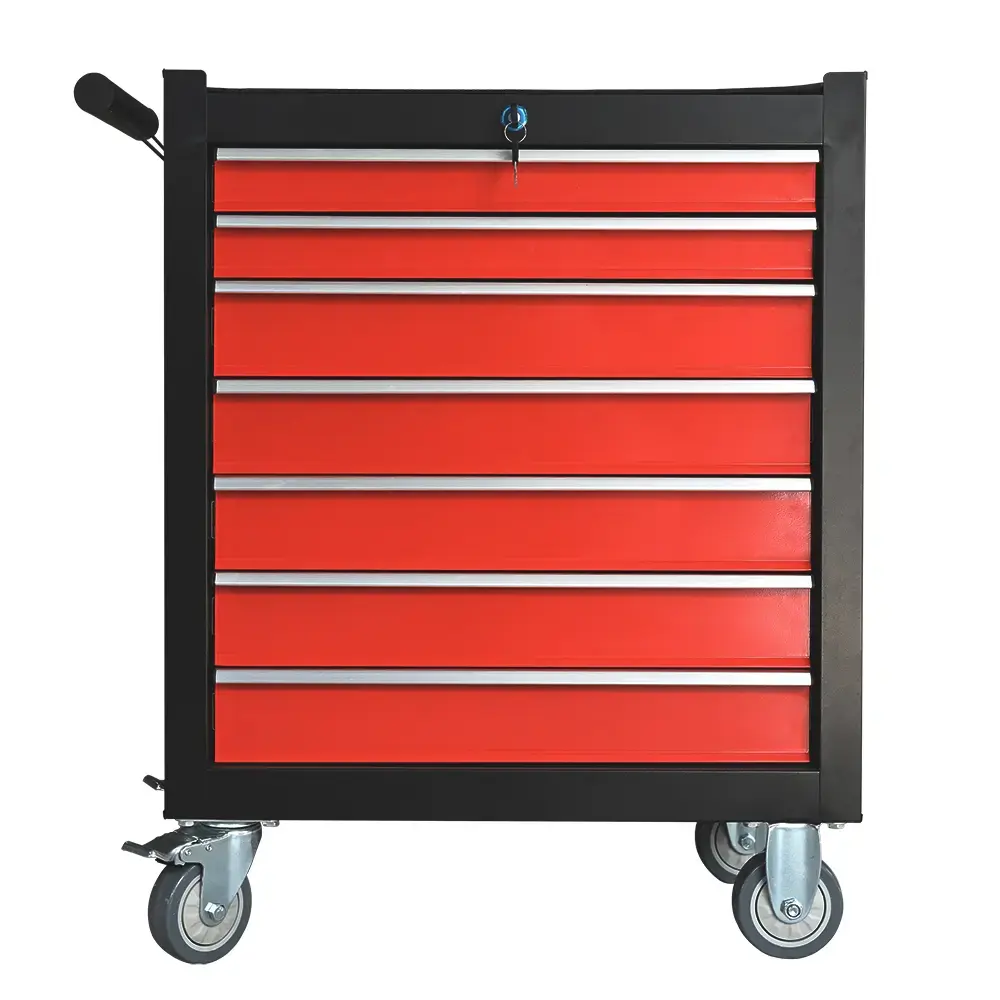
The same logic applies to a heavy-duty metal tool cabinet trolley, where the handle and wheel assembly is often the part worth unbolting for shipping. Ask the factory which components can ship detached without voiding the warranty, because that answer is usually worth more than a freight rate negotiation.
The Bottom Line
Freight per unit is a specification you control, not a fee you accept. Get the loading quantity in writing with photographic evidence, design cartons against real container dimensions, watch the weight ceiling, and order in container multiples. Do this once properly and the saving recurs on every shipment for as long as you keep the product in your range.