
Leave Your Message
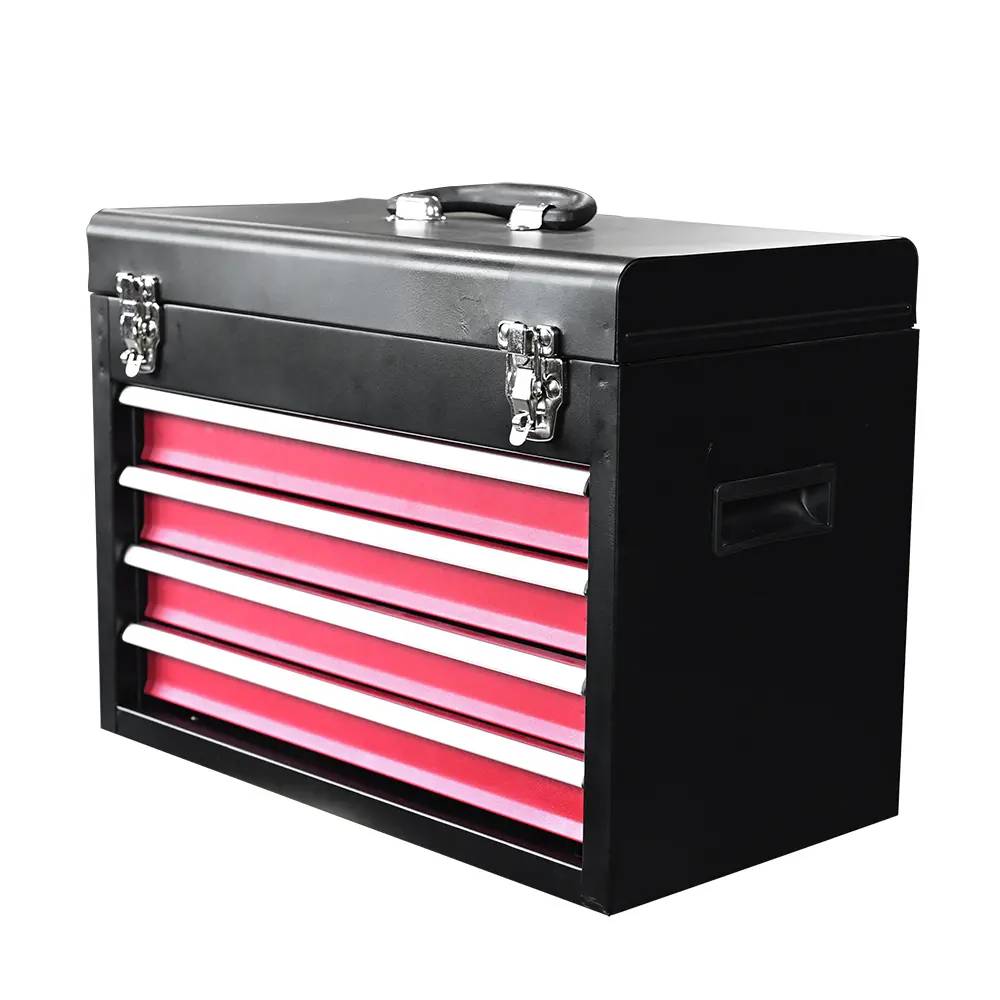
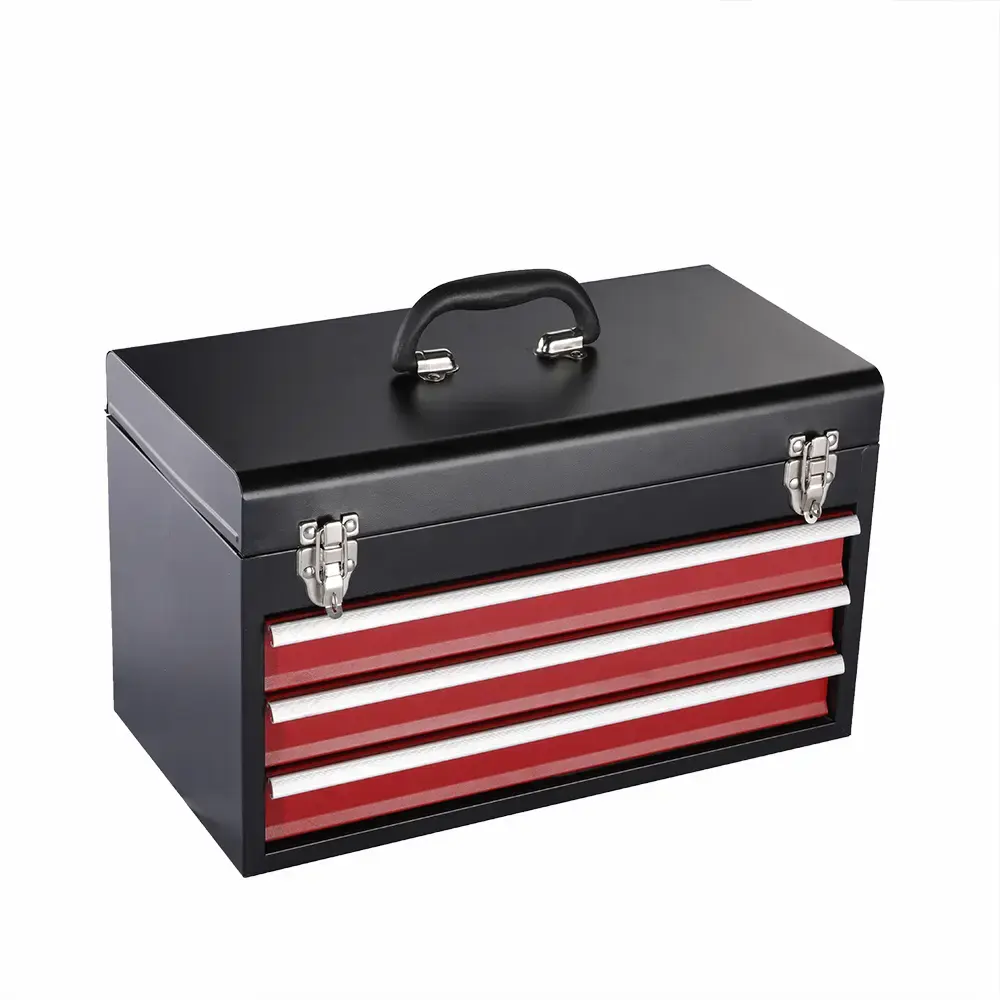

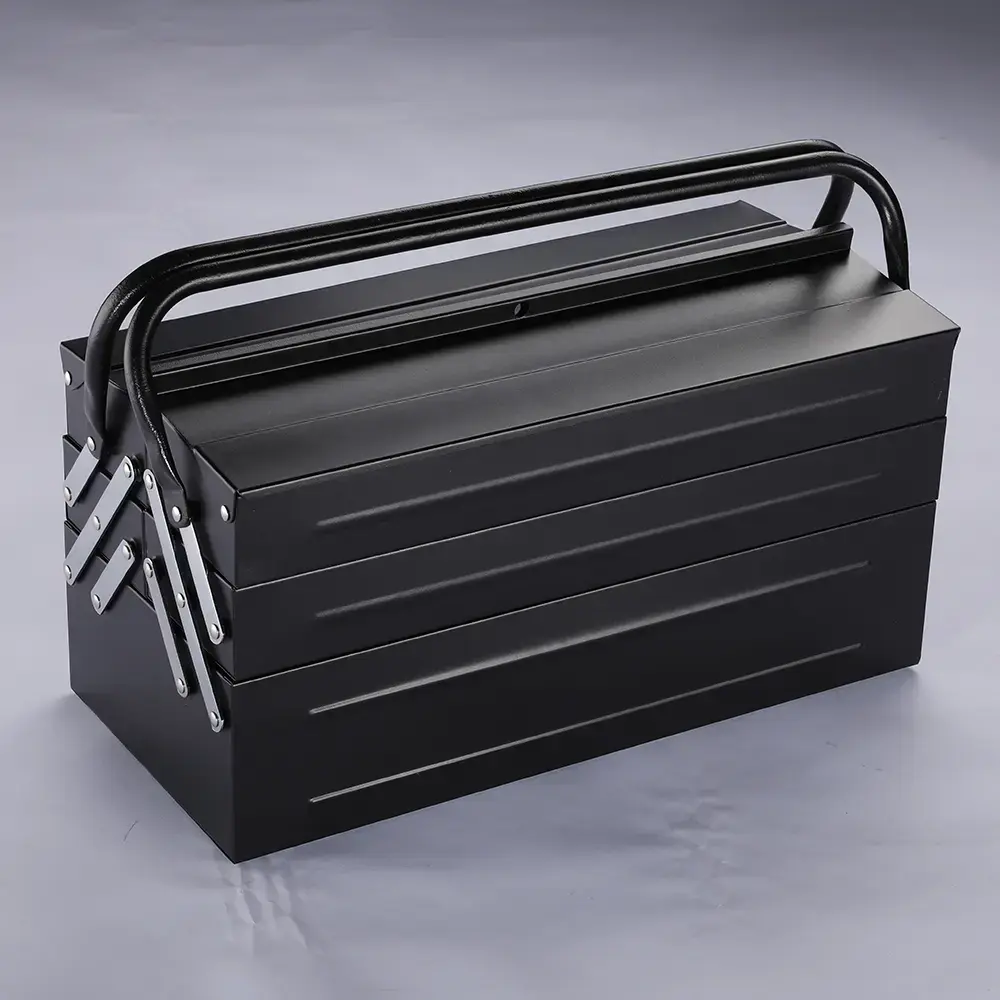
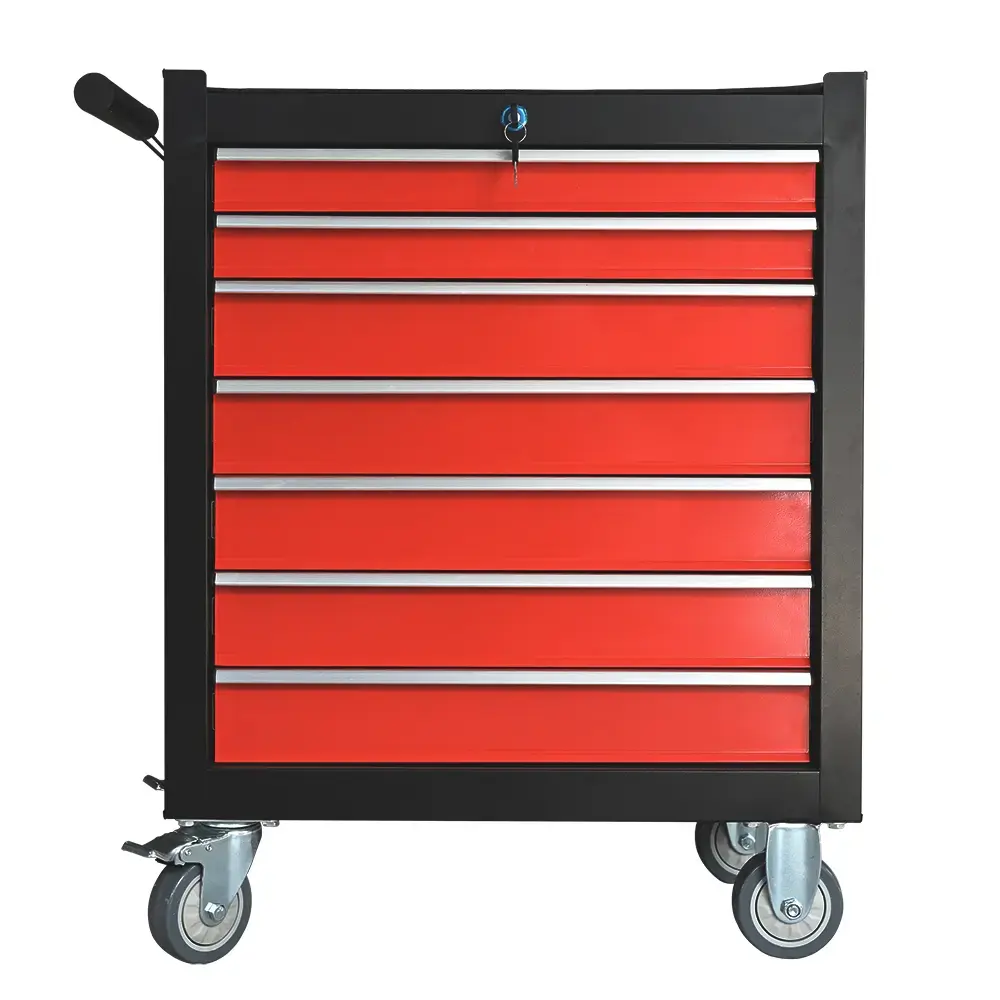


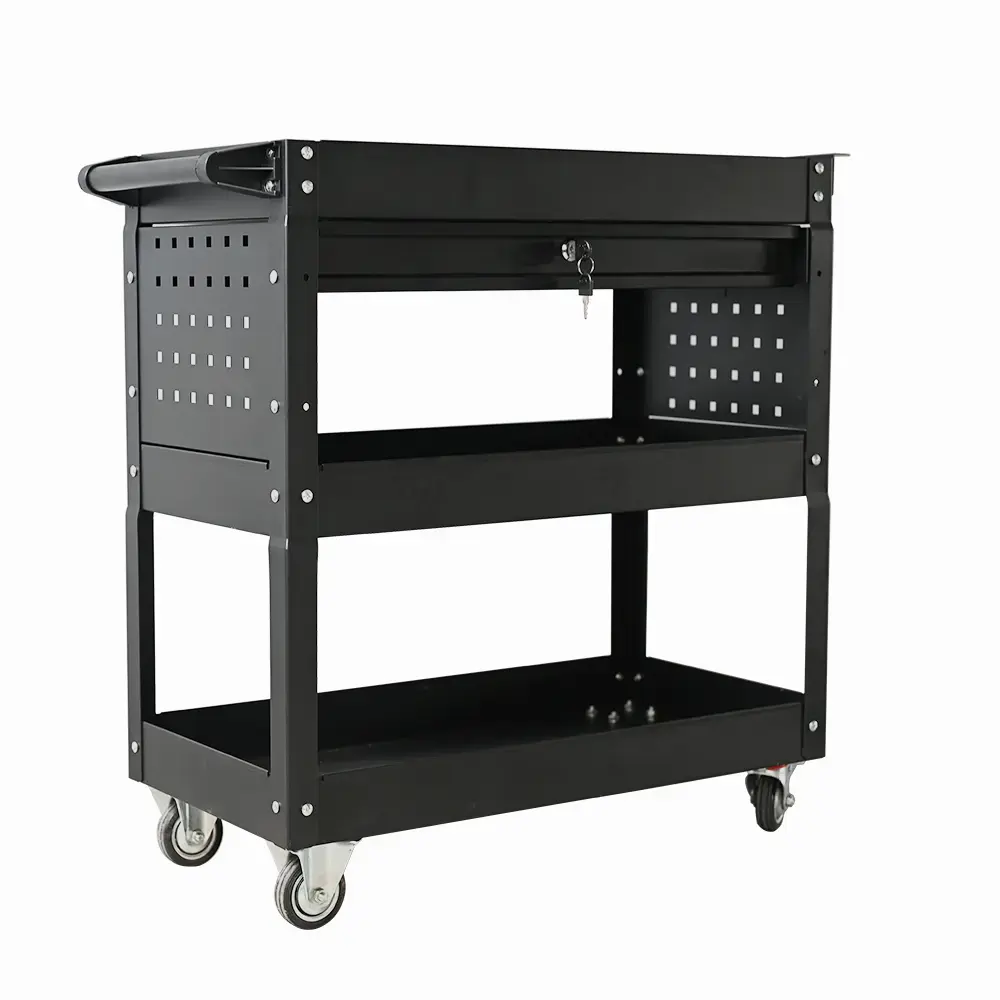
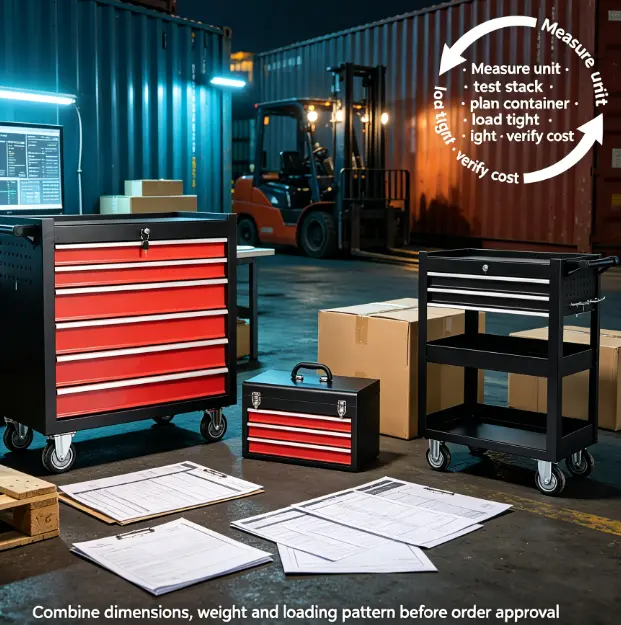

Demand assessment before purchasing tool cabinets: Five major Dimensions from load-bearing capacity to space
In manufacturing, maintenance services and industrial production environments, Tool Cabinets are not only storage devices but also key infrastructure that ensures operational efficiency and safety. Procurement decisions directly affect the user experience for the next 3 to 5 years. Therefore, it is crucial to conduct a systematic demand assessment before placing an order. The following are the five core dimensions that purchasing decision-makers must master.
Dimension One: Precise matching of load-bearing capacity
Load-bearing capacity is the core technical indicator of tool cabinets, directly determining their service life and safety. When evaluating, it is necessary to penetrate the surface to observe the substantive structure: the thickness of the layer plate, the specification of the drawer guide rail and the quality of the bearing form a load-bearing triangle. For industrial-grade applications, it is recommended that suppliers provide single-layer dynamic load-bearing test data. In the environment of ordinary workshops for storing Hand Tools, a single-layer load-bearing capacity within the range of 80 to 150 kilograms is usually sufficient. If power tools or heavy equipment modules are involved, reinforced structures weighing over 300 kilograms must be locked.
Selection tips include physical verification: fully pull out the drawer and apply a simulated load to observe if there is any structural sinking. Check whether the guide rail is of double-track or ball structure. A single guide rail is only suitable for light storage. Special attention should be paid to the safety factor marking. High-quality products will provide more than 1.5 times the dynamic load redundancy. Neglecting the load-bearing assessment may lead to the risk of cabinet deformation, drawer jamming or even overturning.
Dimension Two: Dynamic Adaptation of Spatial Planning
The assessment of space utilization should start from the "tool portrait". Statistics on the size distribution of items to be stored: 60% conventional hand tools, 25% medium-sized equipment, and 15% special-shaped long-handled tools are typical workshop proportions. The configuration scheme is selected based on data: The drawer type is suitable for the classification management of precision tools, the layer plate type is conducive to storing large fixtures, and the suspension system is suitable for high-frequency torque wrenches and other tools.
Adjustability is the guarantee of future adaptability. Give priority to choosing models where the height of the shelves can be adjusted at 50mm intervals. The interior of the drawer should support the free combination of partition plates. The depth direction also needs to be considered - a 600mm deep cabinet is suitable for hanging, while a 450mm shallow cabinet is more flexible in narrow passages. In terms of vertical space, the height of the tool cabinet in the work area is recommended not to exceed 1400mm to ensure that items on the top floor are visible and accessible.

Dimension Three: Environmental calibration of usage scenarios
The environmental parameters in the workshop will significantly affect the performance of the tool cabinet. In mechanical processing scenarios accompanied by metal chips and cutting fluids, fully sealed drawers and bottom leak-proof trays need to be configured. The electronic manufacturing environment requires anti-static sprayed surfaces and grounding designs. For auto repair workshops, oil stains and corrosion need to be taken into consideration. Stainless steel or special coatings are more durable.
Temperature and humidity conditions are equally crucial. In a high-humidity environment, the anti-rust treatment process must be verified: degreasing, pickling, phosphating and spraying are all indispensable steps. In areas with large temperature fluctuations, the matching of the expansion coefficients of structural components should be checked. In outdoor or semi-open scenarios, the degradation effect of ultraviolet rays on the cabinet coating also needs to be evaluated. Incorporating environmental factors into the assessment can effectively extend the service life of equipment.
Dimension Four: The trade-off between mobility and Fixed patterns
mobility demand analysis is often underestimated but affects daily efficiency. Tool cabinets with casters may seem flexible, but wheels with a diameter of less than 5cm are prone to wear on epoxy floors, and the pushing resistance doubles when loaded. Evaluate the movement frequency: If the daily displacement exceeds three times, polyurethane heavy-duty wheels with a diameter of more than 12cm should be selected and equipped with a dual braking system.
The advantages of fixed cabinets lie in their stability and cost-effectiveness. For the storage of heavy equipment, fixed installation can prevent continuous damage to the structure caused by dynamic loads. The hybrid solution is worth considering - fix 80% of the cabinet body and configure 20% as mobile buffer units. The width of the passage is also a decision-making parameter. In narrow Spaces less than 1200mm, the use of mobile cabinets should be restricted to avoid the risk of collision.
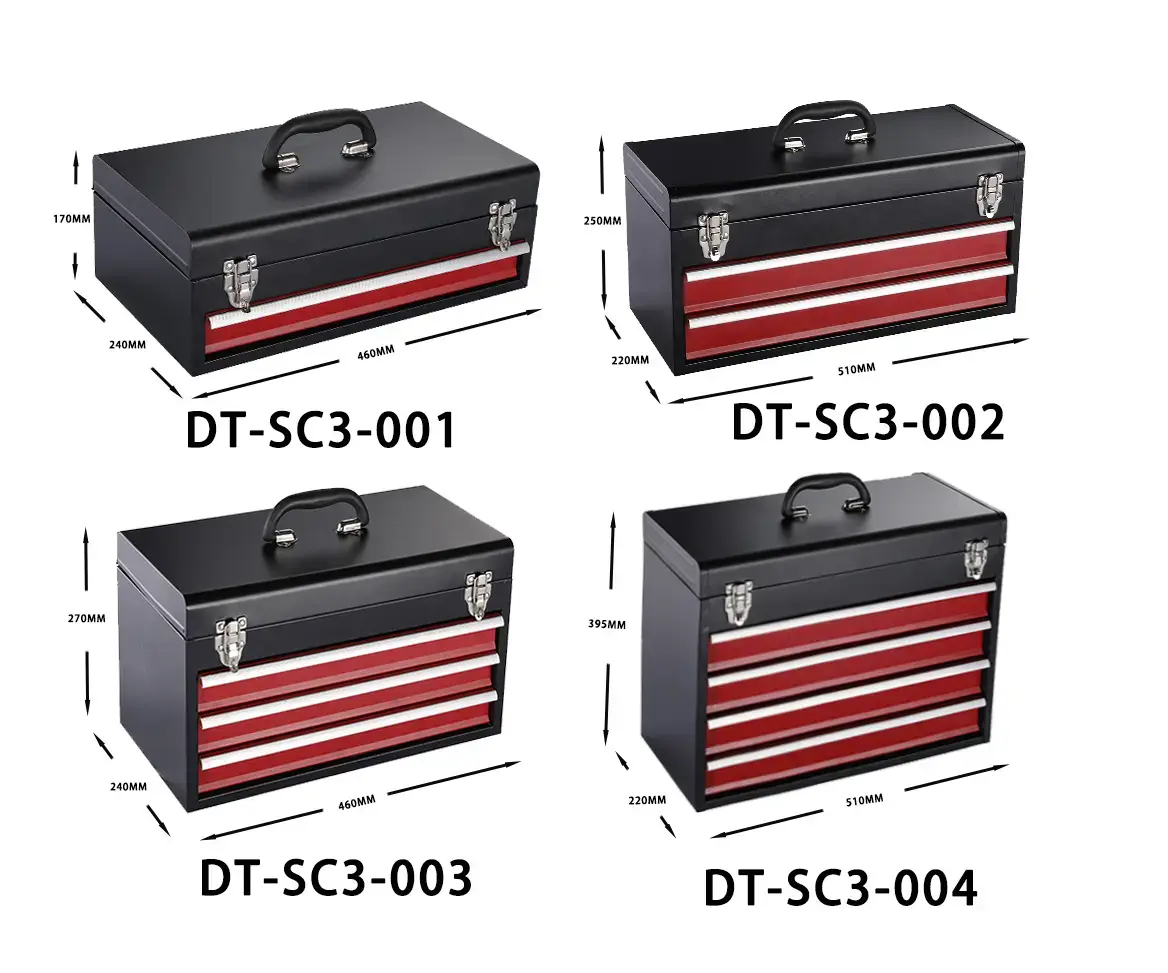
Dimension Five: Hidden Thresholds for Safety and Compliance
The safety design of the tool cabinet involves three levels. In terms of physical protection, all drawers must be equipped with automatic locking devices to prevent accidental sliding out. Cabinets with a height exceeding 1000mm should have anti-toppling anchor points. In terms of information security, locked drawers should adopt a multi-point lock structure to prevent single-point failure.
Compliance review is becoming increasingly important. Confirm whether the product complies with the provisions of OSHA or CE standards regarding industrial storage, especially the requirements for fire resistance rating and chemical compatibility. Check whether the edges of the cabinet have been rounded (with a radius of ≥2mm) to prevent operators from getting injured by bumps. These details are often overlooked in procurement documents, but they can pose operational risks.
Systematic decision-making framework
After completing the assessment of the five dimensions, it is recommended to establish a scoring matrix: set weights for each dimension (load-bearing capacity 30%, space 25%, scene 20%, mobility 15%, safety 10%), invite the user department, EHS team and maintenance team to score respectively, and finally obtain the objective decision-making basis through weighting. The purchase list should clearly specify technical specifications rather than brand models, such as verifiable indicators like "Drawer guide rails: 100% pull-out, dynamic load capacity ≥120kg, ball bearing structure".
The procurement of tool cabinets is not merely the addition of equipment, but rather the integration of functions into the production system. Although a deep demand assessment takes 3 to 5 working days, it can avoid operational troubles for the subsequent 18 to 24 months. When technical parameters precisely match the actual demands, the tool cabinet will transform from a cost center into an efficiency amplifier.