
Leave Your Message




How to choose the most suitable size and capacity of a toolbox? Practical guides help you make precise decisions
Toolboxes are essential for every household and workplace, but when faced with the wide variety of sizes and capacities available on the market, many people feel confused. Choosing a toolbox that is too small will result in no place to put the tools, while choosing a box that is too large will take up precious space and be not portable. This article will provide you with practical guiding principles to help you choose the most suitable toolbox size and capacity based on your actual needs.
Understand the capacity units of the toolbox
The capacity of a toolbox is usually expressed in liters (L) or inches. Liters directly reflect the size of the internal storage space, while inches more often indicate the external dimensions. For most household and general professional uses, a 20-40 liter toolbox is usually sufficient to hold common Hand Tools and some small power tools. Toolboxes with larger capacity (over 50 liters) are suitable for professional users who need to store a large number of tools or large equipment.
Evaluate your collection of tools
The first step in choosing a toolbox is to take stock of the tools you currently and may have in the future. Categorize your tools into three types: frequently used tools (such as hammers, screwdrivers, wrenches), occasionally used tools (such as special-sized sockets), and rarely used but must be kept tools (such as inherited professional tools). This classification will help you determine the approximate capacity you need. Remember to reserve about 20% of space for tools that might be added in the future.

Consider the usage scenarios and mobile requirements
The usage scenarios of your toolbox directly affect the size selection. If you need to frequently carry tools to and from different work locations, a lightweight and easy-to-carry medium to small-sized toolbox (25-35 liters) is an ideal choice. Such boxes usually come with comfortable handles and a reasonable weight distribution. For use in fixed locations such as home garages or studios, toolboxes with larger capacity may be more suitable as they can offer more storage space and better organizational functions.
Internal layout and tool organization
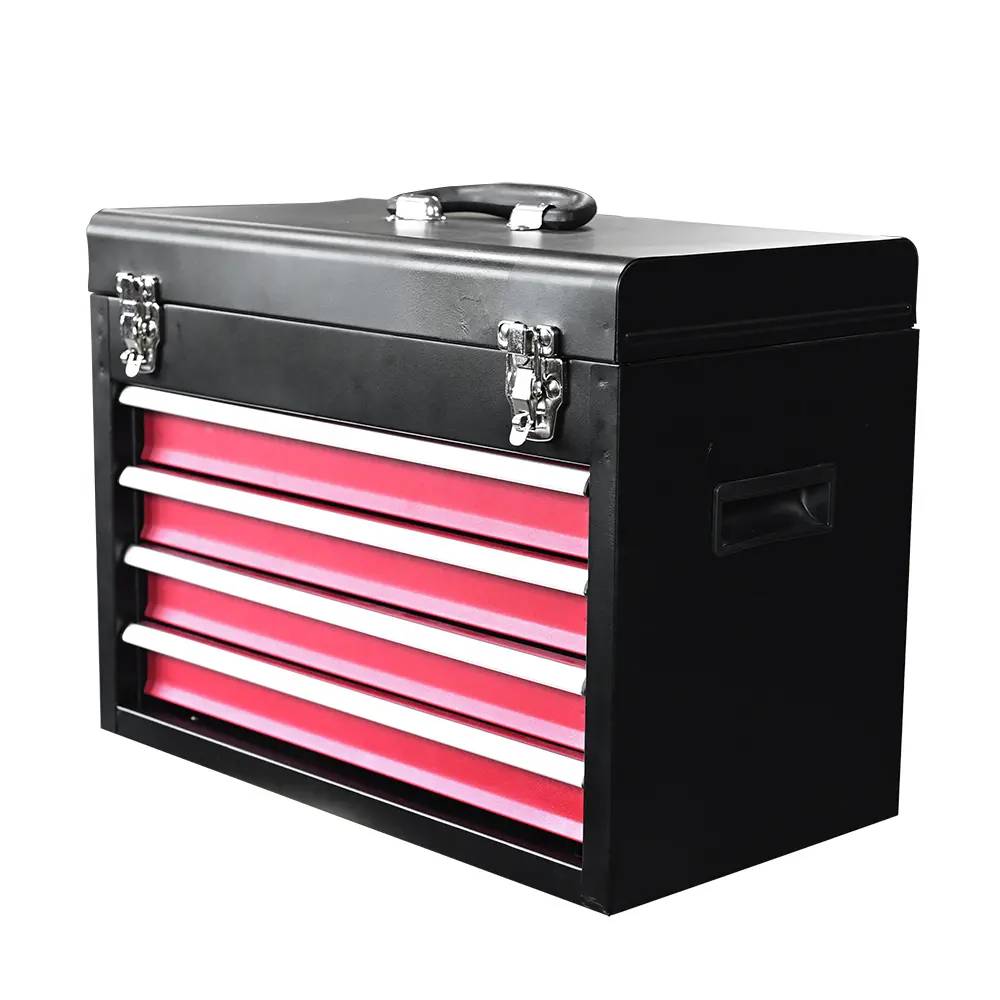
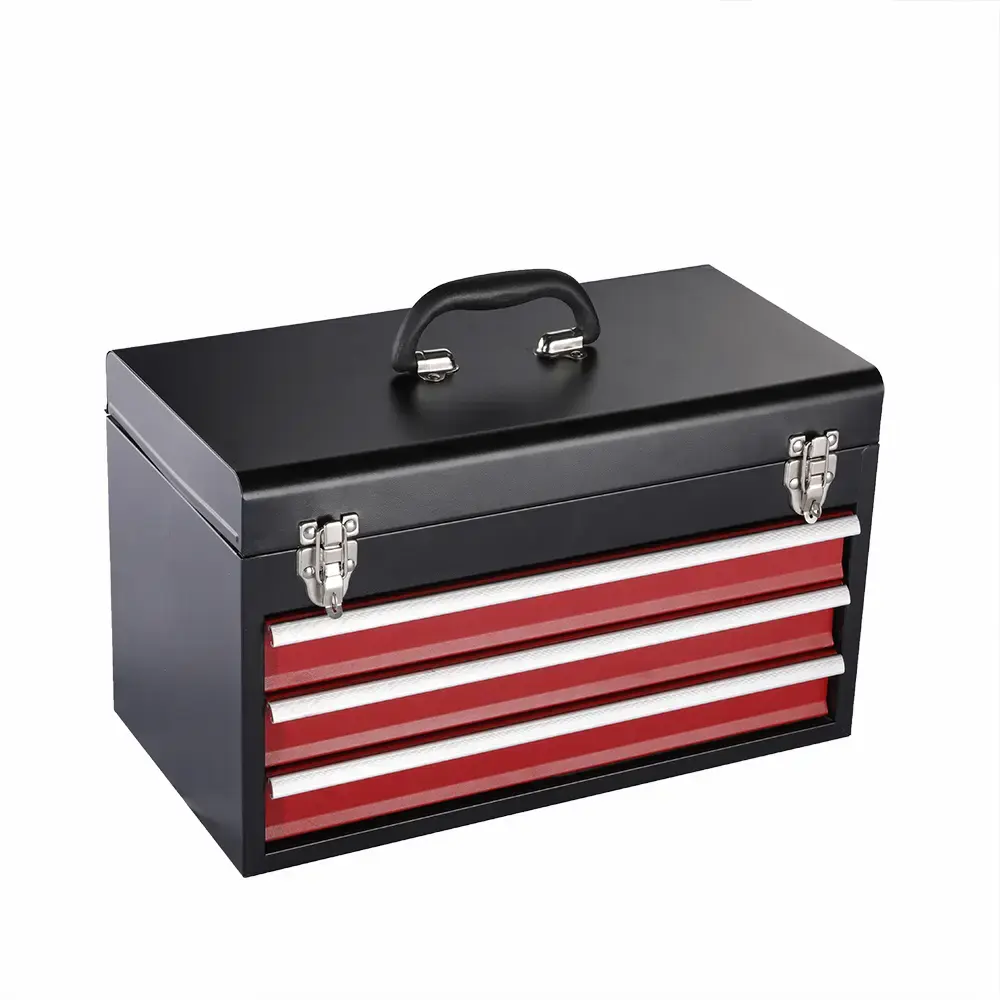
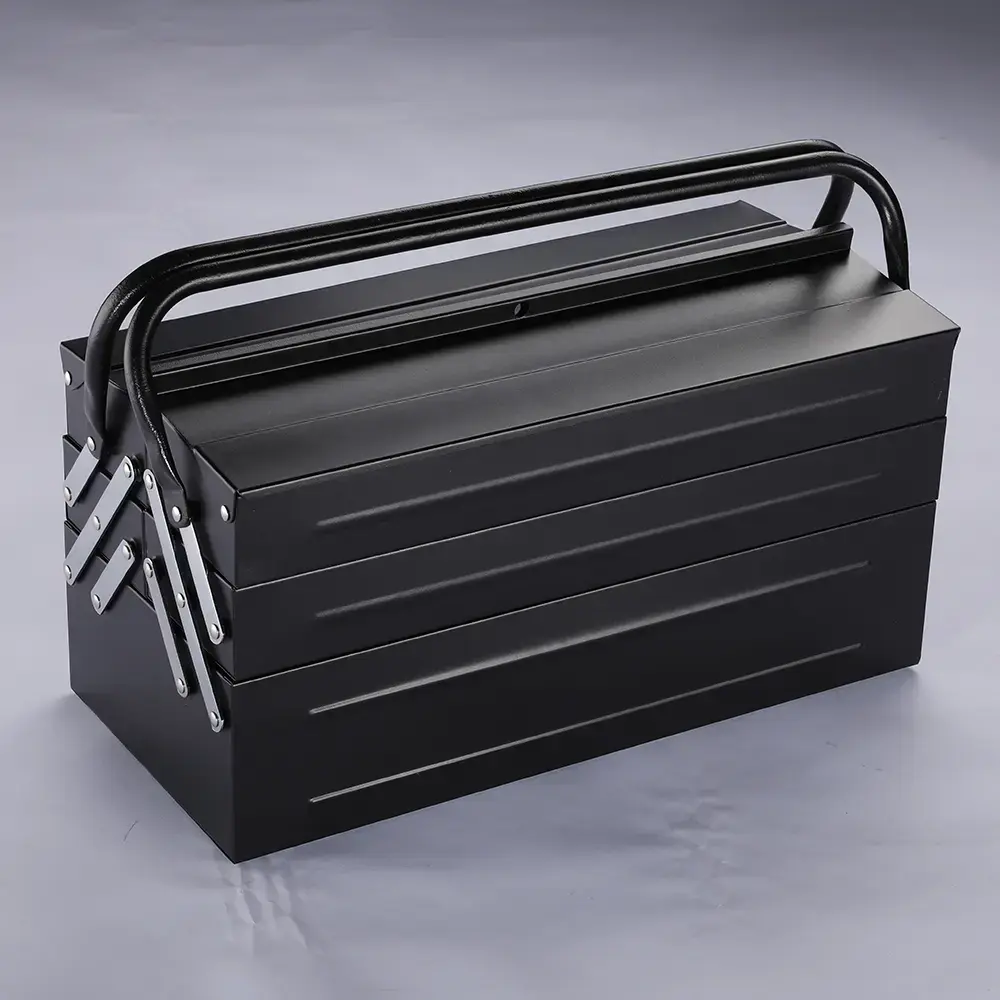
Capacity is not merely about the total volume; more importantly, it is about how to effectively utilize space. Look for toolboxes with adjustable partitions, multiple drawers or layered designs. This design enables you to customize storage space according to the size and shape of the tool, improving space utilization. A good organizational system not only makes tools easier to find but also prevents damage caused by their mutual collisions.
The balance between storage space and portability
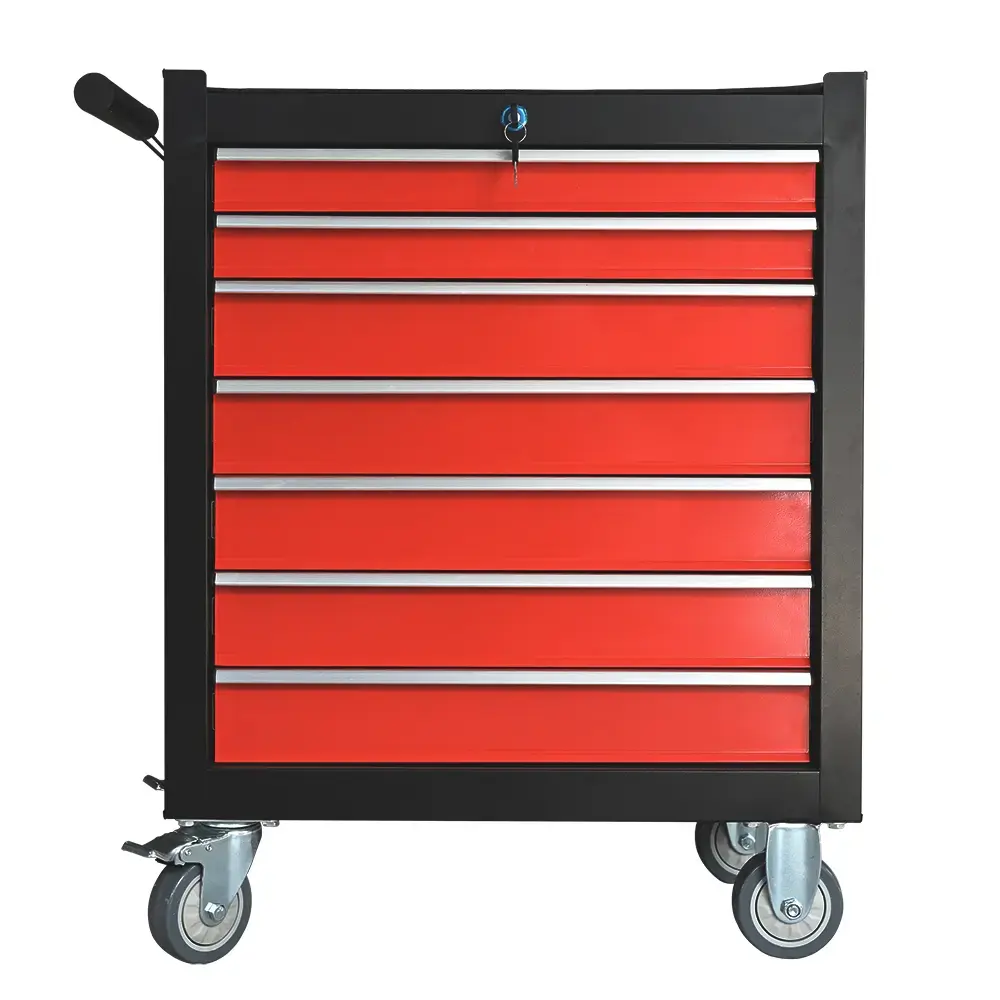
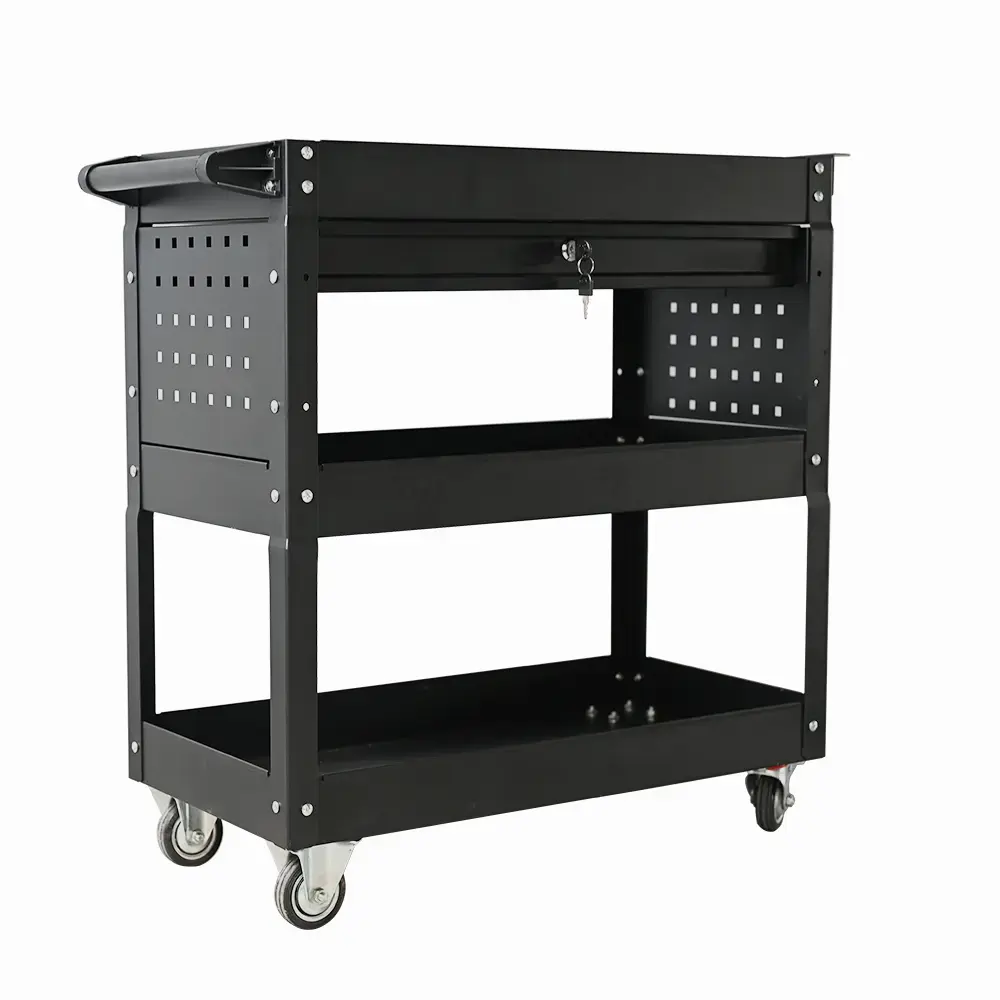
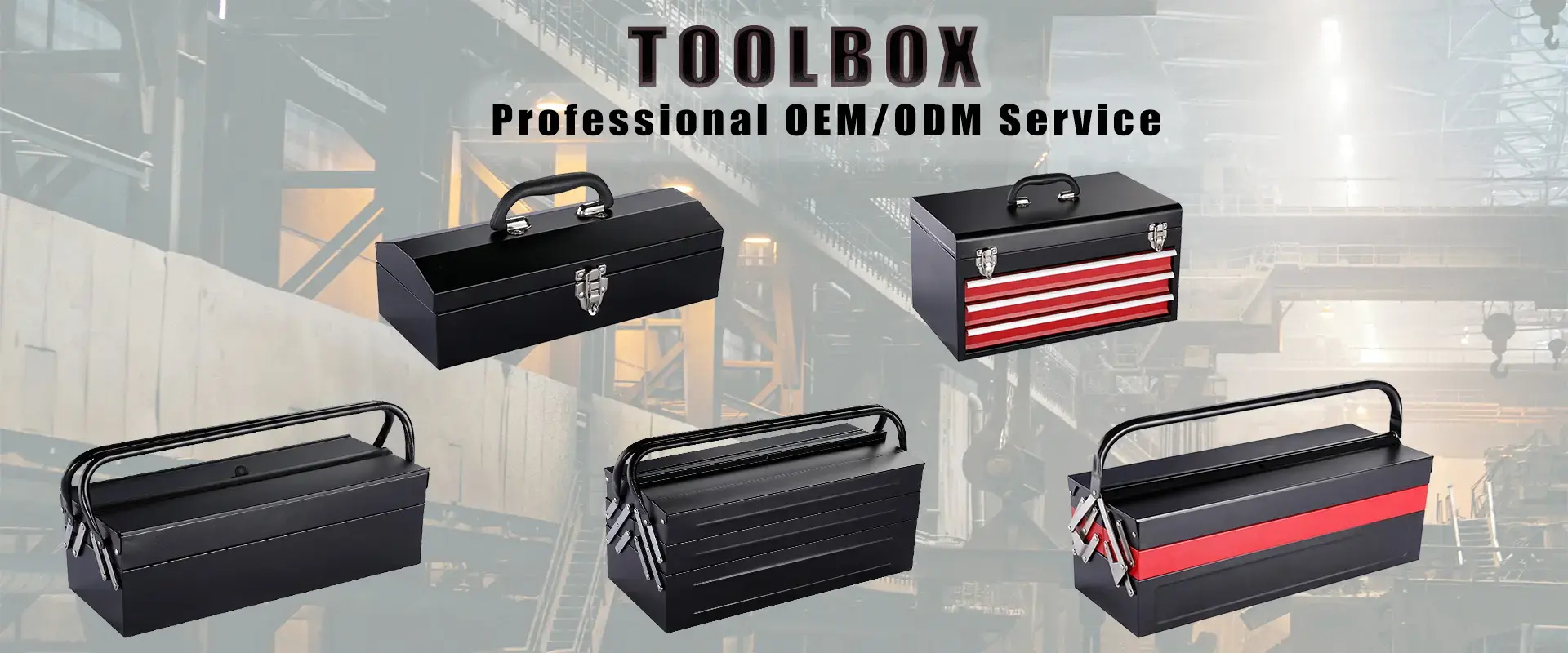
When choosing the size of a toolbox, a balance between storage space and portability needs to be considered. Large toolboxes offer ample storage space, but they may be too heavy and difficult to transport. If you need to transport tools to different locations, please consider choosing a Toolbox With Wheels or a modular system, where multiple smaller boxes can be combined for use. For users with limited storage space, stackable or nested toolboxes may be a smart solution to save space.
Special considerations for special tools
If you have particularly long, irregularly shaped or delicate tools, you need to ensure that the toolbox has sufficient length or dedicated fixtures to safely store these items. Measure the length of your longest tool and make sure the internal dimensions of the toolbox can accommodate them. For precision instruments, consider choosing toolboxes with buffer linings or custom foam inserts to provide additional protection.
Choosing the size and capacity of a toolbox is a decision that requires careful consideration, but by evaluating your specific needs, tool collection and usage habits, you can find a solution that perfectly balances functionality, portability and storage efficiency. A suitable toolbox can not only better protect your investment but also enhance work efficiency, making every tool use more enjoyable.