
Leave Your Message




0102030405
Procurement Guide for Building Material Wholesalers: Handle Design & Portability Advantages of Cantilever Metal Tool Boxes
2026-04-07
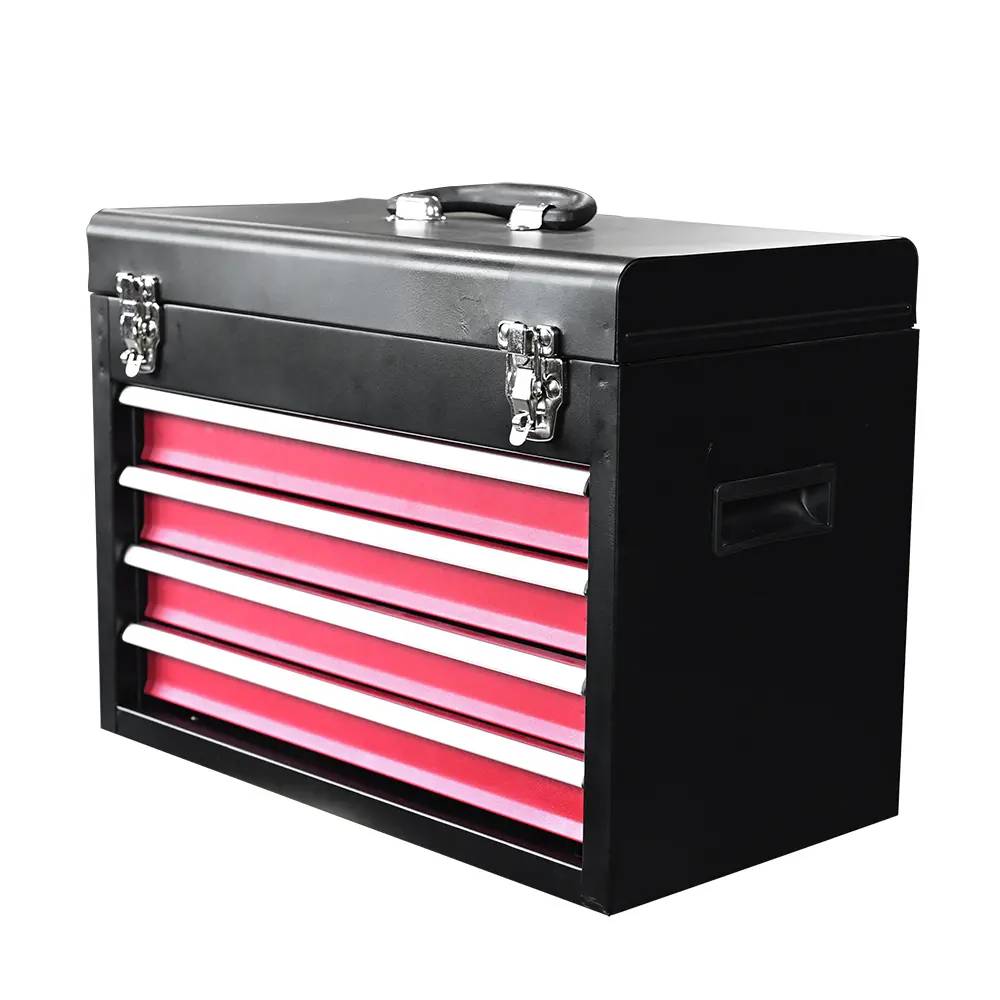
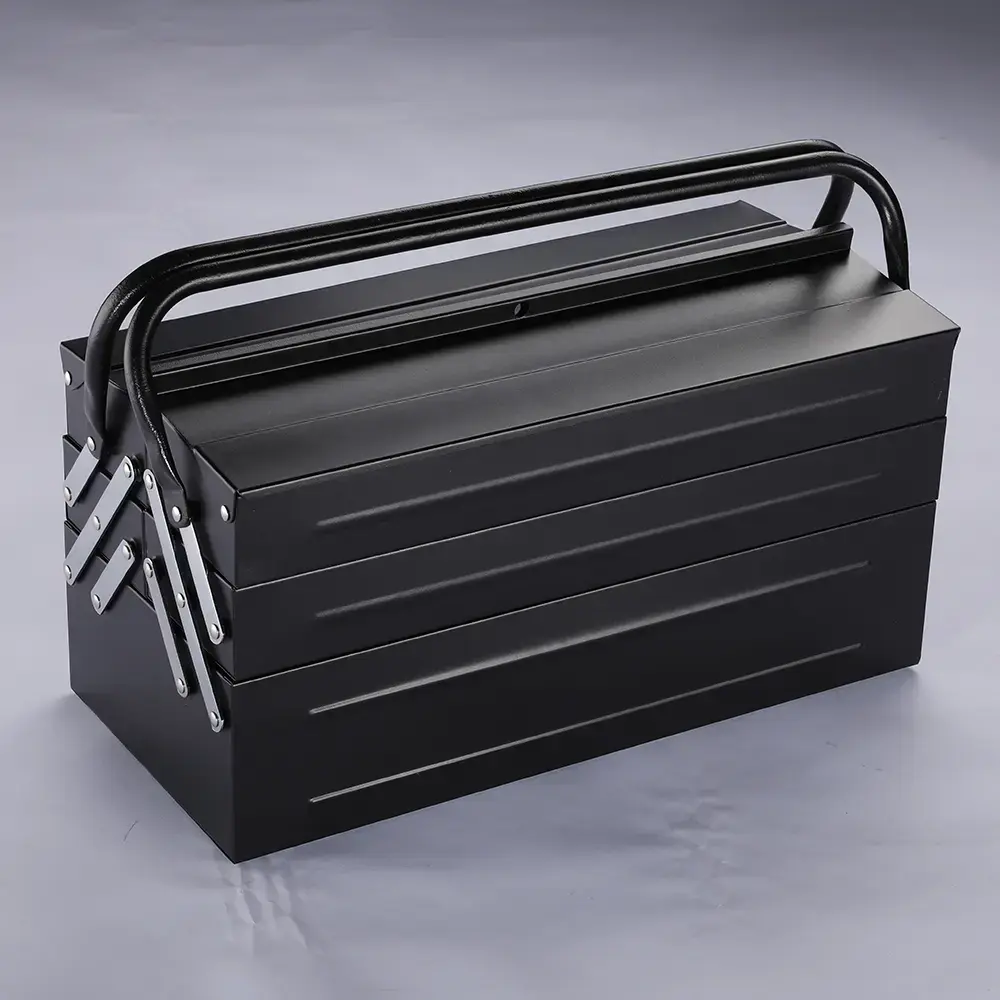
In the building materials and professional tools wholesale industry, cantilever Metal Tool Boxes have become one of the core product categories for professional technicians, large construction contractors and more, thanks to their superior organization and tool protection capabilities. However, faced with a wide range of products on the market, how can wholesalers identify highly competitive models that truly meet end-user needs? One often underestimated yet critical evaluation dimension is handle design.
From a professional procurement perspective, this article deeply analyzes the details of high-quality cantilever tool box handle design and its advantages in portability, durability and ergonomics, helping you select popular and well-received products for downstream customers.
The Handle: More Than a Lifting Part, But the Core of User Experience
For professional users, tool boxes are lifted, carried and loaded dozens of times every day. A poorly designed handle can lead to fatigue and reduced efficiency at best, and muscle strain or accidental drops at worst, resulting in tool damage or even personal injury.
Therefore, the handleis by no means a simple accessory. It is the key interface connecting users with the entire tool system, directly determining the first-use impression and long-term reputation of the product. An excellent handle design is a combination of materials science, structural mechanics and ergonomics, turning The Tool Box’s internal storage advantages into tangible portability and reliability for users.
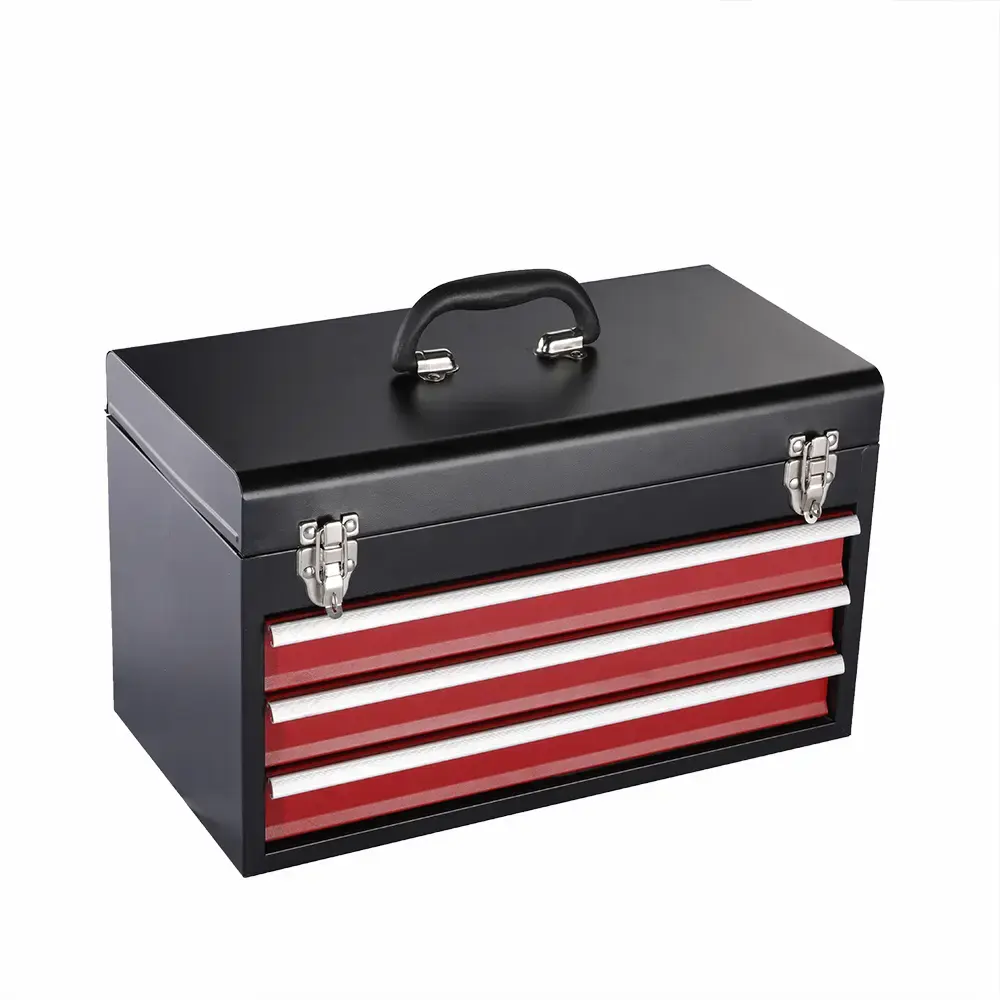
I. Four Core Elements of Outstanding Handle Design
To judge whether a Cantilever Tool Box handle is excellent, evaluate these four aspects systematically:
Structure & Load-Bearing Design
Top-tier tool box handles are never simply welded or riveted. Check whether they adopt an internal reinforced framework or integrated molding with the main box structure. This design ensures that lifting force is evenly distributed across the entire box even under full load (e.g., heavy sockets, wrenches), avoiding deformation or breakage at joints caused by stress concentration. Connection points between the handle and box must be sufficiently reinforced — the foundation of long-term durability.
Ergonomics & Grip Comfort
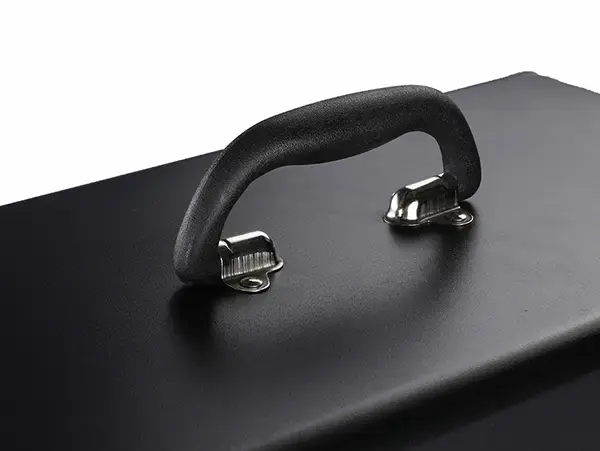
The handle profile should follow the natural curve of the human palm. Wide, soft rubber-coated handles significantly increase contact area, disperse pressure and prevent hand soreness from heavy tools. The soft rubber material must be slip-resistant and oil-resistant, providing a secure grip even with gloves or oily hands. Oval or finger-grooved cross-sections perform better than simple round tubes.
Material & Craftsmanship
The core frame of the handle is usually made of high-strength steel or aluminum alloy for rigidity. The outer layer wrapped with soft TPE (thermoplastic elastomer) or rubber improves grip and absorbs shocks, reducing hand impact during bumpy transportation. The coating must bond firmly to the inner frame, free of blistering or delamination. Surface treatment must be corrosion-resistant to adapt to complex environments such as garages and job sites.
Integrated & Multi-Functional Design
Modern high-end tool box handles often integrate extra functions. For example, built-in retractable tow bars allow seamless switching between lifting and towing, greatly expanding mobility in airports, large factory workshops and other scenarios. Reasonable lock integration points below the handle for easy padlock attachment also enhance security.
II. How Superior Handle Design Creates Market Competitive Advantages
For wholesalers, investing in tool boxes with excellent handle design delivers these differentiated competitive strengths:
Reduces Occupational Injury Risks & Boosts User Loyalty
Providing ergonomic tools shows professional care for end users. It reduces wrist or back strain from repeated lifting, directly improving comfort and efficiency during long working hours. This drives not only initial purchases but also long-term brand trust and repeat orders.
Adapts to Diverse Work Scenarios & Expands Target Customer Base
A cantilever box with a comfortable handle and integrated tow bar is suitable for both short-distance hand carrying between maintenance stations and long-distance towing in large workshops or outdoor sites. This flexibility expands market coverage to independent auto technicians, factory maintenance teams, on-site construction engineers and other customers needing frequent, long-distance tool movement.
Highlights Professional Quality & Supports Higher Premiums
Solid handle design reflects overall manufacturing and quality standards. When downstream customers (retailers or end users) feel the smoothness, stability and comfort of the handle, they will intuitively recognize the product’s high-quality positioning. This allows wholesalers to move beyond low-level price competition to value-based sales, securing reasonable profit margins for premium products.
Lowers After-Sales & Return Costs
The handle is a high-frequency stressed component and a common source of after-sales issues. A well-designed, rigorously tested reinforced handle drastically reduces warranty claims and return rates caused by breakage or deformation, protecting wholesaler profits and brand reputation.
III. Procurement Evaluation Checklist: Practical Selection Criteria
Use this quick checklist when sourcing or visiting supplier factories:
- Load Test: Fill the tool box with weighted items or actual tools, lift and carry it to test balance and pressure distribution on the palm.
- Detail Inspection: Check if welds or rivets at handle-box joints are smooth and firm; ensure soft rubber coating is odorless, fade-resistant and non-sticky; verify all edges are smooth and burr-free.
- Specification Inquiry: Ask suppliers for static load test data, oil and temperature resistance ratings of soft coatings (e.g., UL or equivalent standards), and results of repeated lifting fatigue tests.
- Innovation Comparison: Look for unique designs such as rotatable stowable handles for space saving, or attachment points for hanging safety helmets, work lights and other accessories.
Conclusion: Strategic Upgrade from “Movable” to “Easy to Move”
As the tool box market becomes increasingly homogeneous, portability has become a core differentiator. The quality of portability largely depends on meticulous handle design.
For building material wholesalers focused on long-term development, upgrading handle performance from basic “movable” to labor-saving, comfortable, multi-functional and easy-to-move excellence is a key step to optimize product portfolios, serve professional customers and enhance market competitiveness. Choosing suppliers and products uncompromising on humanized details like handles means aligning with high-standard end-user demands and building solid, sustainable competitive advantages for your business.