Leave Your Message

Stainless Steel vs. Aluminum: Best Outdoor Toolbox Hinges
In the design and manufacture of outdoor Toolboxes, hinges, as one of the key components, the selection of their materials is of vital importance. Stainless steel and aluminum alloy are two common materials for hinges, each with its own characteristics in terms of corrosion resistance. This article will delve into the corrosion resistance of these two materials in the application of outdoor toolbox hinges, providing references for the design and material selection of outdoor toolboxes.
The corrosion resistance of stainless steel hinges
Stainless steel is a material widely used in the hinges of outdoor toolboxes. Its main components include elements such as chromium and nickel, which endow stainless steel with excellent corrosion resistance. Stainless steel can maintain long-term stable performance in harsh environments such as dampness, acidity and alkalinity. The dense chromium oxide film formed on its surface can effectively prevent oxidation and corrosion, and even in Marine environments, it can demonstrate excellent corrosion resistance. For instance, in the storage equipment of food processing workshops, 304 stainless steel hinges can resist frequent erosion by water vapor and cleaning agents, do not release harmful substances, and meet food hygiene and safety standards. In outdoor toolboxes, stainless steel hinges can also withstand the tests of wind, rain and temperature differences, maintaining structural stability.
The corrosion resistance of stainless steel hinges is also reflected in their ability to resist various chemical substances. In industrial environments, stainless steel can resist corrosion from weak acids, weak bases and salt substances. This corrosion resistance enables stainless steel hinges to perform well in a variety of application scenarios, whether it is outdoor toolboxes, industrial equipment or food processing machinery, ensuring a long service life.
The corrosion resistance of aluminum alloy hinges
Aluminum alloy hinges are favored for their light weight and certain corrosion resistance. Aluminum alloy forms a protective oxide layer in the air, which can prevent further corrosion. In addition, aluminum alloy hinges are usually treated with anodizing to further enhance their wear resistance and corrosion resistance. In a dry indoor environment, the durability of aluminum alloy hinges is relatively good, but in a humid or corrosive environment, their durability will decrease.
In the application of outdoor toolboxes, the corrosion resistance of aluminum alloy hinges requires special attention. Although aluminium alloy can resist a certain degree of corrosion, its corrosion resistance may be challenged in Marine environments or high-humidity environments. For instance, in coastal areas or Marine environments, aluminum alloy hinges may require additional coatings or treatments to enhance their corrosion resistance. In addition, the corrosion resistance of aluminium alloy in strong acid and alkali environments is relatively weak, and special surface treatment may be required.
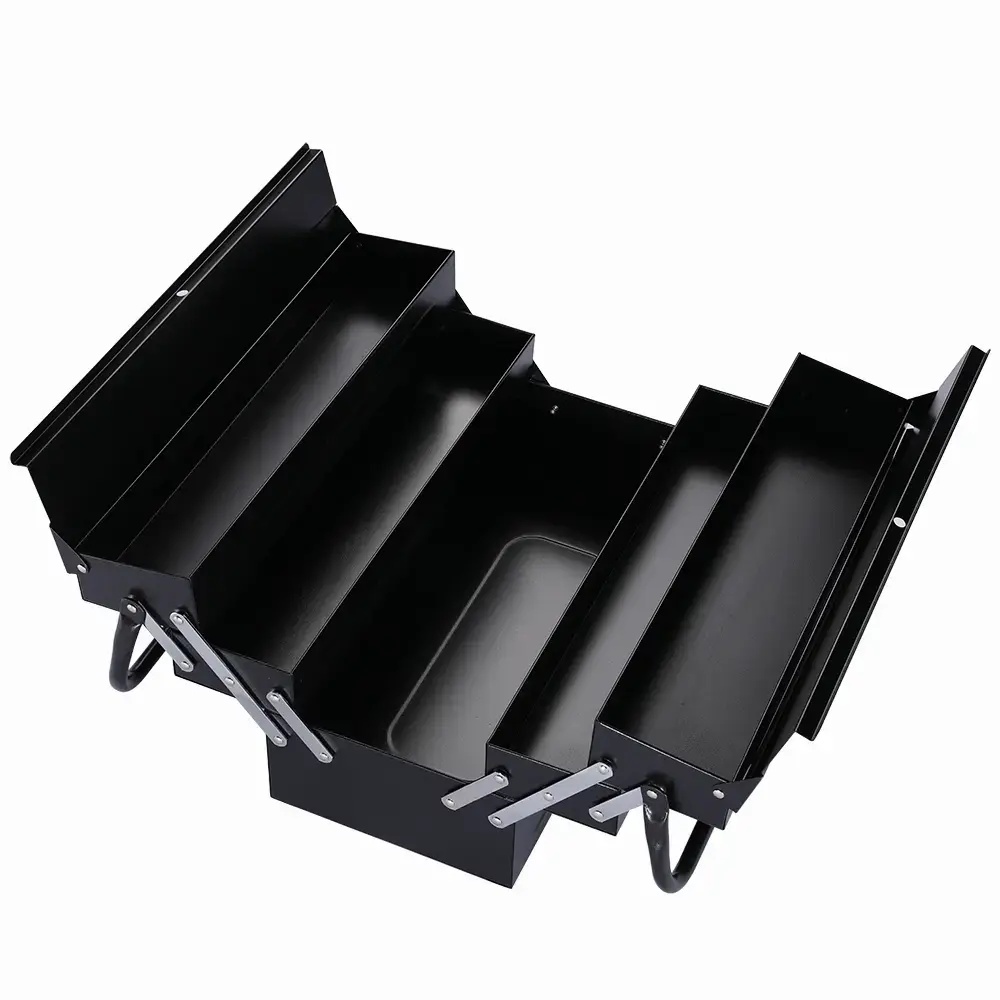
A comparison of corrosion resistance between stainless steel and aluminum alloy
In terms of corrosion resistance, stainless steel and aluminum alloy each have their own advantages. The corrosion resistance of stainless steel mainly benefits from the chromium oxide film formed on its surface, which enables it to remain stable in harsh environments such as moisture, acids and alkalis. In contrast, the corrosion resistance of aluminium alloys depends on the oxide layer on their surface and anodic oxidation treatment. In Marine environments, the corrosion resistance of stainless steel is more prominent, especially 316/316L stainless steel, which has better chloride resistance than aluminum alloy.
From the perspective of long-term use, stainless steel hinges have a longer service life. Due to its excellent corrosion resistance and high strength, stainless steel hinges can maintain long-term stable performance in a variety of harsh environments. Although aluminum alloy hinges are lightweight and have certain corrosion resistance, their durability may be affected when exposed to damp or corrosive environments for a long time.
Conclusion
In the selection of materials for outdoor toolbox hinges, stainless steel and aluminum alloy each have their applicable scenarios. If outdoor toolboxes are mainly used in Marine environments or high-humidity areas, stainless steel hinges are undoubtedly a better choice. Their excellent corrosion resistance and long-term stability can ensure the reliability and durability of the toolboxes. For weight-sensitive application scenarios, aluminum alloy hinges have certain advantages, but it is necessary to ensure that their surface treatment can meet the requirements of corrosion resistance.
In conclusion, choosing the appropriate hinge material requires a comprehensive consideration of factors such as the usage environment of the toolbox, weight requirements, and cost. Both stainless steel and aluminum alloy are excellent material choices, but in terms of corrosion resistance, stainless steel performs better in most outdoor environments. Through reasonable selection and design, the reliability and durability of outdoor toolboxes in various environments can be ensured.