
Leave Your Message




Corrosion, Coating and Export Packaging: Stopping Rust and Transit Claims on Imported Tool Cabinets
The Claim That Lands on You
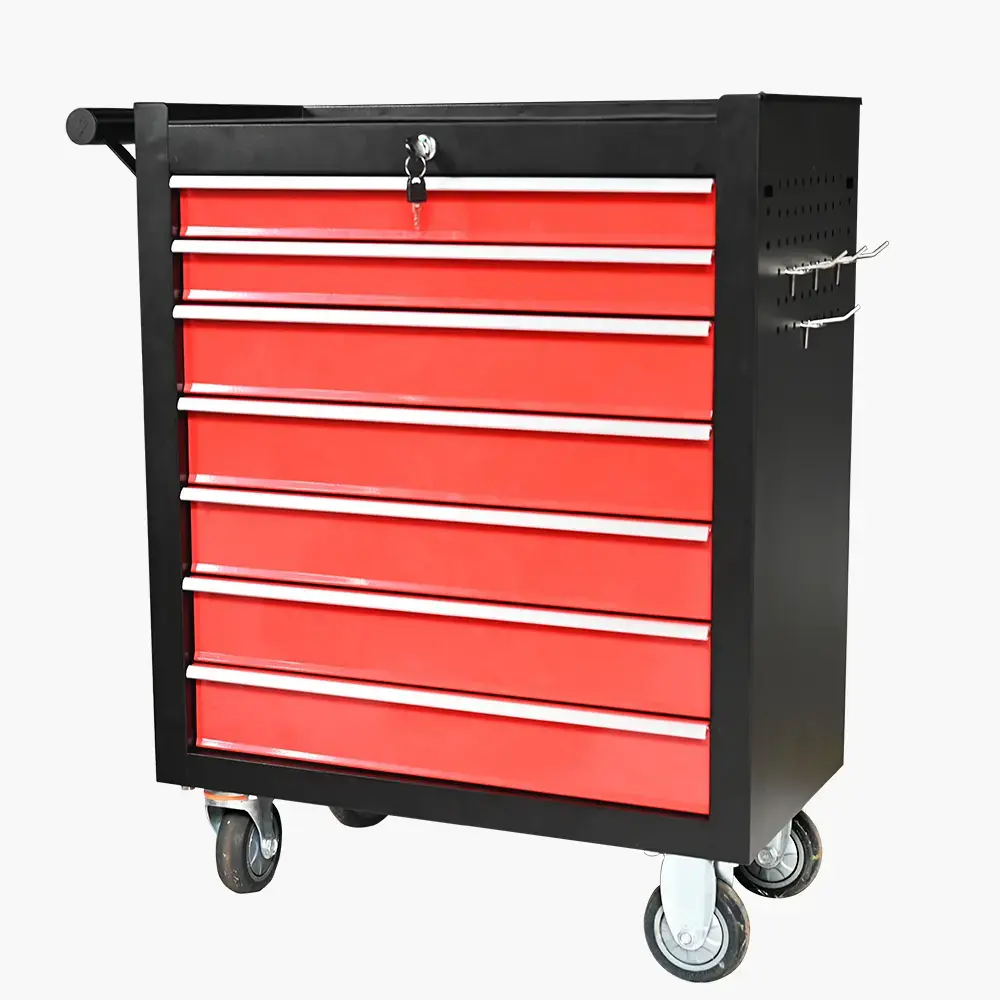
An automotive aftermarket wholesaler in Chile opened a 40HQ of Roller Cabinets after five weeks from Qingdao. Thirty eight of 240 units showed rust blooms along the top edge, and twelve had crushed corners where the strap bit. The factory rejected the claim and was right: the order said standard export packing, which means whatever they normally do.
The distributor absorbed 11,000 dollars in credits and rework and then lost the next order. Every element of that loss was a missing line on the PO: no film thickness, no salt spray figure, no desiccant quantity and no corner protection at all.
What Five Weeks at Sea Does to Steel
A 40HQ is about 67 cubic metres of sealed air that passes 50 degrees by day and cools at night. When the roof falls below the dew point, condensation rains onto the cartons, which is what container rain means. Add salt laden port air and humidity sits above 90 per cent for days at a time.
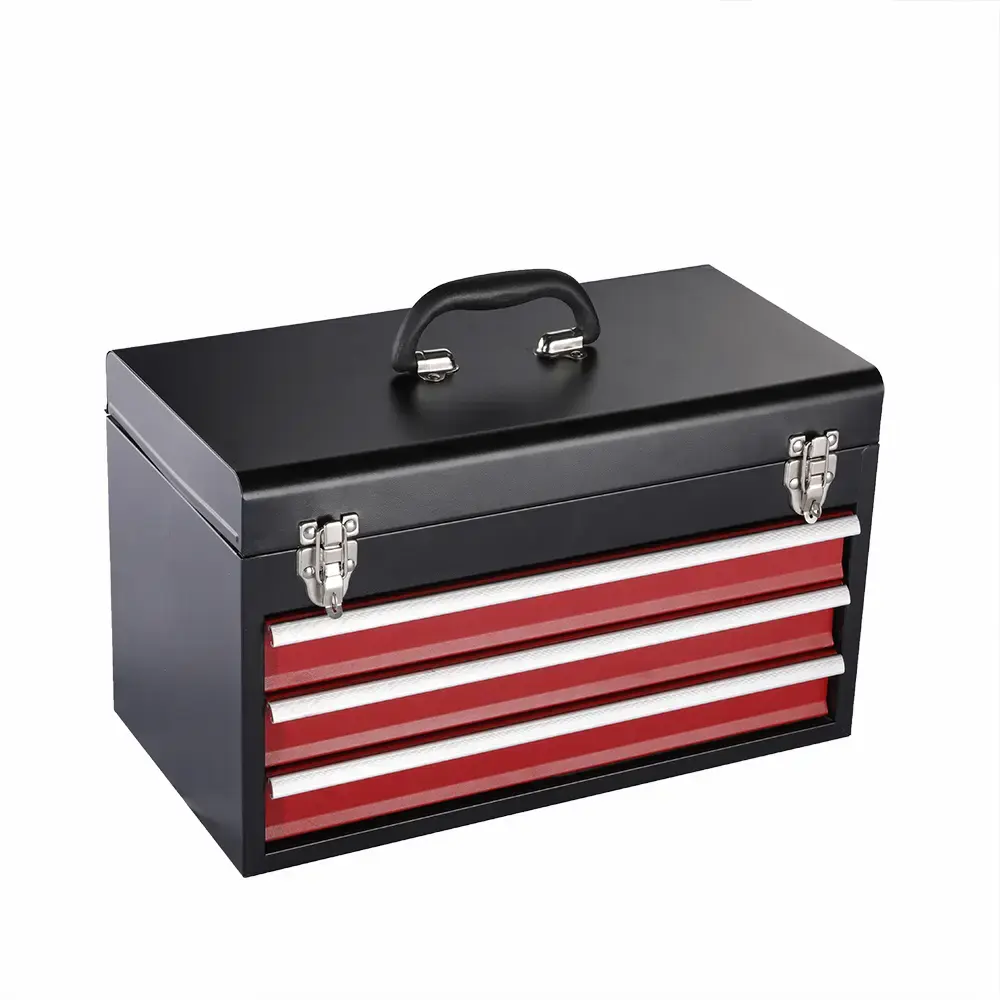
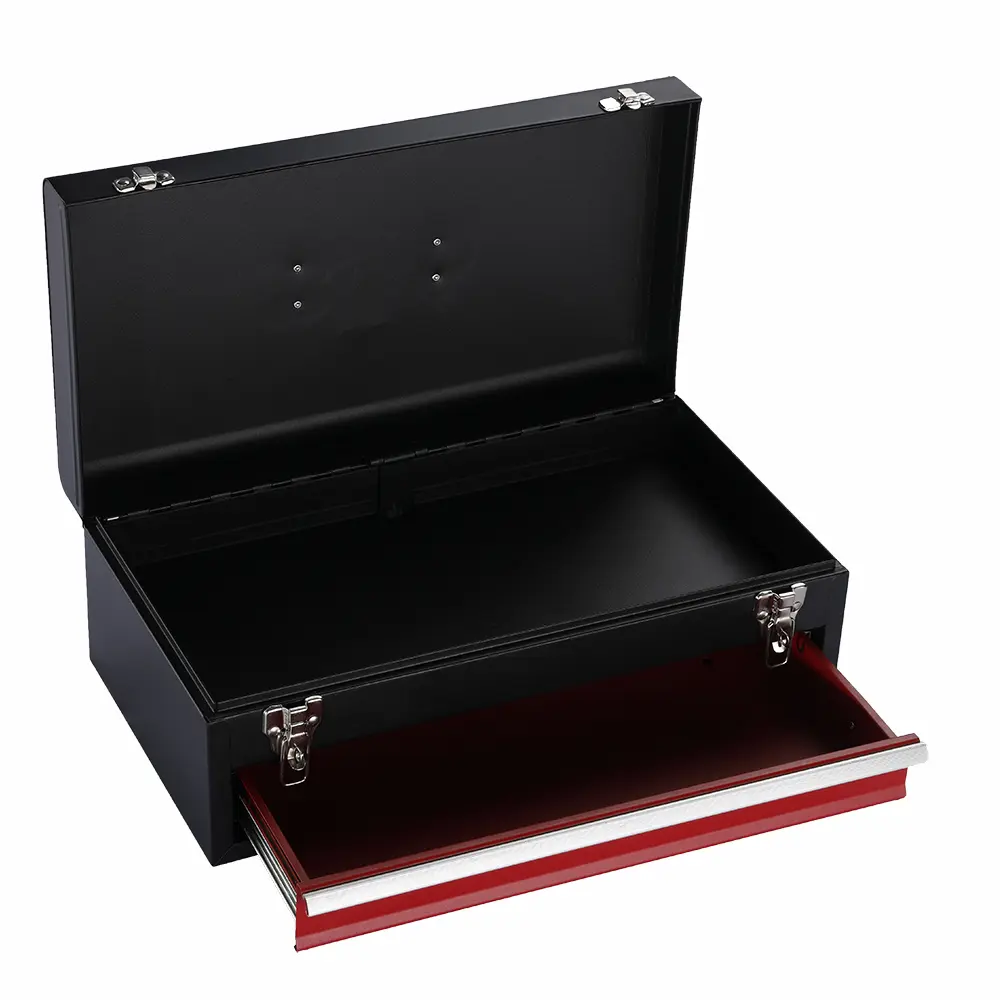
Steel carrying chlorides rusts above roughly 60 per cent humidity, and cartons are hygroscopic, so a wet carton becomes a poultice held against the steel. A product such as a multipurpose lockable outdoor toolbox with two drawers can sit in that for a month or more, and five weeks at sea beats a year on a shelf.
Pre-Treatment: The Stage You Cannot See
The line is short: degrease, rinse, conversion coating, rinse, dry off, powder. The conversion stage is the one that gets diluted, skipped or run cold, and it decides whether the coating stays put. Zinc or iron phosphate should deposit 1.5 to 3.0 grams per square metre; a zirconium pretreatment runs around 20 to 80 milligrams.
The failure is invisible at dispatch: gloss and adhesion look fine, then at month three creep back starts from every scratch. Verify what you cannot see, meaning bath logs and coating weight to ISO 3892, and cross hatch adhesion to ISO 2409 class 0 after a 24 hour soak at 40 degrees.
Film Thickness: Specify It and Measure It
Specify 60 to 80 microns dry film thickness to ISO 2178, with a local minimum of 50 and a ceiling near 120. Too thin breaks through at the edges; too thick brings orange peel and poor impact. Recesses suffer the Faraday cage effect, so state a minimum there too.
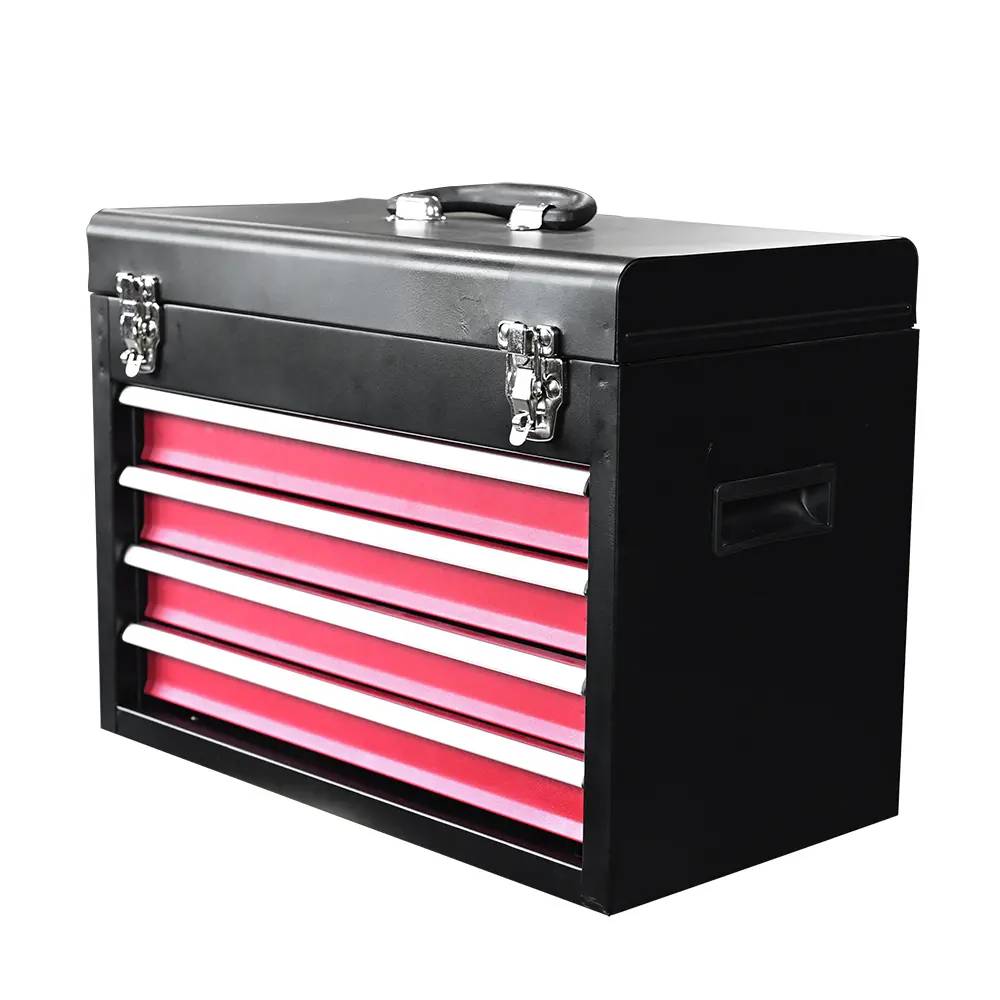
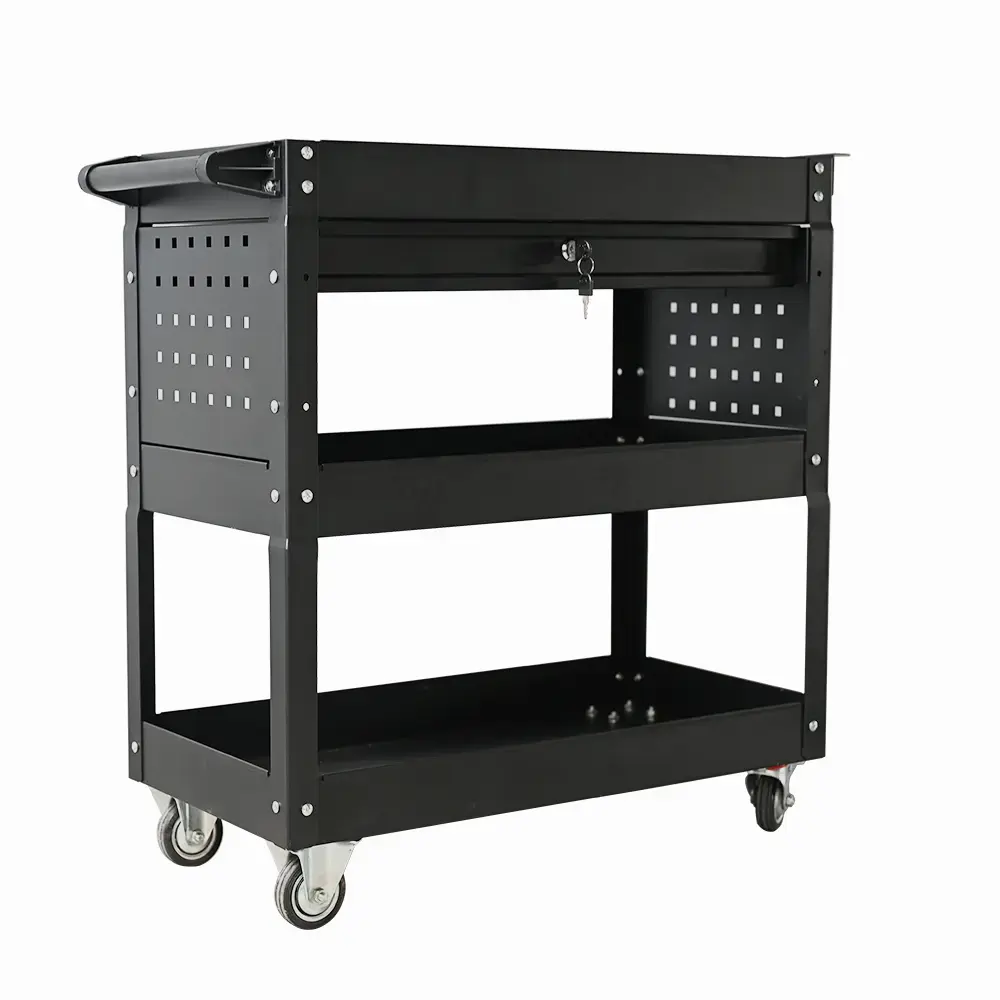
Cure matters as much as thickness. Require 180 to 200 degrees metal temperature for 10 to 15 minutes, evidenced by a six point oven traverse rather than the dial on the door. On a heavy duty metal tool storage cabinet trolley, measure the recessed handle and the plinth as well, where the gauge usually finds the truth.
Salt Spray Hours: What They Prove and Hide
Neutral salt spray to ISO 9227 is a five per cent sodium chloride fog at 35 degrees. Set the hours by market: 240 hours for indoor economy product, 480 for mainstream retail, 1000 for coastal territories. Acceptance is not "no rust" but creep from the scribe of 2 mm or less per ISO 4628-8.
What it hides matters more. Continuous fog is not a service environment, correlation with real life is weak, and it says nothing at all about edge coverage, welds or ultraviolet. Use it as a comparative lot release test on retained panels, and add ISO 4623 filiform testing for humid markets.

Edges, Welds and Fasteners
Coating pulls back from a sharp edge as it flows, so an untreated edge carries half the film of a flat face. Require a minimum 0.5 mm edge radius, full deburring, and edge coverage photographs on the first article. Weld seams need grinding and a stripe coat.
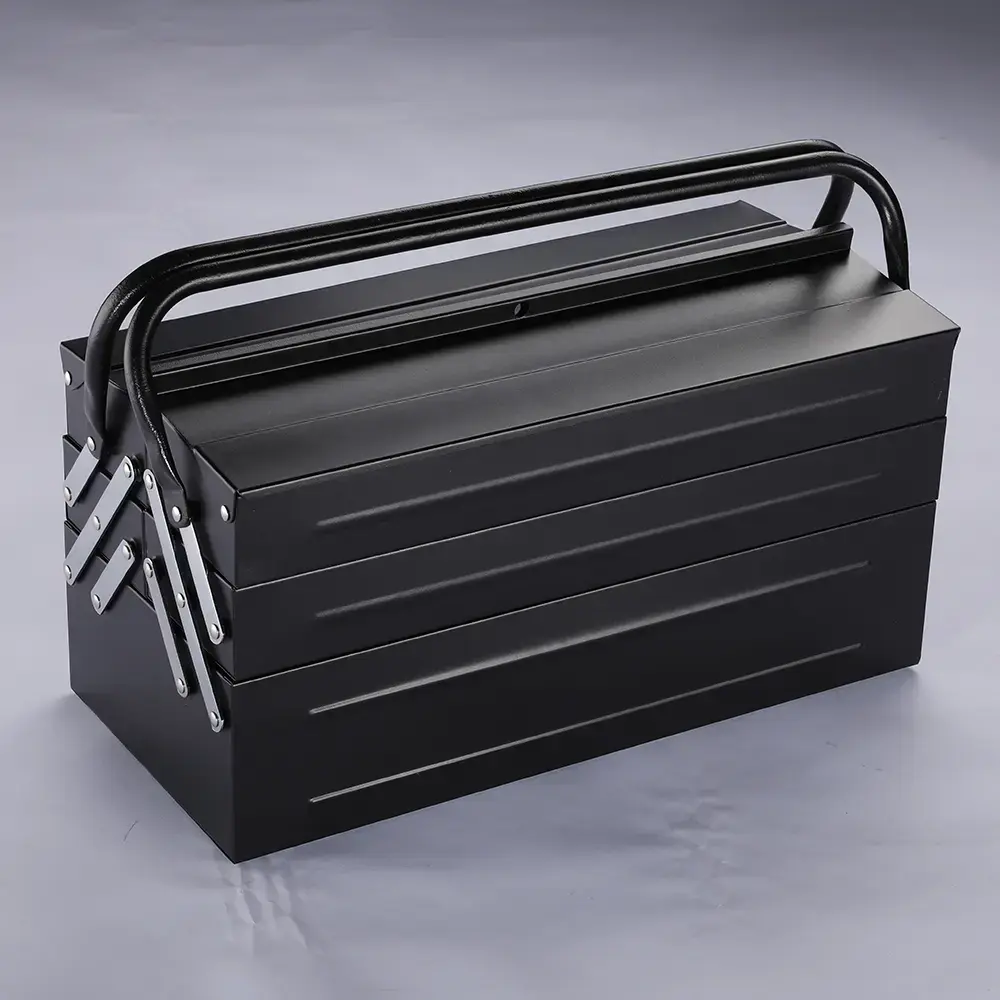
Fasteners fail first. Specify 8 to 12 microns of zinc with passivation on hinges, screws and castor brackets, or 304 stainless on the coast. Aluminium trim against steel means galvanic corrosion eats the steel, so use isolation washers. Tray units such as a cantilever metal toolbox with handles carry dozens of edges each and bloom first.
Moisture Control and the Packaging Spec
Chemical protection is cheap beside a credit note. Use 8 to 12 kg of container grade calcium chloride on a five week voyage, hung on poles rather than thrown loose, plus one A3 sheet of nitrite free VCI paper per carton, since some markets restrict nitrites.
Attach the rest as numbered lines on the purchase order and require packing photographs before loading:
- Carton: five ply BC flute, edge crush 8 kN/m or burst 1400 kPa
- Corner boards on all four verticals of every unit
- 3 mm edge board under every strap, never strap on bare carton
- Pallets: ISPM 15 heat treated, kiln dried below 20 per cent moisture
- Stack test: ASTM D642 at three to five times the stacked load
- Drop test: ISTA 1A or ASTM D5276, heights set by packed weight
- Carton marking with a lot code so any failure traces to a production day
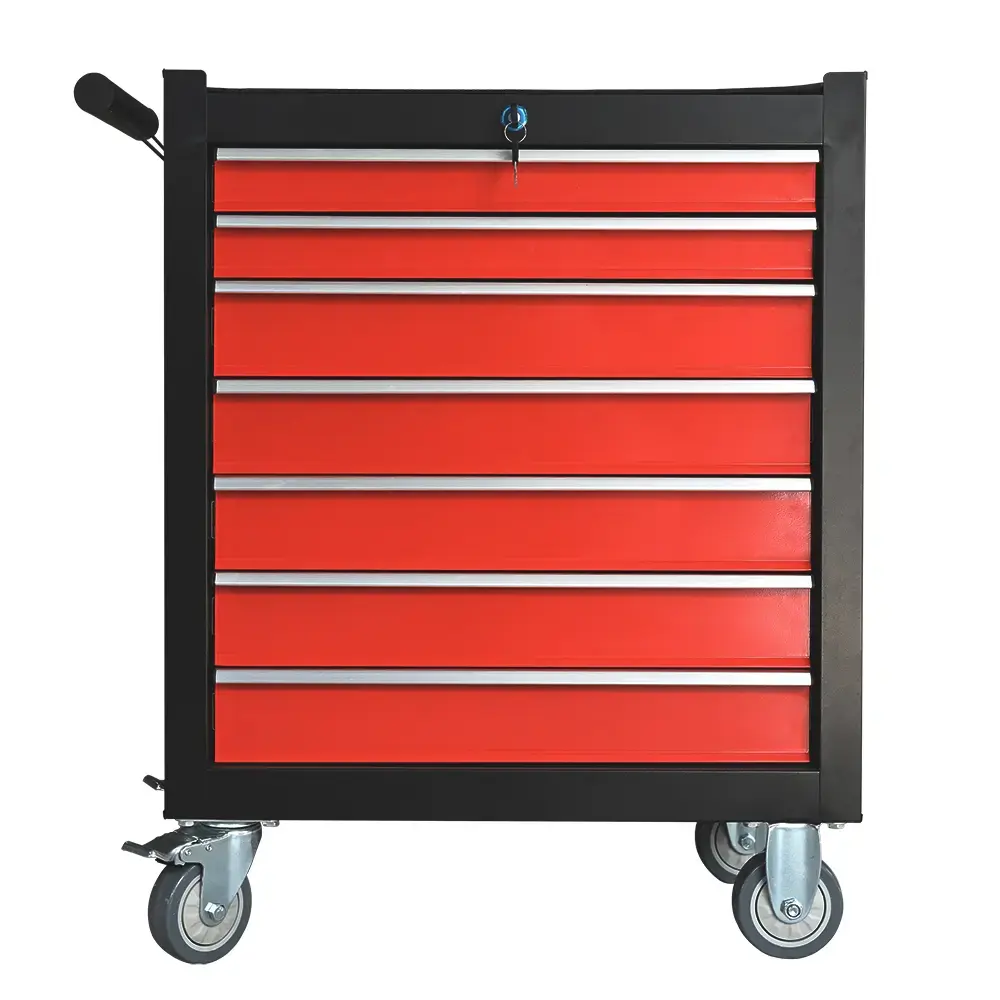
Interlocking ranges such as a four drawer interlocking utility rolling trolley stack tightly and trap moisture between units, so corner boards matter more there, not less.
The Bottom Line
Rust and transit damage are not bad luck; they are specifications nobody wrote down. Name the pre-treatment, the film thickness with a recess minimum, the salt spray hours with a creep limit, the desiccant quantity and the corner protection, then pay the balance against packing photographs. Do that and the container arrives as saleable stock on the pallet instead of a negotiation.